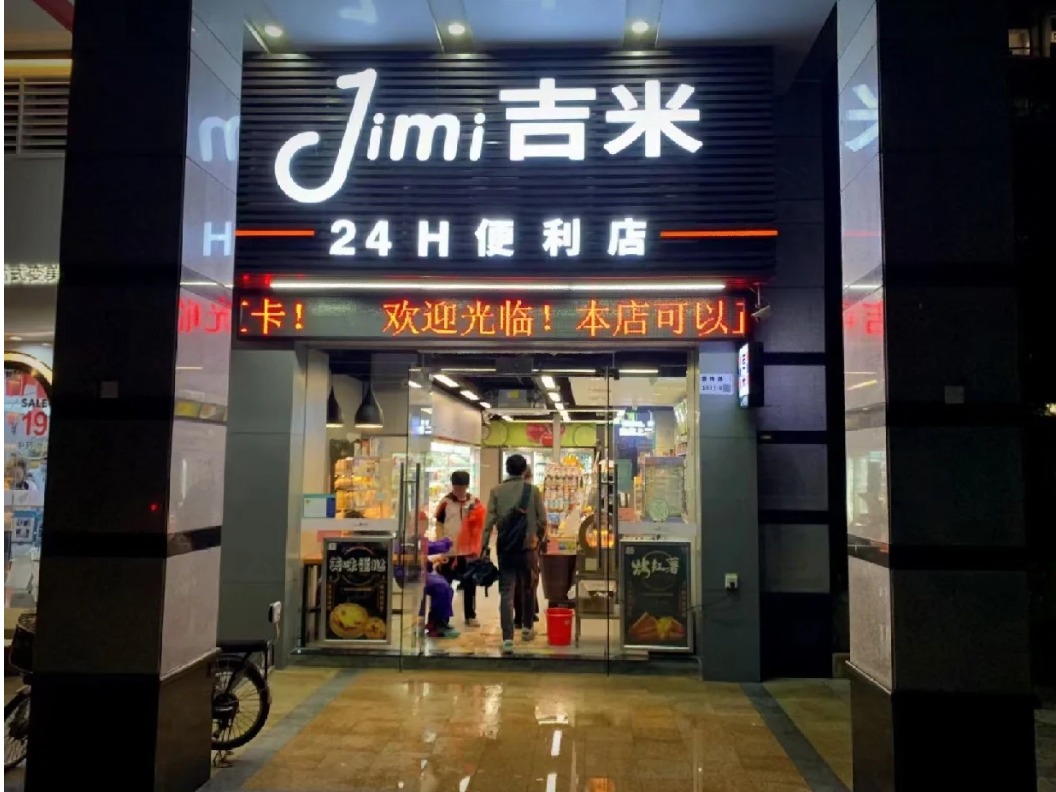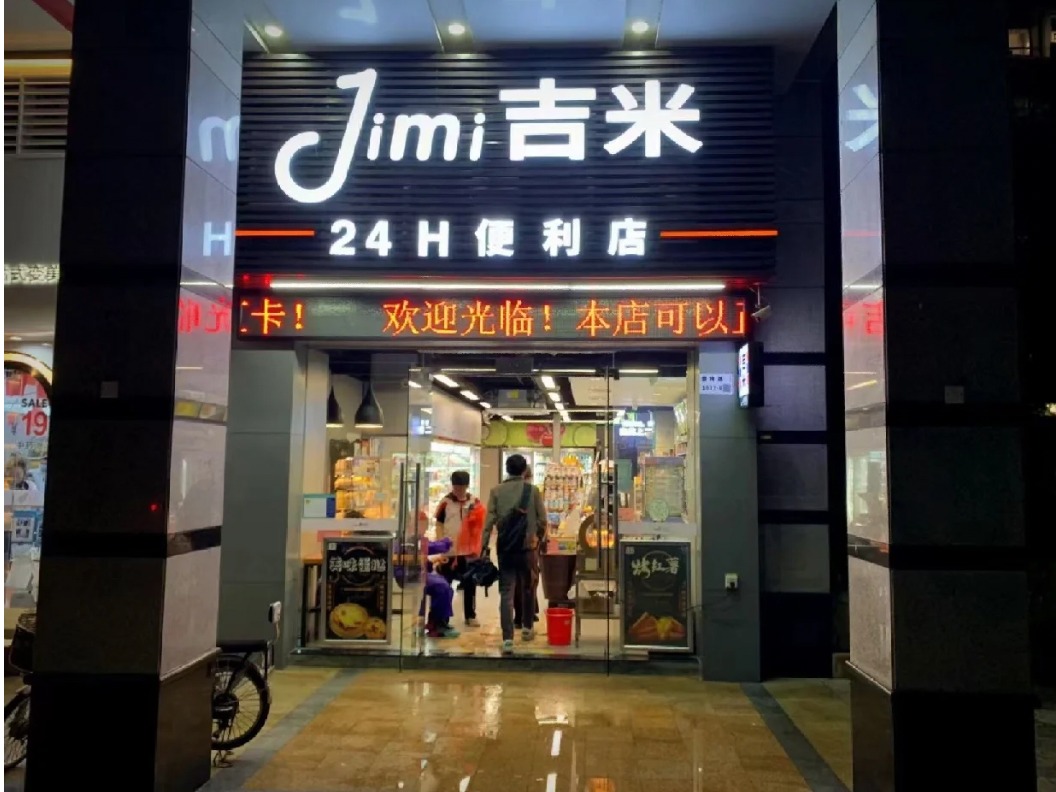

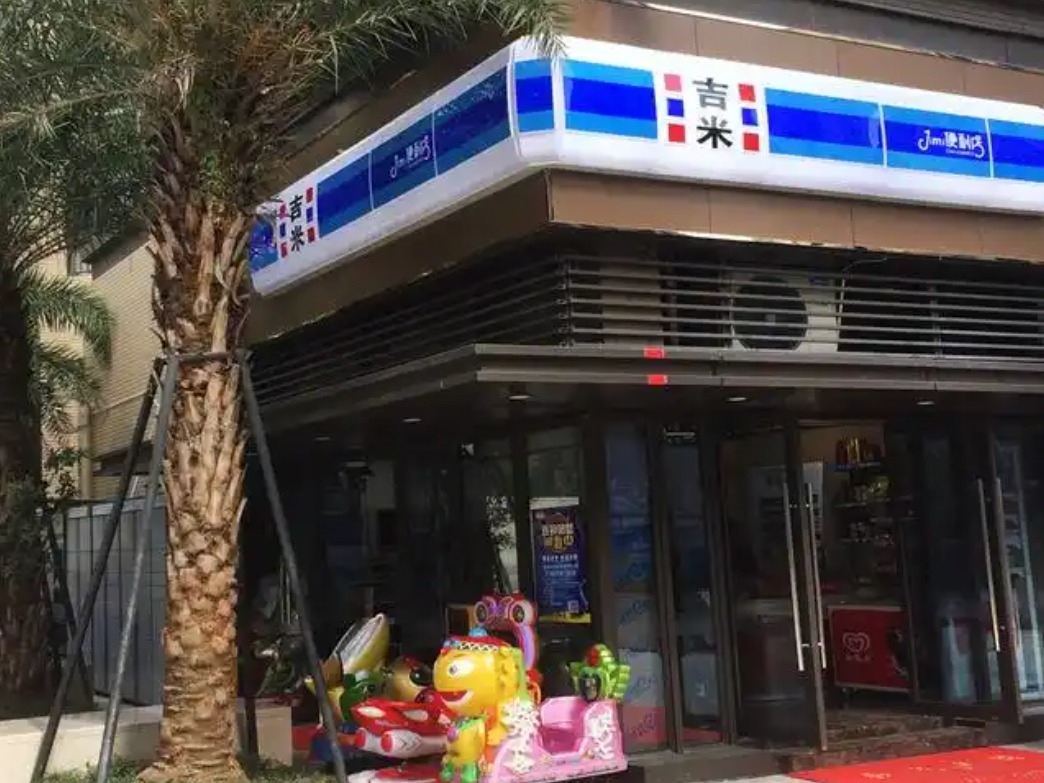
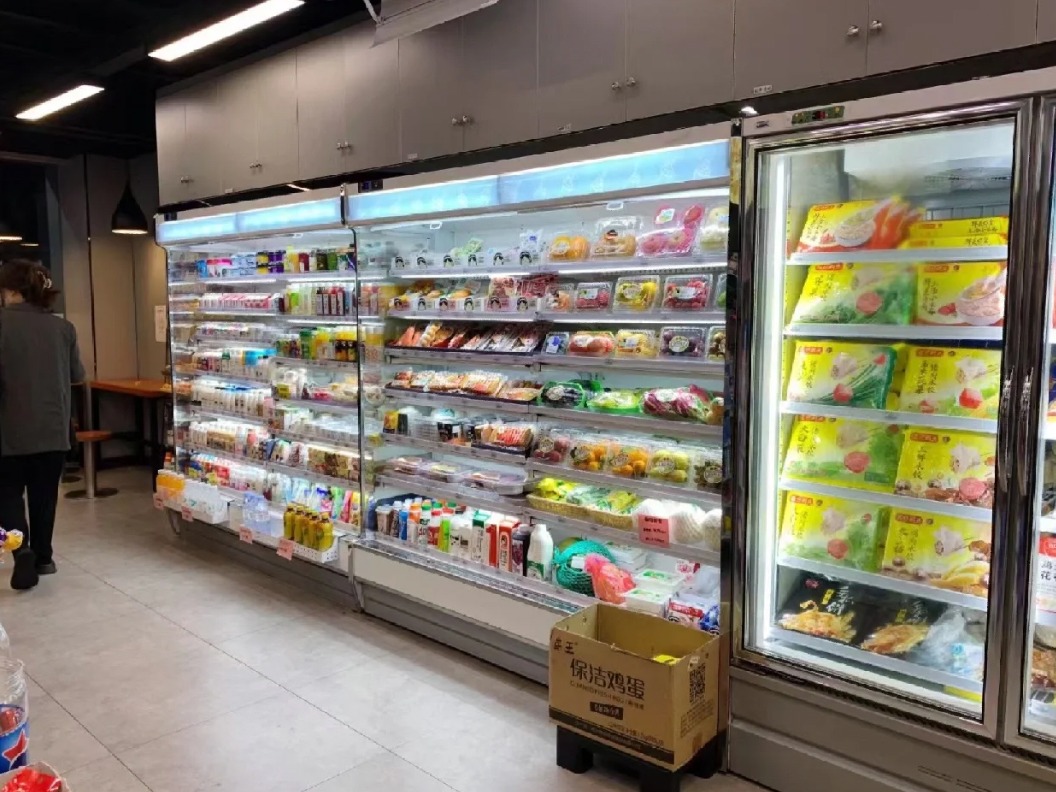


Introduction to jimmy's convenience store project
Jimmy's accessories, a fast-growing localization chain of convenience brands in recent years, focuses on community and business landscapes with “fast, fresh, warm” as its core value, meeting the immediate and diversified needs of consumers through smart operations and differentiated commodity strategies. The following is a detailed analysis of the project:
I. Brand positioning and characteristics
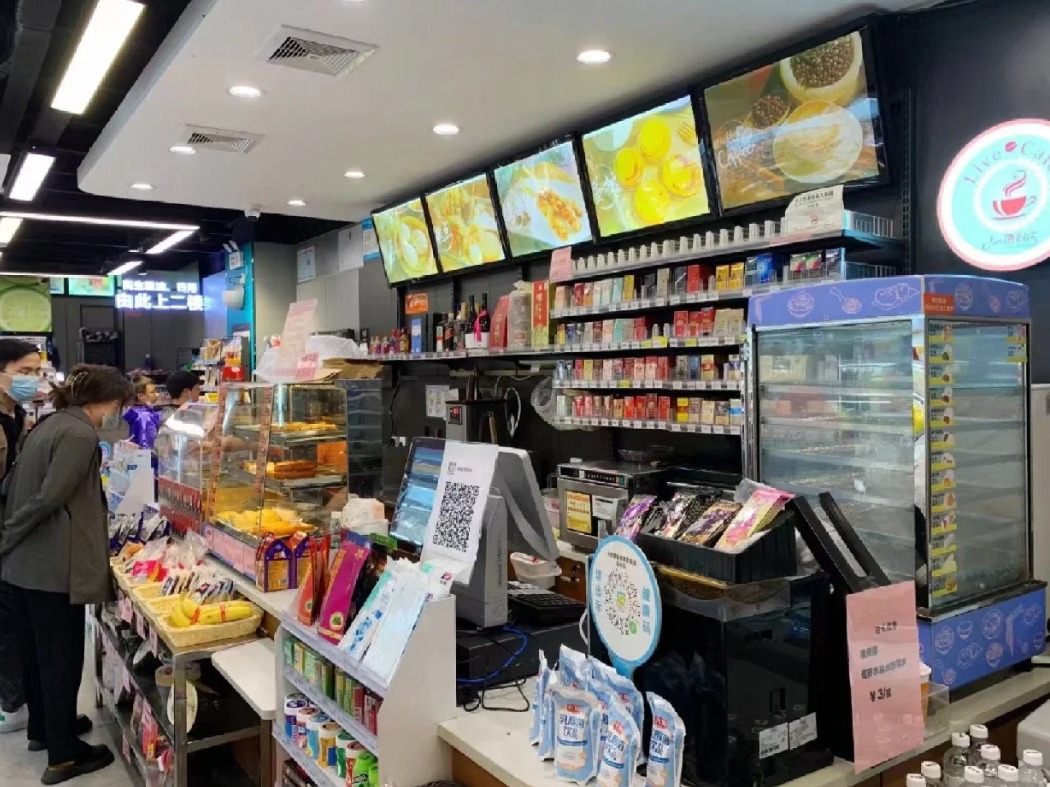
The core concept, “3 minutes of life”: mainly, “full in time”, covers 500 metres of neighbourhood and office population. Two-drive “fruit + convenience”: fresh food accounts for more than 30 per cent (e. G., ready-made coffee, hot meals, baking, fresh juice) with high frequency supplies. Discrepancies 24-hour smart service: some of the stores are equipped with self-service cashiers, smart containers, and support is provided for the unguarded at night. Community-based operations: the provision of portable services such as couriers, photocopying, charging fees, etc., in depth to bind community needs. Member in-depth operation: "online + underline self-induction/distribution" achieved through a small program/ap, member points convertible for fresh food or cash deductions。Ii. Goods and services systems
Commodity structure groups account for 30-40 per cent of specialty cases of fresh, ready-made coffee, lunches, sushi, roasted melons, 40-50 per cent of snack drinks, personal care, home-based people's services, 10-20 per cent express collections, charge payments, ticket booking services innovation, “jimmy kitchen”: open kitchens are set up in the front shop to provide hot meals at present. “community refrigerators”: in collaboration with local farmers, sale of fresh vegetables and vegetables at a flat price, with a master playing “from field to convenience stores”. “emergency stations”: provision of free umbrellas, recharging rentals, shared medicine kits。Iii. A model of association and support
Co-operative model joins: it is suitable for individual investors, with an investment threshold of approximately $300,000 to $600,000 (including renovations, equipment, first batches). Regional agents: access to regional exclusive development rights requires financial and team management capacity. Headquarters supports site assessment: screening of high-flow points (e. G., community entrances, writing halls) through large data analysis. Supply chain security: central kitchen + regional silos, daily distribution of fresh food commodities, with a maori ratio of 40-50 per cent. Digital tools: provide erp systems, smart supplement algorithms, member marketing platforms to reduce operational difficulties。Iv. Operational highlights
Community interactive marketing organizes monthly "jimmy community days": free trial meals, parent-child diy, used replacements, etc., to enhance user viscosity. Establishment of the “community bulletin wall”: distribution of rental, recruitment, secondary trading information and creation of an offline information hub. Private traffic is operated through community marketing, small program pushes to achieve precision touch and rolls out such online activities as "class seconds kill" "time-limited discounts". Membership-specific benefits: free coffee coupons are given for the month of the birthday, and a higher discount is paid for fully consumed silver/gold cards. Flexible distribution covers 3 km of the perimeter, with a maximum cost of $39 (in cooperation with a third-party platform) and is “at maximum speed of 30 minutes”。Analysis of investment returns
The initial investment (in the case of the 60m2 standard store) project cost range is increased by the sum of $8150,000 for renovations and equipment of $200,000 to $250,000 for the operation of the führer's shipment of $10150,000 to $100,000 for a total of $430 to $650,000 per day of projected earnings: $10,000 to 20,000 (a business store of $30,000 +). Māori rate: 30-40 per cent (over 50 per cent for fresh food). Back to the current cycle: 1. 5 to 2. 5 years (depending on location and level of operation)。Vi. Membership conditions and risks
Affiliated property requires an area of 50-100 m2 located at the main entrance to the community or at the heart of the business. Capital strength: liquidity of at least $300,000 and total investment capacity of over $500,000. Experience requires that priority be given to people with retail trade experience or 15 days of paid training at headquarters. The main risks are related to dealing with competitive risks: surrounding convenience stores are dense (e. G. Family, rosen). Response strategy: improve user viscosity through food differentiation and community activities. Supply chain risk: high consumption of food commodities. Response: headquarters provides smart replenishment systems and dynamically adjust inventories。Future development planning
Expansion objectives: a plan to open 2,000 stores within five years, with a focus on new city and district markets. Innovative direction: introduction of ai smart shelf and realization of "take it or leave" insensitive payment. • to expand the “friendly shop + fresh” model by adding self-inflicted points to community groups。Wrap-up: jimmy's convenience store opened a course for differentiation in the red sea through the triple advantage of “fruit + community + digital”. Its lower membership threshold, mature supply chain systems and strong community capacity to operate are suitable for entrepreneurs who wish to invest in community retail. Attention, however, needs to be paid to site accuracy and localized operational details in response to intense market competition。