

Introduction to the 8090 convenience store project
Project overview
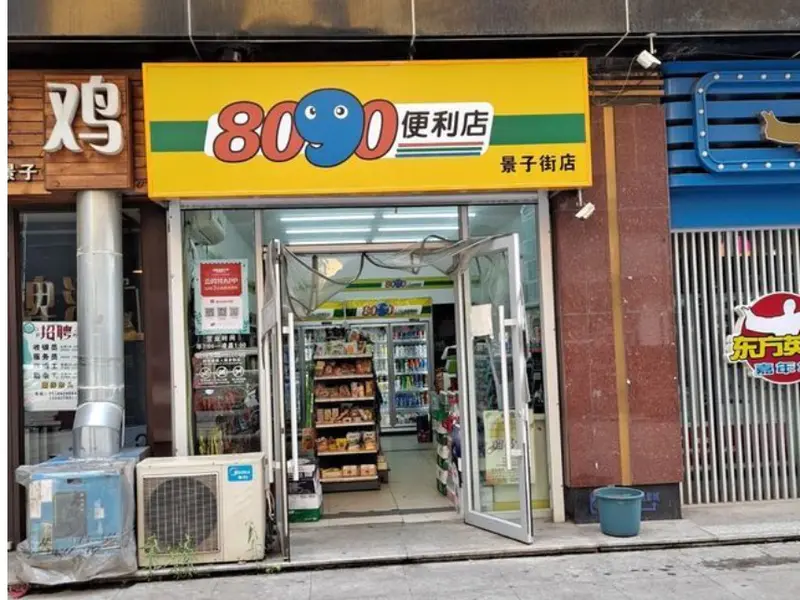
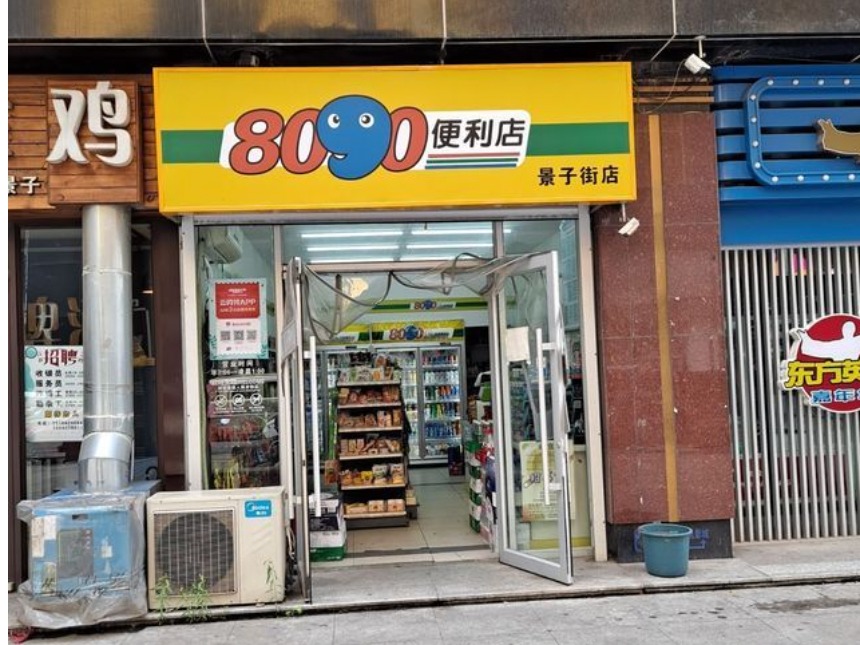
The 8090 convenience store is a chain of convenience brands with 80, 90 and nostalgia as the central theme, with the main focus on the “emotional consumption plus easy living” model, which attracts young consumers and the nostalgic population by combining retroverse elements with modern retail services. The project is characterized by communityization, landscapeization, digitalization and the provision of marketing, accessible services and social spaces, with the goal of becoming a “consumptive landmark” for regional markets。
Core characteristics
Topical scene design for retrofitting: the door shop uses the classic elements of the '80s and '90s (e. G. Old-style games, black-and-white tv, nostalgia posters). Card interactive area: set up thematic corners such as the “time post office” “old classroom” and encourage users to take photos and share them with social media. Differentiated product combinations of nostalgic snacks: sale of mellitus, figs, raccoons, etc. (a) co-edited products: a limited number of surroundings (such as stationery, toys) are launched in collaboration with classic ip (such as black cat sheriff zhuva). Food and people's services: standardized services such as ready-made coffee, hot meals, express collections, shared recharging. A member system of digitally run applets: a credit exchange for traditional gifts (e. G., iron frogs, glass marbles) and a personalized preference. (a) social marketing: the establishment of the “8090 together with the society” community, with regular online nostalgic events (e. G. The “old singing competition”)。Iii. Business model
For-profit structured commodity sales: snacks, beverages, daily supplies, etc., the māori rate is about 35-45 per cent. Value added for services: express delivery, photocopying, rental of advertising slots, contributing to additional income. Branding consortium: co-production with nostalgia brand, splits profits. Cost control supply chain optimization: work with local suppliers to reduce logistics costs; concentrate on the procurement of nostalgia goods to improve bargaining power. Light-assets expansion: use the “direct + union” model to export branding and management to reduce financial pressures。Market analysis
Core target population: 25-40 years old, nostalgia-driven consumption. Extensions: generations of z (dissemination through cards), family groups (purchase of daily goods). (c) the emotional differentiation of competitive advantages: distinguished from traditional convenience stores, creating brand loyalty with a “tune”. Site viscosity: provide social space, extend user stay and increase consumption frequency. Risks and coping with homogeneity risks: regular updates of nostalgia themes (e. G., quarterly decorating) to maintain freshness. Supply chain stability: working with multiple suppliers to avoid single-channel disruptions。V. Operational strategy
Brand promotion nostalgic marketing: "8090 nostalgia fair", joint local media campaign. Kol co-operation: invited the nostalgia theme shop to produce a short video entitled "remember killings". User operating members are graded according to frequency of consumption, with high-level members receiving exclusive discounts and priority participation. Ugc content: encourage users to share nostalgic stories and reward excellent content. Siteing strategy community + business circles: priority residential areas, school perimeters and business circles where young people gather. Area control: 50-100 m2 for single store, lower rental cost。Vi. Financial planning (example)
Project value (thousands of united states dollars) single store initial investment averaged 40 to 50 per cent of the 8 to 15 gross domestic product earned in 30 to 50 months back to 10 to 18 months of the current cycle
Brand expansion: launch of the “8090 nostalgia market” initiative to create city-level ips. Cross-border cooperation: linking up with nostalgic restaurants, theme parks to create consumer ecology. Digital upgrading: develop ar interactive games (e. G. “finding old objects”) to enhance user experience。Summary: 8090 convenience stores, through the integration of nostalgia plus modern retail, are well integrated into the sub-market with the goal of “buying both snacks and memories”。