1. The state of health of the person and his family and the support of his family and relatives
2. The provision of legal identity cards in order to facilitate the establishment of genuine files at headquarters
3. The economic power to develop and maintain markets and to operate brands
4. Have a fixed operating space and are assessed by headquarters as eligible for operation
5. Prioritization of associations with industry-related experience
6. Having good social relations and handling of public relations
7. Knowledge of marketing channels, consumption levels and needs in intraregional markets
Good credit and a certain level of business management capacity
9. Agree to accept the training plans prescribed by the headquarters of the union and complete all training courses at headquarters as required; and comply with the code of conduct for brand-related operations, management and operations
10. Knowledge of brand culture, building consensus on business concepts and development thinking; conscious maintenance and promotion of brand image
11 entrepreneurship passion and cooperative win-winness, with a rational investment mentality and a pragmatic sense of development
Good reputation and level of credit; conduct business in good faith, serve in a uniform image of the company and sell at a uniform price
13. Consciousness to provide quality services to customers and conscious maintenance of brand reputation
14. Be brand-aware and willing to sell and promote brand products
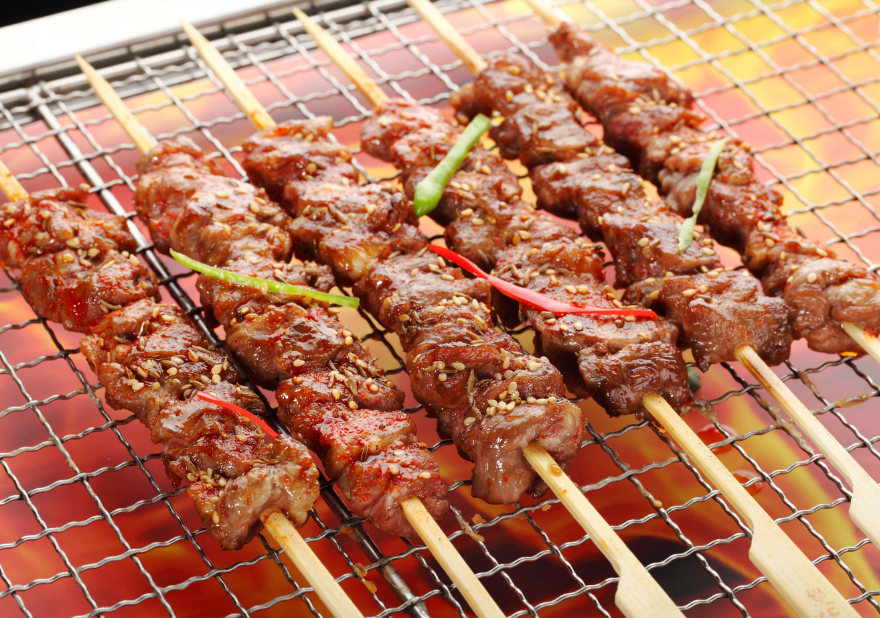
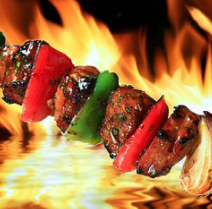
The english name of the amé family's night barbecue is barbecue (commonly known as bbq), probably from the caribbean sea. Formerly the french came to the caribbean, and on the island the whole slaughtered goat was cooked and fed, and this food, known as barbe-cul, turned into a barbecue word, even more so because it had the same accent as the english letter q, became barbeque, and later, in short, the bbq。
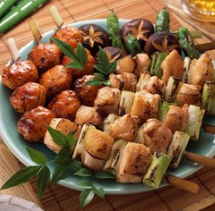
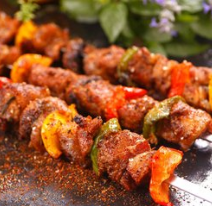
Ami's night meals are often performed outdoors as a result of fog from roasting meat. However, a number of restaurants have also developed in-house barbecue-types, known as barbecue shops in such places as japan, south korea and taiwan, in asia, where there are grills or grills built on tables in front of each person's seat in the room, with charcoal or gas stoves and electric ovens, and with internet racks or rails, grills or ovens that allow consumers to cook their own raw meat or raw food. Although mainly roasted meat, there are many kinds of roasted foods today。
The ami family's night foods have a smelt called stench, which includes geese, chickens, meat, forks, etc., which is not the type of barbeque that the eaters themselves immediately eat, but is also called in english as bbq. The chinese diet and cooking have gone through four stages of development, including: fire cooking, stone cooking, water cooking, oil cooking. Fire cooking is a primitive way of cooking. It's a very primitive way to cook. There are two explanations for roasting: burning things, such as fire, firewood, etc., and heating things, such as water, charcoal, etc., with fire or heat. The second meaning is a deep attraction, a burning of cooking. Barbecue consists of smoke, baking, branding. Barbecue is important in barbecue. Archaeology found two paintings marked with roasted meat in a graveyard of east han in the village of fort 5 in runan pyle, and research revealed that the characters in both paintings were all-hands, and that they were roasted with cattle and sheep. These two culinary maps reflect the common eating habits of the people of runan from 1800 years ago。
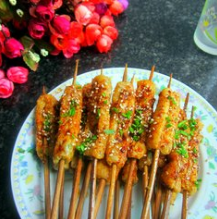
The ame family's night food is baked in the same way as the sun, burnt and burned. With the progress of cooking, the cooking process has not disappeared, and many more have been done. To date, there have been a variety of roasting methods such as white roast, mud roast, mud roast, masonry roast, red roast, pickle roast, grilled roast, pasta roast, fork roast, hook roast, grilled roast, oven roast, iron roast, oven roast, bamboo cane roast, bonfire etc。
The ami family eats at night in its own way, with grills, iron plates, iron fences, long bars, most of which are charcoal fires, and different uses of carbon in different regions。