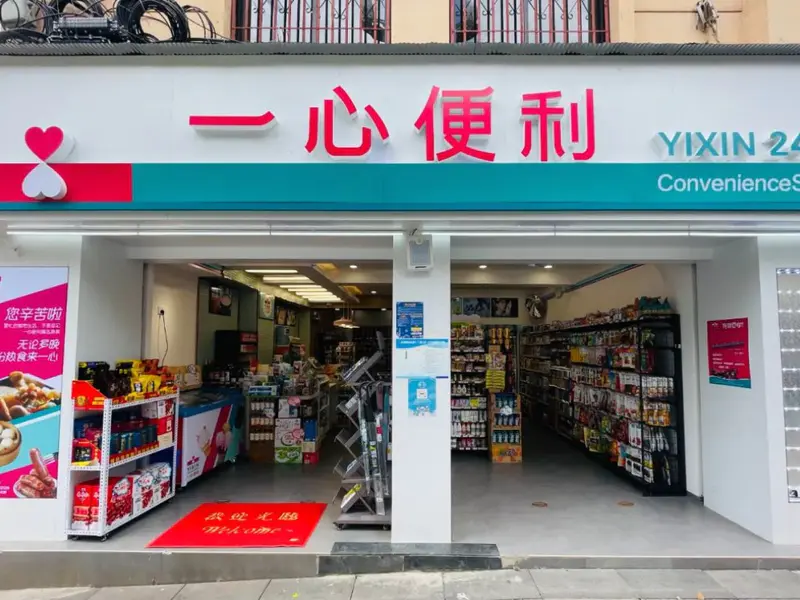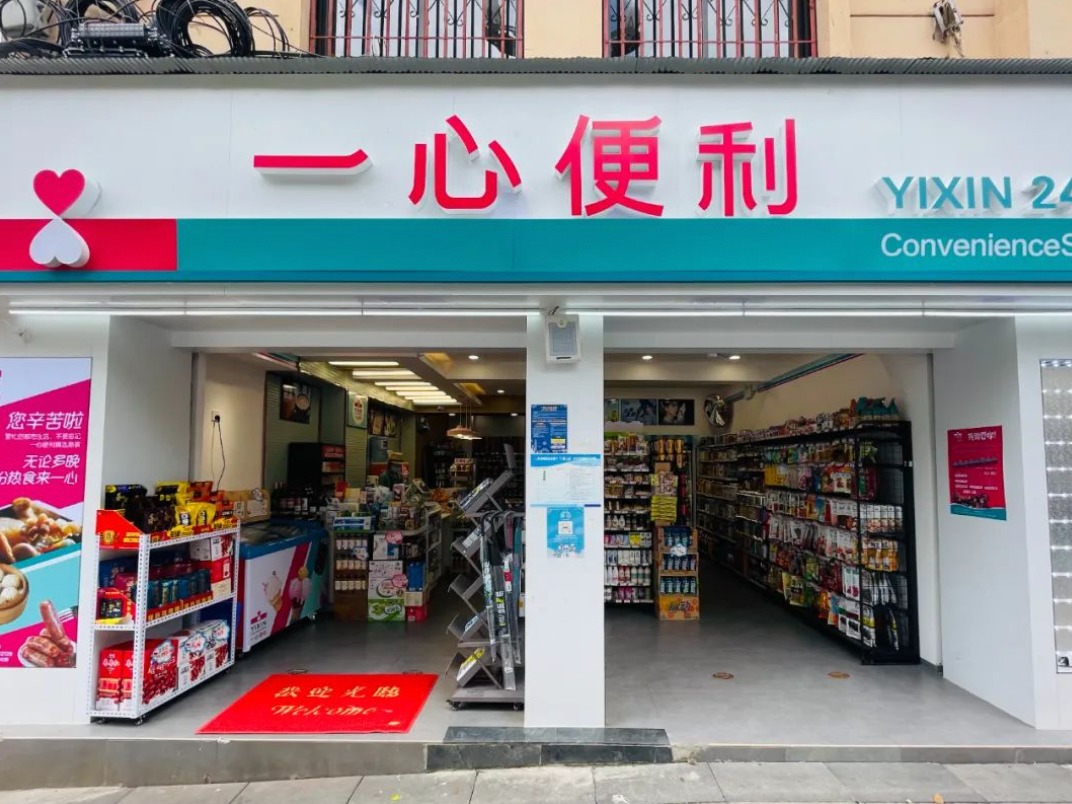

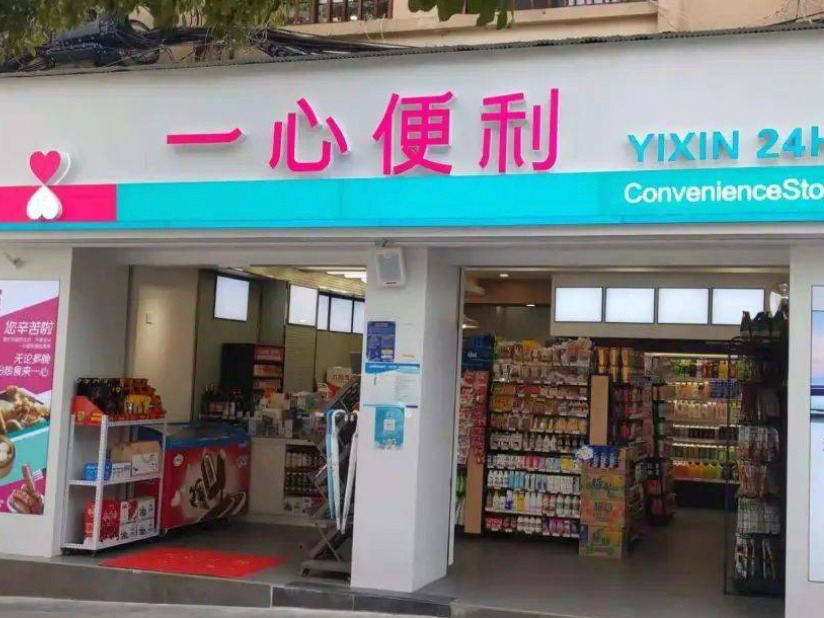
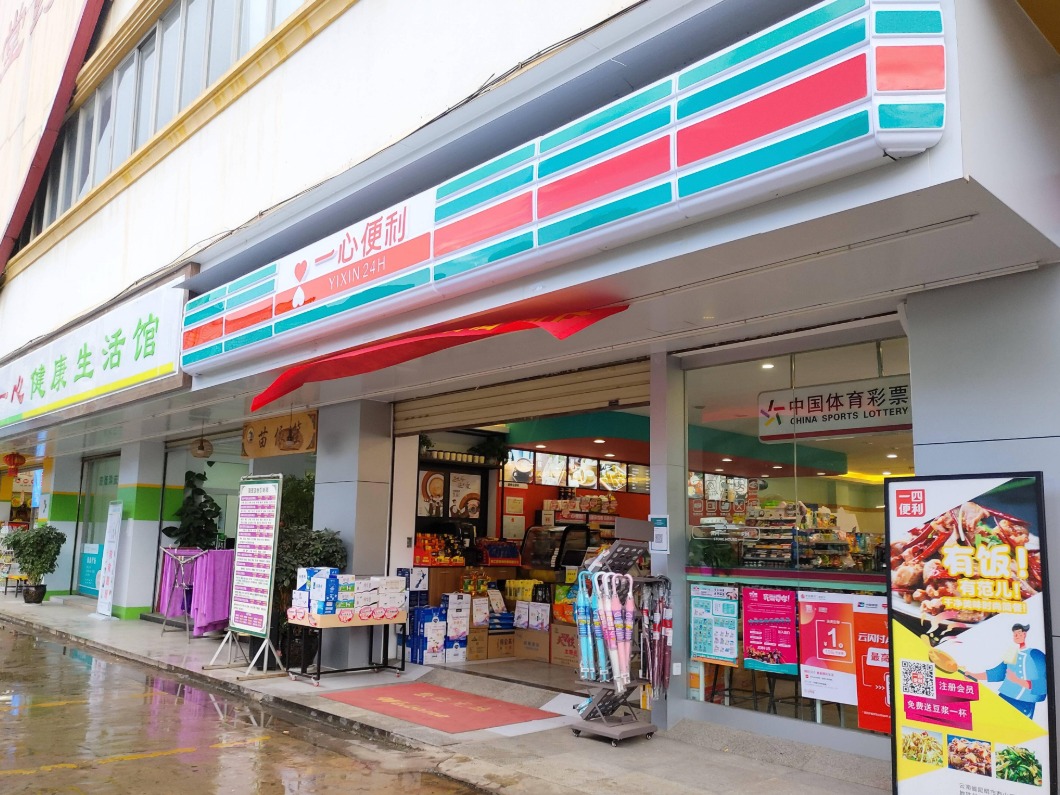
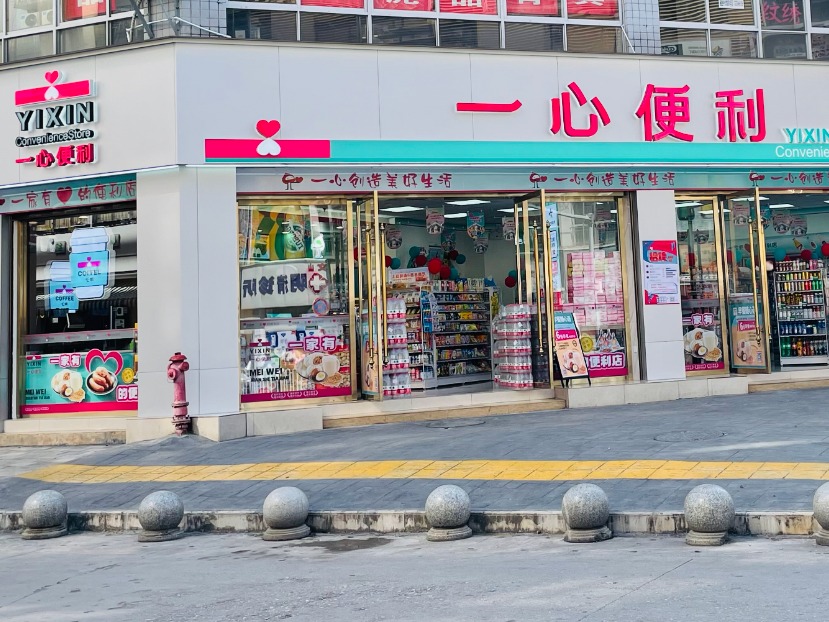


Project overview
One-in-a-kind convenience stores are a community-based, easy-to-improvement, smart-based chain of convenience brands that focus on providing 24-hour living services to the surrounding population, covering daily commodity sales, personal services, instant meals and community interactions. Through the “friendly shop + community hub” model, the project built the residents' “lifekeepers at the door of the home” with the goal of becoming the brand of a regional market high-facility community convenience store。
Core characteristics
Communityization services are well-positioned: they are adapted to the demographic structure of the community (e. G., family, work force, older persons), such as increased food, coffee, health care and low sugar food in the community of work. (c) people-to-people services: one-stop services such as express collections, water and electricity bills, photocopying, domestic appointments, etc., are available to settle daily household chores. Intelligently operating unmanned techniques: some of the stores introduce self-service cash collections, smart racks (auto-subsidized alarms), ai surveillance (prevent theft + customer flow analysis). Data-driven selection: analysis of sales data, dynamically adjusted commodity displays and inventories, e. G., increased share of cold drinks in the summer and primary heating in the winter. Community-based interactive eco-community operations: creation of 3 km of community in the vicinity of the shop, daily distribution of preferential information, community activities (e. G. Parent-child handicrafts, senior health lectures). Shared space: a “shared tool corner” in the “community bulletin board” to promote a sense of belonging。Iii. Business model
For-profit structured commodity sales: 60-70 per cent, mainly with high maori fresh food (e. G., rice packs, sandwiches) and own branded goods. Value added for services: 20-30 per cent, including express receipts, rental of advertising slots, community group purchases. Data realization: expense collection of cooperation fees for the provision of accurate client portraits to neighbouring businesses (e. G. Gymnasiums, beauty salons). Cost control supply chain optimization: working with local suppliers to achieve a “daily mix model” (daily replenishment) to reduce inventory costs. Energy consumption management: introduction of smart temperature control systems, automatic lowering of lighting and air conditioning at night, and savings in electricity costs。Market analysis
Core groups of target populations: community households (daily purchases), working people (breed/night) and the elderly (in-service). Outreach: to attract cooperation from nearby microbusinesses (e. G. Fruit shops, dry cleaners) through community activities. (c) high competitive advantage for services of a sticky nature: addressing “last kilometre” demand, with a high rate of repurchases. Differential experience: increased community interaction and personalized services compared to traditional convenience stores. Risks and coping with homogenization competition: 1 - 2 “community-defined commodities” (e. G., joint vegetable packs, tailor-made cakes) introduced every month. Operating costs: reduction of human costs through smart equipment, with two to three individual store staff (four to five for traditional convenience stores)。V. Operational strategy
Branding community infiltration: 3 days before the opening of the business, a free trial meal + lottery was held to attract residents. Intersputee cooperation: “community welfare cards” are issued in cooperation with the property sector, with exclusive discounts for users of the cards. User-operated membership system: full full value (e. G. 300 to 50), consumer-exchange community services (e. G. One hour free domestic service). Ugc content: encourage residents to share “facilitative skills” (e. G. Fast food recommendations), quality content rewards points. Site selection strategy is precise: priority is given to mature communities with over 80 per cent occupancy, avoiding new development areas. Area control: 80-120 m2 for single shops, taking into account commercial displays and community spaces。Vi. Financial planning (example)
An average of 45-55 per cent of the initial investment in a single store in the amount of the project (millions of united states dollars) from 40 to 60 per cent of the gross domestic product (maori) earned in the first 10 to 18 months of the current cycle
Community eco-expansion: launching of the one-friendly community service platform sub-program to integrate surrounding business services and to create a “15-minute life circle”. Brand upgrades: develop home-grown food brands (e. G., “one-care groups”) and upgrade brand premium capabilities. Green operations: introduction of degradable packaging, solar lighting and image of environmental convenience stores。Wrap-up: one-friendly shops, through the three-pronged “commodity + services + community interaction” model, are well integrated into the community consumption landscape, with the goal of becoming an “essential one-stop shop” in the lives of residents。