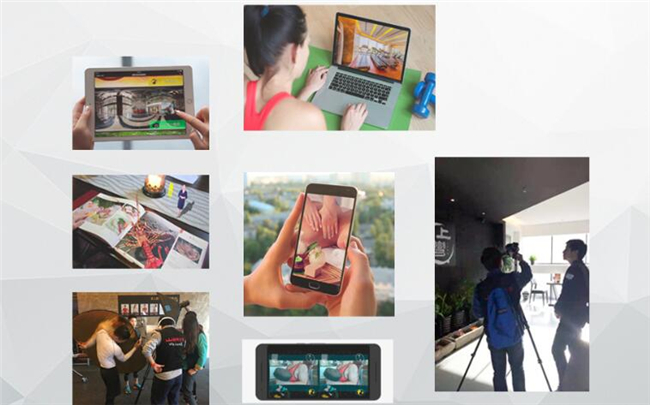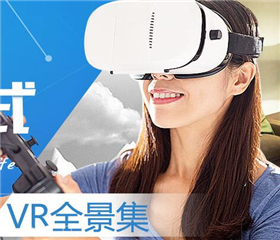

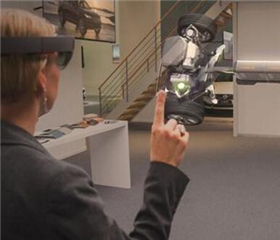


The storming of virtual reality has now intensified, from helmets and glasses in shape, to creative interactive devices, to attempts at content production and experience halls. A growing number of vr-related practitioners and entrepreneurs have made the vr theme park or vr theme experience solutions a declaration that their predecessors, the void, zero latency, are their next targets。
However, from a macro point of view, the whole industry is not a smooth development either: the level of vr helmets and glasses is uneven, and mainstream products (e. G. Oculus vr and htc vive) have not yet fully expanded the consumer market; vrs have high requirements for system configurations, associated equipment is difficult to wear, while the retrofitting of mobile devices is largely unattainable; and there is much less clarity as to how interactive content is produced and designed for the experience hall. In addition, the vr experience hall was built without the most important link, namely, cheap and flexible positioning programmes。
The virtual reality has arrived, but at present there are not many products for ordinary users. On the one hand, the product is either sold at high prices or underperformance, which is difficult for the general public to access, and, on the other hand, the lack of content fills has affected the experience of its use, which is a major obstacle to its widespread application。
The 3d immersion virtual reality helmet of wea panorama is a head-on display based on the oculusrift platform. With it, users see a virtual world and have a strong stereo feeling through poor eyes. With inertial sensors such as gyroscopes, accelerators and magnetometers, helmets can sense the head posture of an experiential person in real time and, with regard to the perspective that should be adjusted to show images, 120 degrees of imitation wide allows users to gain the most veritable view of the virtual world and fully integrate it。