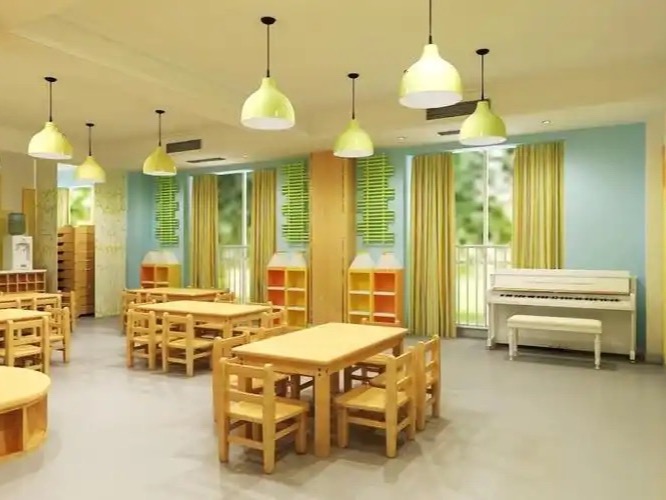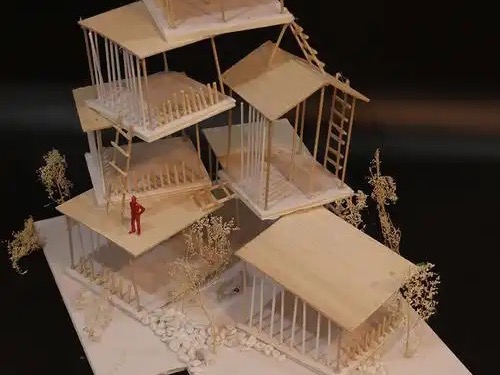
The dream community children's art education project, with the internationalization of the curriculum system, the integration of the architectural arts and full-cycle support as its core competitiveness, is dedicated to developing children's artistic creativity, as described below:
I. Core brand strengths
The internationalized curriculum system uses a globally advanced ib teaching system that integrates project b
Ased learning (project-based learning) model, which covers all ages 3-16, includes standard courses such as design art exploration classes, creative classes, general courses, etc. The curriculum features an interest in the design of fine arts, emphasizing the combination of art and technology, aesthetic skills and hands-on skills, and stimulating children's creativity through innovative teaching methods such as sensory interaction, the teaching of film environments, and music guidance. The integration of construction and art is based on the background of shenzhen's large architectural design company, which combines architecture, fine arts, transnational culture, elite education and rural public goods projects, and creates china's first modern educational institution for children's fine arts. In cooperation with over 30 recognized institutions worldwide, such as the university of barcelona and the university of manchester, masters of the arts from around the world were invited to participate in curriculum development and to bring chinese children into line with international art education. Brand influence and industry status have been growing for more than 20 years, with over 300 chained institutions and over 3,600 members, with high visibility and market ownership in the field of artistic training for children. More than 5 million investments have been made, and more than 200 small architects' works have been displayed in europe and the united states。
Ii. Communication support system
Full-cycle operations support provides a one-stop shop for site assessment, fit-out design, teacher training, curriculum updating, marketing promotion, etc. Headquarters assists all associated parties to complete shop opening and later operations. Regular association fairs are organized to share successful experiences and market dynamics and to provide targeted technology upgrading training. Regional protection and market norms apply a strict regional protection policy, with only one association shop in one region, guaranteeing independent business space and economic benefits. Headquarters is centrally managed to ensure the standardization of brand image and quality of teaching. Course r & d and teaching support have strong technology r & d centres, regularly roll out new courses in line with market demand, and provide systematic training to associate vendors to ensure that the content of the teaching is up to date. The provision of synchronized instructional curricula and methodological guidance to help associate quickly replicate successful brand operations。
Iii. Investment return prospects
The market for artistic education has grown at an average rate of over 15 per cent per year for both market demand and industry trends for children, and there has been a steady increase in household investment in artistic education and a wide range of prospects for the project market. Dream has a well-known brand name and a well-established curriculum with a significant competitive advantage in the arts education market. The earnings potential and profit model can earn between $300,000 and $500,000 a year, with a profit margin of about 20 to 30 per cent and a relatively short investment recovery cycle. Accompanyers can make profits through a variety of channels, such as course sales, events and derivatives development。