Legal qualifications
Legally qualified legal persons, other economic organizations, individual traders or natural persons
Resource requirements
(a) the economic power to develop and maintain markets and to operate brands
Management capacity
Good creditworthiness and a certain level of business management capacity
4. Compliance with regulation/regulation
Complying with corporate management and training, and being able to cooperate with corporate supervision in tracing
5. Love/identify brands
Knowledge of brand culture, building consensus on business concepts and development thinking; conscious maintenance and promotion of brand image
6. Rational investment
Entrepreneurship passions and cooperative spirit of win-winness with rational investment and a pragmatic sense of development
7. Service awareness
Have a sense of quality service for customers and a sense of brand reputation
1. Access to product information
Access to official brand websites or contacts with brand players to understand branding and association policies
Application for membership
Fill out the membership application form and the company reviews the information provided by the investor and confirms its eligibility to operate
3. Contracting
To confirm applications for cooperation and enter into association contracts
4. Location of the shop
Have a fixed operating space and will be eligible for operation at headquarters
5. Shop improvements
Refurbishment of the shop and consolidation and construction of the shop in accordance with the headquarters-designed programme
6. Training of personnel
Under the scheme, personnel are sent to the company in advance for full-time physical training
7. Preparatory activities
Headquarters will provide all aspects of marketing planning, opening training, etc. For start-up
8. Opening operations
When the preparatory work is completed, it can be formally opened and followed up with operations and management

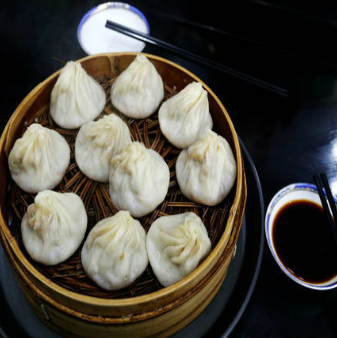
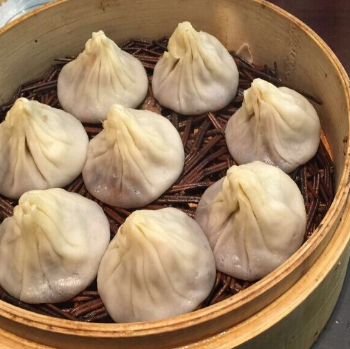
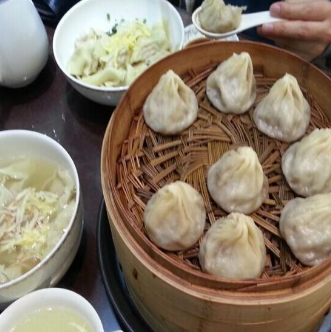
The heatman cage is owned by heatman catering management ltd. The tiny cage is a very delicious, delicious, snack brand. Small cages have been wrapped up in china for thousands of years and are the most common food snacks in chinese ancient times. And our tin-free cages are more of a traditional little cage brand. It originates in jiangsu and is very well received by consumers in the area of the river, characterized by thin skin. In order to achieve the goal, the tinless cage pack has been insisting on the provision of healthy and delicious food for consumers. The raw materials selected by tinless cages are therefore fine flour and made resilient through multiple processes. Tastes very comfortable. The trap is more sophisticated, with fresh vegetables and meat used to improve/enhance good taste and health. And these are the brands that make the tin-free cages a consumer's favorite snack。
A hundred years old, the locals, known as the tiny cage, are known for their skins, their skins and their skins. It's made of fine flour, fine choice, evaporated cages, southern flavor. It's got the same kind of skin, the same thing, the same thing, the same thing. Scrambles are thin (in the traditional tin-free cages, their skins are not fermented, so they are fertilized and thin, so they are chewing), they are halogenated and smelly, and in the autumn and winter, they are filled with well-established crab butter, known as the "crab powder cage" and delicious food. Because of the abundance of soup, the cage packs are also eaten differently from other buns。
The buns come up, take a small plate, pour a little rose vinegar and a little ginger salsa into it, pick up the cages with chopsticks gently and move into the disk, bite a little bit on the skins of the buns like wings, then slowly suck on the hot juices, suck on them while they taste, and the sweet and sweet tastes spread in the mouth. We're almost done with the soup juice, and we're gonna swallow the whole bag. Psst: "step, move slowly, open the window, then drink soup. "this is a way to avoid the spilling of soup, the burning of the lips, and to enjoy its beauty in the light process. [4]
The qing dynasty emperor, known for his name, has travelled across the mountain and the river, especially in love of jiashan water, garden monuments and folklore in gangnam. He made six trips to gangnam, kanlong to gangnam, along the lines of nanjing, yangzhou, nosei, suzhou and hangzhou, and for the first time to the south, on 19 february 1751, he travelled to the dragon boat in nisuke-free, camping in the north. He decided to go to the no-ting park long before he went on a tour. In the morning of the 20th, the emperor changed from the wong harbor to the qin garden by boat. They tasted the local cage。