
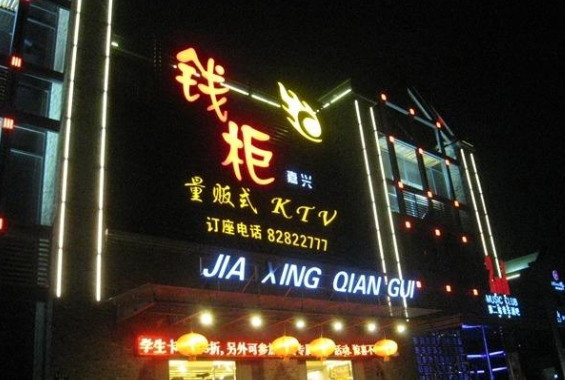

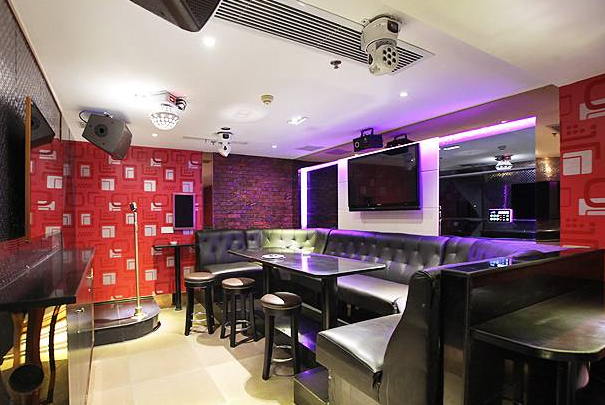
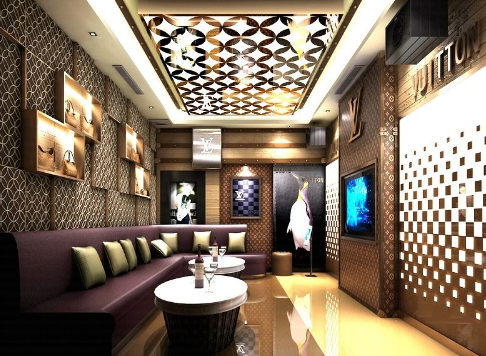
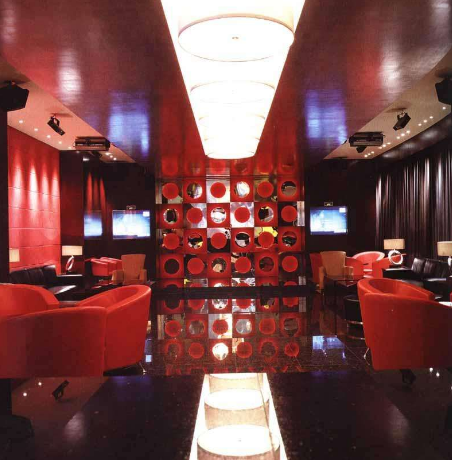


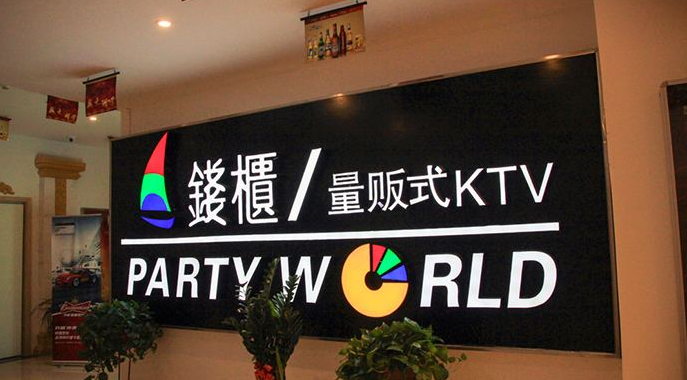
In 1985, a video lease was used to start a business; four years later, karaoke was re-integrated with mtv, giving a brand-new face to partywoord, following the shift in the impact of environmental openness and consumption trends, and following the business philosophy of "continuous customer demand " , with a steady and robust move into the audio-visual field of mtv. A highly mobile business and highly active entrepreneurship are the main features of the money cabinet. Businesses are constantly creating changes in their business strategies, and the purpose is always the provision of services that satisfy their customers, such as the introduction of suites to serve larger consumer groups. In the spirit of "taiwan zagen, care for tomorrow", further improvements in the quality of services and public safety are sustained。
The cash cabinet is a high-level, healthy and leisure-oriented national entertainment complex, which operates mainly in a quantitative manner, unlike the general halls and dance halls, where the products consist mainly of boxes, drinks and meals. Since its prevalence in taiwan in the early 1980s, the money cabinet has become an advanced brand of the industry and a strong brand of the ktv industry. To date, more than 20 shops have been opened in taiwan. Since 1994, more than 10 branches have been opened in shanghai, beijing, guangzhou, xi'an, wuhan, changsha, hangzhou and shenzhen. The immediate goal is to open more than 20 more homes across the country within three years。
The money cabinet was opened not at ktv, but at a cd-rom store, which, of course, was not called the money cabinet. The owner of the cd-rom store, liu ying (now a taiwan green camp practice student), was also a shopkeeper on the side of the road. After he had some capital, he operated a cd-rom store. In the course of his business, he found out that the cds sold were not accessible to the customers, and then set up a simple box in his shop for free auditions and auditions. He later found the box to be popular, and then expanded the shop to include more detail and humanization in its renovation. But since then, more and more customers have come to his shop to try and sing songs and actually buy cds. As a result, liu ying transformed the cd-rom store into a ktv, known as the karaoke tv (kala ok tv), and thus the brand of the cash cabinet (which was named after taiwan’s popular song roll), and the new entertainment industry, ktv, was created in china. In addition, it extends to other industries, such as money cabinets for beer, beverages, etc., whose brand value already reflects the trend towards high-end brands。