



Introduction to the cow shop project
Project overview
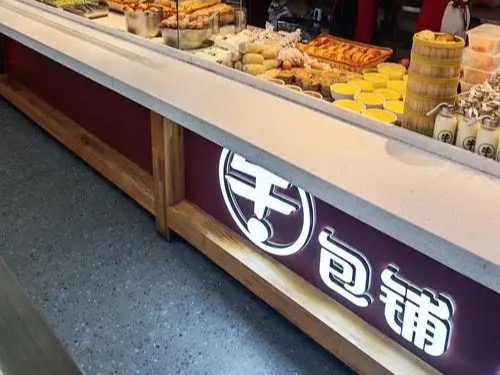
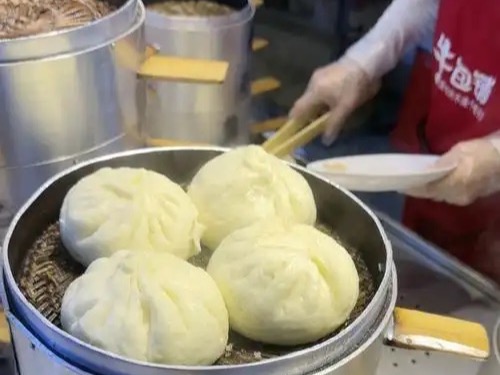
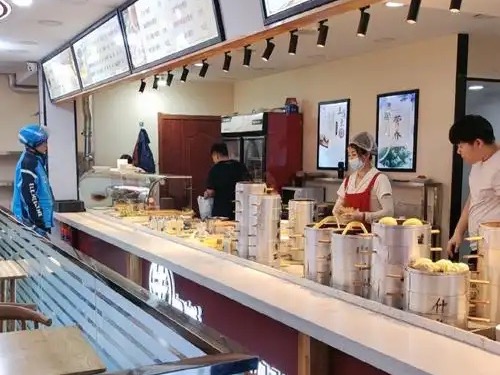
The cattle shop is a traditional medium-dot-based brand with a “current steaming” meat pack, a specialty package and a chain of meals with chinese breakfast. The project's positioning, “community just needs + quality upgrading”, aims at household clients, working people and young consumers, rapidly occupying downmarkets and front-line urban community business circles through standardized processes, high-value products and community-based layouts。
Core strengths
Products vary: brands of fresh meat buns, sauce buns, veggie chicken buns etc., pies are ready, soup juice is plumey and taste is good. (b) health upgrading: introduction of low-fat vegetable packs, groceries packs, children's cartoons to meet healthy diets and parent-child needs. Full-time operations: breakfast owner packs buns + soybean/porridge, lunch/dinner extension gravy, small noodles, etc., etc., to improve on the lawn. The supply chain guarantees the direct supply of central kitchens: cores, flour for skins are produced in a single central kitchen, and door stores need only simple processing and lower technical thresholds. Cold-chain logistics: delivery of the entire cold-chain to the door shop to ensure fresh food and food stability. The model of a flexible shop, 30-50m2 community store, with a total investment of approximately 150,000 to 250,000 yuan (including membership fees, equipment, refurbishment) for 8 to 12 months of the current cycle. Modularized design: standardized fit-out programme to support the “front kitchen” or “window shop” model, suitable for different properties。Operational support systems
Full hosting site assessment: professional teams provide business-cycle analysis, passenger flow measurements, and target gold points at community entrances, schools/subway perimeters, etc. Training system: 7 days of theoretical + 5 days of hands-on training covering core skills such as hand-mechanism, food efficiency and service language. Superintendences: headquarters is stationed during the opening period to assist in the commissioning of equipment, staff grinding and planning of activities. Digitally enabled smart order systems: auto-generated purchase lists based on historical sales data to reduce backlogs. Member marketing: small program point + scores, supporting fission activity such as full vouchers, subcards, collages, etc., with a 30% increase in the repurchase rate。Iv. Profit models
The price per client is 8-15 yuan (breeds for breakfast: buns + beverages + $10; lunch shorts + $18). Māori rate: 65-70 per cent (standardized supply chain compression cost). The daily number: 300-500 daily at community shops and 150 single/hour meals at peak hours (7-9 a. M.). Back to the current cycle: average daily turnover of 4000-6000 yuan, net profit of about 20-25%。V. Community policies
Union fees: 58,000 in first-line cities and 38,000 in second-line cities (three years for brand use). Bond: $20,000 (interest-free refund on expiration of contract). Management fees: 3 per cent of monthly turnover (for system maintenance, new products development). Regional protection: no second shop within 1 km in diameter to safeguard the interests of the union。Vi. Project perspectives
Medium breakfast tracks are growing at an annual rate of over 15 per cent, and cattle packs are cut into “community + high frequency (hf) demand”, lowering the threshold of association through strong supply chains and digital operations, suitable for small and medium-sized investors. Over the next three years, it is planned to expand to 2,000 stores, with a focus on the director-general's triangle, the pearl triangle and the chengyu economic circle。
Summary
A “small and beautiful” community shop model, which combines high-priced products with sophisticated operations, provides entrepreneurs with low-risk, high-reward catering projects. For investors with experience in catering or community resources, priority can be given to layouts; newcomers can support quick start-ups throughout headquarters and take advantage of the breakfast market dividends。