



Introduction to the shao tai town bourbon project
The shao tai din project provides an opportunity for entrepreneurs to participate in the sauce-based white wine market, based on the unique geographical circumstances and a long history of brewing. The following are presented in terms of project strengths, investment costs, coalition support and market prospects:
I. Project strengths
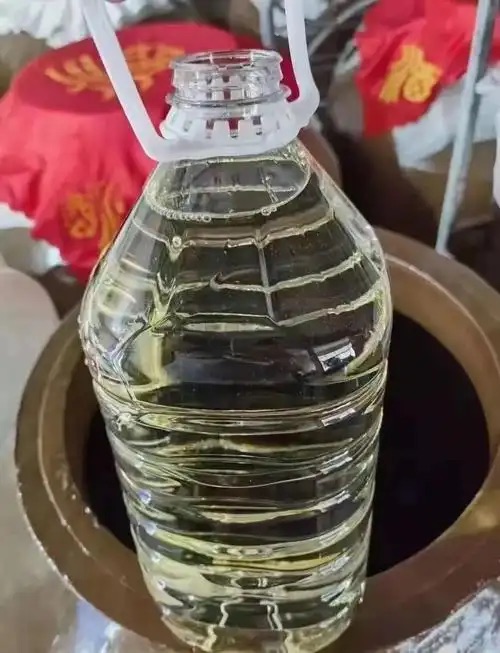
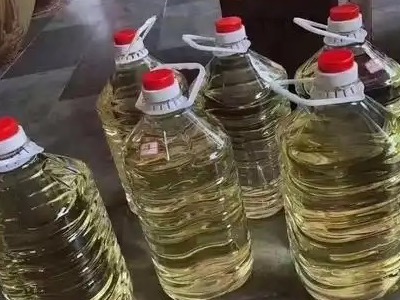
As a central producer of chinese sauce and white wine, mao tai town, with its unique geographical environment, climatic conditions and micro-organisms, provides a natural advantage in the making of quality sauce. This regional branding influence can be shared by the join-up bar and can make market promotion more difficult. The product quality assurance project uses traditional brewing processes that strictly control the selection of raw materials, the fermentation cycle and the time of storage to ensure that the alcohol is thick and aromatic. Some brands offer multi-stage products (e. G. 45-65 degrees) to meet diversified consumption needs. Cost and profit-space-drink forms reduce the costs of packaging and marketing, with higher product prices and relatively larger profit margins. For example, the price of part of a barrel of bulk wine (5,000 ml) is $12-15 pb, and profits can be increased through sales on a small scale。Ii. Investment costs
The base investment range ranges from $80,000 to $500,000, depending on the size of the brand, membership model and shop. For example, small shops, with investments of about $80-300,000, are suitable for entrepreneurs with limited budgets. Medium-sized shops: investments of about $0. 3-0. 5 million cover a wider market area. Cost components include union fees, bonds, initial purchase payments, shop improvements, equipment acquisition and operating funds. For example: union fee: us$ 40-100,000 bond: us$ 20-30,000 for renovation and equipment: us$ 30,000-100,000 for führer's shipment: us$ 50-20,000Iii. Communication for support
All-round training provides brand concepts, shop management, marketing promotion and hands-on training to help joiners quickly acquire operational skills. Operational support site selection guidance: to assist in assessing the location of shops and ensure human flows and market potential. Refurbishment design: provides a uniform-style renovation programme to enhance brand image. Marketing promotion: increase brand influence through media advertising, campaign planning, etc. Regional protection is based on the imposition of intraregional quotas, avoiding virulent competition and safeguarding the interests of allies。Market prospects
Consumer demand increases as consumers focus on healthy drinking, and market demand continues to grow because of its “empty cups and cozyness”. The policy and industry supported the town of mao tai as a major town in the white wine industry, and the government continued to promote industrial upgrading to provide a sound policy environment for the allies. In addition to traditional market sales, diversified distribution channels can also expand the reach of customers through community groups, online platforms, etc。