Number of places reserved: intent candidates can book the number of places in the specialty agency via online messages, qqq exchanges, telephones, faxes, etc。
2. Field visits: allied members are required to visit the wine headquarters in the second floor, to interact face-to-face with headquarters staff and to gain insight into products, brand culture, membership policy, etc。
3. Submission of applications: the staff member will submit an application for membership based on the affiliation of the member(s) by completing the application form of the agent's intent and the agent's assessment form。
4. Qualifications: the ikes headquarters will examine and review the agent's application, assess the investor's financial capacity, capacity, business reputation, etc., and confirm the investor's eligibility for cooperation。
5. Contracts are concluded: after the approval of the audit, the parties review the concession cooperation agreement, specifying the modalities of cooperation, rights and obligations of the parties and the associated fees to be paid by the affiliated parties, and then formally conclude the contract。
6. Shop fit-out: the liquor headquarters in the second floor will guide the participants in the design and renovation of the shop to ensure that it meets brand requirements。
7. Preparation for the opening of a shop: headquarters will assist the members of the association in the recruitment and training of shop-based personnel, while the members of the association are required to complete their pre-construction work in the areas of equipment procurement and licensing。
Goods distribution: headquarters uses its own logistics system to deliver materials and products to allies and to ensure adequate supply of goods when operating。
9. Test openings: a test opening when personnel are in place, during which shop operations can be calibrated and optimized to identify and resolve possible problems in a timely manner。
Official opening: when everything is ready for formal opening, the headquarters will follow the business dynamics of the members and provide support and guidance accordingly。
After-sale services: follow-up guidance is provided regularly by the headquarters following the opening of the association, providing support for product upgrading, marketing planning, operations management, etc., and helping the association to resolve problems encountered in the course of its operations。
I. Brand background and history
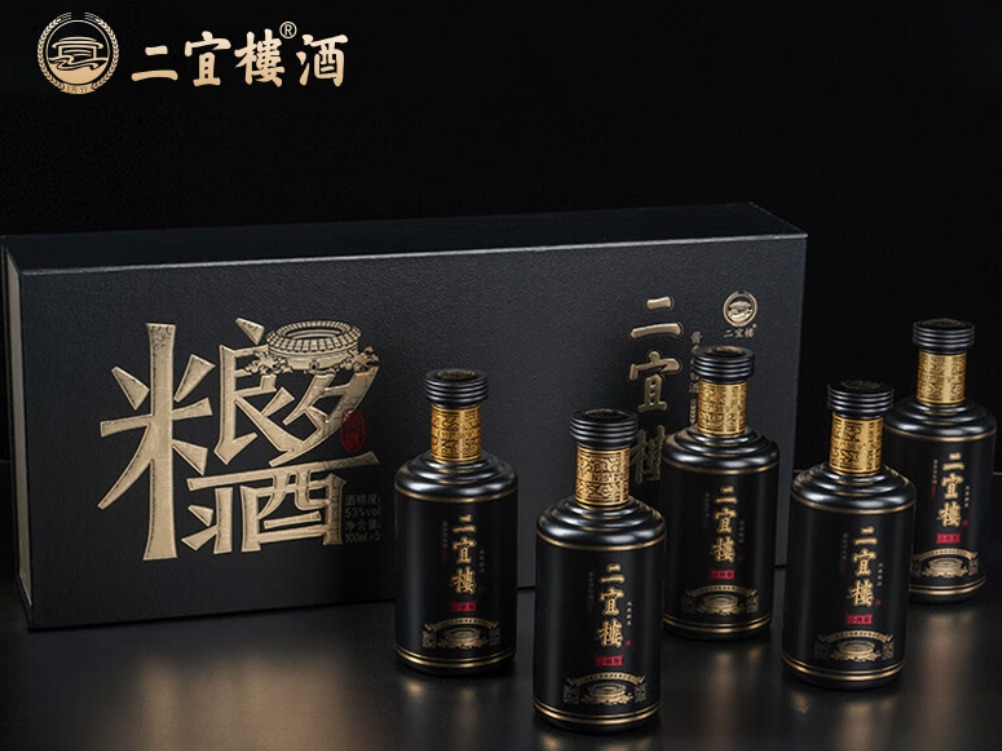
Brand origin: the history of white wine in the 2nd floor can be traced back to tang dynasty, where the brewing technique originated from chen qing family. Chen qing was awarded the title of general deutsche for her combat work, and her mother wei qing was given the privilege of entering the palace to study the royal brewing technique and to make the chen family wine on one side. During the year of tang dynasty, chen's son, chen yuan guangjin, passed on his wine skills to fujian and from generation to generation. A thousand years later, chen's son founded fujian yonggen brewery ltd., to revive yongjin, to create the second house brand, to integrate tradition and modernity, and to continue with the new fukuyan white wine chapter。
Brand naming: in 2012, it was officially approved as a brand trademark for antiquities. Ichigo's image of ichioka as a brewer and ichigo as a guest reflects a deep cultural background。
Ii. Brewery environment and processes
Brewery environment: fujian yonggen brewery co. Ltd. Is located in huaan county, wuzhou, fujian province, at 25°7'38'n latitudes for gold brewing at 415 m above sea level, which corresponds to the height of mao tai. It lies in the kowloon mountains, where the second largest river in fujian province, the north creek of the kowloon river, has enjoyed excellent weather, soil and sea-level conditions, which provide unique conditions for the survival of good yeast and the manufacture of white wine。
Brethry process: raw selection: selection of five grains of sorghum, rice, rice, wheat and maize as feedstock, fermentation using real five-food solids to ensure the quality and taste of alcohol. Brethren: the legacy of the ancient firm-state brewing process, including the evaporation and salinization processes. These traditional processes ensure that every drop of wine in the second floor contains a rich sense of fragrance and taste. The cellars and microbes: 262 of them are strong, soyy, and the microbes in the old cellars help to reconcile the scent, balance the wine, and catalyse the smell of the wind, so that the white wine in the second floor is unique in its smell。
Iii. Product characteristics and quality
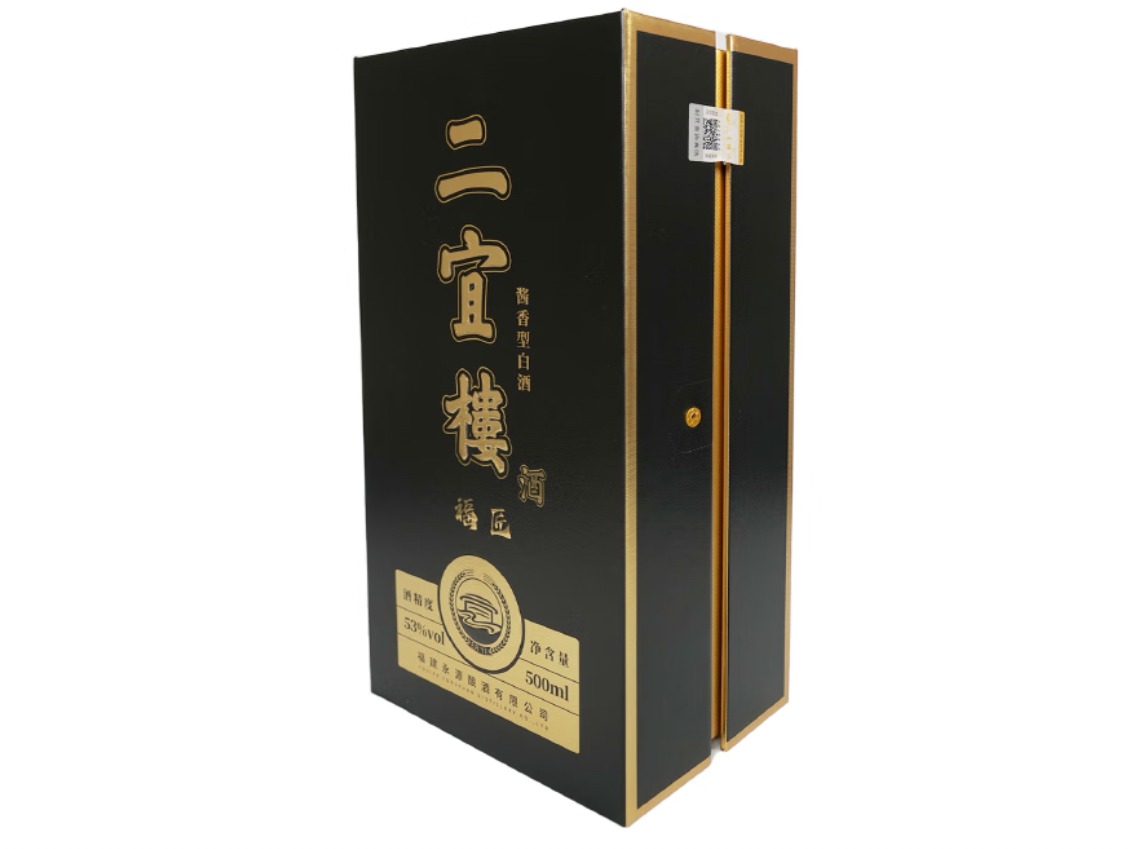
Product characteristics: fragrance and fragrance: dinosaurs and fine and smooth. The fragrances, the fragrances, the fragrances, the harmony of the fragrances and the abundance of the fragrances. Taste: there's plenty of wine in the back of the entrance, it's beautiful, it's beautiful, it's comfy, it's so long, it's so sweet。
Quality assurance: adheres to the concept of "real food, real cellars, real slurry" and focuses on the brewing and development of a series of fragrances and sauce. As a representative of fujian white wine, ikei is one of the standard-setters of the fujian corset and its quality is widely recognized。
Market performance and honour
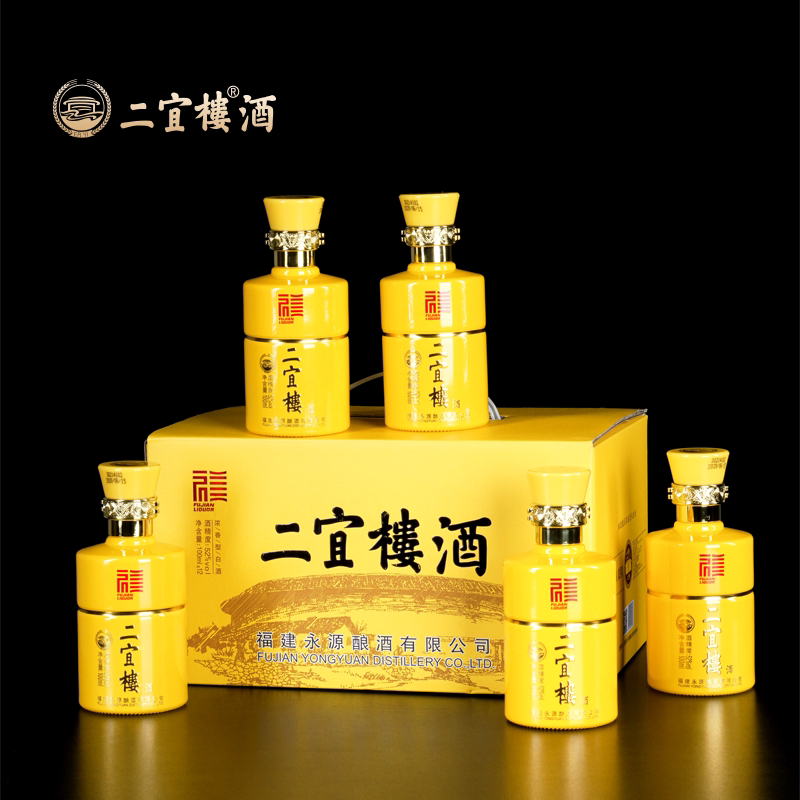
Market performance: white wine from the 2nd floor is available at various occasions, whether wedding receptions, new stays or round-ups. It is designed to be elegant and suitable for both daily drinking and gift delivery. In recent years, alcohol from the second floor has been actively marketed, products have been sold throughout the country and have won wide-ranging consumer approval。
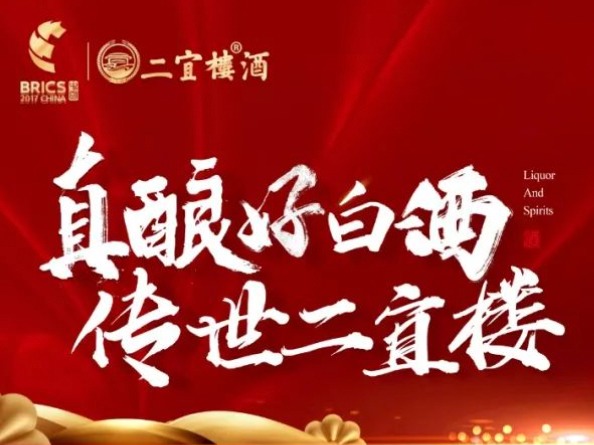
Honours: in 2017, the wine from the 2nd floor became a meeting of brics leaders, demonstrating its outstanding quality and branding influence. In 2020, the second-floor wine won a total of four gold and five silver medals at the brussels international liquor competition, further raising its international visibility。
V. Entrepreneurship culture and future development
Business culture: liquor in the second floor has always served the spirit of craftsmen and is dedicated to the transmission and development of china's traditional white wine culture. As chen tsuk-chul, managing director of the enterprise, said: "enterprise development must also be aligned with the world cultural heritage, with the hope that white wine brewing, like the construction of the huai an ii building, will continue to develop the spirit and traditional skills of craftsmen and generations."
Future development: second-rise wine will continue to be ecologically constructed, product quality improved, branding strengthened and domestic and external markets expanded. At the same time, enterprises will be actively involved in rural renewal and the integrated development of cultural brigades, combining traditional industries with tourist tourism, creating modern tourist factories that combine catering, services, accommodation, recreation and recreation, and providing consumers with more diverse experiences。
In summary, the second house white wine project emerged from the white wine market as one of the representatives of fujian white wine, based on its deep historical cultural background, unique brewing techniques and excellent product quality. In the future, as businesses continue to develop and markets continue to expand, white wine in the second floor is expected to win more consumer approval and approval。