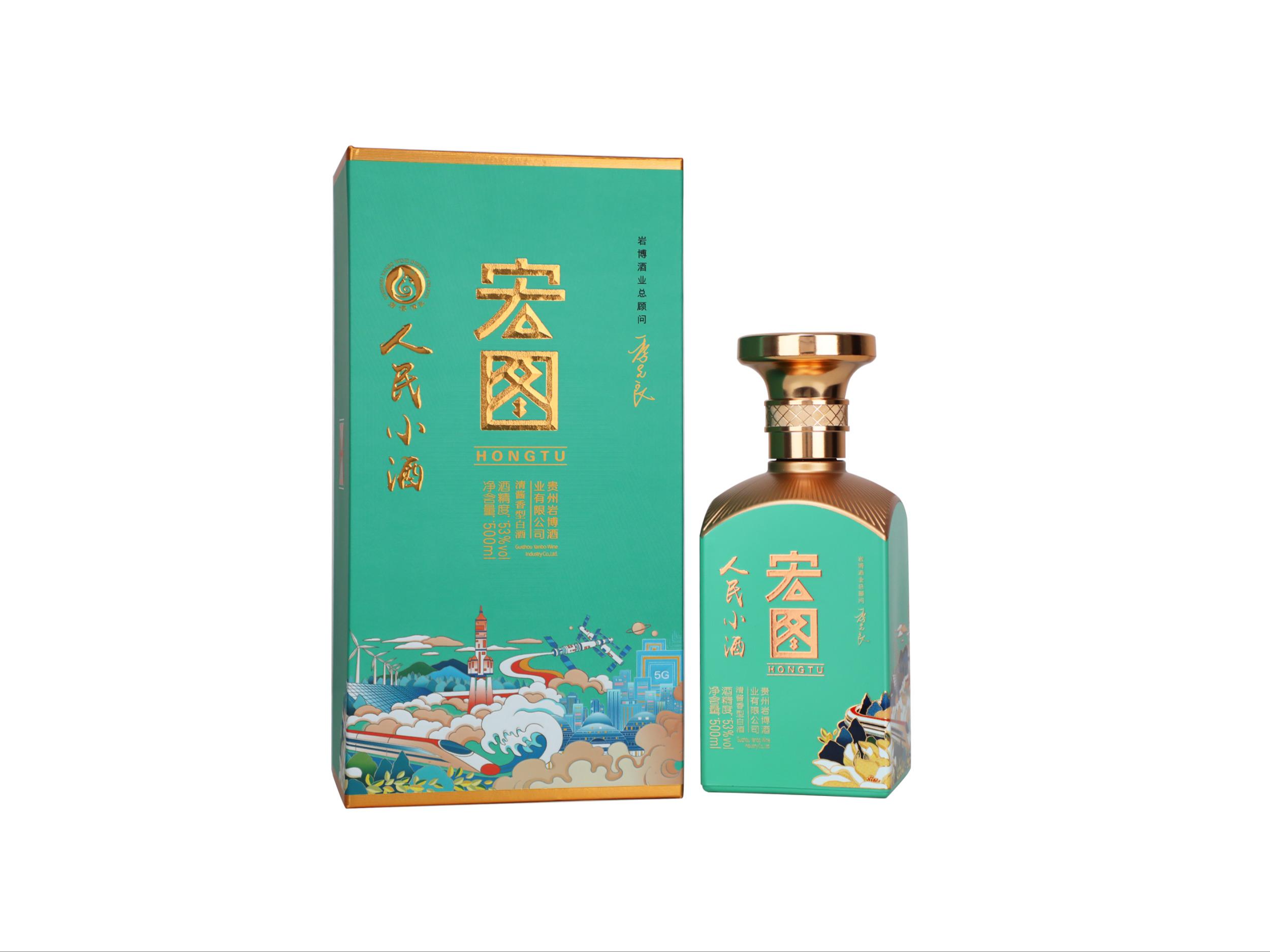
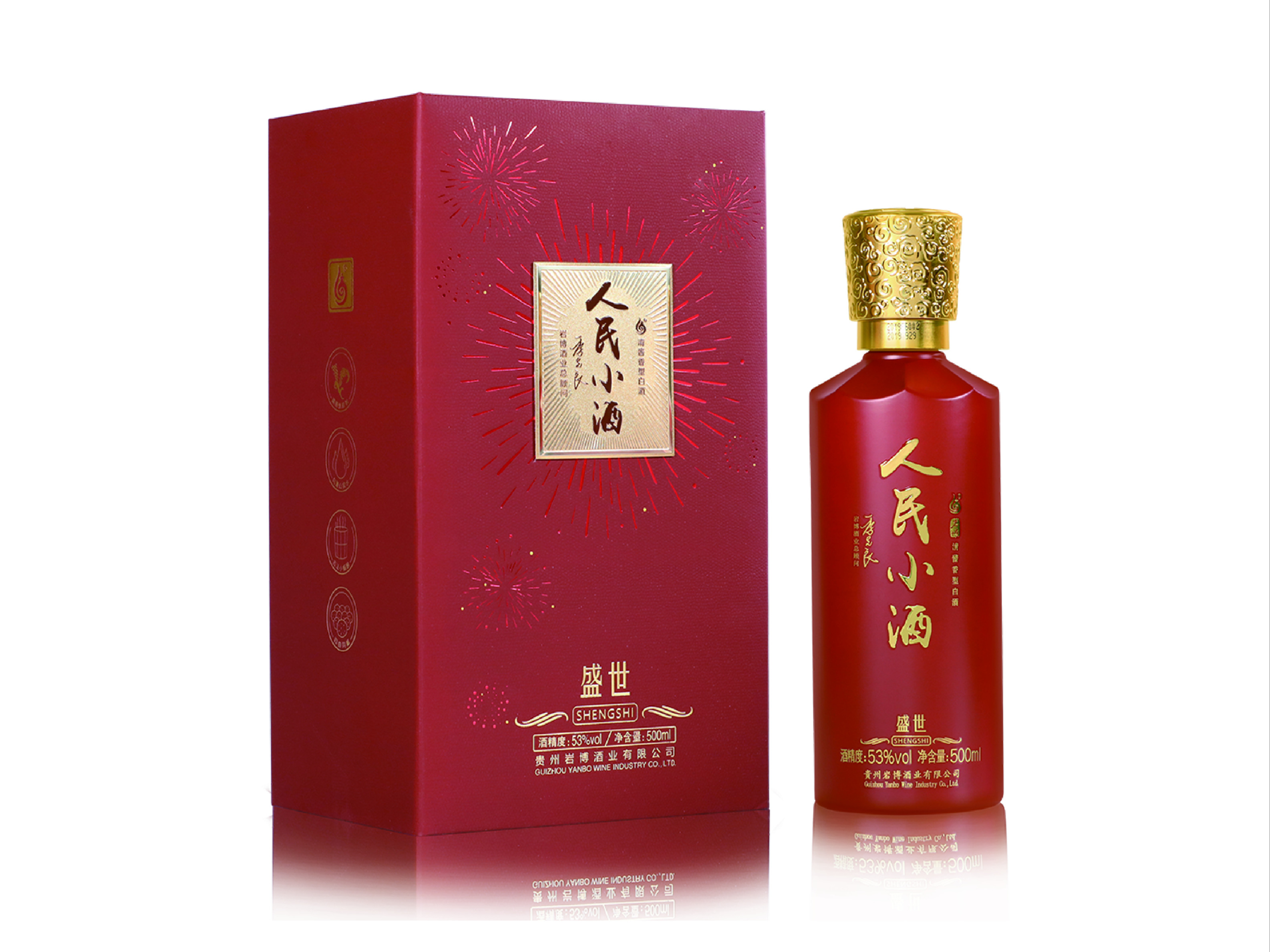
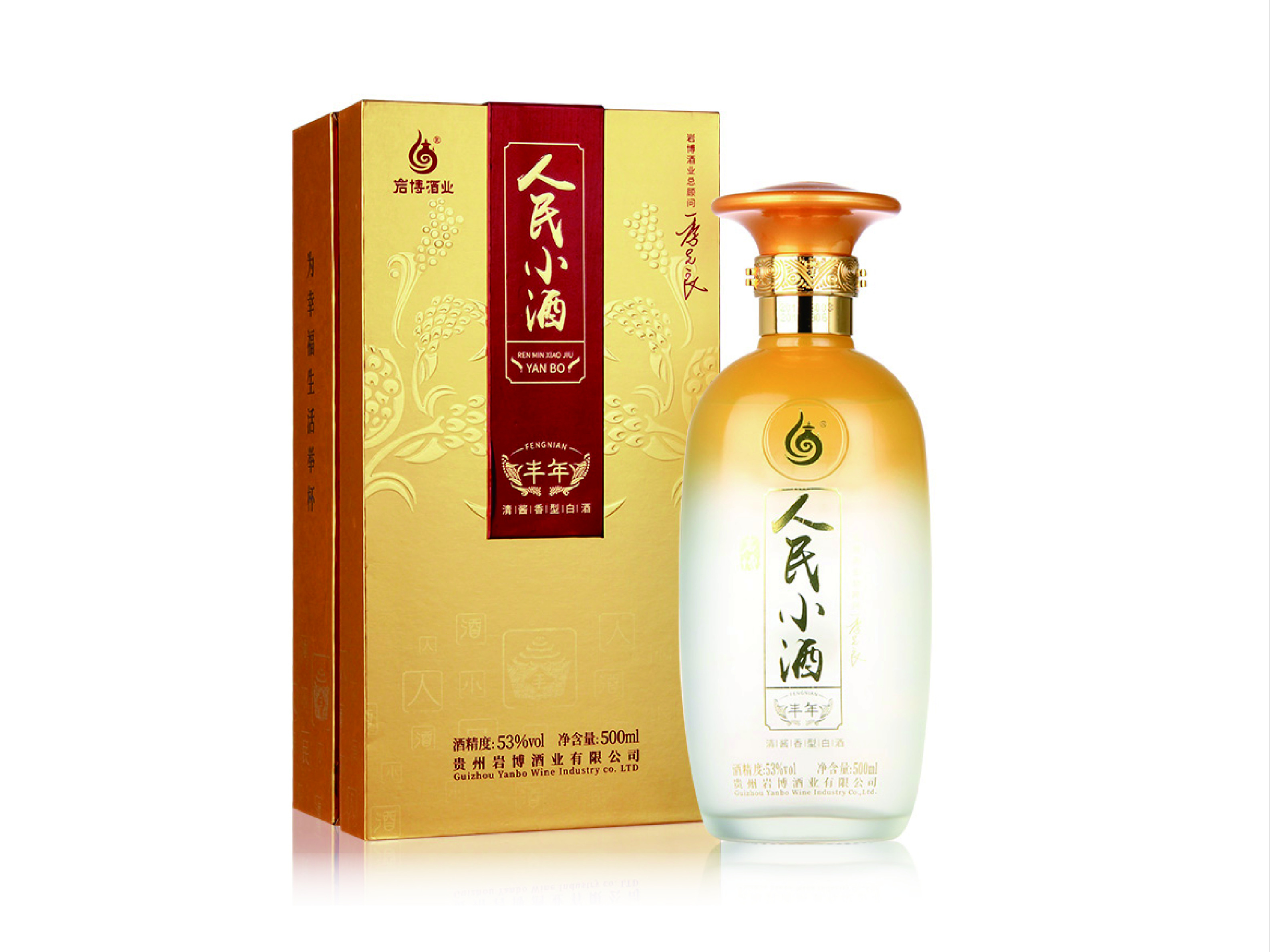
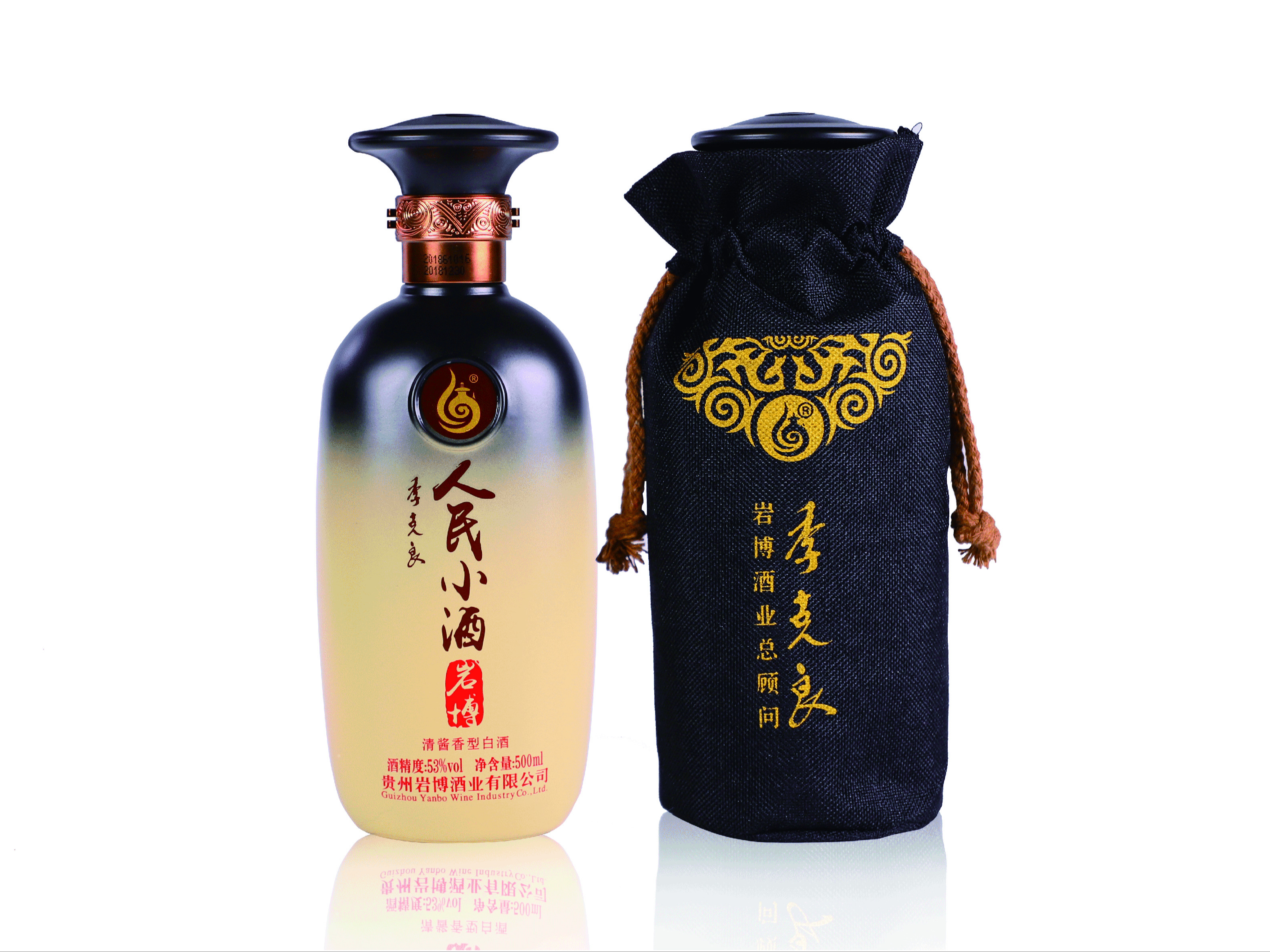
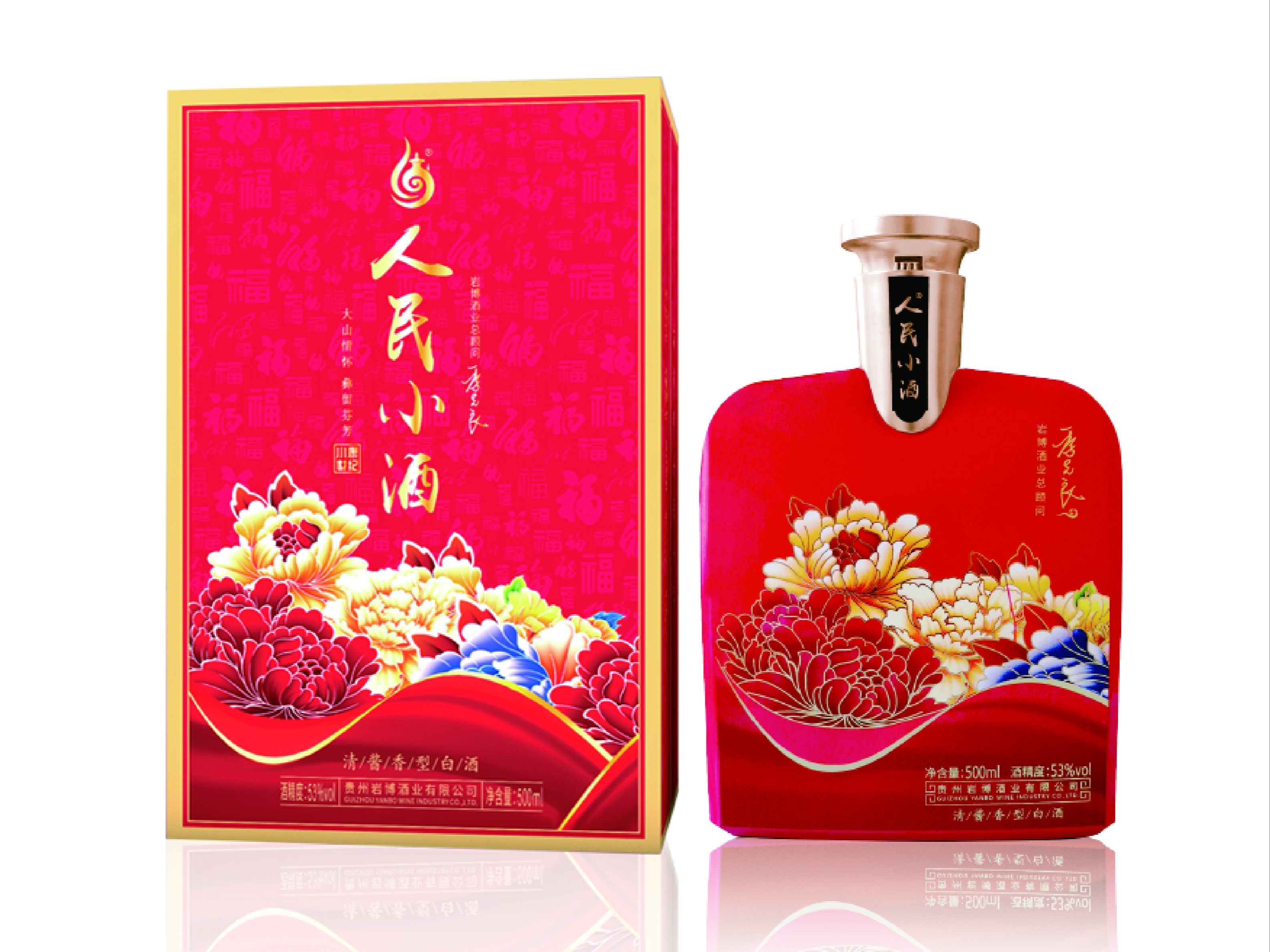
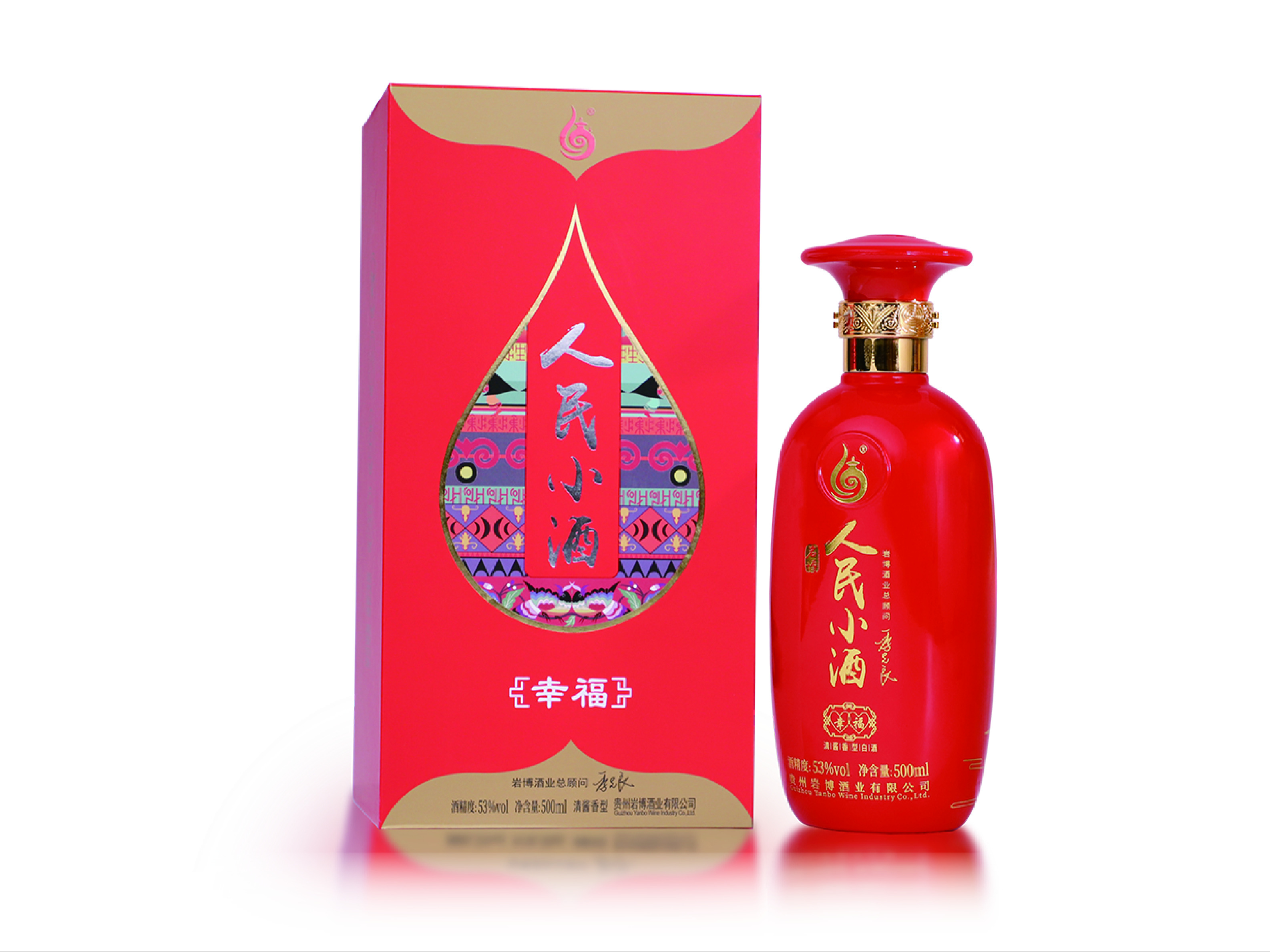
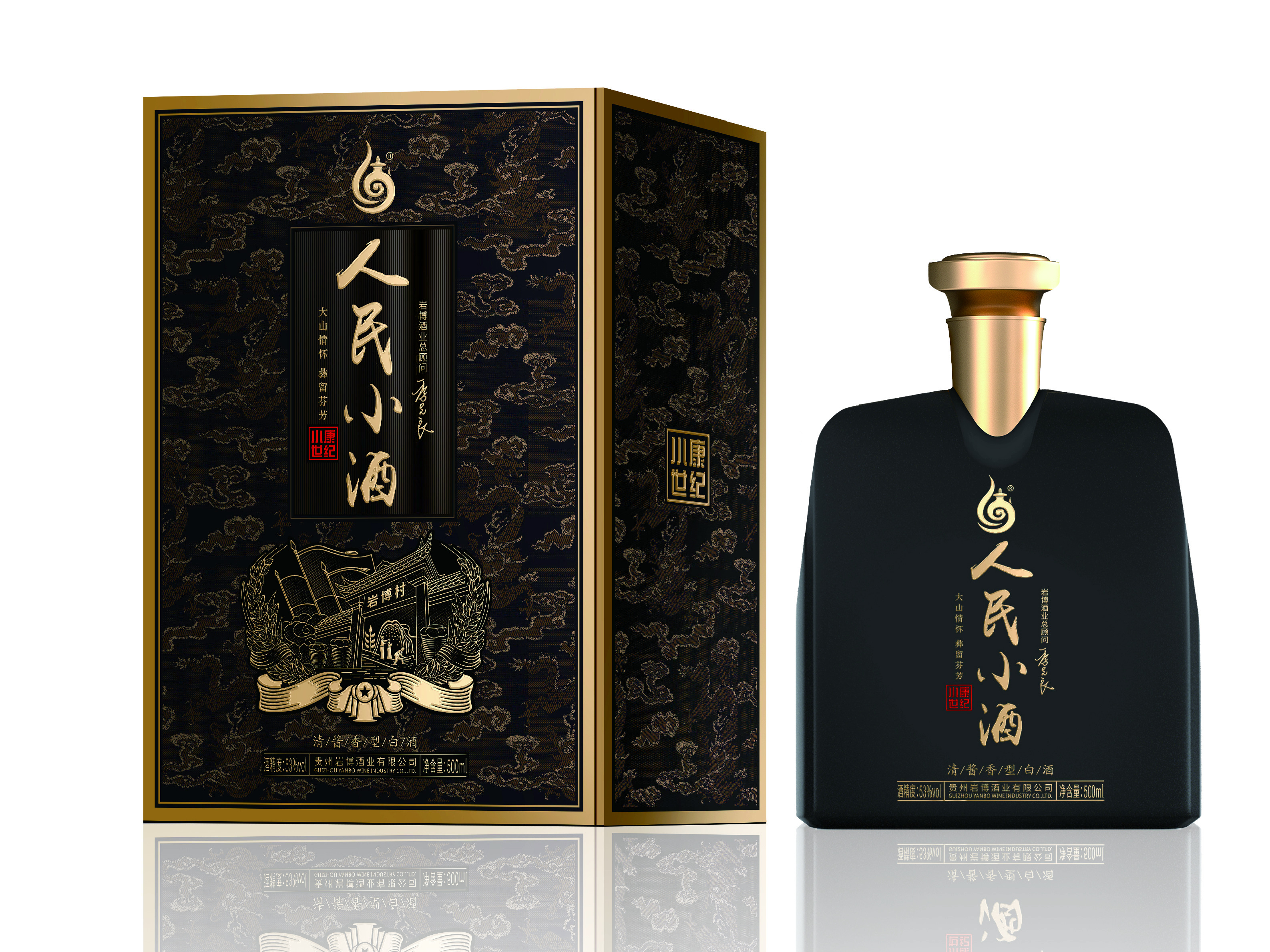
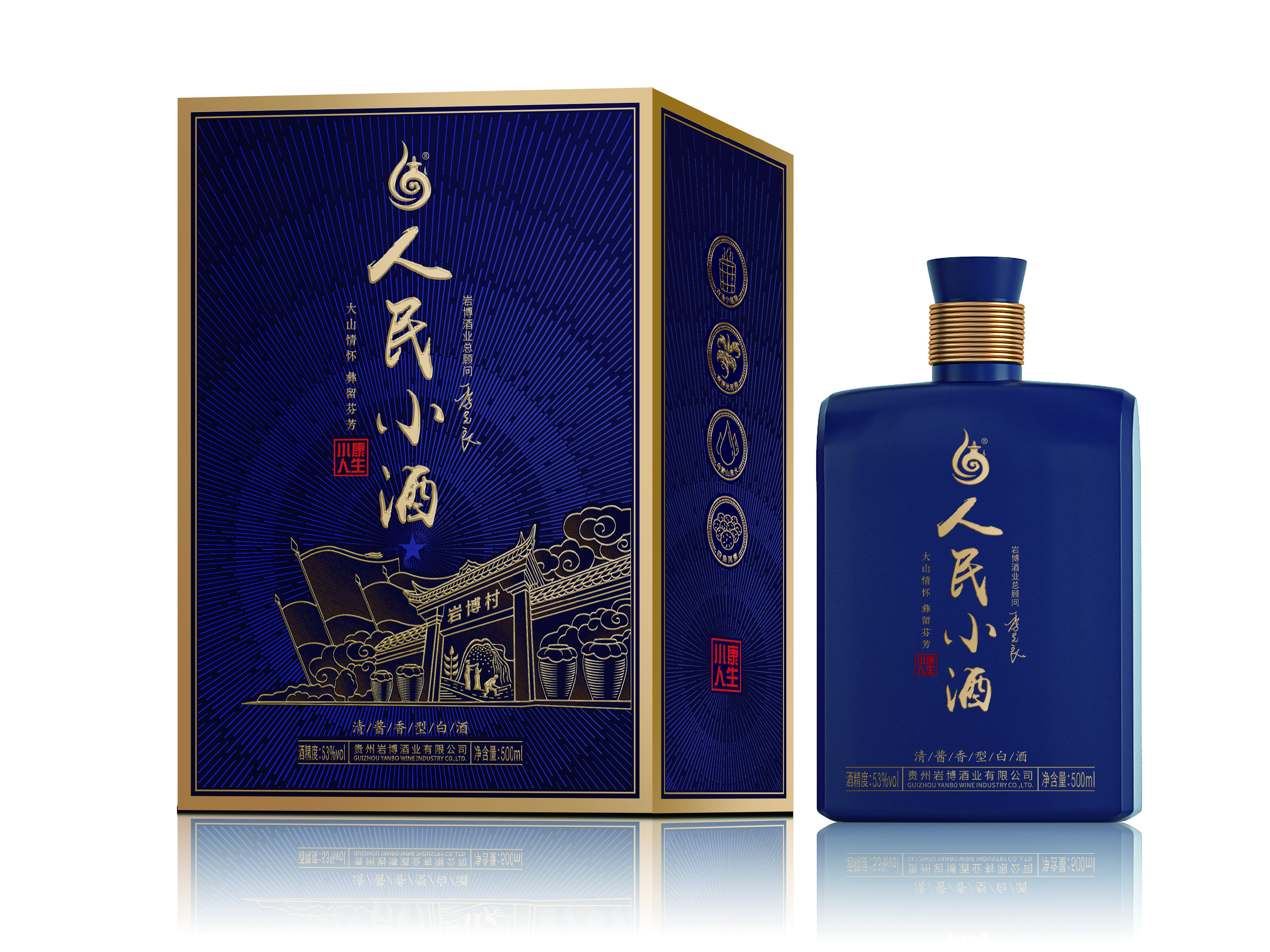
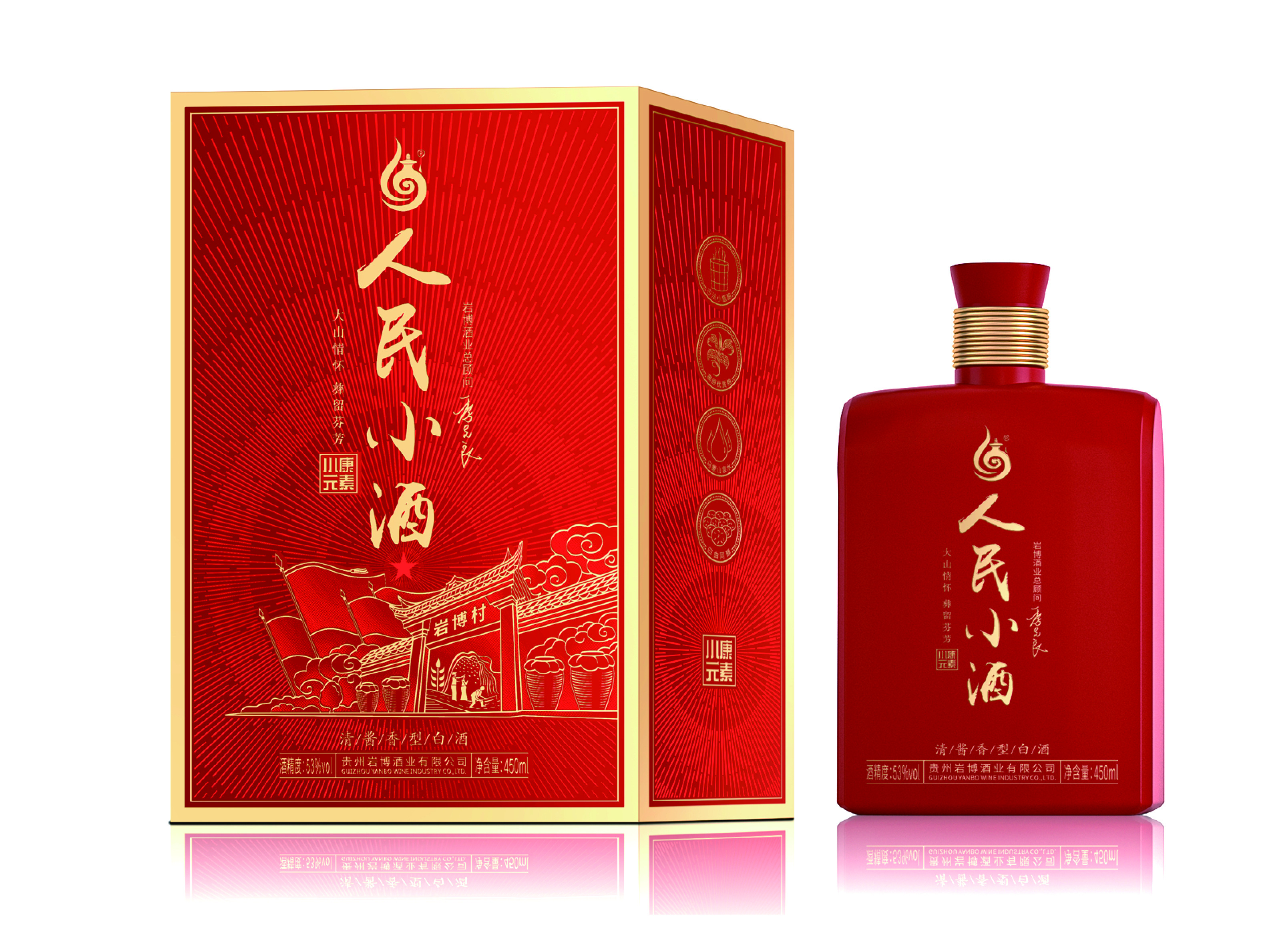
The fragrance of salsa has been passed over over over the 600-year intangible cultural heritage process of the quiz, through 19 processes, over 160 processes, small distillation of succubus, natural cooling and cooling of the water cycle in the springs of tianshan, sugarishing of wooden boxes, four enzymes (combining four wines of high temperature, medium temperature, smallness and thorium), piles of high temperature pelicans, sealed fermentation of pure grain pottery (cavages), and the fine manufacture of unique salsa-bo-people's wine. The iwabo wine industry combines the unique traditional brewing techniques transmitted from generation to generation with the results of modern technology. It brings together finely the small-coloured fragrance process and the high-temperature, high-temperature sauce-type process, four fermentation, distilled wine, long-term storage, fine-tune, and has created a series of more than 10 products such as iwabo's "magic little pot" and "people's wine"。
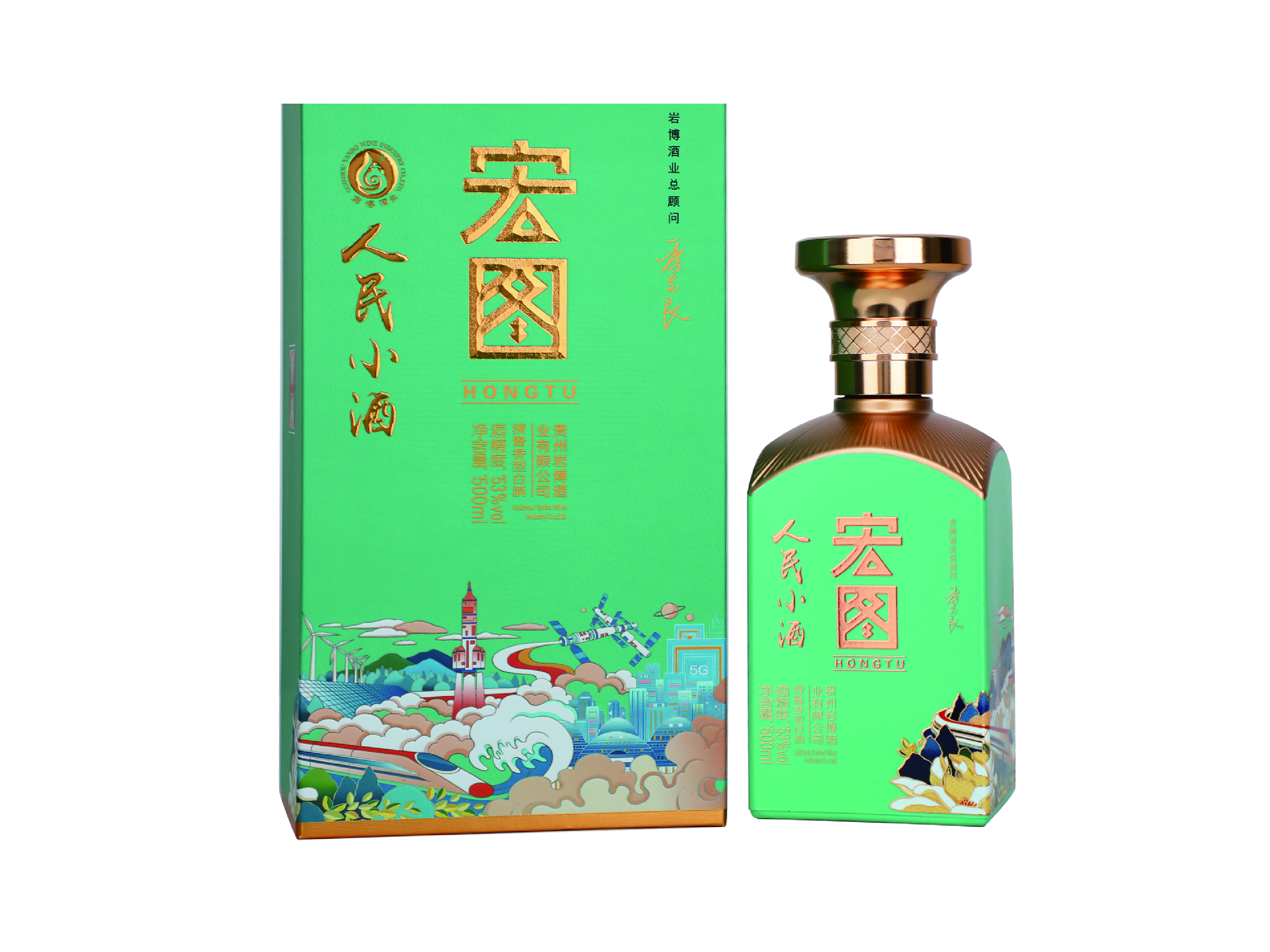
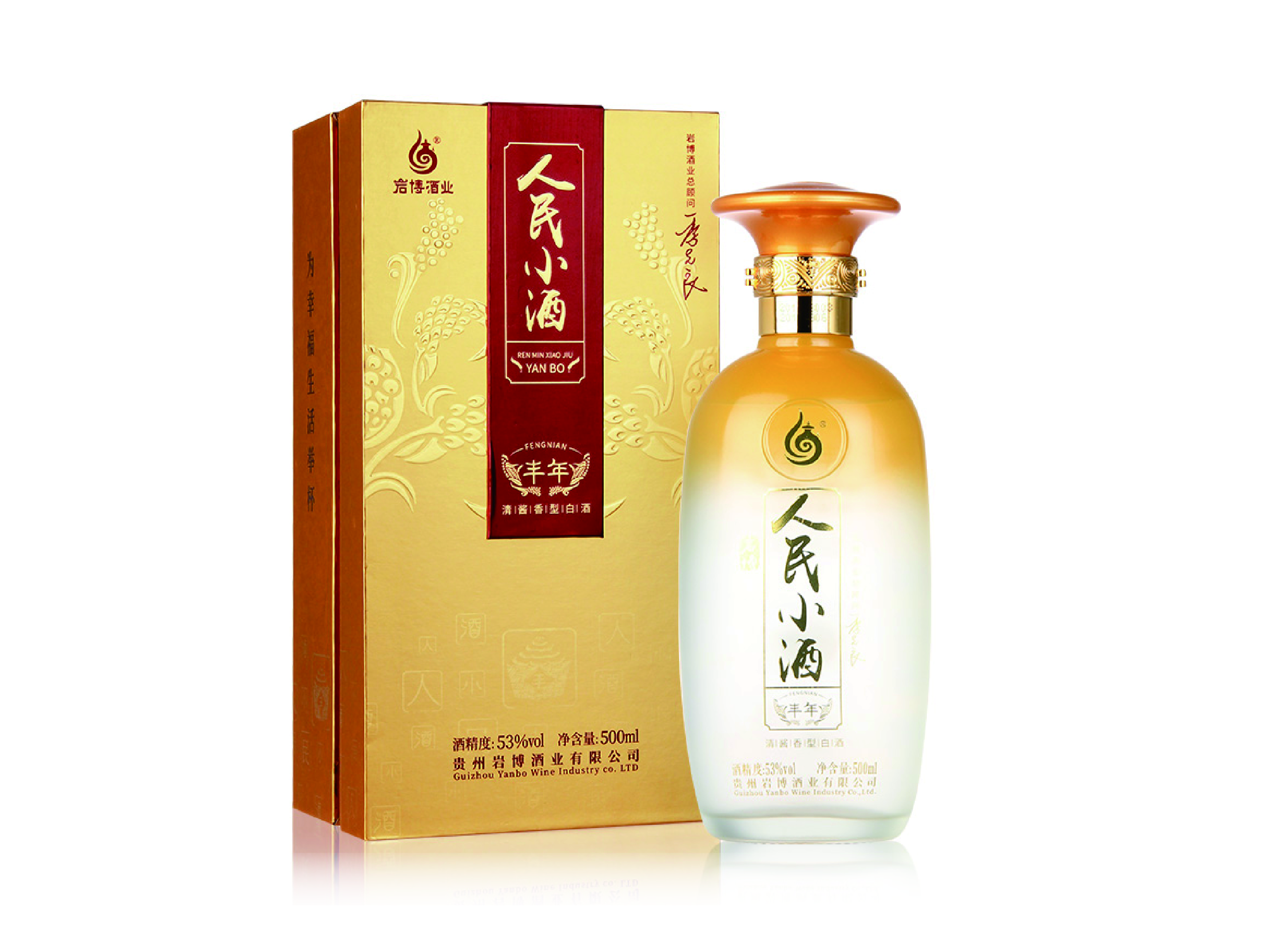
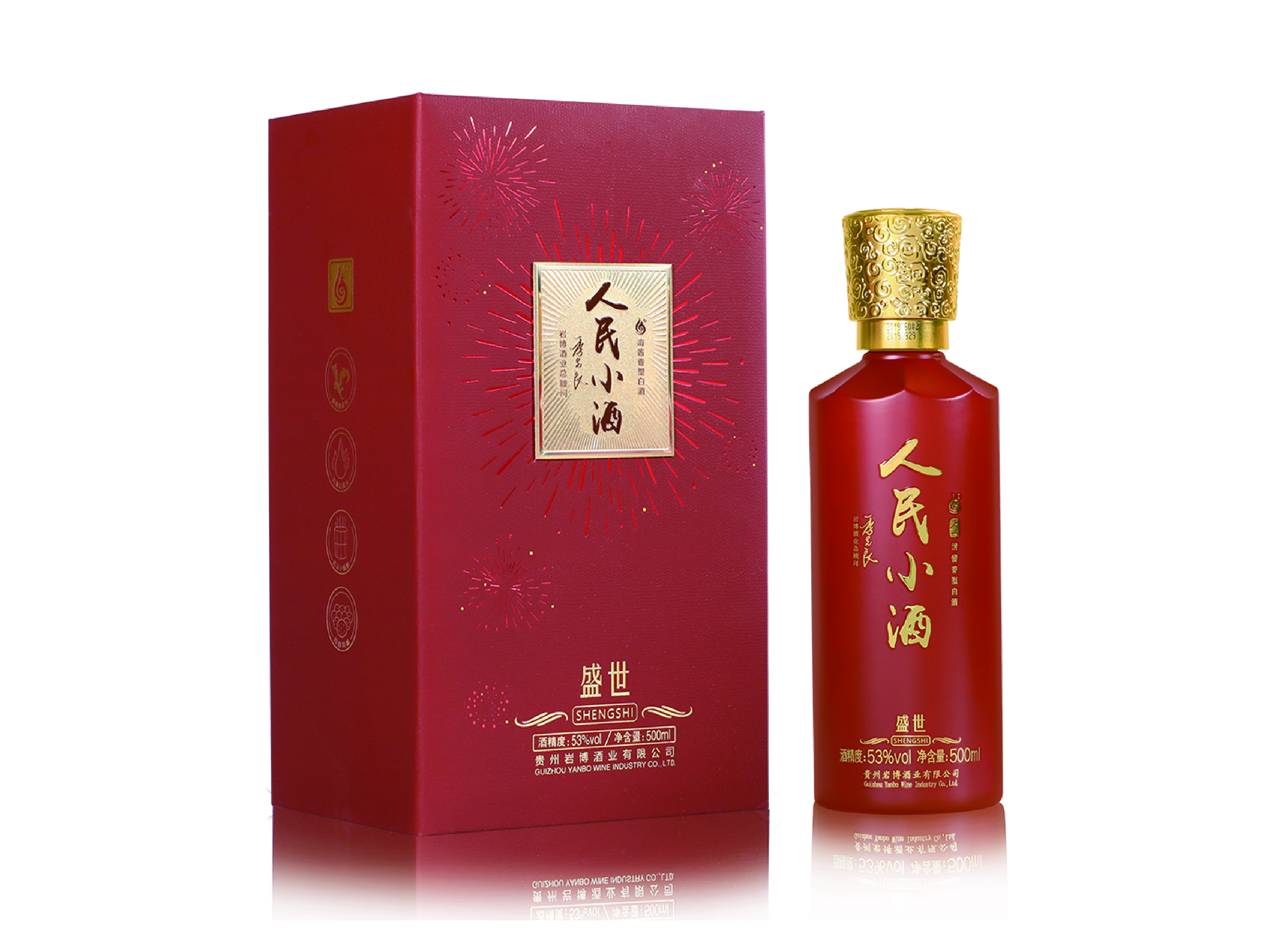
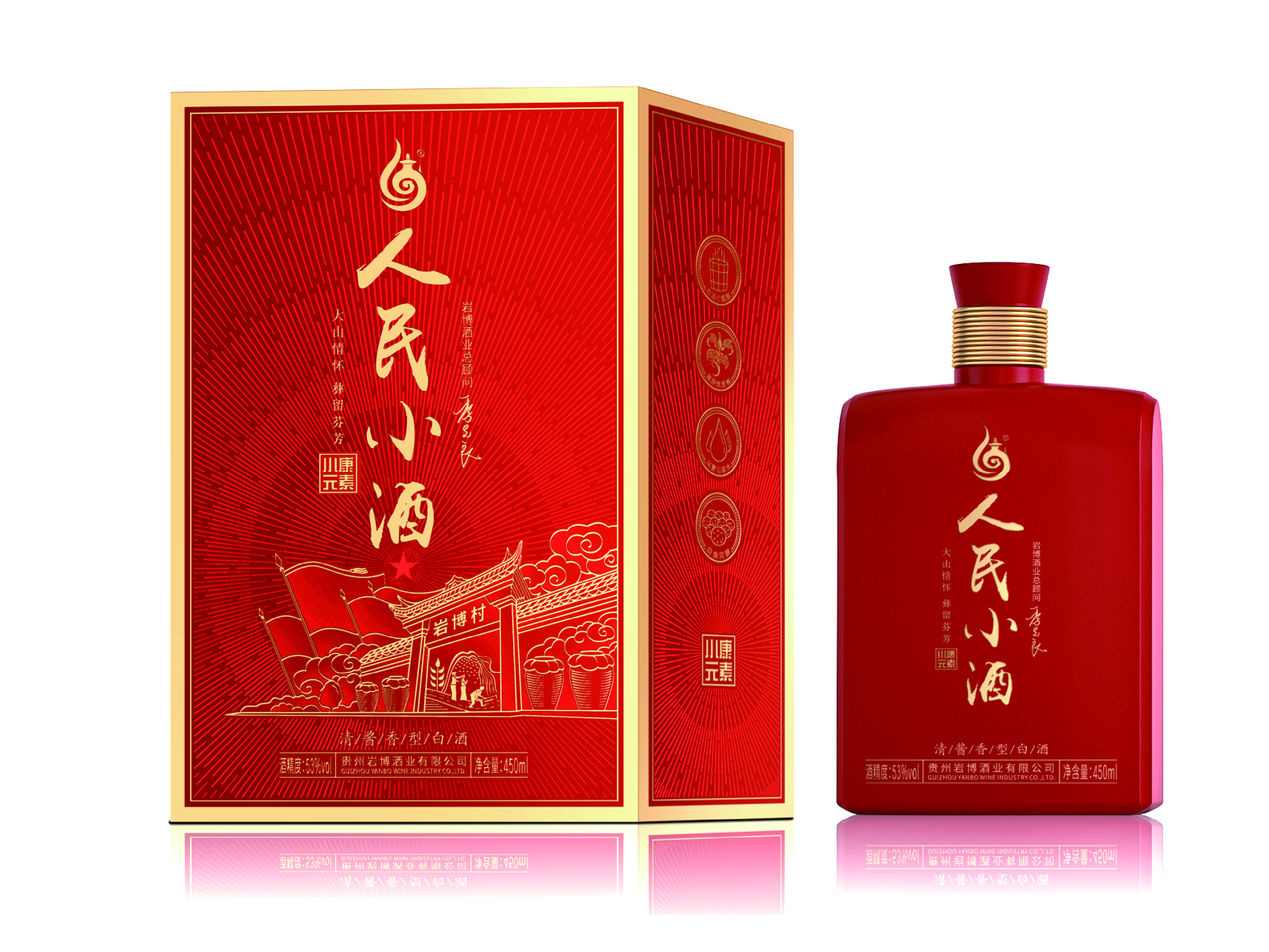
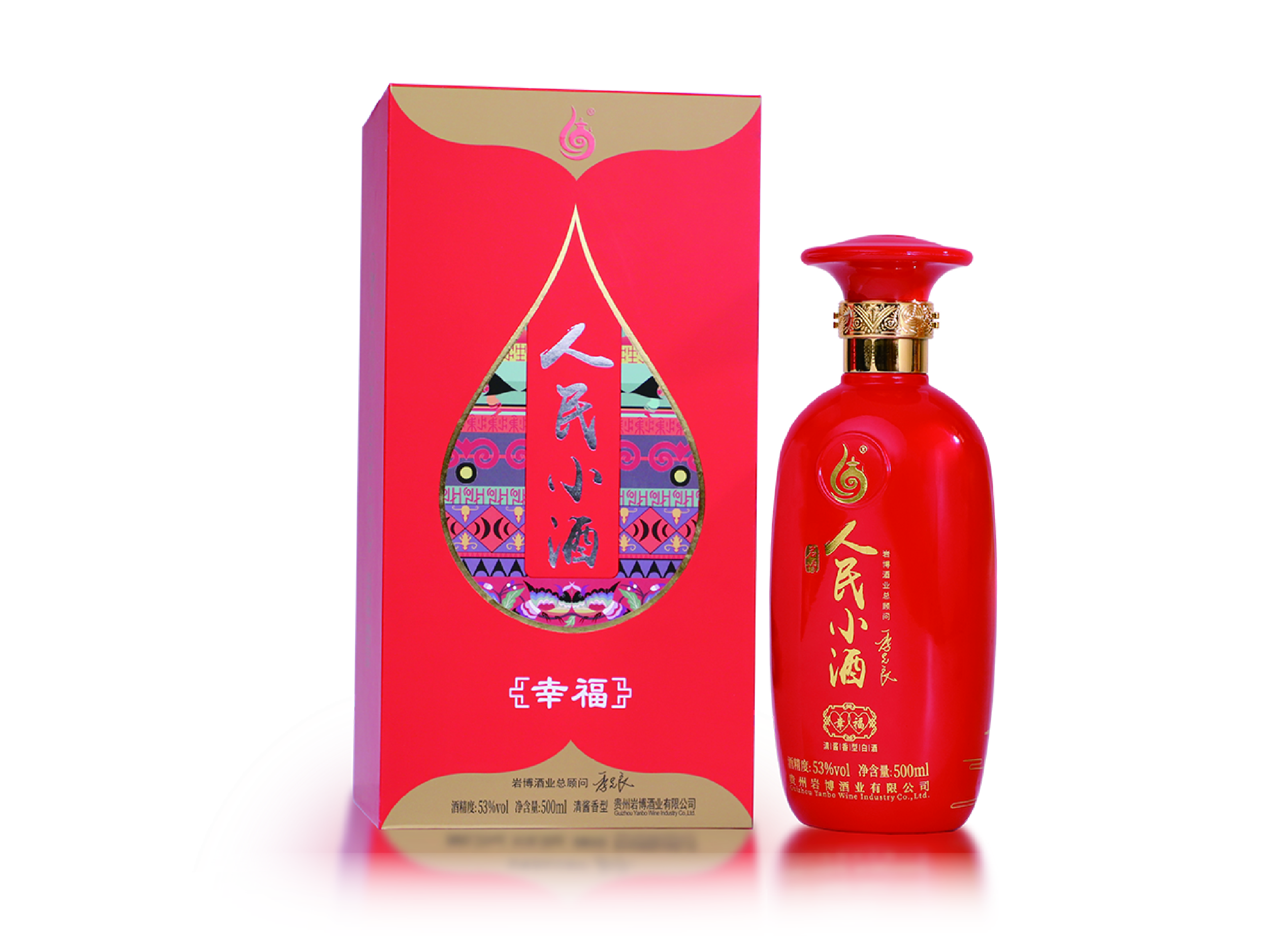
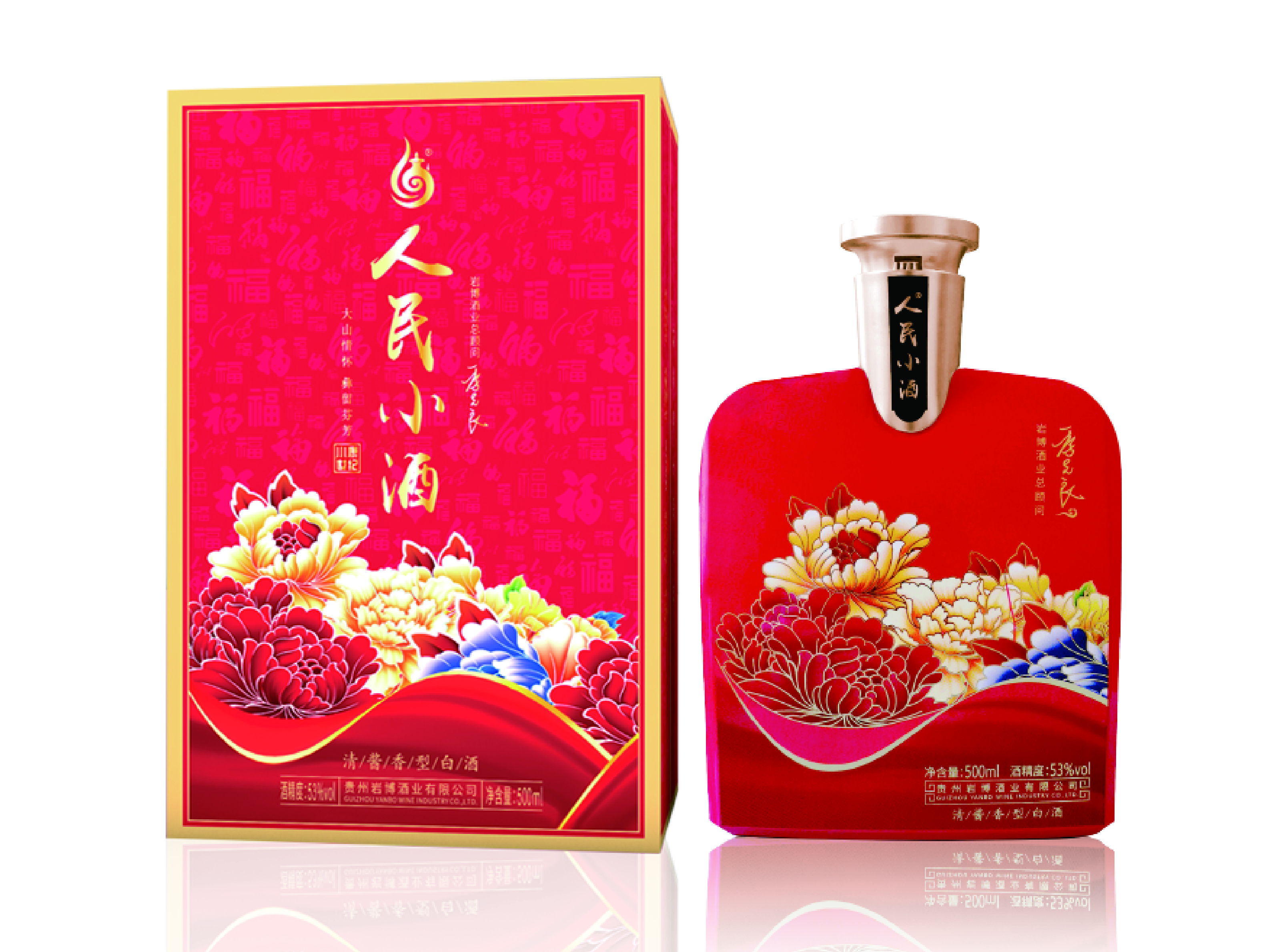
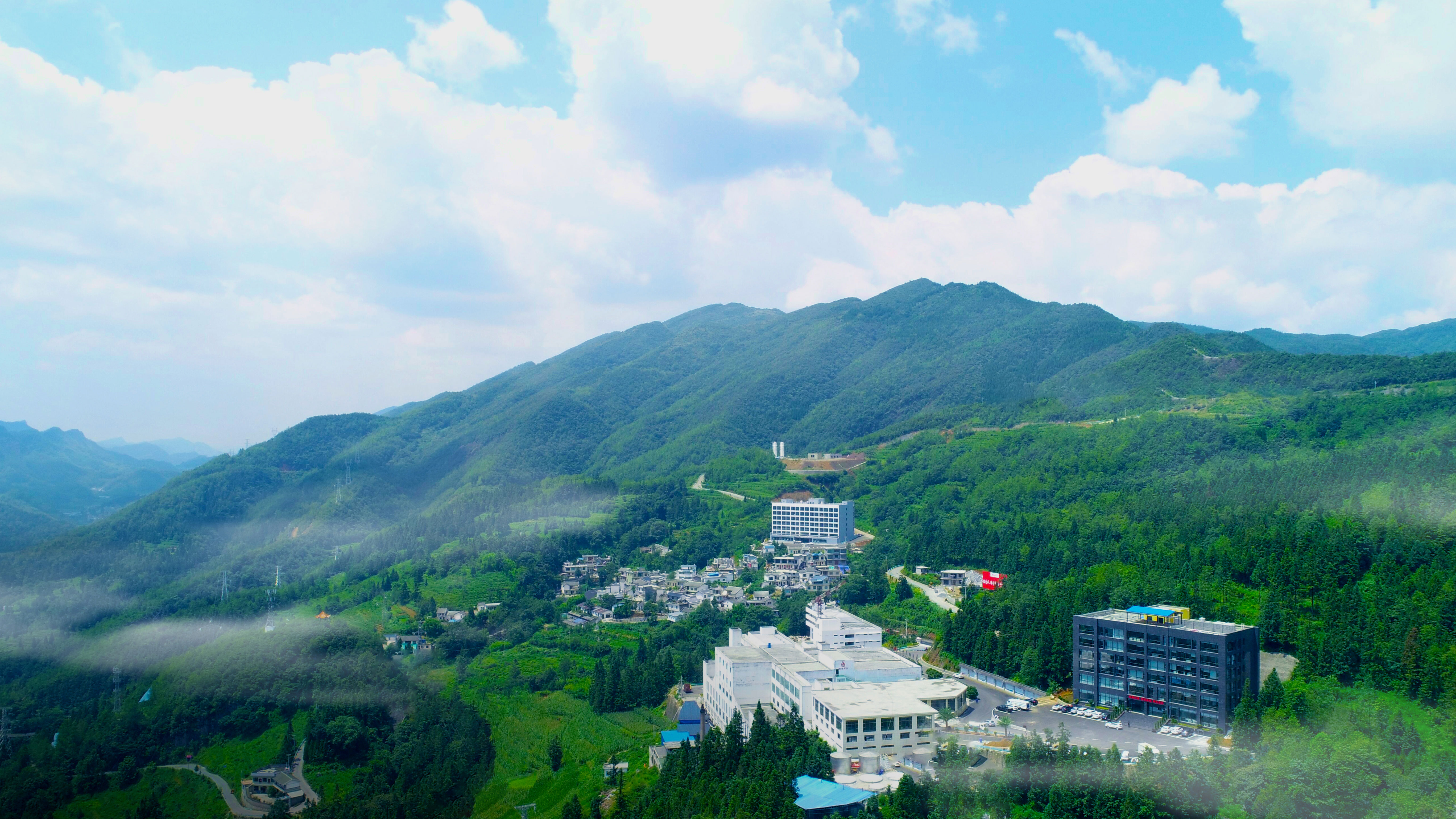
Guizhou iwabo wine industry ltd. (hereinafter referred to as the iwabo wine industry) is located in the muddy village of tuzhou city, guizhou province, a place full of mystery and miracles. The iwabo wine industry is a wine-making enterprise with more than 20 years of production experience. After more than 10 years of hard work and hard work, the company, formerly iwabo's small pot and wine factory, has evolved from a small business to a new white enterprise that combines ecological, ethnic, cultural, patrimony, technological, emotional and other elements。
The company plans to cover more than 600 acres, currently employing more than 850 employees, producing 10,000 tons of alcohol per year and having over 300 first-class distributors in all provinces and municipalities of the country (except hong kong and australia). As the market continues to expand, the company is embarking on the completion of the second phase of the capacity expansion project during the 14th and 5th period, with an annual capacity of more than 15,000 tons, a stock of almost 100,000 tons of old wine, and the further refinement of the associated facilities, which will lead to the creation of a medium-sized, estate-based enterprise with more than 1,000 acres of land, generating more than 2,000 jobs, and bringing together production, study and development。