1. Eligibility
Through the application form, the applicant's work experience, business experience, financial position, etc. Are investigated, analysed, assessed as to whether the applicant meets the criteria for membership, scientific positioning, analysis and understanding of the market performance of the area under investigation。
2. Interviews between the parties
After a comprehensive assessment of the applicant's conditions and qualifications in all areas, and music education, applicants are invited to the headquarters to learn about the culture and products of the enterprise and to interview the relevant details。
3. Conclusion of association agreements
A letter of association establishing cooperation between the two parties shall be concluded by mutual agreement。
4. Renovation, training
• identification of a shop renovation programme and systematic training of practitioners。
5. Preparatory business
And music education offers selective media outreach programmes and promotional business programmes。
Official opening
It assists in the formal opening of the business and provides operational guidance, service tracking。

Through the exploration of early childhood music education objectives and teaching strategies, learning about the characteristics of young children's physical and mental development and the patterns of learning about music and the arts have helped to integrate contemporary educational concepts into music education practices, so that music education plays its essential role in the growth of young children。
And music education resonates with the true beauty and rich emotion inherent in art, and valuable, child-friendly art is a nutritional agent of the child's innocence and good heart, which plays an important role in the development of the perfect personality。
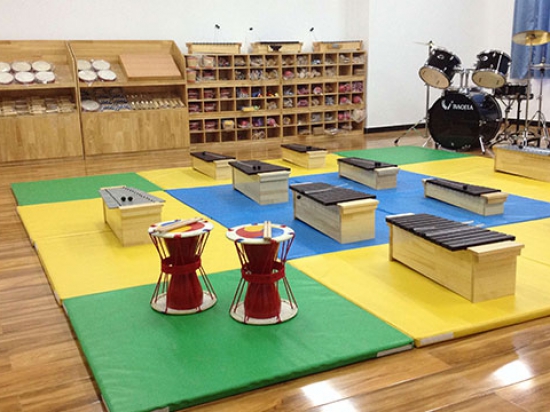
Teaching and music education requires the mobilization of multi-sensor participation, the provision of dynamic sensory incentives for young children, and the exploration of effective ways to engage in learning through experience. There is also a need to achieve real empowerment of young children in an unhurried process。
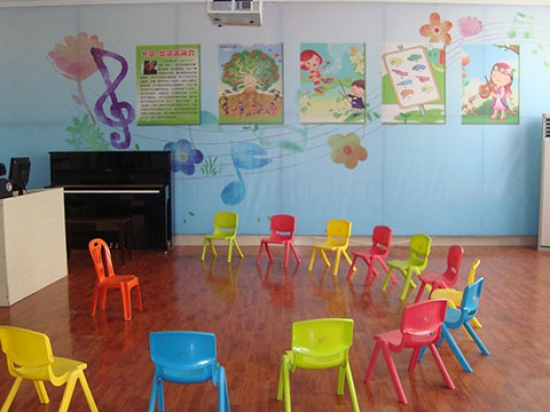
And music education provides young children with a free and inclusive learning environment, as well as a good order in which they gradually learn how to organize, organize, summarize and classify what happens next to them, and feel well and discipline well before they understand what music means by means of strict "orders" such as rhythms, rhythms, etc。
Rte is prepared to adapt to children's own behaviour, level of acceptance, ability to exercise, mode of communication and language skills, as well as music education programmes and arrangements for young children rather than subjective arrangements requiring young children to engage in teaching. There is a need for both pedagogical design and flexibility based on the mental state, emotions, etc. Of young children. The elasticity of music education and teaching skills are really important in early childhood arts education。