1. The state of health of the person and his family and the support of his family and relatives
2. The provision of legal identity cards in order to facilitate the establishment of genuine files at headquarters
3. Have some economic power and sufficient financial resources to start a business
4. Supermarket space at the mall or at the street entrance shall be assessed by the head office and qualified for operation
5. Prioritization of associations with industry-related experience
6. Having good social relations and handling of public relations
7. Knowledge of marketing channels, consumption levels and needs in intraregional markets
8. The membership has a certain managerial capacity to give the right direction from the top and lead its team to grow
Implementation of and compliance with the operational management systems of the union headquarters
10. Rational brand identity, loyalty to the brand, passion and enthusiasm in the industry
A rational investment mentality that allows an objective view of the relationship between investment and return
Good reputation and level of credit; conduct business in good faith, serve in a uniform image of the company and sell at a uniform price
13. Consciousness to provide quality services to customers and conscious maintenance of brand reputation
14. Stronger entrepreneurship and market extension
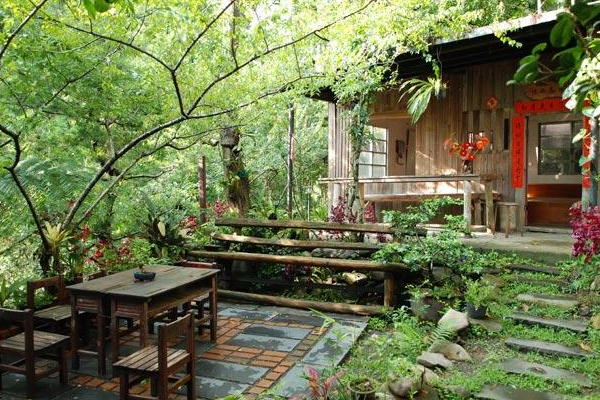
The green mango is a large and fast-growing specialty accommodation reservation platform for members of the hong kong central hotel group, a large chinese tourist group。
The sms, which focuses on specialty accommodations in sub-markets, is based on the products of eugenic hotels, cultural inn, youth hostels/youth hostels, apartments, residential accommodations. The products now cover more than 3,000 destinations in the country and abroad. More than 100,000 allied hotels, with 3 million specialty homes, have served more than 10 million members and are the preferred accommodation reservation platform for tourists. The green mango combines in its inn resources with a unique internet thinking, advocating for the personalization of hotel owners, the full exploitation of the business characteristics and bright spots of each inn, the transmission of the geographical culture of the accommodation and tourist destination from the accommodation environment, the experience of accommodation, the help of travelling, etc., to the resident clients, so that each resident can feel the unique charms and human feelings of travel and accommodation, and so that the experience of accommodation that is human, personal, local and distinctive is developed. The "upfront + net online" business model of the green mango, which attaches great importance to the creation and development of markets, is described as the excellent creation of the online tourism industry within a decade, with far advanced market counterparts in terms of operational efficiency and capacity to create. At the same time, a variety of professional management software and large data platforms are offered free of charge to hotels to help them improve their management capacity, product service standards and marketing. The introduction of the free-of-charge small- and medium-sized hotel pms system - a mango housekeeper - in the industry has been described as the penetration of the hotel o2o artery, which has significant potential in the industry value chain, with a unique market for special accommodation in china, with great prospects for development. The early days of residential business, mostly in the form of family by-products, and with the growing heat of residential housing, the business opportunities created by residential homes are too attractive, and have been defined as a family by-products business model, gradually changing into a home-based business model, and even more so, the choice of real estate smarts, neo-immigrants, etc., the food that comes into the residential business before us, the need for competitive management of quality, services and efficiency in the case of competitors, and the growing demand for influence, and the large, and thus the increasing influence of residential businesses, which have led to the gradual evolution of taiwan's residential businesses. According to the department of tourism of the ministry of transport, in 2003 there were only 124 legal residences in taiwan, whereas in 2007 the total number of registered legal residences in taiwan was 1,939, of which 1,886 were regular operators, with a total of 7,751 rooms。