


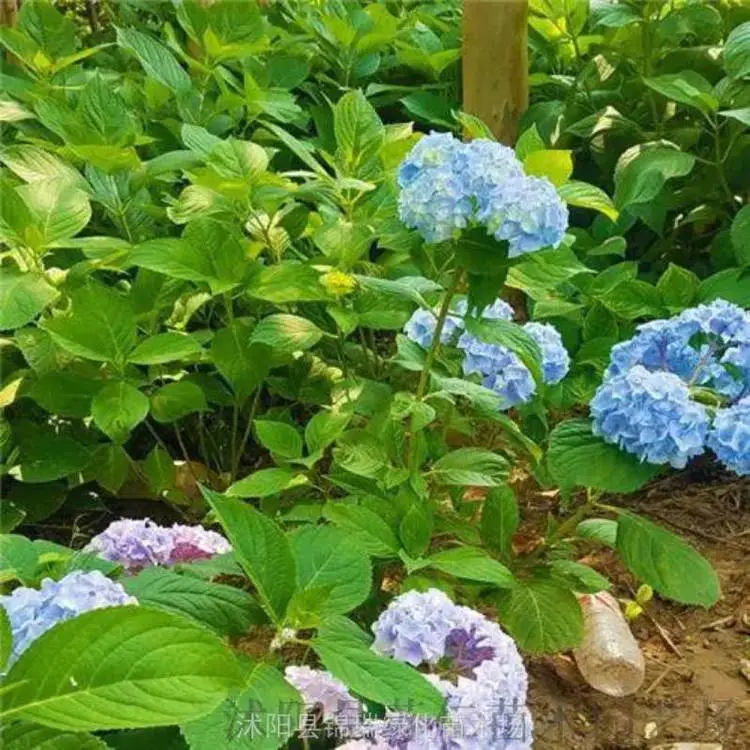
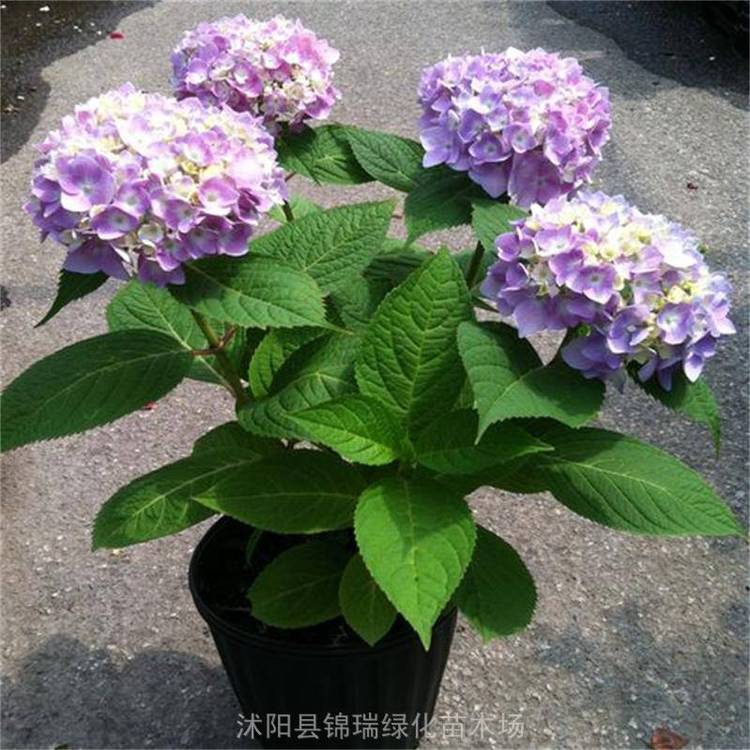
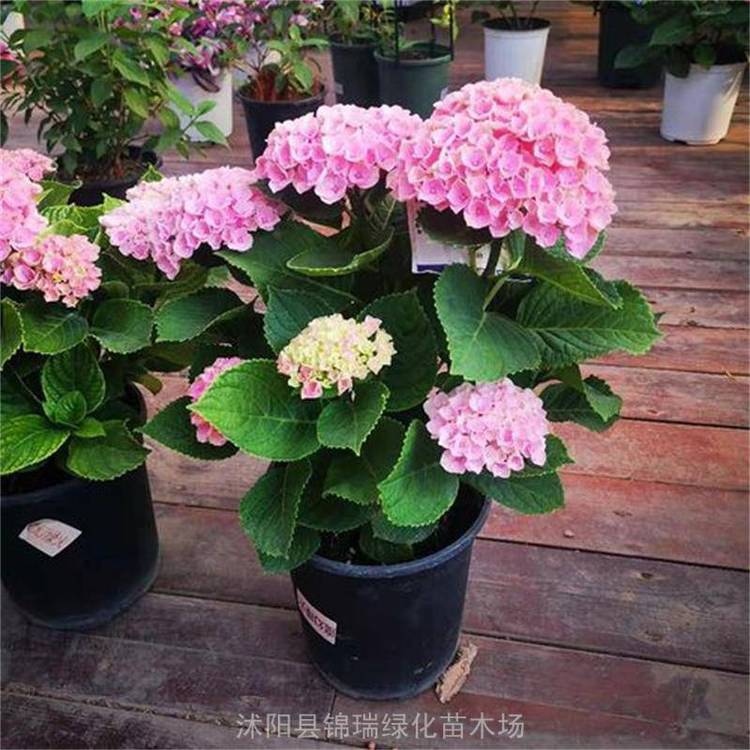
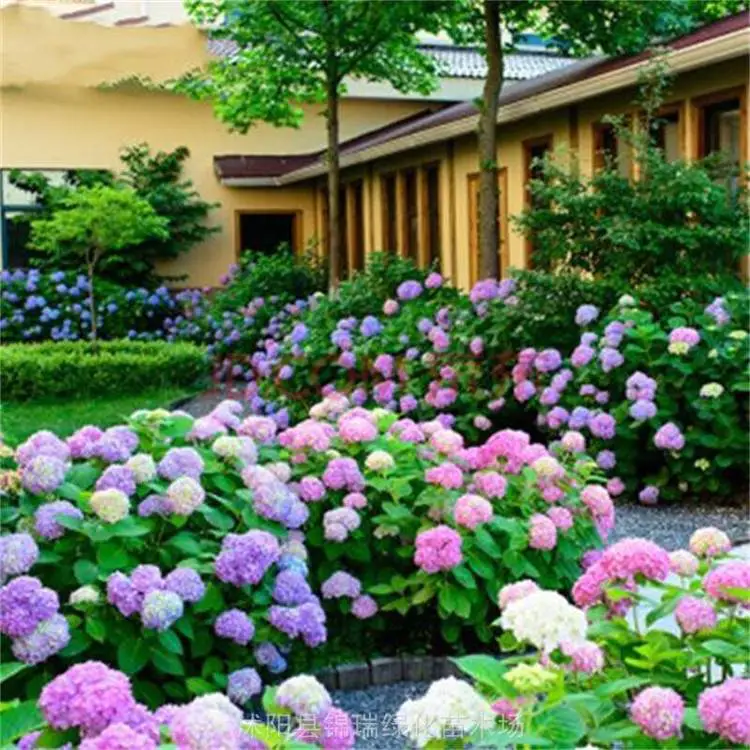
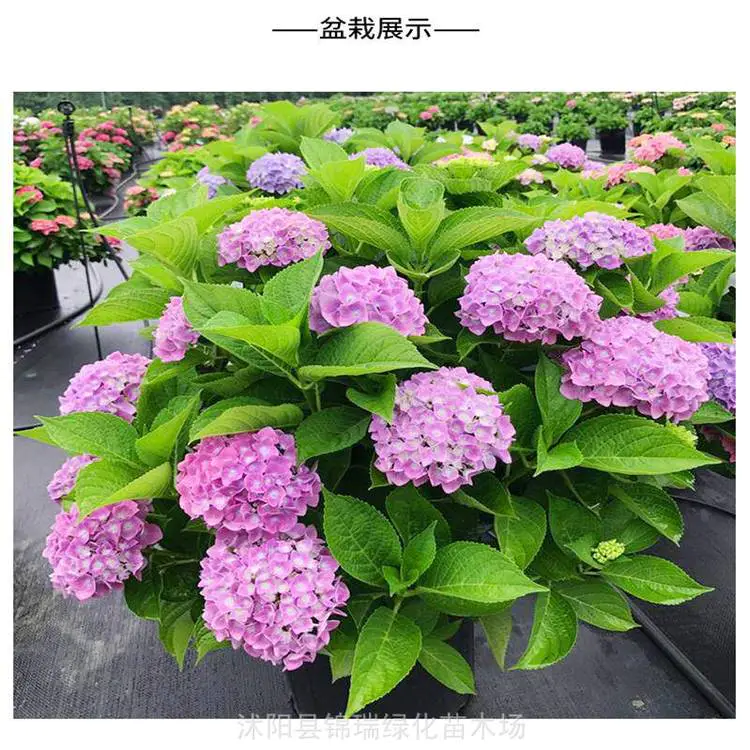
Infinite summer flowers vary, and an infinity summer embroidery ball can exhibit changes in pink, purple, blue, green, different colours, easy to change, and can easily remove pink and blue flowers, both in the south and in the north. Infinite summer flowers show different colours depending on soil alkalinity. Pink flowers are produced in alkaline soils and blue flowers in acid soils. Generally, all summer flowers are pink, and in order to get blue flowers, special blues are required。
The unending summer must be before flowers start, because we are primarily regulating the acidity of the soil, and if there are flowers before action begins, it will not work. In the early spring, when the summer leaves are going to spread, you'll be ready to change. The presence of a time-quantified coloring agent can produce amazing results until the flowering flower is present。
Infinity summer embroidery is a common sighting plant that is loved by its colourful and long flowering seasons. Unfinished summer embroidery is characterized by the ability to change the color of the flower according to the acidity of the soil, blue flowers in the acid soil, pink flowers in the alkaline soil and purple flowers in the neutral soil。
The method of breeding endless summer embroidery balls is as follows:
1. Selection of suitable planting sites. The unending summer embroidery plume prefers a half-massive environment, avoiding direct sunlight and strong winds, and it is inappropriate to plant it in too dark and damp a place。
2. Prepare suitable soils. Infinity summer embroidery flowers are suitable for growing in fertile, well-drained, organically rich soils, where they can be improved by the incorporation of decomposed cow manure, bone powder, egg shells, etc. If you want to change the color, you can add aluminum phosphate or lime to the soil to regulate alkalinity。
3. Water and fertilization in due course. Endless summer embroidery flowers need to keep the soil wet, but without water, generally watered once a week, with an appropriate increase in the number of times during the summer. For fertilisation, compound or organic fertilizer can be applied once a month in the spring and autumn, and phosphate fat can be applied every two weeks in the summer to promote flowering。
4. Timely trim. The end-of-the-life swirling of the summer embroidery should be followed by the flowering, the elimination of the winter-dead branches and the weak branches, the preservation of the strong branches and the provision of space. Usually, only once a year, and if necessary after fall leaves, can also be slightly trimmed for endless summers, keeping strong and healthy branches that can bloom all over the summer。
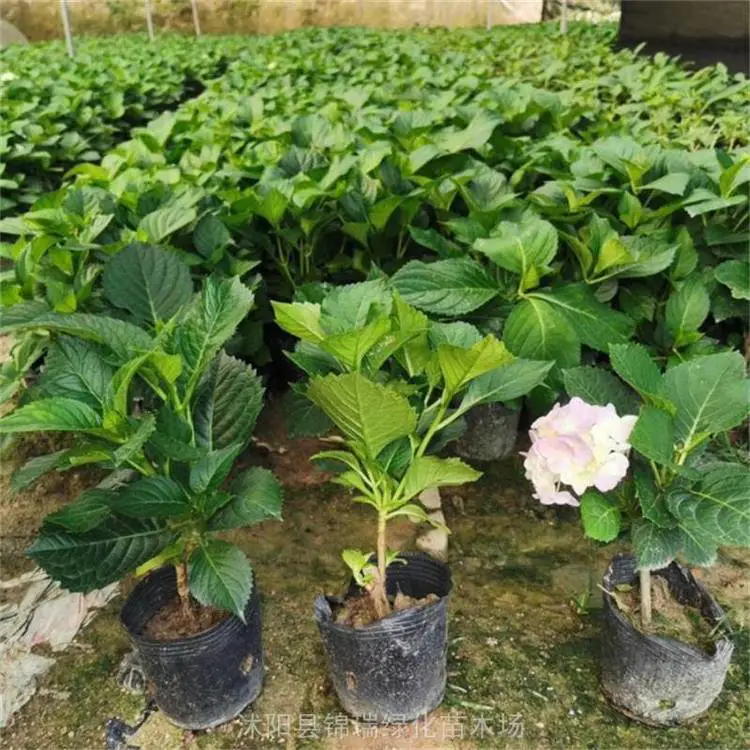
Reproduction methods. This can be done by poaching, which is done in spring or summer, by cutting down a small branch with three to four leaves, inserting it into the wet sand, and placing it in a semi-vaginal position, with care to maintain the moisture of the soil, with roots and new leaves to be grown in about two or three weeks, and then reaching the flower basin。
The endless summer is a mutation of embroidery, which not only lasts longer than the normal embroidery, but is also very resilient to growth, so that you can reap the joy of flowering. Unfinished summer planting is simple, and it is easier for starters to buy a good summer plant。