

Scope of application:
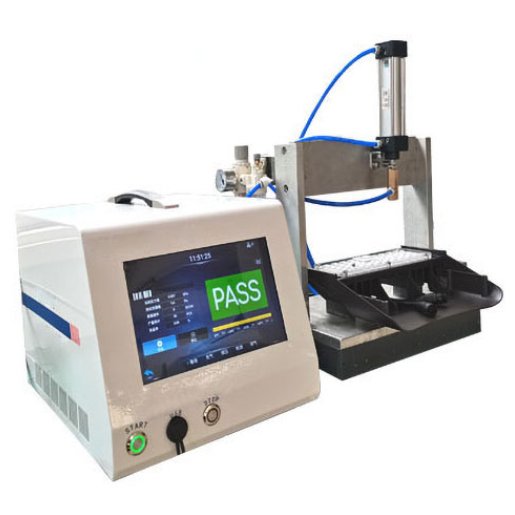
Underwater lamps are typically equipped with real-time recording data systems that show data and parameters during testing. The ease of historical data preservation and data export allows for matching test results with standard data and helps users to better understand the debug pressure of product leakage。
Methods of use:
(i) forward preparation
(1) environmental inspection
Ensuring that underwater lamps are air-classified detectors placed in environments far from vibration sources, strong magnetic fields and corrosive gases. Because vibration may interfere with the precise measurement of the instrument, a strong magnetic field may affect the normal operation of the electronic elements within the instrument, while corrosive gases may damage the instrument components. At the same time, a dry, impurity-free, clean, compressed air of 0. 4-0. 6 mpa is used to ensure the accuracy of detection and the service life of the instrument。
(2) equipment inspection
Carefully check the robustness of power lines and air-routing connections in order to prevent any laxity in the detection process leading to inaccurate detection results or equipment failure. It is also necessary to check whether the sensors are clean and, if dust or impurities are attached, may affect their perception of changes in pressure. In the case of first-use or long-term unused instruments, the instrument needs to be calibrated to ensure the accuracy of its readings。
(3) preparation of equipment
The sealed cavity, i. E., the work cure, is tailored to the shape of the underwater lamps. This step is essential in order to ensure that lamps are fixed and free of leaks in the cure so that a closed detection environment can be created at the time of testing and the results can be truly reliable。
(ii) detection operations
(1) placing of lamps
Underwater lamps to be measured are carefully placed in custom working kits and secured。
(2) set parameters
Activate underwater lamps air-classified detectors, setting the parameters for their detection requirements. For example, test pressure, maximum permitted leakage, gas intake time, pressure stabilization time, test time, air discharge time, ration gas intake time and fractional pressure time. Different underwater lamps may require different parameters and need to be set in strict compliance with product standards。
(3) commence detection
Following the set parameters, the infusion, pressure, test and venting operations are performed sequentially. At the infusion stage, the gas is allowed to enter the detection cavity with a given pressure and time; at the steady pressure stage, the pressure in the cavity is stabilized; at the test stage, the pressure changes are monitored in real time to determine whether the leak is present; and at the venting stage, the gas in the cavity is discharged。
(4) records and judgements
Observe readings of underwater lamps with air-classified detectors and record test results. If the leakage value does not exceed the maximum allowable leakage amount, the underwater lamp is tested for sealing; otherwise, the lamp is deemed to be non-conforming and is to be marked and moved to an unsatisfactory area。
In the use of underwater lamps for air-classified detectors, the above steps are strictly followed and the instruments are regularly maintained and calibrated to ensure the accuracy and reliability of the results。