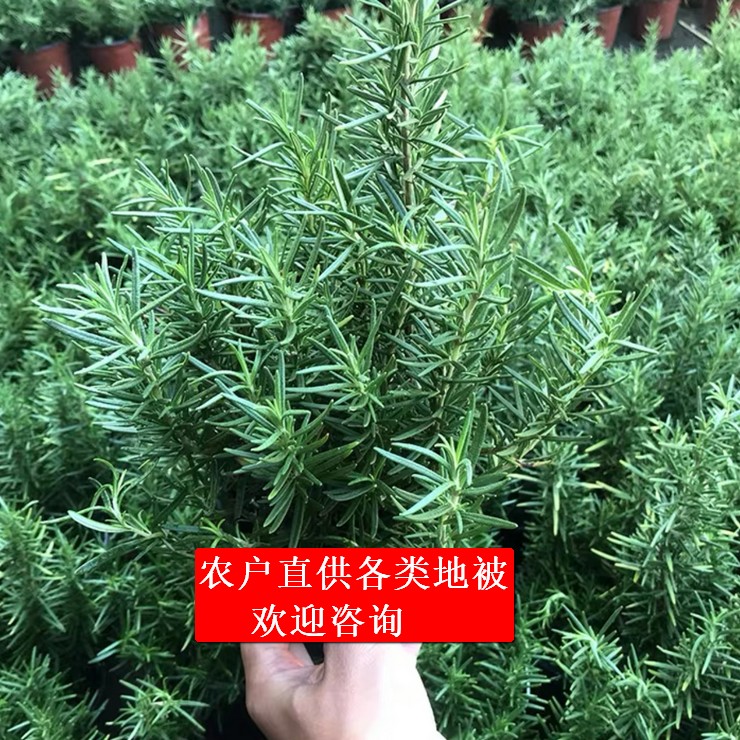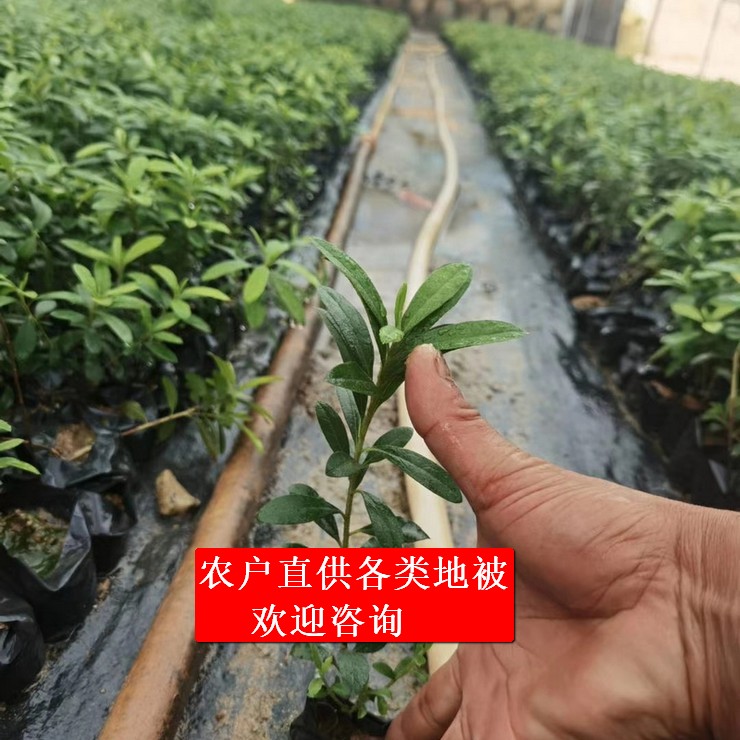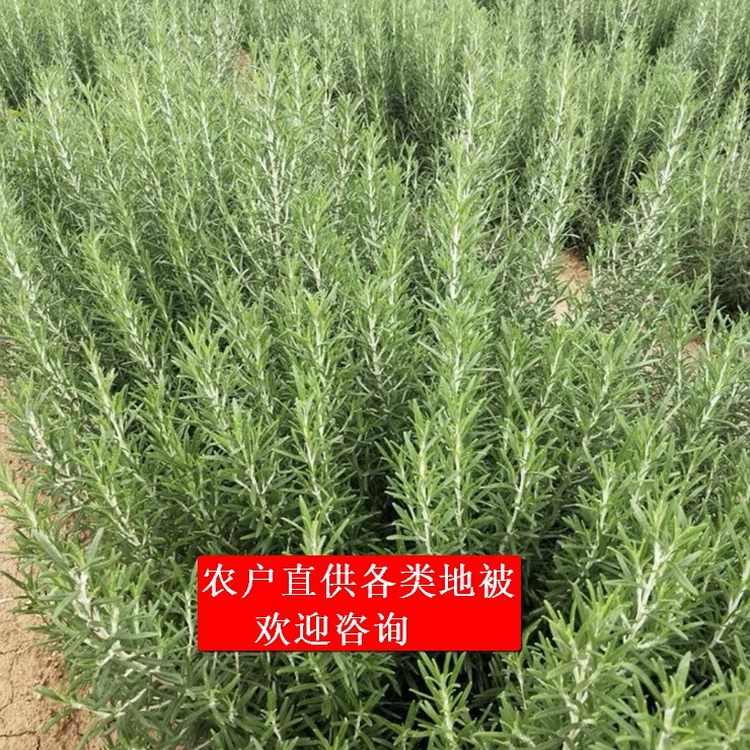


Long-term base supplies saplings of red leaves, well-received crops, and agricultural land can be grown in the mountains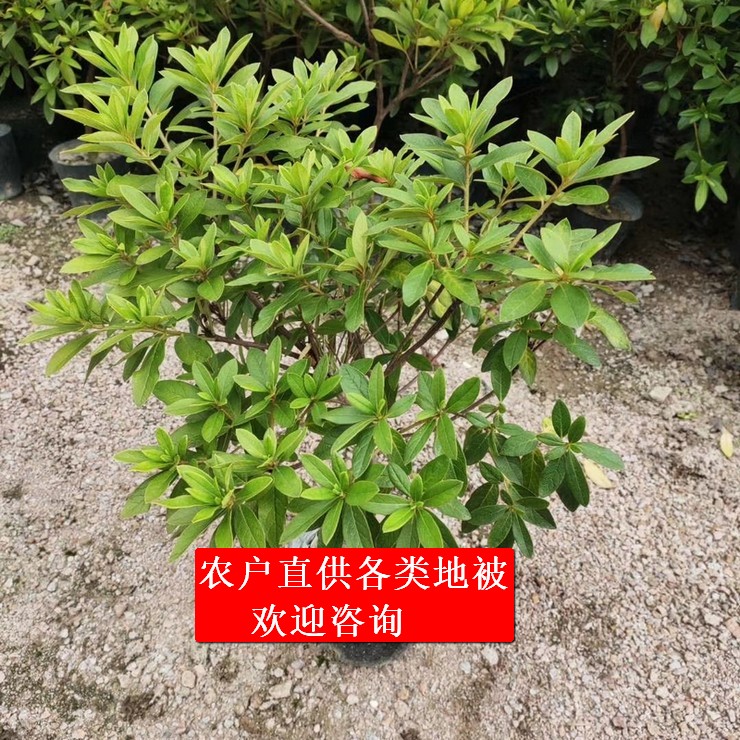
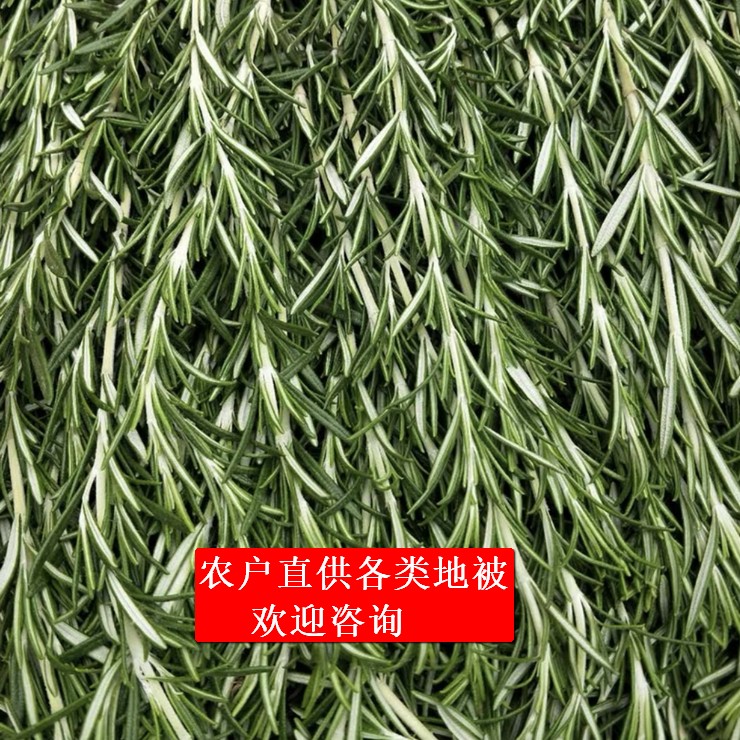
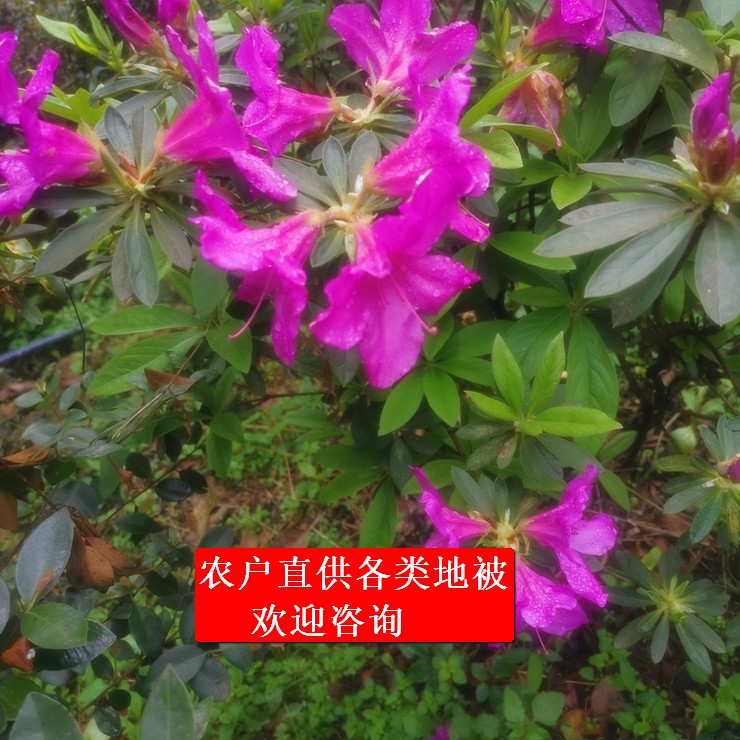
It is distributed around the world. Existing vines can be divided into two categories: wood and grasslands, which are soft and soft, and which are made up of fine and beautiful areas, such as strawberries, fine leaves, radish, etc.; and woody vines, which are thick, but mostly scavenging, and can form thick layers, such as ivy, five leaves, mountain grapes, gold and silver. Several areas where plant (6 sheets) are not easily managed by plants (4) are suitable, such as areas where water is not sufficient for weeding machines to access large trees with very low internal branchages. I don't know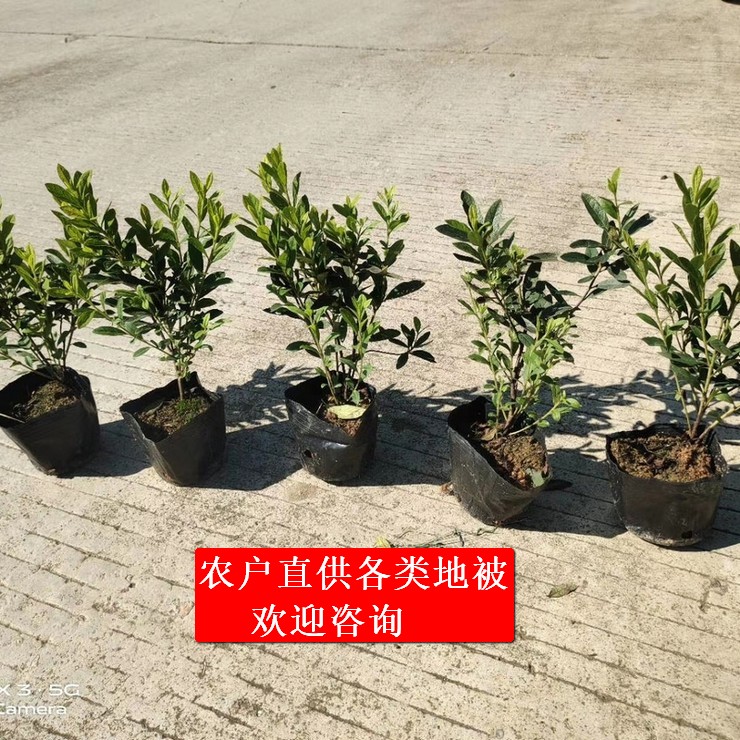
6. Be more broadly adaptable and resilient, and manage to cope with harsher natural environments. It's a multi-year grass. It is located in the areas of north china, shandong, henan, hebei, anhui and xinjiang. The horse is highly adaptable, drought-resistant, cold-resistant and wet, and less demanding for soil. The mastium can grow normally in saline areas of between 3 and 4 per cent salt, and is highly resistant to pollution, with extensive cultivation and management. The soybeans are multi-year herbivores, and our arid highlands are endemic. They are found in north, north-west, north-east and south-west china. Drought-resistant, cold-resistant, salin-resistant, wind-resistant and sand-resistant plants are excellent pastures and soil and water conservation plants, which are managed in large quantities. Land is given to plant names and vegetation features. I don't know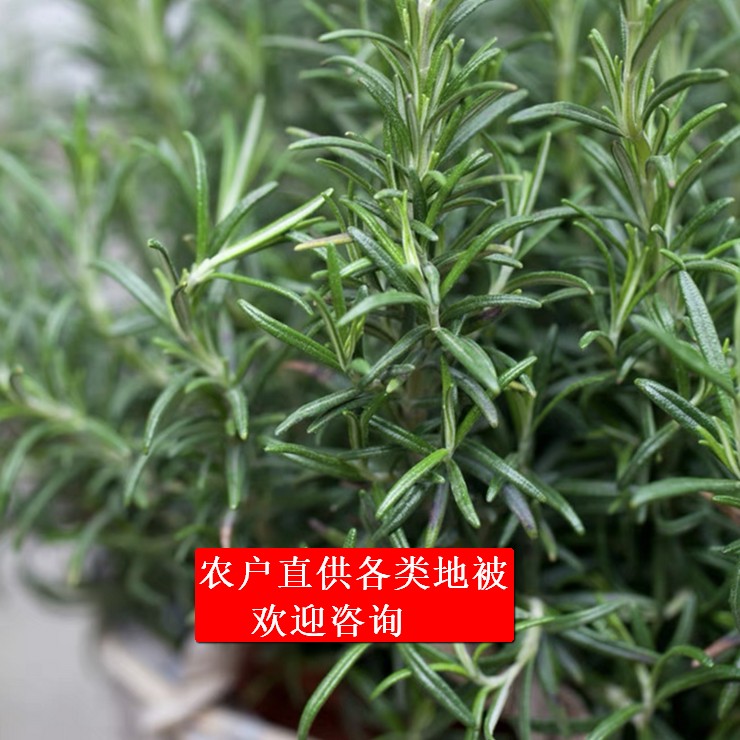
The land is sown by plants whose applications are more positive, such as sunflowers, peacock grass, golden daisies, a string of red, pebble bamboo, kale, snowballs, white leaves, red leaves, silver leaves, tipars, creeping tigers, long spring flowers, crossover yellows, green grass, butterflies, etc. Distinguishing sakura: multi-year grass-paste, muscular crumbling, 4-october. I don't know