Geo is hot, but when it does, many people don't know where to start. Buying tools first? Or do you write first, or do you study algorithms first
It's not. It's got to be methodological, like doing anything new. You need to figure out the basic logic of geo optimization, and then step by step, tools are just support. The article says, from a practical point of view, how to optimize free geos — how to start from scratch without paying or spending little money。
First, understand the bottom logic of geo optimization
It took five minutes to figure out what geo was doing. I don't understand the bottom logic. It's like being on a geo walk with my eyes closed。
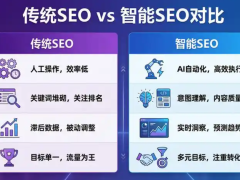
The traditional seo optimizes the search results ranking, and the goal is to get your web page to be as forward as possible in the keyword search results. Its logic is "user search keywords to see your link in."。
Geo optimizes "the extent of quotes in ai's answers" with the goal of having ai, in answering user questions, refer to your brand, quote your content and recommend your products. And the logic of it is, "user questions generate answers that refer to you directly."。
The two logics differ considerably and the corresponding optimisation methods are completely different. A few core differences:
First, there are different optimists. Seo optimizes the page, geo optimizes the content clip. The ai engine does not quote you page by page, and it extracts the most relevant footage from your page and integrates it into the answer. So "extractability" is more important than "page integrity."。
Second, the ranking is different in logic. Seo looks at the density of keywords, the number of outer chains, and the weight of domain names. Geo looks at the credibility of content, the degree of structure, semantic relevance, and authoritative references. Whether you have data, sources or clear structures in your content is much more important than the number of keywords that appear。
Thirdly, impact measurement is different. Seo is measured by ranking, traffic, conversion rate. Geo is measured by reference rate, reference location, answer percentage, information accuracy rate. How many times did your brand appear in the ai response? What's the number? Right? These are the core indicators of geo。
You understand these differences, and you don't use seo's ideas to do geo. A lot of people are not doing well with the geo, not with the tools, but with the ideas still in the seo era。
Ii. A four-step approach to free geo optimization
You don't need to buy expensive tools from the start. Following the four steps below, free tools can do good。
Step 1: situation diagnosis -- figure out "how am i?"
Before making any optimization, know your own baseline. You need to know: did the brand appear in the ai search? Which platforms did they appear on? Which keywords are ranked? Where's the ranking? How's the competition
How? There are several ways:
One is a manual query. Open bean buns, deepseek, mansion, kimi, and search directly for your brand name, core product name, industry keywords, and see if there's any mention of you in ai's answer. It's the dumbest, but the realst. It is recommended that at least 20 core keywords be checked and the results amplified be saved as baseline data。
The second is the use of free diagnostic tools. For example, the avi diagnostic module in the free-of-charge version of the charterer, or the geoptie diagnostic tool. The advantage of tools is that they are fast and full of dimensions and produce a report in a few minutes, much more efficient than manual inspections。
The third is to analyse the competition. Not just for yourself, but for the competition. How was the competition in the ai search? What are they in? What are the characteristics of the content? You know who you are to find a breakthrough。
After the diagnosis, you should be able to answer these questions: what is the overall visibility of my brand in the ai search? Which keywords have been ranked? Which keywords are completely blank? What's the difference with competition? Answering those questions was clear, and there was an optimal direction。
Step two: content planning -- figure out what to do
The diagnosis is done, and then the content plan. The content of geo is different from that of the ordinary seo and has its own characteristics。
The core features of geo content are: structured, data available, sourced, good extract. The ai engine likes to quote the "shows" of content instead of the textual content that requires context to understand。
Specifically, planning for geo content focuses on these types of content: first, the faq content, which is frequently asked in an ai search, and the faq format is most easily quoted; second, the data content, which is especially popular with the ai engine, which is supported by data; third, the "a" and "b" type of questions for users in decision-making; and fourth, the authoritative content, which has authoritative certification, industry awards, media coverage, which is given priority。
Content planning tools are also free of charge: a free-of-charge keyword extension module can help you find the hot questions in the ai search; a search box for knowledge and little red books can tell you what users care about; and a generic big model can help you generate a list of issues in bulk。
Step 3: content production -- figure out how to write it
The direction is set. Next is the writing. There are several points to write about geo: structure needs to be clear, with more structured elements such as subheadings, lists, tables; conclusions need to be given at the outset, without a half-day cushion, and ai refers to information that is often drawn from the beginning; multiple data and sources add data where data can be added and source where they can be marked; keywords naturally fit in, not stacked; control the length of paragraphs, 3 or 5 sentences is more appropriate。
Content production can be supported by ai tools. The free-of-charge version of the ai creation module, the bean bag, and the textual statement can be used to write the first draft. But remember, ai wrote a first draft and had to be manually reviewed and modified, especially with regard to factual content, and ai was prone to hallucinations。
Step four: distribution and monitoring -- figure out "what happens after sending out?"
It's written. It has to be sent to get caught by the reptile. The choice of distribution channels is important。
The main types of free distribution are:
One is business-owned channels. The network of officials, the public, the video number, the small program are platforms that can be controlled by themselves. This is the foundation, and it must be done。
The second is the media matrix. The 100, the number one, the fox search, the internet, the knowledge, the short book and the soybean media platforms. They have a good weight, and it's easier to be captured by ai when it's posted. It could be released free of charge in a multi-platform distribution, save time。
Three is the question and answer platform. It's about knowing, knowing, asking and asking. The content of the question-and-answer category and the form of the question-and-answer form of the ai search are naturally compatible and are highly likely to be cited。
Four are industry forums and communities. For example, vertical industry forums, stickers, little red books. The content of these platforms is not less important in the ai search results of specific industries。
The effects are monitored on an ongoing basis after the content is sent out. See what ai quoted? Which keywords have been elevated? Which platforms are well recorded? Monitoring data, in turn, guide a cycle of content planning and production leading to closed loops。
The monitoring tool can be used as a free-of-charge rating monitoring module for the receiver, a free-of-charge version of the lens geo and regular manual queries. Multiple data sources cross-check and data more accurate。

Iii. Recommendations for free combinations of tools: zero cost can also be done
A lot of people think it's a lot of money to be a geo, but it's not. The following set of free tools basically covers the entire base needs optimized by geo。
Core tool: free version of the package. It is the most fully functional of free tools, with diagnostics, refinements, creations, distributions, monitoring and reporting. A tool that covers 80 per cent of the demand does not have to work together。
Auxiliary tool i: free version of the bean bag/sensei. They are used for content-aided creative work, problem brainstorms, and coloring. A mix of ai creations embedded in the receiver can generate content from different angles and of higher quality。
Auxiliary tool ii: a free version of the lens geo. Cross-checking for ranking monitoring. There is a monitoring function in the package, but one more data source is more reassuring, especially with regard to key data, and two tools are more robust。
Auxiliary tool iii: knowledge of search + 100 degrees. Used for keyword research and user needs analysis. See what the users are asking, what the topics are hot and what the content is。
Support tool iv: excel or flight book form. Used for data recording and analysis. Each monitored data is recorded and trend analyses are more valuable than snapshots in the light tool。
The tool set is a zero-cost package, but it is largely functional. It is sufficient for smes and individual entrepreneurs. It is not too late to consider whether to upgrade the payment instrument when you have been doing it for some time, gained experience and saw the results。
Iv. Common error areas for free geo optimization
Says a couple of easy mistakes when they start doing geo。
One is that only content is of no quality. A lot of people think geo is "the more the more the more the more the more the more." it's not. The ai engine is smart, it doesn't quote low-quality content, it doesn't work. Ten items of low quality are less effective than one of high quality content。
The second is that only quantity does not work. A lot of people stare at how many stories they've published today, how many platforms they've covered, but never see the results. Has the content been quoted by ai after it was sent out? Is the ranking up? Any increase in traffic? These are the key。
Three is a rush. Geo didn't do anything tomorrow. Once the content is sent out, the ai engine takes time to capture, index and evaluate. In general, new content is clearly ranked from publication to the ai search, which takes two to four weeks. Do geo with patience。
The fourth is the use of tools without thinking. Tools are more efficient, but they are not a substitute for judgement. What strategies, what content and how to optimize need to be considered. Geo's not something you can fix by buying a tool to press a button。
Summary
What about free geo optimization? In summary, there are four steps: diagnosis, planning, production, and final distribution of monitoring. Free tools are available for each step and complete processes are run at zero cost。
But remember, tools are only tools and content is at the core. The essence of geo is to "make ai feel that your content is valuable and worth quoting." content around this core will enable the tool to work best。
Geo is in the right direction — ai searches are becoming more widespread, users are getting information in a different way and brands are marketing in a different way. You'll have a pre-emptive advantage by the time people react. Starting with free tools and learning by doing, most enterprises are the most secure way to enter。