


On 10 march 2026, the driver, ho ho, was driving a heavy semi-trailer on the road. All of a sudden, the boom -- the flat tire. The body was not balanced, the straight side of the road was rolled, the cargo was scattered, the trees were damaged and the driver was injured。
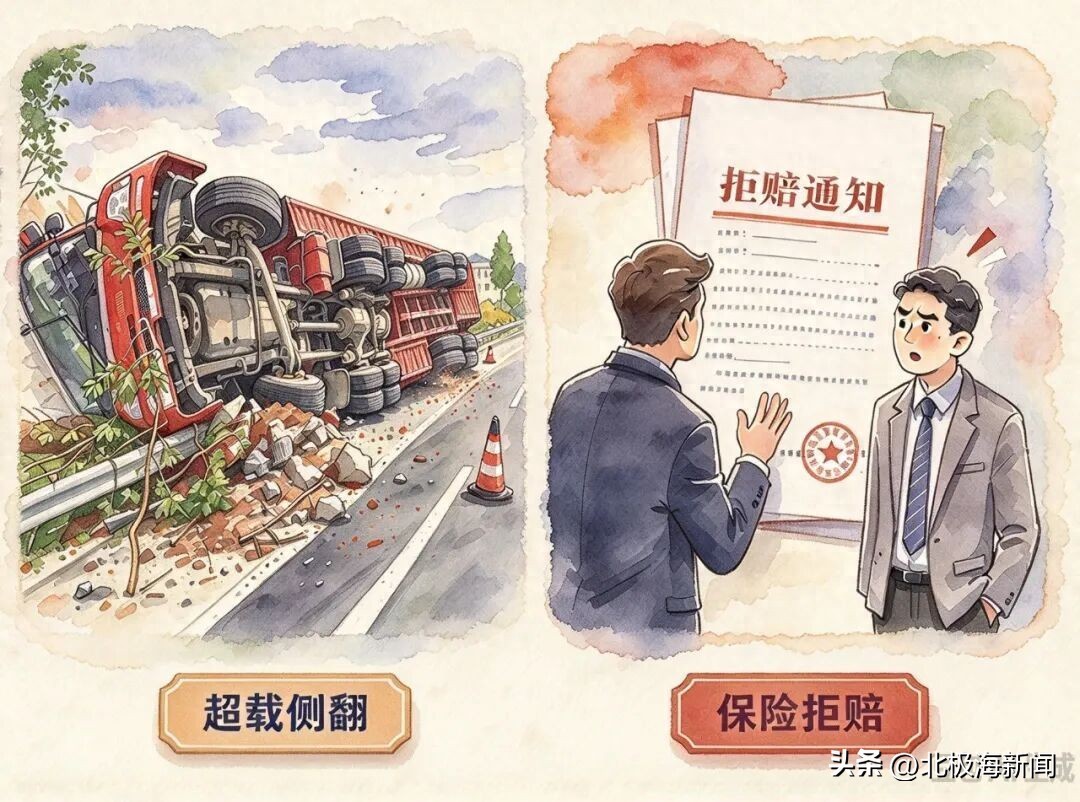
Even more surprising is the fact that the insurance company did not pay any compensation for the full insurance of the car, which resulted in a maintenance fee of $88888。
What's going on? Let's go down。
OverloadIt's a key clue to the accident
Time to call back the day of the accident. The incident certificate issued by the traffic police stated that the case involved a total authorized mass of 49,000 kg for a vehicle and the actual total mass of 53380 kg at the time of the incident, and that a driving motor vehicle load exceeded the authorized mass and was not safely driven in accordance with operational norms, holding it fully liable。
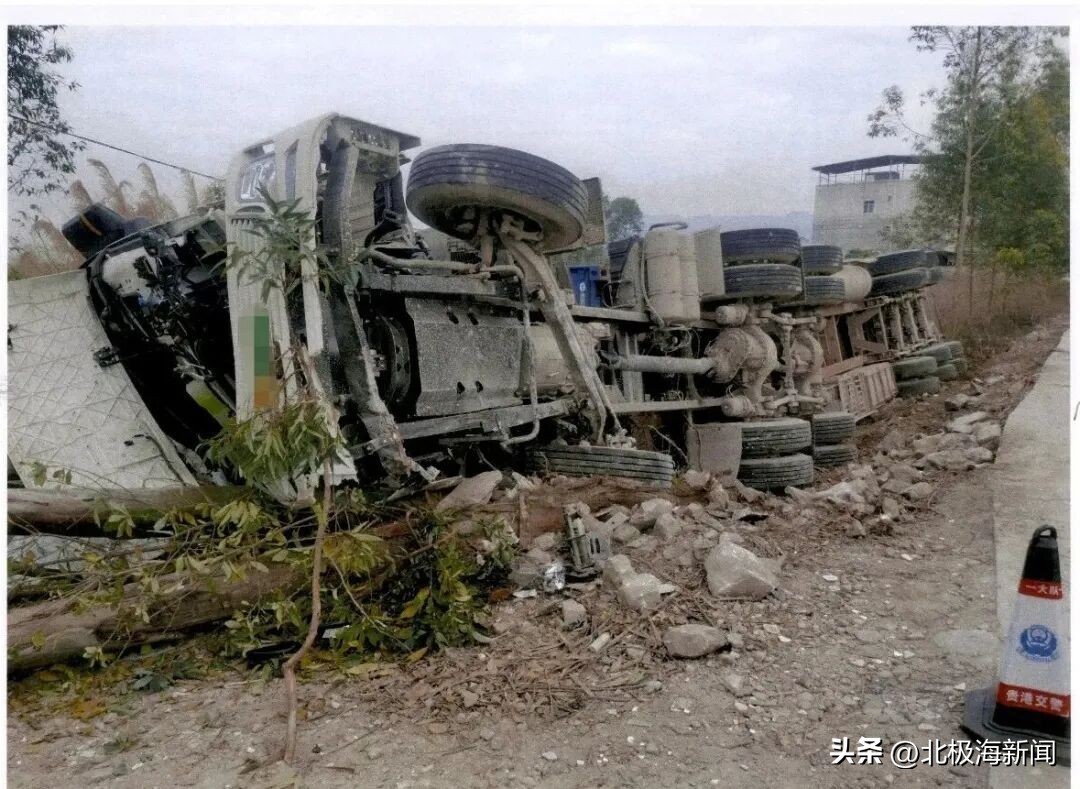
Site of the accident
Why are you denied insurance
On 6 february 2026, a logistics company insured the case of a heavy semi-trailer vehicle with a comprehensive commercial insurance policy for the new energy vehicle, with the amount of the insurance policy (insurance) for the loss of the vehicle being $519,400 for one year。
The point is precisely on the policy. The “exemption of liability” part of the contract consists of a row of blacked out lucid clauses in which one of the circumstances of non-responsible compensation agreed in article 10 is “violation of safe loading provisions”。
At the time of insurance coverage, the logistics company not only stamped the statement of the insured person in the dereliction of liability statement, but also pointed out by hand: “the insurer has clearly stated the content and legal consequences of the clause exempting the insurer from liability”
A paper petition, and a legal answer to the "uncompensated" question
When the settlement of the claim was rejected, logistics filed a complaint with the people's court of the north district of your port, requesting insurance companies to pay $88888 for maintenance。
The insurance company maintained that the vehicle was exempt from liability for breach of safe loading regulations and had fulfilled its obligation to inform and should not be compensated。
Result: refusal, lawful and valid
The controversy in the present case is “whether or not the exemption clause that violates the safety provisions on loading is effective”。
In accordance with article 48 of the law of the people's republic of china on road traffic safety, motor vehicle loads shall be of the authorized quality and shall be strictly prohibited from overloading; they shall not violate the loading requirements for long, wide or high loads and shall not be spilled or dispersed。
Article 10 of the supreme people's court's interpretation (ii) on a number of issues concerning the application of the law of the people's republic of china on insurance is further made clear: the people's courts do not support an insured person claiming that the provision does not enter into force on the grounds that the insured person has failed to fulfil his or her stated obligation, after the insured person's advice on this provision makes it clear that the insured person is exempt from liability under the provisions of the law and administrative regulations。
Returning to the case: overloading is an act expressly prohibited by law, which insurance companies have introduced into the exemption, and logistics companies have stamped and handwritten confirmation that they know - the obligation to warn has been fulfilled and the exemption clause is binding on both parties。
In the end, the court decided to dismiss the claim of a logistics company. The judgement is now in force。
Puffet: car risk isn't "all-round."
Insurance claims/ the payment is not necessarily made as long as there is a loss, but should be based on the agreement of the insurance contract. Overloading is an explicitly prohibited traffic offence, which is classified by the insurance company as exempting from liability, precisely to force the driver to follow the law and to reduce the number of accidents from the source, such as an explosion。
All drivers and transport operators are reminded that when insurance is taken, they should carefully read the insurance contract, especially with regard to the bolder and blacker exemption clause, so as to understand “what to keep” and “what to keep”; and that, in their day-to-day operations, strict loading regulations are being observed to prevent offences such as overload and to ensure safe driving and civilized driving。


