


The three sculptures of insignia are the common names of three processes, namely, carvings, bricks and stone sculptors, which are being transmitted in the ancient sculpture region. “the three sculptors of insignia” were included in the first national list of intangible cultural heritage in 2006. The "three statues" of the mingqingchu building in jiangxi province, which is the territory of the ancient insignia, belong to the branch of the emblem architecture. Locally, it is customary to refer to the "three statues of the insignia" as the "three sculptor." today we come together to look at the legacy and development of this ancient traditional skill。
In old street, the reconstruction of the old city is under way, and many of the ancient buildings of the clear period will be preserved through complete restoration. Into the source, the insignia was a moving piece of water in su meishan, the lacquer of the chalk wall deva, the wrong horsehead wall, and the sculptural world, which was so beautifully sculpted。
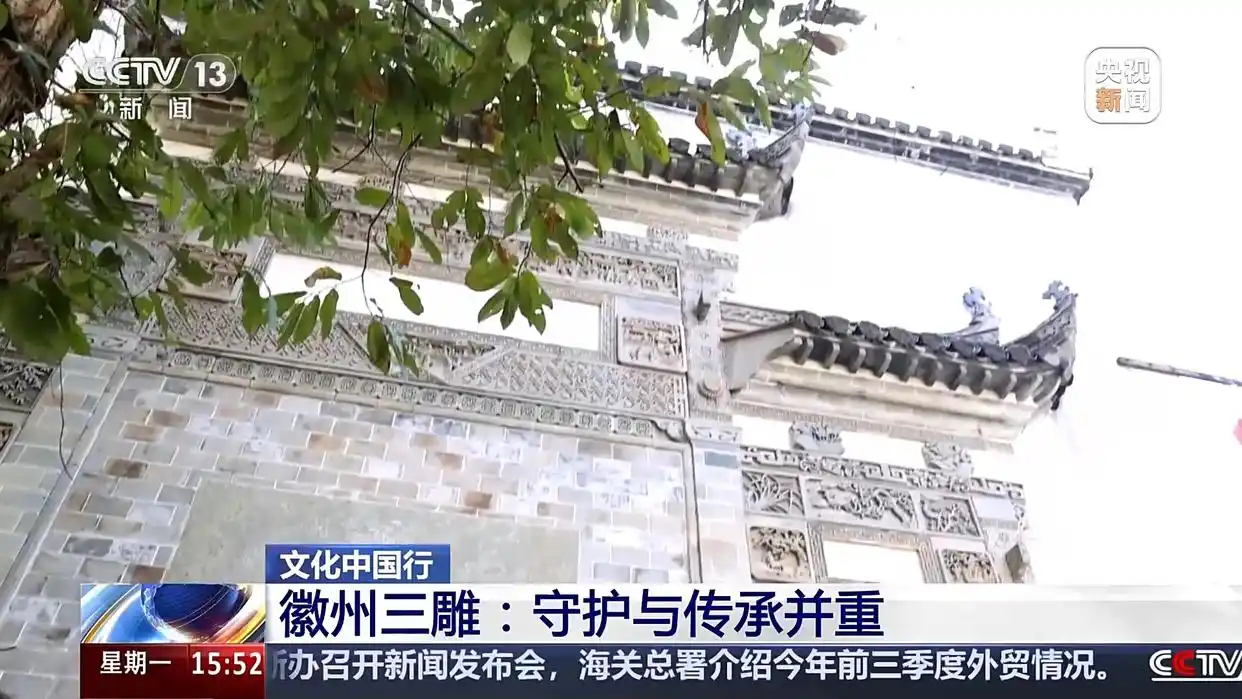
Director-general tangky: as we can see in these ancient emblem architectures, the insignia of the house is highly valued by the insignias, known as “no house, no place, no wood, no place”, and is therefore the birth of what is known as “three in the insignia”。
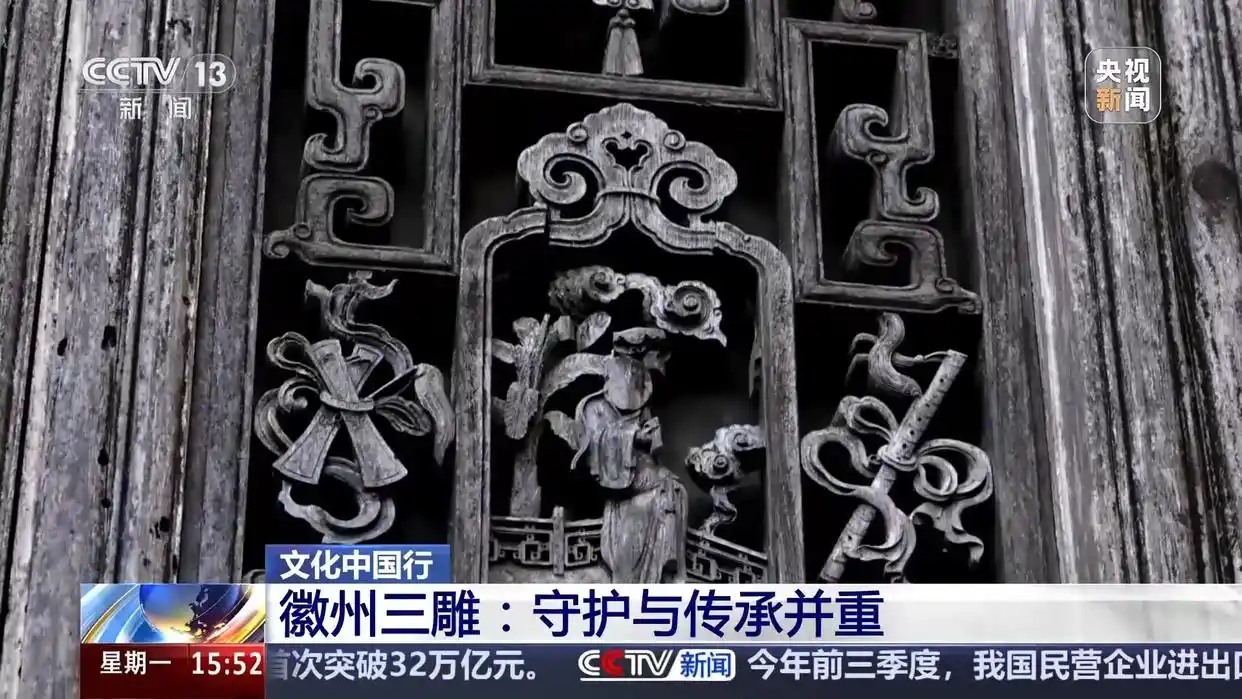
The origin of the “three statues” in the mingqing architecture in the singwon territory can be traced back to tang dynasty and flourished during the period of light. The three sculptures are used in the building, and the bricks are mainly decorated in such places as the door buildings where the people live; the stone sculptures are used mainly for the decorations of the halls, the stone of the walls of the houses, etc., and the carvings are used in the halls and are more widely used and used, with a higher proportion of the carvings. The carving is an important decorative part of the building's inner wood structure, and the sculpture of the beams, fanes, doors and windows is the focus of the sculpture. It is the engraving of beautiful images that show the ancients ' desire for a better life。
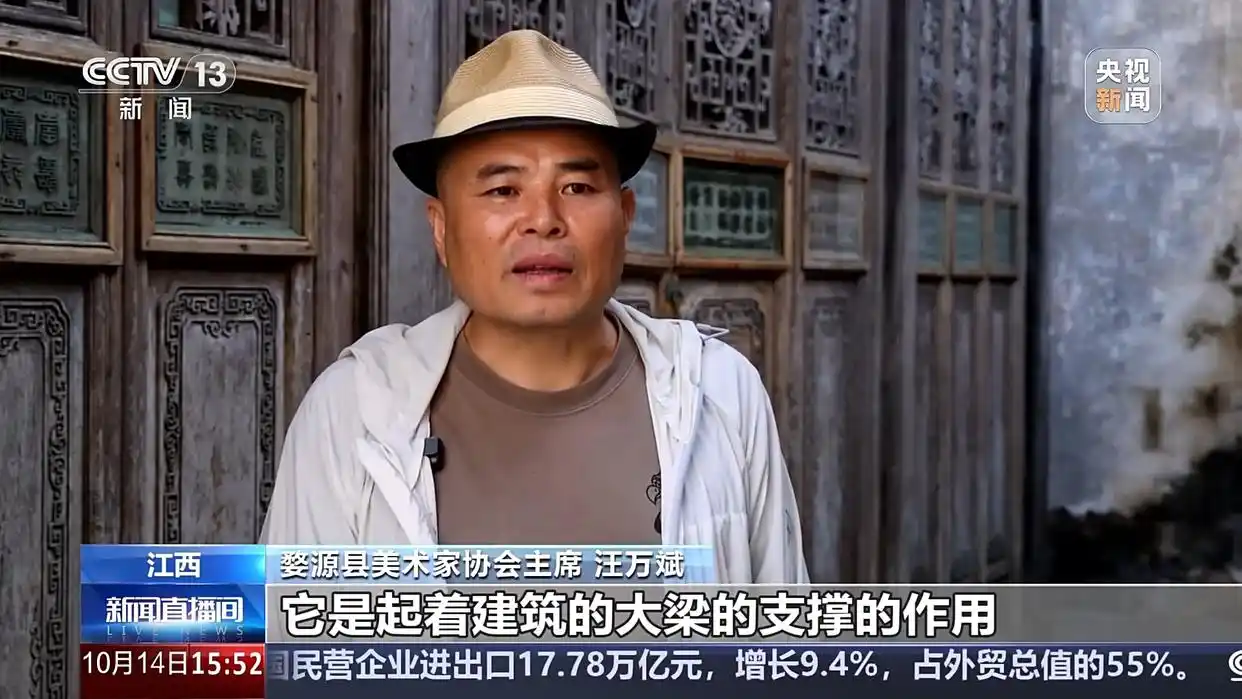
Wang wanbin: one of the most important constructions in the building, which we call cow legs, is the support of the beam of the building. This building is slanted with a crawling lion and a hawk, which is very symbolic. And the beautiful pattern of our beams, like the carp-jumping dragon door, is that motivated young people should be strong enough to turn fish into dragons like carp-jumping dragon doors。
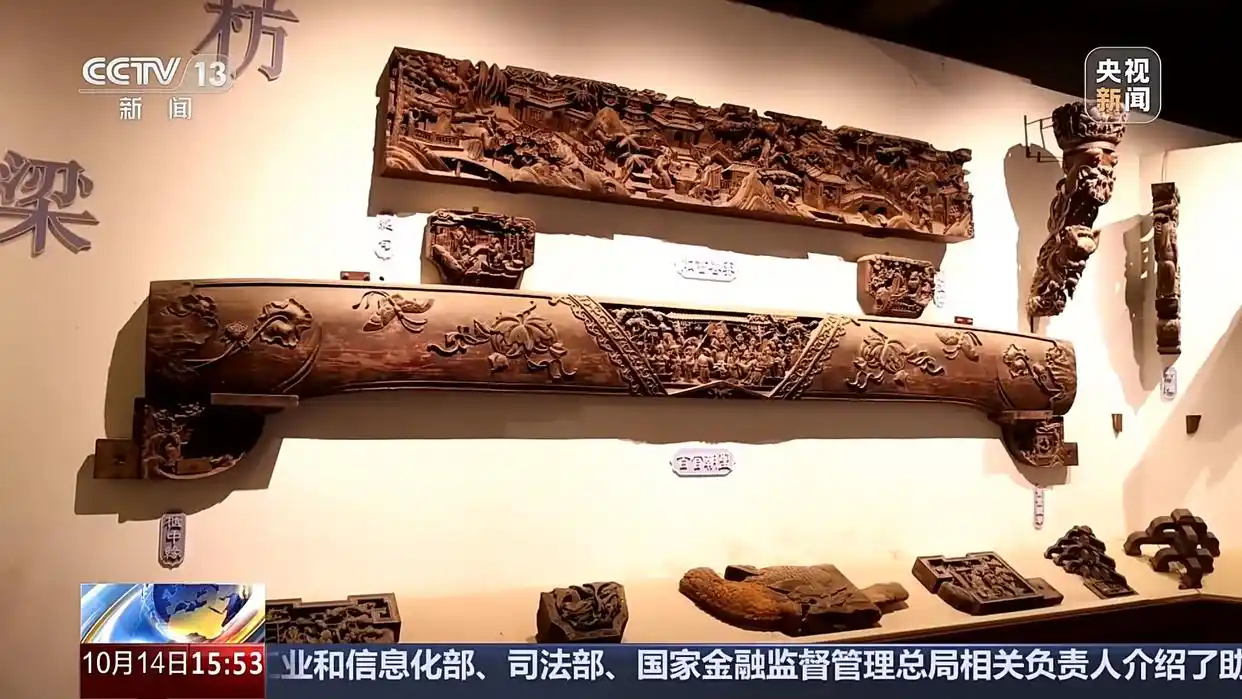
The wood sculptor is made in the form of a collection of materials, specimens, scaffolding, grinding, painting, etc., using techniques such as shallow sculptor, deep sculptor, trough sculpture, etc. To enhance the stereo effect, with the pattern being as wide as three or four layers or more。
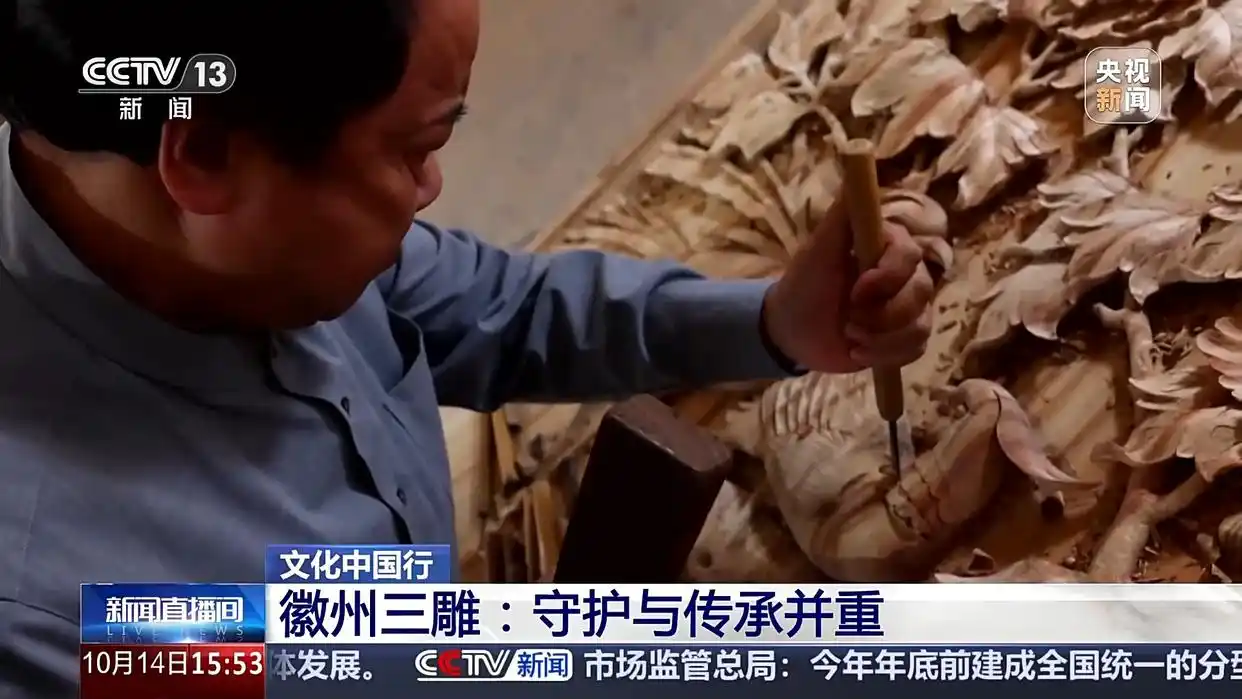
This year, nearly 60-year-olds of the national non-removable heir, quiu, have been engaged in carving for more than 40 years. In his view, the carvings were a much more “precision” job in the three sculptures. When carving, it is necessary not only to keep an eye on the texture of wood, but also to sculpt it with knives of varying size。
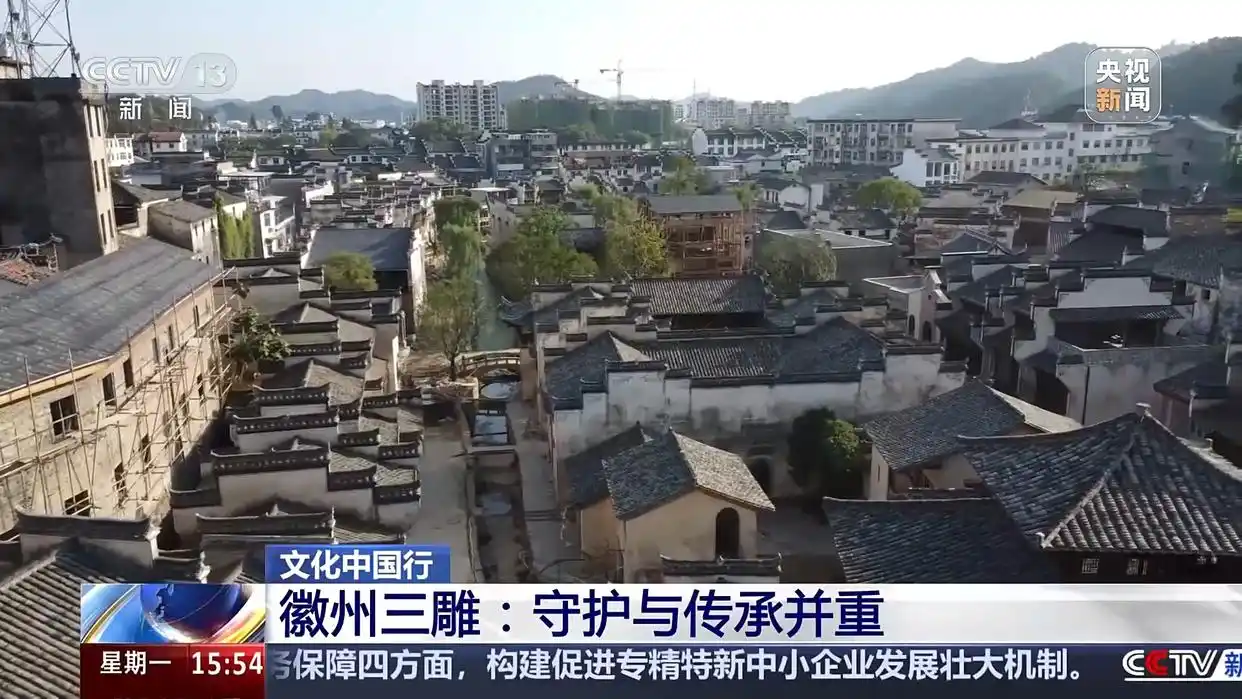
There is a wealth of history, and there are three statues of ancient villages and buildings. Both carvings, bricks and stone sculptures are used in a variety of techniques and of great artistic value. The heir, ryu yu gui, has also taken on the task of preserving and repairing the ancient buildings of his homeland while passing on his skills and innovations. Today, he and his disciples have repaired the “three statues” of more than a thousand mingqing ancient buildings。

In addition to the representative national, provincial, municipal and district heirs, there are now more than 3,000 craftsmen engaged in the relevant arts, who are able to maintain and maintain their heritage and give life to the ancient arts。


