Quality assurance commitments: after major repairs or maintenance of core components, there should be written assurance (e. G., one year or 20,000 kilometres), which is an expression of the seller's confidence in its own technology。
5. Monuments and expertise
User profile: a long-term assessment of real owners through local forums, friends ' circles, short video platforms。
Maintenance expertise: different shops specialize in different fields, some specialize in luxurious cars, some specialize in family cars, and others specialize in primary engines. Choose the shop that best matches your model and failure。
6. Alert against low price traps
Excessively low offers: a much lower-than-market “big fixer” requires vigilance, which may mean the theft or use of poor-quality accessories。
Over-maintenance: vigilance against “small disease major repairs”, such as minor oil seepage, is recommended to replace the total. A few more consultants to compare the diagnostic and quote programmes。
️ 2026 engine maintenance practical list 1. Change oil filters on time
Oils: the choice of viscosity levels (e. G. 0w-20) and quality certification (e. G. Api sp, acea c5) recommended in the maintenance manual is not as expensive as possible。
Cycle: full synthetic oil is usually recommended for replacement for 10,000 km or 1 year, and semi-synthetic oil is approximately 5,000 km or 6 months. Bad work conditions (e. G. Short-distance, congestion, high temperatures) need to be properly reduced。
Machine filtering: each refuelling must be synchronized, and poor machine filtering can contaminate the new engine oil。
Periodically replace “trifiltration”
Air filters: change of approximately 12,000 km or when contaminated, affecting gas efficiency and fuel consumption。
Air-conditioning filters: approximately 10,000 km or 1 year replacement, affecting air quality in vehicles。
Gas filters: the external formula is about 40,000 km and the built-in formula is about 80,000 km, affecting the life of the nozzles and engines。
3. Focus on cooling systems
Refrigerated fluids: usually replaced once in 2 years or 40,000 kilometres to prevent overheating and boilers。
Day-to-day inspection: the water temperature table is observed and abnormalities such as high temperature, tasting and leaking tanks are detected and should be repaired immediately。
4. Carbon sequestration and conservation fuel systems
Prevention of carbon accumulation: avoiding long-term failure, multiple speeds, use of clean fuels and regular use of fuel system washing agents can effectively slow carbon formation。
Clean-up of carbon: when power drops, oil consumption increases, and glide, carbon wash can be considered for entry, nozzle, combustion chamber, etc。
5. Replacement of timing/drive on time and..
Replacement cycle: time belts are usually replaced at 8-120,000 kilometres, with reference maintenance manual。
Materiality: once the belt is broken in time, it may cause serious damage to the engine, which is “preventive overhaul”。
6. Fostering good driving habits
The cold vehicle is activated: the glitch is running at speeds of several dozen seconds to one minute after start-up, and slows until water and oil temperatures rise。
Avoiding high loads: avoiding oil pedaling and high turn speed in cold car condition。
Economic turn-off: daily driving is kept as close as possible to the economic zone between engines 2000-2500。
7. Periodic inspection and conservation
Periodic inspections: monthly inspections of oil meters and weekly inspections of liquid levels such as cooling fluids, glass water and brake oil。
(c) electrical maintenance of cylinders: the use of electrical appliances is avoided for long periods of time after the fire has ceased, and the long-term stoppage should break negative poles。
Engine chamber cleaning: dust oil is regularly cleaned, but the cleaning is done by professional personnel to avoid direct discharge with high pressure water guns。
Watch out
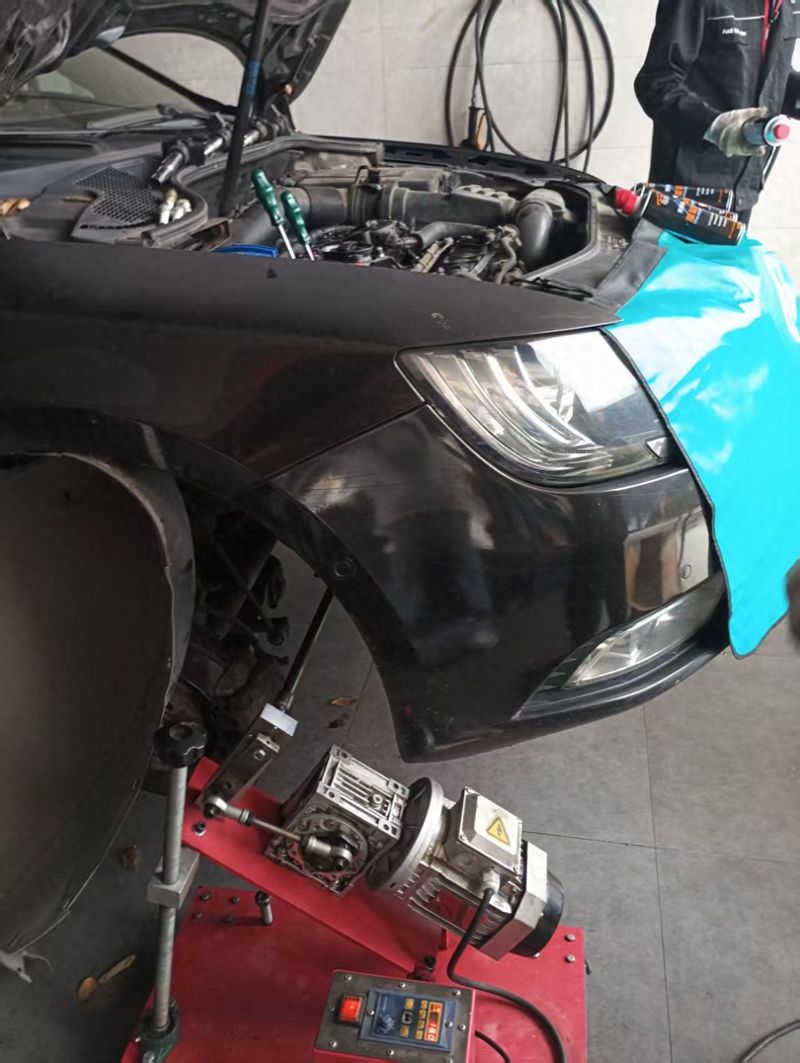
If there is a serious problem with the engine, it should be examined immediately at a professional maintenance store to avoid the risk of a minor illness:
Boiler oil: blue smoke from the exhaust pipe, which consumes very quickly。
Oil pressure alarm: oil pressure warning light on the dashboard。
(b) severe noise: there is a visible metal tap inside the engine (cuttering, collage, etc.)。
The momentum has been severely reduced: it is difficult to start, it is weak and it is severely shaking。
Oil emulsion: emulsion foams on the hood or on the feet of the oil, which may be cooling fluid into the oil, with a risk of “shock-out”。