In the summer season, air conditioners reached their peak year, and i received a maintenance order from a family, and the user feedback was completely unrefrigerated. In the heat of the inflammation, i packed up a full maintenance kit and immediately drove to the user's home。
When i entered the door, i asked the user to turn off the air conditioner and completely cut the power, and safe operations remained the primary principle of maintenance. When the power was completely disconnected, i removed the interior air conditioner and the outer body of the air conditioner and carried out a full and detailed overhaul of the air conditioner on strike. The compressor activates the capacitor, the fan, the pipe system pressure, the internal and external circuit, the evaporation and the surface cleanliness of the condenser... I have itemized each core component and piped system, which has been carefully tested and has finally identified the cause of the malfunction: the absence of refrigerants, commonly referred to as “fluorinated deficiency” in the industry。
However, maintenance must not be confined to resupply of refrigerants, and failure to find a system leak would inevitably recur in a short time. I crouched by the outside machine and pulled out the three-colour tube compound pressure table from the toolbox: the blue hose corresponds to the low-pressure back air side, the red hose corresponds to the high-pressure exhaust side, and the yellow hose is a public end that connects the refrigerant recycler, vacuum pump, nitrogen cylinder or refrigerant steel bottle. Before i can use it, i check the table head scale with a low pressure gauge range of -0. 1-1. 8 mpa, with a high pressure gauge range of -0. 1-3. 8 mpa, confirming that the pointer is zero and that the glass on the panel is intact, and then carefully examine the hose seals to ensure that they are non-fracked and non-scrubbed before the blue hose is connected to the external machine low pressure valve (bold tube) overhaul and the red hose is attached to the high pressure valve (bone tube) overhaul. Cracked “tips” are coming from the close of the interface, with a needle in the back precisely opening the air core and smooth connections between the pipe and the pressure table. The pressure table reading is clear at this time: the low pressure gauge pointer stays at 0. 2 mpa, while the system balance pressure should be maintained at 1. 0-1. 2 mpa in the normal r410a atm, with a value of 0. 2 mpa sufficient to indicate that the refrigerants in the air conditioning refrigeration system are seriously inadequate。
Refrigerant recovery
I connect the other end of the yellow hose to the refrigerant recycler vent, and i connect the recycler vent with empty refrigerant cylinders that are vacuumed early. Turning on the recycler power source, smooth operation of the equipment compressor, passing on the acoustic flow of the refrigerant to the inhaler, slowly dropping the low-pressure table pointer from 0. 2 mpa to the negative pressure zone. Recyclers bring their own pressure protection switches, and when the system pressure is down to below -0. 05 mpa, the equipment automatically shuts down means that trace refrigerants within the system are no longer recoverable, and continuous operation leads to overheating damage to the recovery machine, which takes approximately eight minutes. I then shut down the recycler, removed the yellow hoses, closed the steel bottle valves and labelled the date of recovery and the refrigerant type, completing the refrigerant recovery chain。
First vacuum
The two-stage spiral vacuum pump, with a 2-litre exhaust of the equipment and a maximum vacuum of less than 2 pa, was removed from the system in an efficient manner. I connect yellow hoses to vacuum pump vents and open pressure-table high-pressure valves so that indoors, outdoors, and connecting pipelines are fully connected. A vacuum pump is activated, the pump functions in an evenly low volume, the vent is venting through a weak flow, and the low pressure gauge pointer falls rapidly from 0 mpa to a negative pressure zone, -0. 05, -0. 07, -0. 09 ... After about two minutes, the pointer stabilizes near -0. 095 mpa. But it's just a surface vacuum, and deep air and water in the pipes cannot be cleaned for short periods of time, and i set a 20-minute vacuum in strict compliance with the protocol。
During the waiting period, i did not slacken and kept a close eye on the operation of the vacuum pump: at the beginning, the gas from the vents had a distinct humid odour, which was completely dissipated in the twelfth minute, close to the back of the hand and could not be felt; and carefully listened to the sound of the pump functioning, which was stable throughout, without abnormally low noise, confirming that the pump oil was in good condition and that there was no large-scale leakage of the system. At the end of the 20-minute time, i will close the pressure gauge high-pressure valve, then close the vacuum pump and then enter the five-minute static observation segment. In accordance with maintenance norms, the absence of a rebroadcasting pointer proves that the system is well sealed and internally dry. Within five minutes, the low-pressure table pointer remained in a position of -0. 095 mpa and for the first time the vacuum link was valid。
Weight check
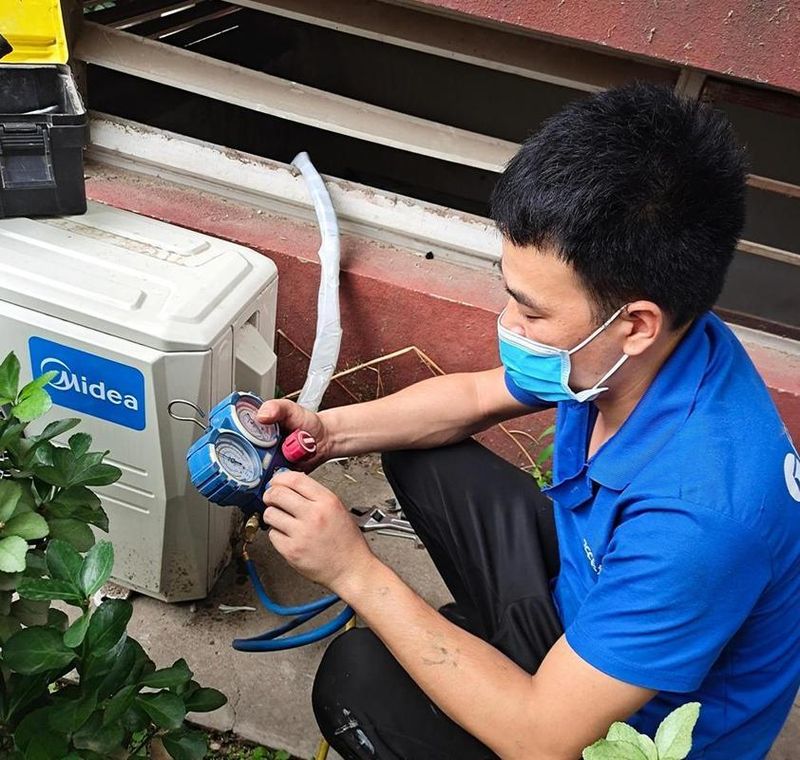
When the vacuum is sufficient, the vacuum pump is removed and replaced by a low-pressure nitrogen cylinder. The vessel export is accompanied by a dedicated pressure-relief valve, which connects the yellow hose to the pressure-relief valve exit, with a minor opening of the main valve of the vessel, followed by a low-pressure valve high-pressure table showing a pressure of 12 mpa inside the bottle, and a slow adjustment of the pressure-relief valve to keep the pressure of the export flat, and to keep a close eye on the pressure-relief table, with the pointer moving back from the negative zone to zero, then gradually rising to 0. 2, 0. 5, 1. 0, 1. 5, 2. 0, 2. 5 mpa, and then stopping pressurization. The pressure value of 2. 5 mpa, which is three times the low pressure side pressure of the normal operation, is precise in terms of exposure to small leaks without damage to air conditioners and compressors, followed by the closure of the main steel cylinder valves and pressure relief valves and the locking of the pressure inside the system。
Specialized leaks were then deployed to remove ordinary detergents (coarse bubbles, evapotranspiration, low sensitivity of microfault detection) and to use industry-wide ratios: one detergent with three clean water, a drop of several drops of glycerine, a five-minute freeze, which allows foams to be more nuanced and durable and increases the accuracy of the detection of the leakage points. I've got a brush, i've got a leak, i've got one line at a time。
First, high-pressure valve valve cores are tested, pegging leaks in the perimeter of the mouth screws and valves, static observation for half a minute and no bubbles are produced; then the outer side panel is removed and all internal copper pipe welding points are fully tested, compressor exhausts are connected to the four valves, four valves are connected to the outdoor heater, heat exchanger interfaces with filters, filters are connected to the cavity line, hair line is connected to the high pressure valves ... Each welding site is carefully painted, with a particular focus on the trimming area of the welding point。
When brushed to the outer floor of a six-millimeter diameter copper tube outside the bend, a fine anomaly emerged: there was no air bubbles that could be lifted instantaneously, but rather a very small stream of tiny bubbles, like bubbles in carbonated beverages, which appeared slowly and continuously, while close to the pipeline, which could hear a very small “squeal” leak, then look at the high-pressure table, pointing at 0. 01 mpa per minute at a slow drop. The three evidence points to the same position and the leakage points are completely locked: 90 degrees of the arc of the copper pipe between the evaporation plant export tube and the quadrior e, which is 0. 7 mm thicker than the point of the needle and leaks at an approximate rate of small slags and uneven wall thickness at the time of production, with severe wear and tear after years of cold-heated alternation and equipment vibration。
Weld repair for leaks
When the leaks were found, i did not weld them immediately, first slowly unmoving the interface between the pressure gauge group's blue hose and the low pressure valve, releasing nitrogen in the system, and accompanying the “polytic” exhaust for about 10 seconds, until the gas was completely drained and the hose was removed。
The repair of the pipes was followed by re-routing, locating three centimetres on each side of the leak, gradually sharpening the handles of the cutter, spinning, grinding and re-rotating, smoothing the copper pipe, removing the damaged bends, and looking closely at the point of leakage, with a dark gray dent of sesame size, fully consistent with the test results. The six-millimeter brass tube was then taken out of the same specification, with a back-angle treatment, removal of the internal and external hair piercing of the tube, and the smooth processing of both ends of the speakers' horns with an amplifier, following the principle of “turn half, turn back a little”, ensuring that the speakers' walls were evenly thick and open。
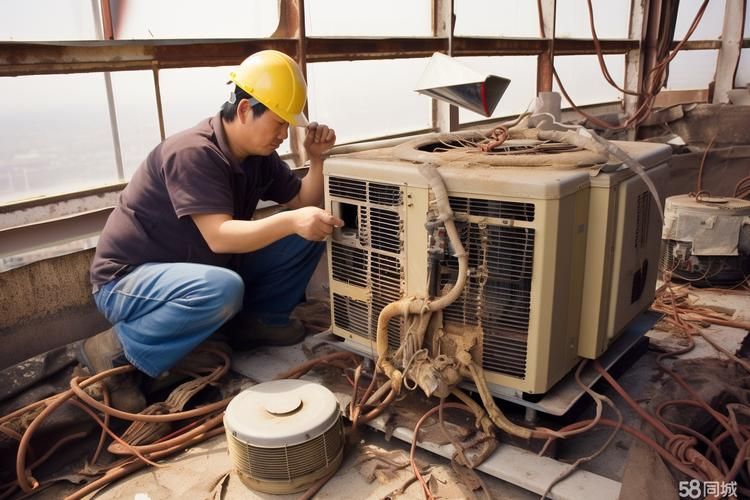
In order to avoid welding the inner walls of the copper tube producing oxidation skin (delaying the cavity pipe, swelling valves, causing secondary failure), i was pre-connected to nitrogen protection: filling nitrogen cylinders with pressure-relief valves, filling the system with microflow nitrogen gas through low pressure valves, fluorine intensity to the effect that the wind can be felt at the vent, using nitrogen drains, despite oxygen in the road, and conducting an oxygen-protected welding。
Light the portable welder, regulate the ratio of liquefied gas to oxygen, and shift the flame to light blue and form a sharp cone neutral fire, at which time the fire temperature is the highest and the oxidation is the least suitable for copper pipe welding. The preheated copper pipe is connected to the head with the fire, and after a dozen seconds, the copper pipe changes from purple red to dark red, then warms up to bright red, reaching 700-800°c welding temperature, then closes the silver welding bar to the tip of the flame, the welding bar melts instantaneously, and the liquid silver-based alloy, acting on the side of the hair, fully fills the gap of the joint and forms a full of round welding. The whole welding process is not more than five seconds, after which the welders are moved quickly, the welds are cooled quickly, and the surface is smooth and flat silver white, with no air holes, slags, cracks and welding quality。
Once the welds are naturally cooled for two minutes and the touch is not hot, a second pressure detection is carried out: reconnecting the nitrogen cylinders with pressure up to 2. 5 mpa, again covering all the joints, welding, valves, hairlines with leaks, focusing on the welding of the head and slow operation of the entire process, with no less than half a minute of observation. The static observation pressure table is then recorded every five minutes: 0 minutes, 2. 50 mpa, 5 minutes, 2. 50 mpa, 10 minutes, 2. 50 mpa, 15 minutes, 2. 50 mpa, 20 minutes, 2. 5 mpa, no wiring, no bubbles in the detection fluid, and the leakage problem is completely resolved。
Second vacuum
The second vacuum is more demanding because the system has been exposed to constant pressure air and the welding process allows the inner walls of the tube to absorb water vapour. Once again, i connected the vacuum pump and opened the high-pressure valve starter, which will be set at 30 minutes this time, 10 minutes longer than for the first time, to completely remove residual air and humidity from the system. By the time of the twenty-fifth session, the vacuum pump vent was free of humid and damp air, 30 minutes had ended, valves and vacuum pumps had been shut down, again for five minutes, low-pressure tablets had remained stable at -0. 095 mpa without any bounce, and the system had met the standard of dry and clean maintenance。
Refrigerant with precision
The maintenance enters the final core, and i will first check the parameters of the outer air conditioner register: r410a refrigerant with a rated charge of 850 grams, design conditions with a low pressure pressure of 0. 8-0. 9 mpa, high pressure pressure of 2. 4-2. 7 mpa, return air overheating of 5-8°c, and vent temperature not exceeding 95°c, bearing in mind standard parameters。
Replacement of yellow hoses from nitrogen cylinders to pink refrigerant cylinders dedicated to r410a, opening of steel bottle valves, first holding down the blue tubing interface, micropine hoses linking to low pressure valves the nuts, using refrigerants to remove the air from the hose, then fast-tighten the nut, complete critical venting operations and prevent air from entering the refrigeration system。
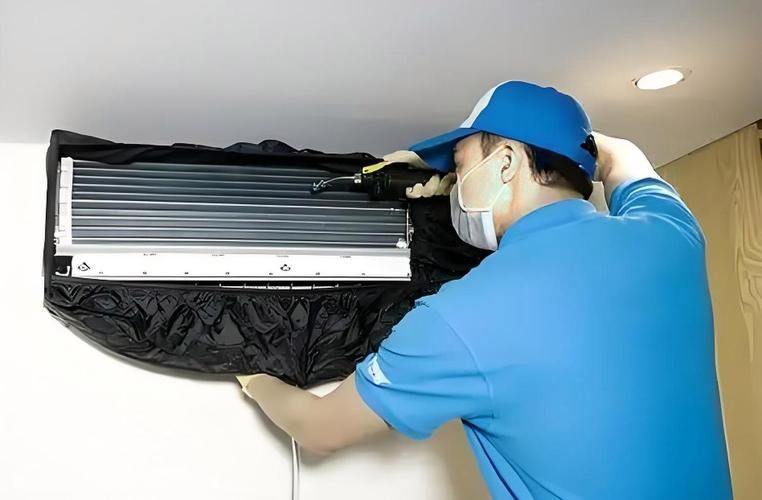
R410a is a near co-boil blend refrigerant mixed with r32 and r125 at 1:1 ratio. Gas-state apostasy can result in an imbalanced composition and significantly reduce cooling effects, hence the need for liquid apostasy. I reverse the placement of the cylinders, slowly open the pressure gauge high pressure valve, and the liquid refrigerant closes to the high pressure table through the high pressure side injection system, and when the pointer rises to 1. 8 mpa, the system pressure meets the compressor start condition and the pressure valve is then closed。
Formally activated air conditioners, remote controls to refrigeration mode, temperature set at 16°c, wind speeds to maximum, outdoor compressors with low-silent and steady start, fans operating simultaneously after a second, and at first vents out of the outdoors with a warmer wind, which is normal in the first days of condensation。
It was then converted to low pressure side supplementation, with refrigerant cylinders standing up, opening low pressure valves, allowing gaseous refrigerants to be slowly inhaled by the system, and low pressure table pointers gradually rising to 0. 82 mpa, at which point the touch low pressure valve coarses gradually cooled from the constant temperature to the pointer of thin dew, keeping the tube warm, with initial cooling。
In order to ensure the accuracy of the acquis, i took out thermal electromechanical probes, which were fixed to the metal surface of the high low pressure valve with aluminum aluminum adhesive tape, attached to a digital thermometer, combined with a pressure table reading of 0. 82 mpa, corresponding to the saturated temperature of r410a at 5°c, a return pipe surface temperature of 9°c, a return gas overheating at 4°c, slightly below standard range, indicating a slightly higher refrigerant charge; a high-pressure side real pressure of 2. 55 mpa, corresponding to the saturation and temperature of 48°c, a surface temperature of 82°c for the exhaust pipe, a temperature overheated at 34°c, within the 20-40°c standard, and a stable operation of the compressor。
The final detection of indoor cooling, with thermometers placed in indoor vents, measured wind vent temperatures of 7. 2°c, indoor ambient temperatures of 29°c, with a temperature differential of 21. 8°c for incoming and outgoing winds, well above the national eligibility criteria of 8°c, and with excellent cooling. At this point, the low-pressure table fluctuated between 0. 80-0. 83 mpa, the high-pressure table between 2. 52-2. 58 mpa, the compressor operated with low sound, thermal venting of the outdoors was even, the indoor evaporation unit was even, there was no local frost, leakage, all operational parameters were met with standards, and refrigerants were accurately filled。
Closure of maintenance
After confirming that the air conditioner is working correctly, i then close the refrigerant cylinder valve, the pressure gauge low pressure valve, slowly release the blue hose to connect to the low pressure valve to the nut, release a small amount of refrigerant from the pipe, then remove the pressure table group completely and complete all maintenance tools. Repositioning of internal and external air conditioner casings, cleaning of surface stains of equipment, detailing to users the cause of the failure, maintenance process and follow-up precautions, on-site retesting, complete restoration of air conditioner cooling function, and successful completion of this non-refrigeration maintenance。