1: power is not activated: power is plugged with 300 v voltage for large caps, and the withdrawal of power is measured again at two end of the cap or 300 v voltage does not decline. Once the capacitor is discharged, the resistance will be activated and replaced. Commencing electrical resistance in power input, with a resistance value of 150k, power of 2w。
Power is not activated: power is plugged, 300 v voltage at the second end of the large cap, the power is removed, the voltage is slowly reduced, all circuit boards are checked for welding, after welding is completed, 3842 is replaced with a new electrolytic。
3: flashlight: first weld the circuit board, test the machine again, and if it is a flash, check the output end for sample resistance. 0. 1 euros. 3w power. The negative extreme attached to the output line allows the electrical resistance to be replaced。
4: the output voltage is high, the electricity is open, the voltage is above 70 v, the charge is not turned, the circuit boards are welded first, the test machine is tested again, and if the voltage is high, replace the pv coupling, retest, or output high, replace the 431 baseline pressurizer and retest the machine。
5: squeak, heat, charge inadequate: electrostatic measurement of large capacity voltage below 300 v, general capacity failure, replacement
6: severe heat, please replace the fan。
7: the output voltage is unstable, the circuit boards are welded, the test machines are tested, and the output caps 63v470uf are replaced by a new test machine。
8: the charge does not turn the light, the data is tested with a detector and 358 or 324 are replaced by a new test machine。
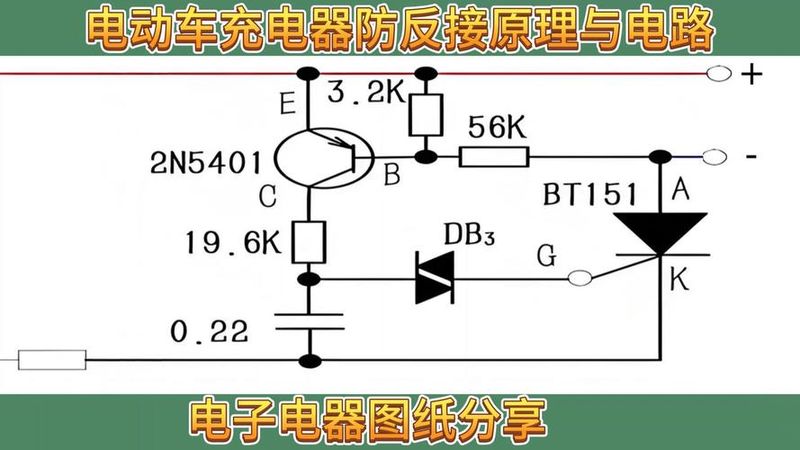
9: charging is unstable and can sometimes be charged, sometimes not flushed, and the test instrument is used to test the data and then input the output power line. Everything's new, welding board test。
10: electricity burn insurance: test first for failure to break power tubes, replace all four of the current diodes with test machines。
11: no output, no electrical tester, 300 v voltage at the second end of the large cap, slowly decreasing, first detecting large diode blows at the output end. Put it on, weld, try again。
12: electro-lighted two red lights: an electric tester, if the empty voltage is normal, then 358 or 324 are replaced by a new test。
13: no output, normal start-up, normal light, first replacement of the output line, direct short circuit relay test for chargers with relays。
14: a flash light is activated, welding transformers are drawn to each foot, and then test machines are tested. If it remains, check whether 431, the pv coupling, the output, the diodes are short, the transformer's magnetic core is loose, and the power input is 10 euros of small resistance is open. Or replace 3842 with another test。
15: the charge does not turn the light, the test instrument is used to test the data, which generally does not exceed 59. 5% for new batteries and 58. 8% for approximately six months
16: low output voltage: welding circuit boards. Test the machine, and then the output is replaced by a new test。
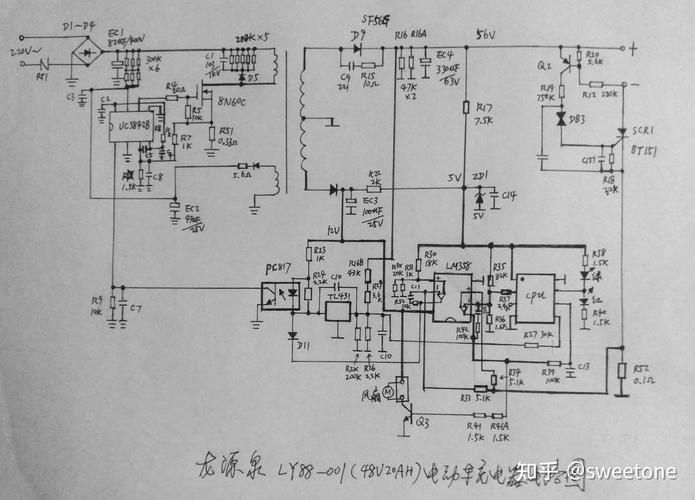
17: low output, hotness, if the output voltage is less than 40 v, power tube, transformer fever, usually the transformer has problems
18: the start-up difficulty, which sometimes results in failure to start at times, welding circuit boards, post-testing machines, and if you continue to enter a part of the small cap for a new test, 50v47uf。
19: the 3842,3842 burner exchange for a post-testing plug hears a sound of a sound of a carat, which is a measure of the two-end voltage of the large electroplasm, which is 300 v, which means that 3842 is punctured and welded the circuit boards, checking whether the transformer's feet are loose or open, whether the main diodes of the output are open and whether the circuit boards are broken。
20: the above failures are suitable for the common failures of most single-barrel chargers in the market and are readily available to technical staff。
It's normal to judge the performance of chargers
If 48v chargers, the maximum voltage is not greater than 59. 6 v, greater than the voltage, the charge may not be turned on a light, the low voltage is not less than 55 v, the lower voltage results in undercharging, and the battery is vulnerable to failure for long periods of time, currents such as 48v20a chargers, the maximum current is not greater than 3a. Batteries larger than 3a may lose water earlier, at least not less than 2. 1a. The current is undercharged by low pressure。
Note:
1:48v new batteries require charger parameters with a maximum voltage of 58. 5 - 59. 7, not less than 58v, and less than 58v, resulting in undercharging, and higher than 59. 7v may result in non-recharging lamps. The current of the conversion light is approximately 0. 4-0. 7a and the actual voltage is about 55. 5v, which is less than 50v, resulting in undercharged batteries being out of charge for long periods of time。
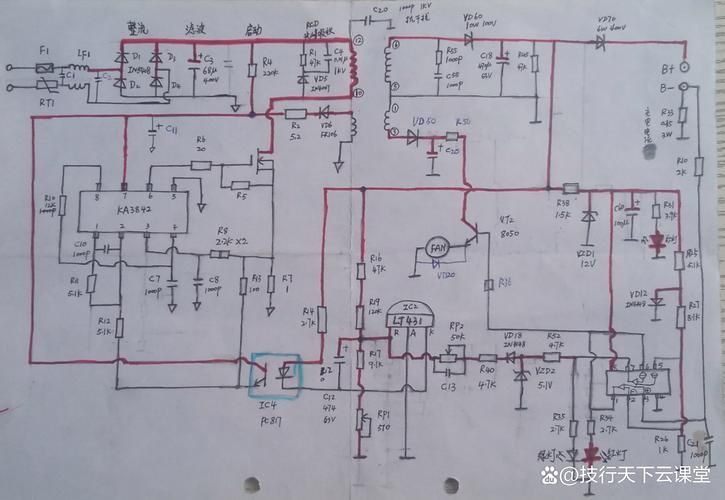
2:4820 batteries require maximum charge current 2. 4 - 3. 3a, less than 2. 2a slow charge and less effective charge。
3: the real power of chargers below $30 on the market is small and the parameters are not designed with precision。
4: the failure of the charger's steady voltage circuit will result in an output voltage of 75 - 130 v, and the charging battery will not turn the light。
5: when a new battery appears, a continuous range of 20a batteries below 30 km and 12a batteries below 25 km, check the parameters of chargers and, if it cannot be judged, replace high-quality chargers for reuse。
6: when new batteries encounter non-rotation, replace another high-quality charger。
7: normal. New batteries are charged for approximately 10 hours, with a continuous range of 40-60 km, 4812 new batteries are charged for approximately 10 hours and 25-40 km, and if normal recharge times exceed above, replace high-quality chargers for reuse and feedback。
8: there are many chargers with internal circuits and input-output connections that age, resulting in a number of times being charged and sometimes not flushed. If this occurs, replace high-quality chargers directly。