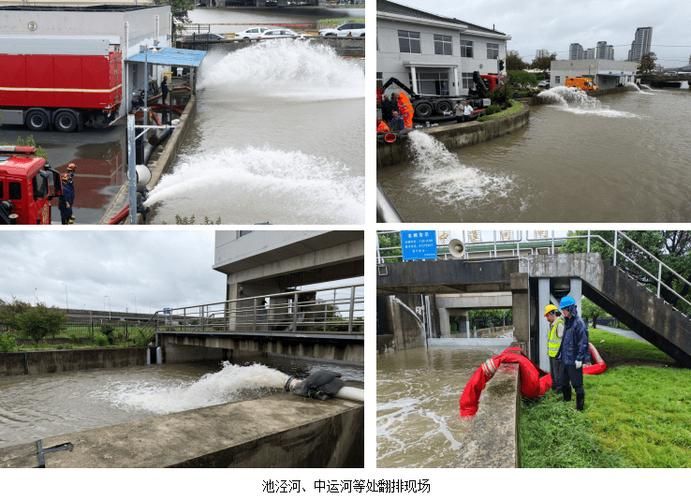
Electrical ban on flammable explosive areas
1. Catastrophe description: common non-explosive appliances, cell phone charging, open fire operations in hazardous areas and poorly controlled electrical sparks。
2. Non-compliance norms: code for the design of electrical devices for explosive hazardous environments, gb 50058; safety regulations for dangerous sites。
3. Details of the provisions: all electrical equipment, lamps, switches in the explosive hazard area must choose the corresponding blast-resistant grade product。
4. Reform requirements: complete replacement of blast-proof electrical systems in endangered areas, strict prohibition of the entry of non-explosive devices and strict control of spark sources。
5. On-site applications: strict area control of flammable explosive devices such as hydrocarbons, chemicals, dust and methanol。
6. Risk consequences: electric sparks detonate flammable gases, dust, causing mass casualties and explosions。
7. Similar reflections: zero electrical tolerance in high-risk areas and no sparks。
22. Ban on the use of explosive electrical equipment
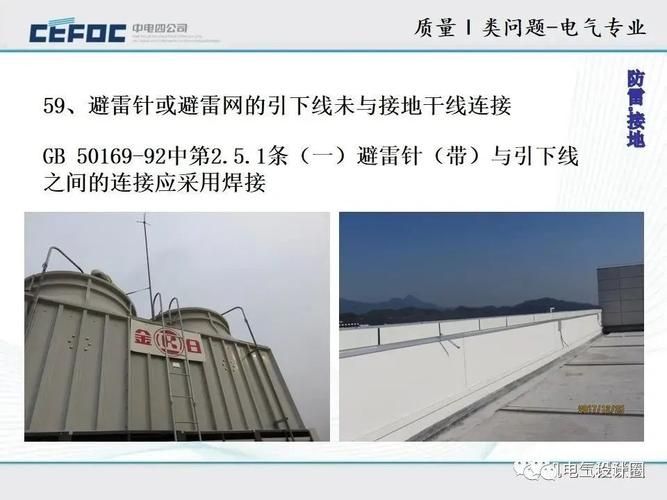
1. Catastrophe description: blastproof wire boxes, missing sealed links, blastproof surface damage, lack of screws, loss of sealed ducts。
2. Non-compliance: gb 3836 standards for explosive environmental equipment, and gb 50058 hazard area classification。
3. Details of the provisions: the outer casings, interfaces and seals of the blast-proofing equipment shall be complete and it is strictly prohibited to dismantle the blast-proof structures。
4. Refurbishment requirements: complete blast-proof screws, seals, repair of damaged blast-proof surfaces and strict prohibition of modifications to destroy blast-proof performance。
5. On-site applications: special weekly inspections of blast-proof area meters, lamps, buttons, trunks。
6. Risk consequences: implosion, internal arc leaking, causing explosion fires。
7. Similar reflections: the absence of an explosive device is equivalent to the absence of a component。
23. Prohibition of electricity use in humid closed space
1. Hazard description: basement, ditches, general lighting inside containers, handheld appliances, without special protection。
2. Non-compliance norms: gb 50054 rules for electricity use in humid environments, safety norms for limited space operations。
3. Details of the provisions: wetness, narrowness, metal packaging operations shall be carried out using safe low voltage lighting and waterproof electrical appliances。
4. Alteration requirements: unified use of 36v and the following safety voltages in restricted spaces, with leakproofing safeguards and exclusive supervision。
5. Field applications: strict application of low-voltage electricity in tanks, trenches, basements, underground operations。
6. Risk consequences: high environmental conductivity and high vulnerability to group electrocution。
7. Similar reflections: the more humid it is, the higher the level of electrical protection。
24. Ban on the protection of the high electrical operation
1. Catastrophe description: high wiring, overhauling without seatbelts, climbing temporary structures and throwing tools at random。
2. Non-compliance: high levels of operation gb/t 3608, safety management for electrical high level operations。
3. Details of the provisions: electrical operations at a height of two metres and above shall be carried out with seatbelts, scaffolding and the use of qualified ladders。
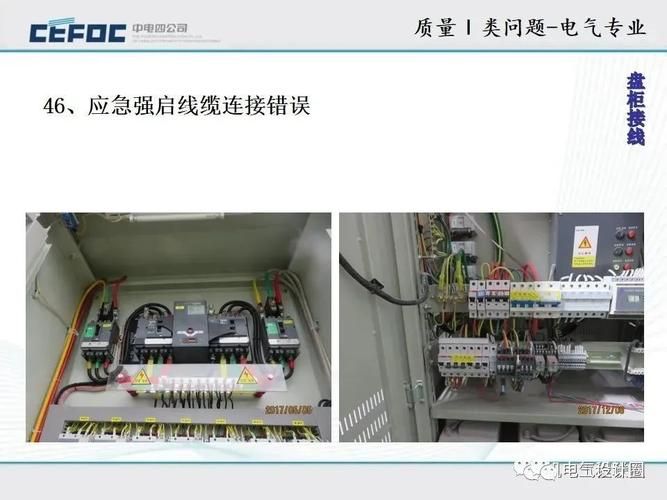
4. Retrofitting requirements: tom gatling safety belts, tools using tool bags and prohibition of throwing objects up and down。
5. On-site applications: out-of-door circuits, bridges, roof lamps, high-altitude control cabinets, uniform execution。
6. Risk consequences: high-altitude crashes, tool crashes, secondary electrocution and injuries。
7. Similar reflections: high altitude + electrical is at double risk and protection cannot be the same。
25: prohibition on the safety of electricity under the base pit
1. Hazard description: base pits, cable impregnated water in sub-well areas, equipment without water protection, leaking shapes and absence。
2. Non-compliance: jgj 46 temporary electrical specifications for construction sites, electrical protection standards for underground humid environments。
3. Details of the provisions: underground low-lying water catchment areas, electrical equipment needs to be waterproof against tide, and cables prohibit long-term impregnation。
4. Retrofitting requirements: high-altitude lifting equipment, use of waterproof cables and waterproof tanks, and mandatory high sensitivity leakage in water catchment areas。
5. On-site applications: specific control of electrical operations in infrastructure pits, sewage wells, underground plumbing。
6. Risk consequences: water leaching, large-scale cross-step voltage。
7. Similar reflections: low-lying water points, areas hit by high power outages。
26. Prohibition on the use of handheld electric tools
1. Description of hazards: hand-held drills, cutting machines, grinding machines, insulation, ageing power lines, unlicensed and random use。
Non-compliance: technical protocol for the management, use, inspection and maintenance of hand-held electrical tools gb/t 3787。
3. Details of the provisions: a type of handheld tool must be attached to zero and subject to periodic insulation tests, and power lines may not be used privately for long and broken。
4. Corrective requirements: disablement tools, periodic insulation testing of tools, with dedicated mobile leak plugs。
5. On-site applications: unified desk account management for all handheld tools for maintenance, overhaul and adaptation operations。
6. Risk consequences: the failure of handheld equipment leads directly to fatal electrocution。
7. Similar reflections: handheld tools are used closely and insulation is the most dangerous。
Prohibition on the control of mobile electrical equipment
1. Catalyst description: mobile windmills, pumps, heaters, random pull wires, unconnected casings, mobile tug cables。
2. Non-compliance: gb 50054 safety requirements for mobile electrical equipment, management standards for temporary electrical equipment。
3. Details of the provisions: mobile electrical equipment shall use a drag-resistant rubber cable, a reliable surface of metal casings and electrical outages when moving。
4. Alteration requirements: unified use of qualified mobile cable cables, well-placed casings and power cuts before moving equipment。
5. On-site applications: temporary on-site mobile equipment, heating equipment, and strict control of dust removal equipment。
6. Risk consequences: cable towed and broken, shell leaks, sudden electrical contact during movement。
7. Similar reflections: equipment is easy to break and mobile electricity must be severe。