The reason for the compressor damage in the refrigeration system is many, and if the replacement of the damaged compressor with an irregular operation could cause the system to fail again and the compressor to be damaged again, the mini-coding sometimes hears some of the advice and questions from the refrigeration friends about replacing the compressor, for example: “how did the newly replaced compressor switch the compressor or the high voltage charge?” “how did the newly replaced compressor run in one day and burn the compressor?” in many cases, the failure to find the real cause of the damage or irregularities in the replacement process led to the re-damage of the newly replaced compressor。
So how do we fix the broken compressor
In the case of damaged systems, it is particularly important to maintain a record of the historical failure of the crew, as it is difficult to repeat the damage, which would greatly assist in finding the cause of the damage to the compressor, and it is therefore recommended that personnel arriving for on-site maintenance should first review and record the historical failure of the crew (while recommending that the electrical control logic should not cover the historical failure of the crew, mainly because the failure that resulted from the prior period would be covered by other failures of subsequent continuous reporting)
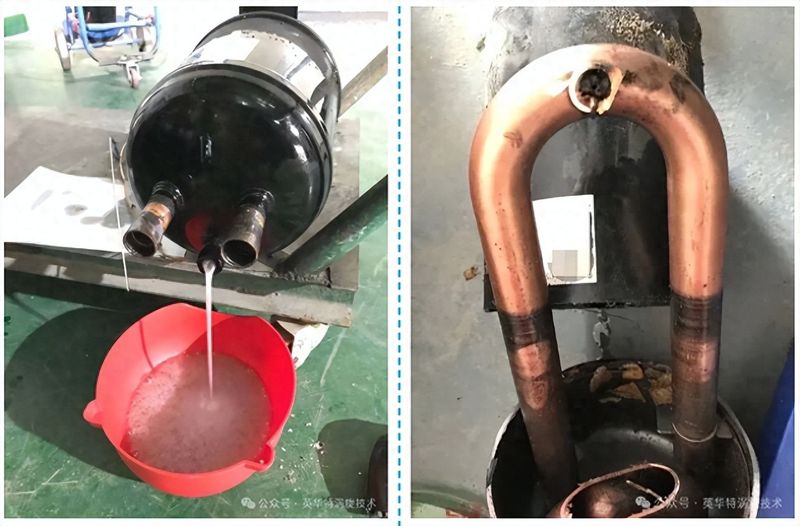
Among them, the sources of oil wear and tear at some of the sites, the condition of the tar as a result of the gas separators returning to the oil hole clogged:
It is proposed that the fleet replacement maintenance process be as follows:
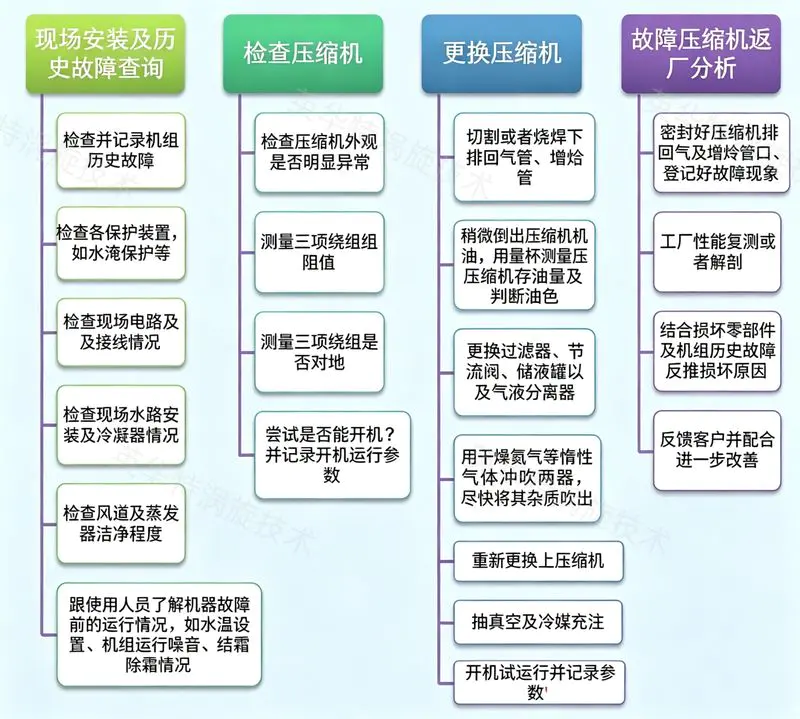
Note: the operational parameters for recording the starter include, inter alia: inhaling pressure, exhaust pressure, inhalation temperature, exhaust temperature, phase voltage, current, ambient temperature, end temperature (room temperature or water inbound) etc
In addition, in the light of the damage, simultaneous detection or replacement of system devices is recommended:
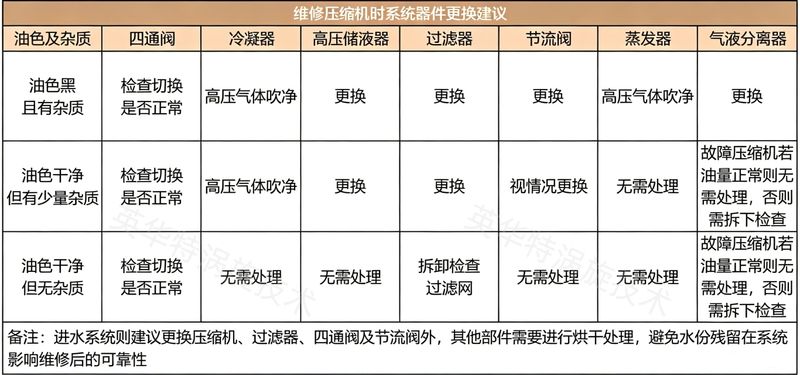
Compressor requirements for back-to-work analysis:
Annex: system protection recommendations
01 high pressure protection (must)
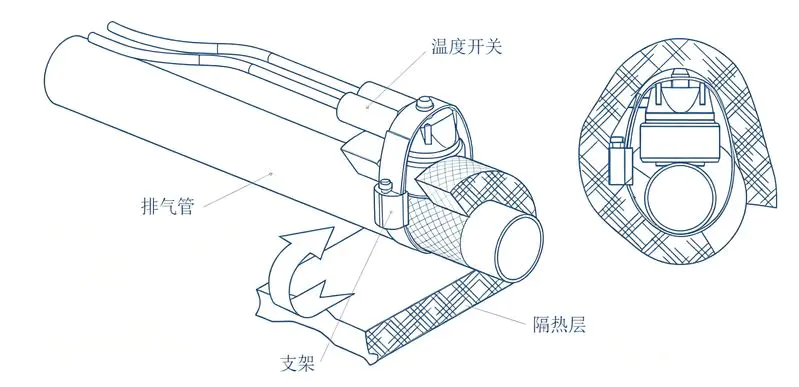
Emission temperature protection
1) temperature probe position as close as possible to vent (within 15 cm)
2) the probe needs to be warmed
03 electricity current protection
It is recommended that it be based on the compressor's mcc*0. 95
Of these, mcc: compressor is the largest continuously running current。
04 frequent departure for protection
Sets the minimum time between opening and running (more than 3 minutes recommended):
05 compressor curves plus tropical
It is recommended that compressors start on first-time or long-term shutdowns with a preheating of more than 12h to avoid tape startup after long periods of shutdown。
Proposed range of crew 06
Runs within the compressor operating chart。