


"the pharmacological character of the animal and minerals section" is a point of knowledge in pharmacological identification for chemists' examinations
It is hoped that the commonly used terms of identification for chinese medicinal animals and minerals will help you。
Antenna eye: the centre of the boneless part of the horn of antelope has a flat-tangular hole that goes straight to the top, commonly known as the “atronomaté” or the “ateneté”. It's top-of-the-shelf and can see blood spots. To identify the main features of antelope horns。
Waterlines: antelope horns with a surface rotational link, in the order of cavity, smooth natural, near the point, known as “waterlines”。
Osteoporosis: the antelope has a mosaic bone in its base, which grows naturally, like the “bones” of a peach。
Unanimous: refers to the undivided unicorn, mostly the first-born of two-year-old young deer, and is therefore called “single” or “one onion”。
Large: refers to a wide range of deer-skinned and thicker backbones。
6. Portal: refers to the first branch of the moose。
A swirling: means a side winger of a deer of clubs, known as a “swirl” and a two-sider known as a “triple swirl”。
8. Hanged angles: the two fingers are longer and larger than two inches or more of the gate, known as the “mounted corner”。
Single door, lotus flower, three fork: refers to a side branch of the moose, known as a “single door”, two are referred to as “loan flower”, three are referred to as “twig”, four are referred to as “twig”, and the rest are extrapolated。
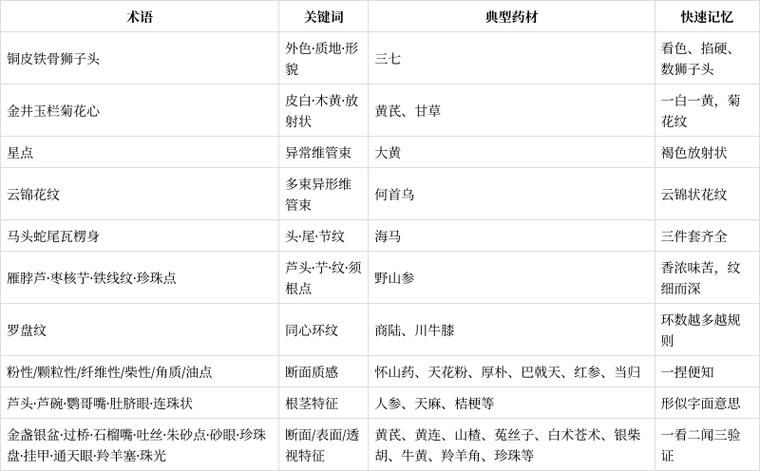
10. Diaphragm: a re-emergence of the year when the finger is removed. So it's called "diplomatic."。
11. Screeching: to the top of the deer, at the beginning of the break, to the wrong. It's called "screw."。
12. Cheeks: refer to a giraffe that is not full and is constricted into a gutter. It is known as the “gutter”。
Pearlette: the base of the antler's antlers forms a sprawl. It's called the pearl disk。
Skin: means the misprocessing of the deer deer with plumes, and the appearance of a part of the skin turned black, referred to as “skin”。
15. Prism, flint, bone beans: the process of getting older with the finger-tips began to grow, mostly in the lower part of the deer-tips, with the emergence of aging phenomena such as the flints, flints and bone beans. So it's called "leaves", "leaves", "bones beans"。
The osteoporosis circle: a circle of bone demurrage around a deer's saw, in the cortex: referred to as the “bone circle”。
Old man: a moose of three or four fork in the way, and a deer of an antlers, but without skin. It's called "old-fashioned."。
18. Equipped slots: refers to the identification of a single musk that is inserted into the musk capsule with a specially designed pin and that detects any alien conflict around it. When the needles are removed, the fragrance is visible and then the chute appears。
Door: a person in the form of a black particle of musk, known as the “door”。
Silver skin: a very thin white cortex, known as “silver skin”, in the musk bag。
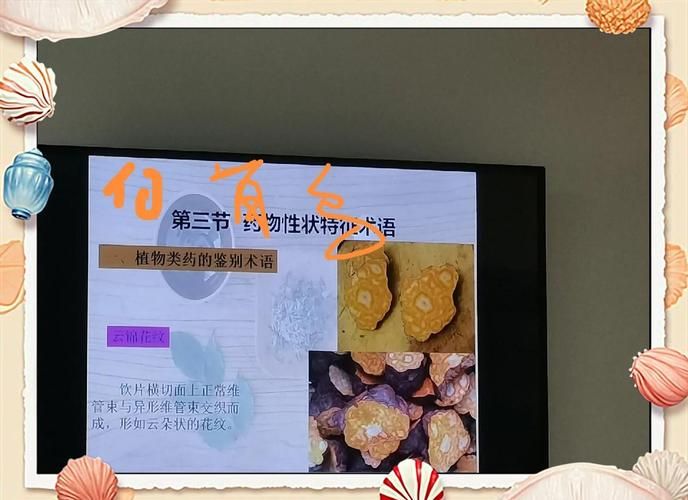
Ginper courage: a bear's guts are in the form of lumps, particles, thick ointments, yellow like amber, known as “ginper courage” or “gin courage”。
Courage: refers to a bear's yellow and green term as “courage”。
Ink urchin: refers to a bear's black or ink called “ink urchin”。
Oil courage: referred to as “oil courage” in the form of a bear's laundrum。
U-gold: refers to the oxen, orange or tan, individual surfaces with black light film known as “u-gold”。
Algae: when a finger identifies a cow's yellow, a small amount of cow's yellow is taken, water is painted on a fingernail, which can dye the finger to yellow and is not easily erased and is referred to as a “strength or” penetrator。
Artificial cow yellow: refers to synthetic cow yellow in powder form。
Concentric: refers to animal qualifiers and crosses can be seen in ring concentric lines. It is the formation of stones, known as the “concentric layer” such as oxen, pearls, monkey dates, mabel, dog treasure, etc。
Plumb light: the point is that pearls are colourful and therefore referred to as “black light”。
Ponyheads, snake tails, waffles: the head of a sea horse is like a “pony head” and the tail is like a “powder tail” and is thus summarized as a horse head, snake tail and waffle”。
The tiger mouth: a flat triangle with a finger to a snake head, a kiss to the upper end, with a wider mouth, known as the “dippo”。
Cube winner: the finger of the viper's back is wrapped in a diamond slab, with a vertically organized grouping of 24 square whites, known as “cube winner”。
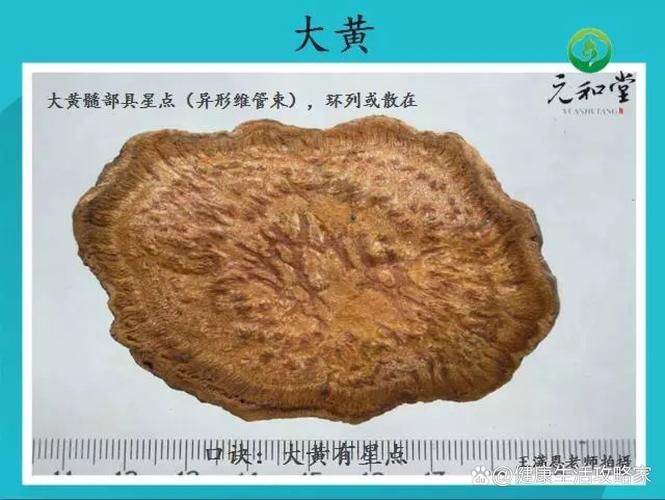
Monuments: the white plaster in the abdomen of the viper, mixed with most of the black plasters, are commonly known as “phorus beads”。
Fingernails: a long, triangleed piece of scales at the tail end of the fingernails, known as “fold fingernails”。
The back of a house: the back of a snake is soared that it is known as the back of a house or the back of a sword。
Aphids: are cylindrical “worms”, which are formed on the axles or handles of trees, such as saline wood; and “worms”, which are born on the larvae branches of uneating trees。
White cervic: the reproductive belt with a wide reference to the 14th to 16th steps of the dragon is yellow and white and is known as the “white neck” earthworm。
Sticky tongue: refers to a drug that is humid, licks it with the tongue and can suck it, so it is referred to as a “ sticky tongue”. It's like a dragon bone, a dragon tooth, a yellow sky。
Nailed: a nailed pebble with most of the milk on the outside, commonly referred to as “peg pebble”。
Mirror sand: the choice is to use a high-quality custard to make thin slices, while the colored radiant is called "red mirror" and the red one is called "cyanglass" collectively。
Bean petals: a grain-like cusp, coloured, bright, bean petals, thus known as “bean petals”。
Cube sand: a person who has small grains of cinnamon, known as "cubine sand", and a person who is even smaller, known as "rice sand"。
The above is a small compilation by the medical education network of the “summary of dictums commonly used in the pharmacy of the 42 animals and minerals sections”。









