Cranes play an indispensable role in industrial production as an important mechanical device. The maintenance of cranes is particularly important in order to ensure the proper operation of cranes, extend their useful lives and ensure safety in the workplace. This paper presents some basic knowledge and methods of crane maintenance, including the importance of crane maintenance, the basic processes of crane maintenance and the removal and maintenance of common malfunctions。
I. Importance of crane maintenance
The cranes are subject to heavy loads and frequent operations in their day-to-day operations, and are prone to wear, decompression and oil spills after prolonged use. These problems, if not repaired in a timely manner, not only affect the stability and efficiency of cranes, but may also lead to equipment failure and accidents, posing a serious threat to the lives and property of workers. Therefore, the maintenance of cranes is important for the safety of workers, the efficiency of work and the cost of operating。
Basic processes for crane maintenance
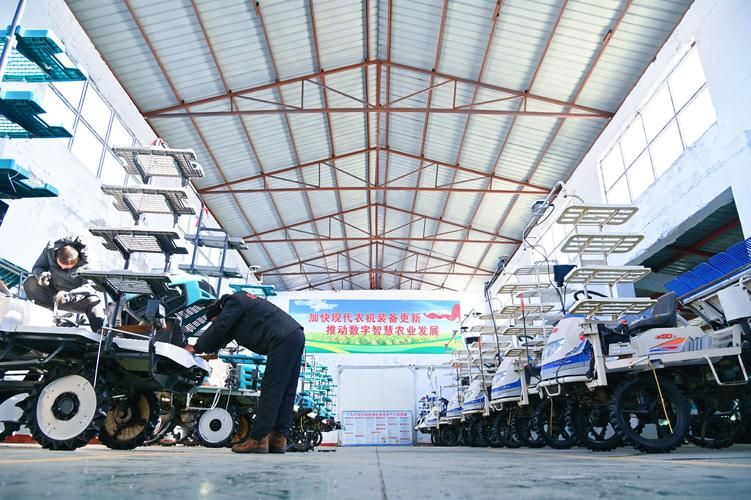
Maintenance work on cranes typically includes routine inspections, regular maintenance, troubleshooting and emergency repairs. These processes are described below。
1. Daily inspections
Daily inspections are the basis for crane maintenance. Through routine inspections, unusual conditions of the equipment, such as noise, vibrations, oil spills, wear, etc., can be detected in a timely manner and measures taken to repair them. Inspections include, but are not limited to, the appearance of cranes, lubrication, oil levels, electrical components, etc。
2. Periodic maintenance
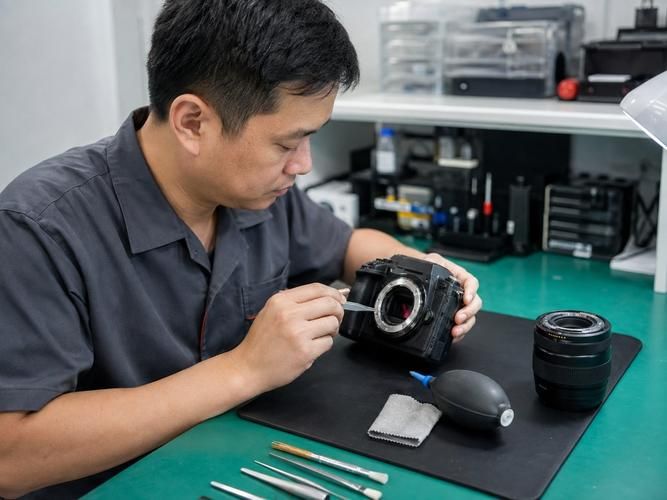
Regular maintenance is an important part of the maintenance of cranes and is intended to perform a comprehensive inspection and maintenance of equipment to ensure its stability and reliability. Regular maintenance includes, but is not limited to, cleaning equipment, tightening bolts, checking moving parts, lubricating components, checking electrical systems, etc. The spacing of regular maintenance is determined by the frequency of crane use, the working environment and the requirements of the manufacturer。
3. Dismantling
Even with routine inspections and regular maintenance, some malfunctions occurred in the use of cranes. This is a time for troubleshooting. Specific steps for troubleshooting include, but are not limited to, observation of phenomena, identification of causes, determination of solutions and repair of malfunctions. The process of troubleshooting requires experienced technicians。
4. Emergency maintenance
Emergency maintenance means immediate emergency maintenance measures to prevent further damage and to ensure the safety of workers in the event of a major malfunction or accident of equipment. Emergency maintenance is generally carried out by experienced and highly skilled maintenance staff with the necessary tools and equipment。
Iii. Dismantlement and maintenance of common malfunctions
The crane is often used with a number of common malfunctions, such as circuit failure, hydraulic failure, wear and tear of moving parts, etc. Methods of removal and maintenance of some common malfunctions are described below。
1. Circuit failure
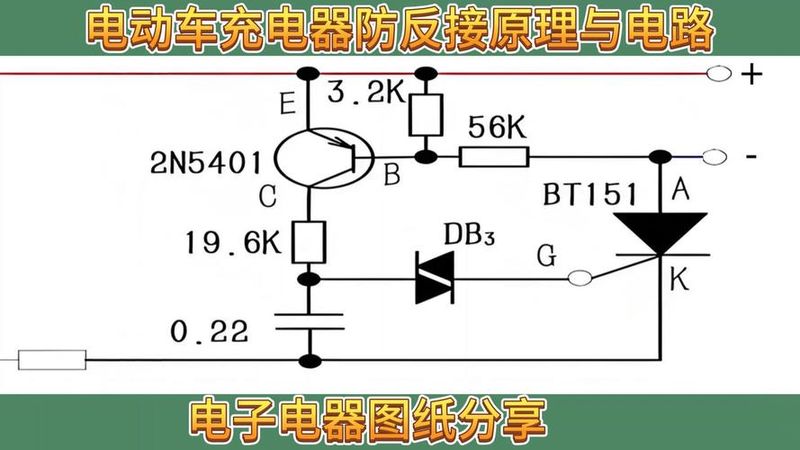
Circuit failure is one of the common failures of cranes. In the event of a circuit failure on the crane, there is a need to check the connection of the electrical system, including whether the cable is loosed and the circuit short. If looseness is detected, it should be secured in a timely manner; if short circuits are detected, insulation should be performed. If, after these problems, circuit failure continues, electrical professionals will be required for maintenance。
Hydraulic failure
Hydraulic failure is one of the common failures of cranes. When the hydraulic system fails, the level of the hydraulic fluid, the pressure is normal and the filter is blocked. If all these aspects are normal, but the hydraulic system is still malfunctioning, it may be that parts such as hydraulic pumps, hydraulic valves, etc. Are worn out or damaged and need to be replaced。
3. Motion parts wear
Due to the long-term use of cranes, moving components such as gears, chains, etc. Are prone to wear and tear. The wear and tear of moving components can lead to increased crane noise and reduced work efficiency. Once wear and tear have been detected, the moving parts should be replaced in a timely manner and lubricated as required to ensure normal operation。
In summary, the maintenance of cranes is important to ensure the proper operation of the equipment, to improve the efficiency of work and to ensure the safety of workers. The maintenance of cranes includes such steps as routine inspections, regular maintenance, troubleshooting and emergency repairs, and requires appropriate maintenance methods for different malfunctions. The maintenance work is scientifically sound and can extend the life of cranes, ensure safety of production and increase work efficiency. Enterprises and workers should therefore give high priority to the maintenance of cranes, devote sufficient human and material resources to maintenance, and focus on the training of specialized repair personnel to improve the maintenance level and efficiency of cranes。
Henan kruder heavy industries ltd

Crane maintenance. Published by: henan. Reproduced at: https://www. Qizhongji. Com/crane/23406. HTML