The requirements for washing machine maintenance are as follows:
1. To ensure that the washing machine has been powered out in order to avoid electric shocks during maintenance。
Check the power lines and plugs of the washing machine to confirm that they are not damaged or ageing。
3. Check water entry valves and drain pumps of washing machines to ensure that they work normally without congestion or leakage。
4. Check the door seals and seals of the washing machine and confirm that they are not worn or damaged to prevent leakage。
5. Check the internal parts of washing machines, such as belts, bearings and electric appliances, to ensure that they are not worn or damaged。
6. Check the washing machine's control panels and circuit boards to confirm that there were no burnt or damaged elements。
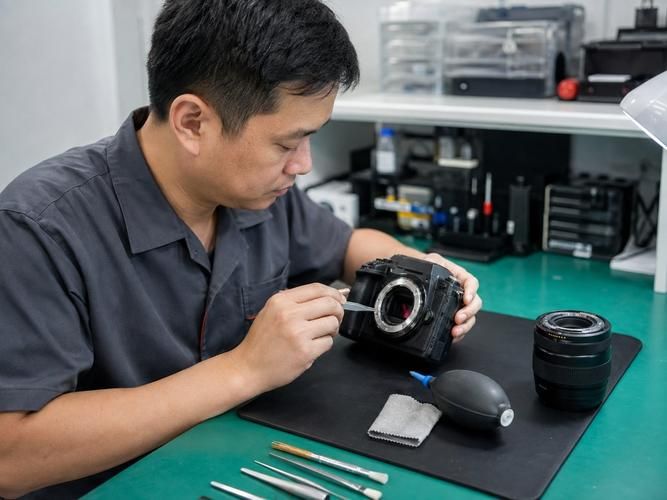
7. Maintenance using appropriate tools and accessories to ensure quality of maintenance。
8. Upon completion of maintenance, a test operation was conducted to confirm that the washing machine was working。
9. Clean-up and repair sites to ensure that there are no leftover tools or spare parts。
Provision of maintenance reports detailing maintenance processes and replacement parts。
Please note that if the washing machine is still under warranty, it is recommended to contact the plant or authorize maintenance to avoid compromising the warranty interest。
The maintenance of washing machines is characterized by the following:
1. Diversity: the variety of washing machines, including beams, rollers, fully automated, semi-automatic etc., varies in structure and working principles for each type of washing machine and requires appropriate knowledge and skills for maintenance。
2. Technical: the machine's internal structure is complex and involves a variety of areas, such as machinery, electronics, control, etc., and maintenance personnel need to have some technical knowledge and practical experience。
Safety: the maintenance of washing machines involves electrical safety and must be carried out in strict compliance with safety protocols to prevent the occurrence of safety incidents such as electrical shocks and short circuits。
Diagnosis: the failure of the washing machine may be caused by a number of causes, and maintenance personnel need to accurately diagnose the cause of the failure by means of observation, testing, etc. To enable effective maintenance。
Replacement: some parts of washing machines, such as electric machines, belts, pumps, etc., are easily worn or ageing and often need to be replaced during maintenance。
6. Cleaning: the washing machine is prone to accumulation of dirt and bacteria, and maintenance requires internal cleaning to ensure its hygiene and effectiveness。
7. Cost: the maintenance of washing machines may involve higher costs, including spare parts, labour costs, etc., and users need to weigh the cost of maintenance and the cost of purchasing new machines。
8. Serviceability: laundry machine maintenance services need to be responsive in a timely manner, and maintenance personnel should have good service and communication capabilities to meet user needs。
9. Preventive: regular maintenance and inspection of washing machines can prevent malfunctions and prolong their useful life。
10. Environmental protection: in the maintenance process, care should be taken to protect the environment from environmental pollution by rational disposal of used and end-of-life components。

The maintenance of washing machines is characterized by the following:
1. Technical: laundry machine maintenance requires a certain level of electronic technology and mechanical knowledge, an understanding of the working principles and structure of the washing machine, the ability to accurately diagnose and repair malfunctions。
2. Diversity of malfunctions: the type of failure of the washing machine is diverse and may involve multiple components, such as circuit boards, electrics, drainage pumps, locks, sensors, etc., and maintenance personnel need to have a full fail detection capability。
3. Tools and accessories: tools and accessories required for the maintenance of washing machines, such as universal watches, screwdrivers, wrench, etc., and replacement parts of models。
4. Safety precautions: washing machine maintenance involves electricity and water, poses a certain security risk and requires compliance with safety protocols to ensure the safety of persons and equipment。
Client services: laundry machine maintenance usually requires door-to-door services, and maintenance personnel need to have good communication skills and service awareness to be able to answer client questions and provide advice。
6. Timeliness: washing machines are appliances used daily in households, and clients usually wish to repair them as soon as possible after a breakdown, so maintenance services need to respond quickly and solve problems in a timely manner。
7. Cost control: maintenance costs are the focus of the client's attention, and maintenance personnel are required to provide maintenance programmes at a reasonable price and to control maintenance costs。
Environmental requirements: in the maintenance process, care needs to be taken to dispose of waste parts, to comply with environmental requirements and to reduce environmental impacts。
9. Continuous learning: as washing machine technology is not new, maintenance staff need to continuously learn new technologies and learn how to maintain new products。
Quality control: upon completion of maintenance, rigorous testing and inspection are required to ensure that washing machines are back to normal functionality and are provided。
These characteristics require that washing machine maintenance staff have the skills, good services and implementation capacity to meet client needs。

The role of washing machine maintenance includes the following:
1. Restoring function: when the washing machine fails, maintenance will enable it to return to normal working conditions and ensure that clothes can be cleaned effectively。
2. Extension of life: periodic repairs and maintenance can prolong the useful life of washing machines and reduce major failures due to accumulation of minor problems。
3. Cost savings: timely maintenance can avoid minor problems becoming a major problem, thus saving the cost of replacing new washing machines。
4. Safety: maintenance can address possible safety risks to washing machines, such as electricity and water leaks, and ensure user safety。
5. Rates of withdrawal: maintenance will optimize the performance of washing machines, increase the efficiency of washing and save utilities。
6. Sanitary maintenance: repairs can clean up dirt and bacteria inside washing machines, keep washing machines clean and avoid secondary contamination of clothing。
7. Noise reduction: maintenance can address abnormal noise in the operation of washing machines and improve the ease of use。
8. Upgrading user experience: addressing laundry machine problems through maintenance can enhance user experience and reduce inconvenience caused by equipment failure。
Overall, washing machine maintenance is an important measure to ensure the proper operation of washing machines, extend their useful lives, ensure user safety and enhance their use experience。
The role of washing machine maintenance is mainly as follows:
1. Restoring function: washing machines may be used for reasons such as non-working, non-drainage and non-dehydration. Maintenance can address these problems and restore the washing machine to normal working conditions。
2. Extension of life: regular maintenance and repair of washing machines will enable potential problems to be identified and resolved in a timely manner, thereby extending the useful life of washing machines and avoiding major malfunctions caused by the accumulation of minor problems。
3. Rates of withdrawal: laundry machine maintenance ensures that various parts of the washing machine are operational, improves laundry efficiency, reduces utility consumption and saves energy。
4. Safety: electrical and mechanical components are present inside the washing machine and may pose a security hazard if they fail. Timely maintenance removes these security risks and secures user access。
Cost savings: maintenance of existing washing machines is usually lower than acquisition of new washing machines. Through maintenance, users can continue to use washing machines without spending significant funds。
Environmental considerations: maintenance of washing machines can reduce the generation of waste, comply with environmental concepts and reduce environmental impacts。
7. Upgrading user experience: washing machine maintenance can improve the performance of washing machines, enhance user experience and make the laundry process more smooth and comfortable。
In sum, washing machine maintenance not only solves specific malfunctions, but also brings multiple economic, environmental and user-friendly benefits in the long term。
The scope of operation of washing machine maintenance includes, but is not limited to, the following:
1. Laundry machines do not start or work in an irregular manner: may be caused by power problems, control panel failure or electrical damage。
Water leaks in the washing machine: may be damage to a pipe, drain or seal, requiring inspection and replacement of the relevant parts。
3. The washing machine makes too much noise: it may be a bearing wear and tear, a loose belt or loose internal parts that require adjustment or replacement。
4. Laundry machines are either non-drained or poorly drained: they may be drainage pumps blocked, drain pipes bent or drain valve failure, requiring clean-up or replacement of related components。
5. Poor washing of washing machines: it may be that the detergent is inappropriately placed, water level sensors fail or roller imbalances need adjustment or maintenance。
6. Laundry doors could not be opened or closed: the door lock failure, damage to the door chain or control panel problems required inspection and repair。
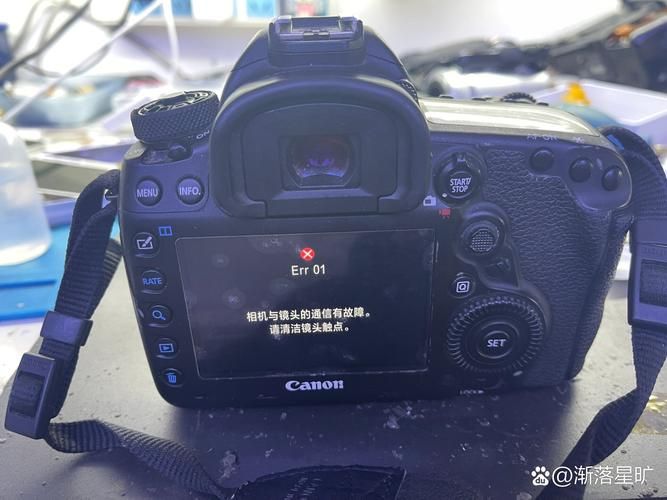
7. The washing machine displays the wrong code: it may be sensor failure, circuit board problems or other internal malfunctions that require diagnosis and maintenance based on the wrong code。
8. Laundromat rollers do not turn or rotate abnormally: it may be electrical failure, belt fractures or cylinder bearing damage that requires replacement or repair。
9. Laundries enter pipes or drain pipes: it may be that there is an accumulation of alien or water in pipes that needs to be cleaned or replaced。
10. Laundry machine control panel failure: may be key damage, circuit board failure or loose connection, requiring inspection and repair。
These are common areas of application for washing machine maintenance, and specific issues need to be diagnosed and addressed on a case-by-case basis。