As a trusted vehicle model in the field of commercial vehicles, the maintenance and repair work of the gang bell is essential to safeguard vehicle performance and extend its useful life. A detailed and accurate home maintenance manual is not only a skilled assistant to a professional technician, but also a window for each owner to gain insight into car-friendly structures. This paper will help you build a complete maintenance knowledge system。
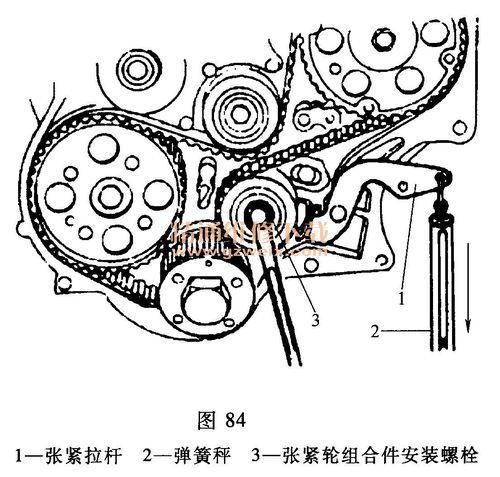
First, maintenance information for engine systems is a top priority in the manual. The manual details the mechanical structure of the engine, including the gas tank, the piston component, the curvature collage unit and the gas distribution unit's dismantling steps and testing standards. For car types carrying diesel power, the manual has precise indications of maintenance parameters for high-pressure co-orbiting systems, jets and fuel metering valves. For example, in relation to the maintenance of fuel systems, the manual stresses the need to adhere to the required screw-wire values for tightening and provides clear operational guidelines for sealing of fuel pipelines. At the same time, the manual provides a timing map of the engine, which is a key basis for ensuring that the engine works smoothly and that the power output is smooth and that any maintenance of the time structure is strictly in accordance with the manual。
Second, electrical systems and circuit maps are highly technical components of the original plant manual. The manual provides a detailed road map of the vehicle, a beam orientation map and a needle-leg definition of the control module. Whether the light system, the working state of the rain-scraper, or the transmission of signals from the diagnostic engine electrical control unit (ecu), the maintenance staff are able to access the fast-track location line connections through the manual. The manual contains, inter alia, a map of the location of the safety box and relays, with a clear indication of the circuits protected by each fuse and relay, which greatly facilitates rapid screening of electrical system problems. For new energy sources or hybrid models, the manual also specifically updates the blackout process and insulation detection specifications for high-pressure components to ensure the safety and regulation of maintenance processes。
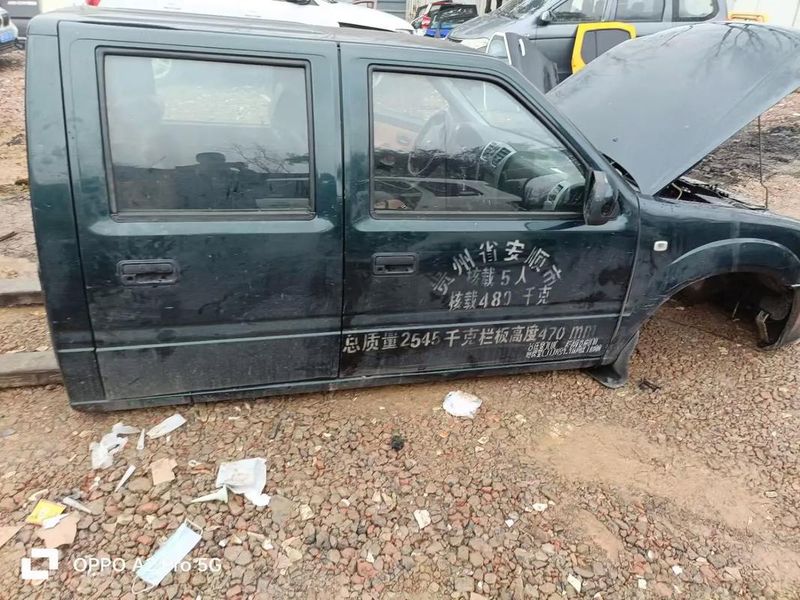
In addition, maintenance data for chassis and moving systems are equally essential. The manual details the decomposition and assembly processes of the gearbox, including the alignment of gear gears. For suspension systems and conversion to institutions, the handbook provides shock-mitigators, lower arms and replacement criteria and four-round positioning parameters for the switch to poles. With regard to the brake system, the manual gives clear recommendations on the wear and tear limits of brake plates, the maintenance method for brake card clamps and the replacement period for brake fluids. For the 4x4 model, the manual also contains maintenance elements for split boxes and transmission axes to guide users on how to check and lubricate the condition of all-way sections, thereby ensuring the reliability of vehicles in complex road conditions。
Finally, maintenance guidelines for body parts and interiors are an integral part of the manual. The section covers door locks, window lifts, seat-regulated slides, and a decorative course for medium control panels. The manual shows the location of the buttons and the compactor through decomposition diagrams, and guides maintenance staff to avoid damage to the inner palettes during the dismantling process. At the same time, the manual also provides reference data on the size of the body gold maintenance, which provides a baseline for the verification of the size of the recovery. For air-conditioning systems, the manual details the process of overhauling compressors, condensers and expansion valves, as well as the charger standards for refrigerants to ensure that air-conditioning systems remain in an efficient state of refrigeration。

In sum, the maintenance manual for the river bell palace plant is a collection of technical literature that is systematic, authoritative and practical. It is not only an encyclopedia that addresses the various types of vehicle, but also a basis for regulating maintenance operations and ensuring the quality of maintenance. Whether it is a routine maintenance exercise of 10,000 kilometres per trip or a complex vehicle overhaul exercise, it will be a habit to review the maintenance manual of the plant at the site。