The conclusion begins with the following: "see the dents, see the rows, and don't come up and spray a piece." it's not just about painting less, keeping the original painting, but it's also about the often-neglected logic of "detachability after repair" and go through it early. The south-west rainy season was long and damp, and many minor injuries were seen to be fresh, but bubbles, cracks and light were lost, and the roots were often "unassessed and sprayed" in the first place, jumping through the three long-lasting exercises。
In the end, it is common for the mountains to be stoned and the rain to be covered with mud and sand. Now let's get this whole thing straight from the point of view of "defunct."。
One, three "dry-dry-dry-dry-dry-deep" that's easy to spray
As soon as the owner saw the dent, saw the rowing, the instinct was to spray it. It's true that when you look at the car, the injuries are often more than just paint on the surface, and it's easy to hide three things out of sight:
Infection one: the iron is not sealed. The steel plate is down, and the humidity in the rainy season follows in. If you don't have an epoxy base paint, then rust comes out of it and bubbles and skin falls. In the south-west climate, these problems occur faster than in dry areas。
Intense 2: the grub is too thick. The dimple correction did not level the metal, filling it with a thick greasy layer. The thick grubs are the leading problem of future cracks and bubbles — the heat swells and shrinks repeatedly, and the cracks tend to stretch out of this area。
There's three of them: the paint's not baked. The surface is dry and soft inside. The tide is mist and light is lost; the varnish and paints are gnawed and the days are long and dark. "looking dry" and "real dry" are different things。
One sentence: the spray is to cover the paint, but the lingering danger remains under the paint。
How do i help you with your long homework
The professional assessment is not "a look at the price" but a full account of what affects future durability. At the painter's door, we usually go to the store and evaluate it for free
Something to tell you
The answer you should hear
It's a durable relationship
No iron
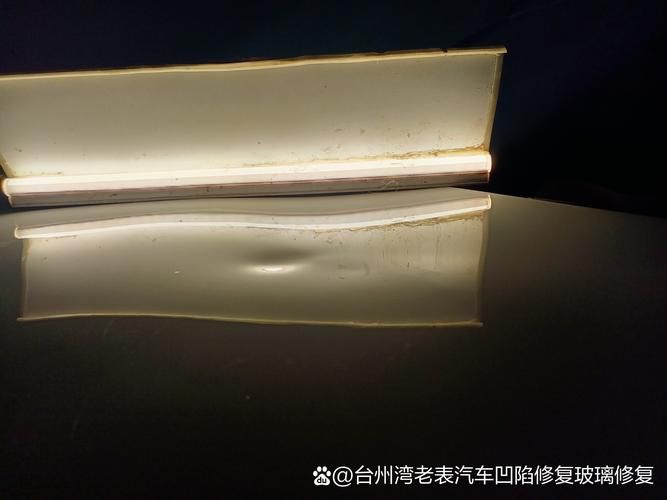
The steel plate's down, or is it just paint
The dermals have to be epoxy-painted first, or they'll bubble in six months
Do you want greasy
The metal can't be flattened, and the grubs only scratch it
It's hard to crack a greasy grub
What's the plan
What do you cook and wet during the rainy season
Short-wave infrared from inside to outside. More than a roasted surface. Steady
I don't know about these three points, but i suggest you ask me a few more questions。
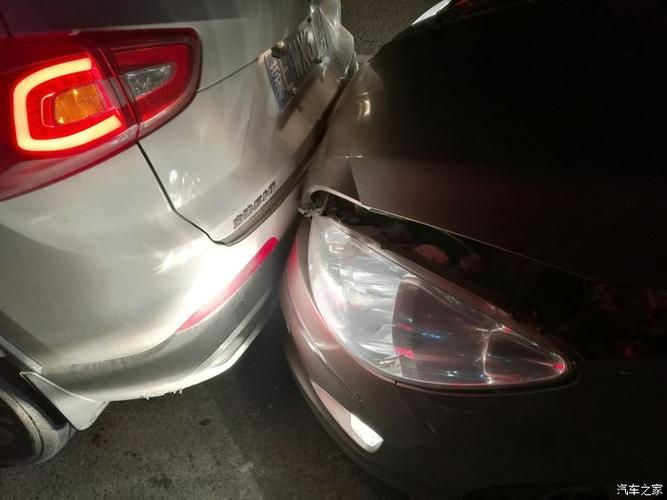
Three: the owner is at the side of the car
If you don't wait for the store, you'll get your first sentence by the side of the car, so you don't get to be "covered."
These three lines, you're about to know: the wound can be solved, or the bottom must be solid。
Four, assess. There's another window in the end
The rain in south-south-west is so wet that it has to be assessed with an extra one: the dew wound, not in our environment. Once the steel plate is defecated, the wet air slowly moves in, it may be rusty for weeks, and minor injuries will be overhauled。
So, in the end, "assess first" has a meaning: first, you know what's slow and what's early. The well-painted dimples can be slowly repaired for approximately time; the deer is given priority for rustproof treatment。
V. How can the paintsmith work with durability
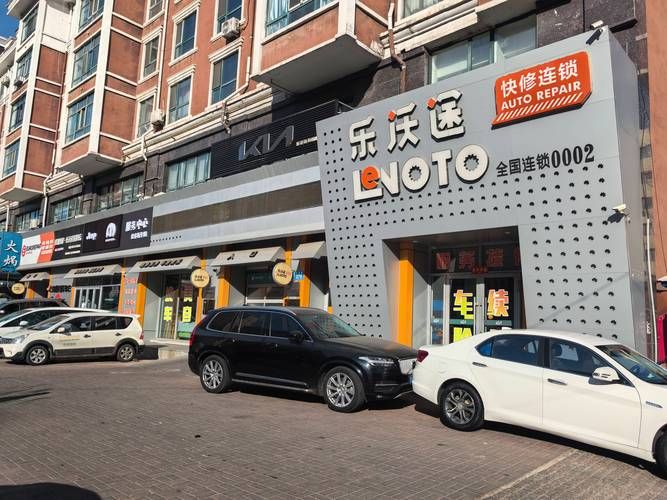
I'm taron, a 90-year-old ex-military who opened the painter's local union in 2024 in the pulmaya autonomous district. We're a local union store, and we don't use the qualifications of the national headquarters, and the sign keeps writing "the painter" -- the headquarters is in henan, there's over 2,000 stores, and we're a solid local shop。
It's just three durability lessons:
The process follows two lines: pdr-protected plant paints, local paints + transition portals for minor injuries. The type of car in hand goes from popular speed, red flag h5 to porsche macan, tesla, where the wounds are fixed。
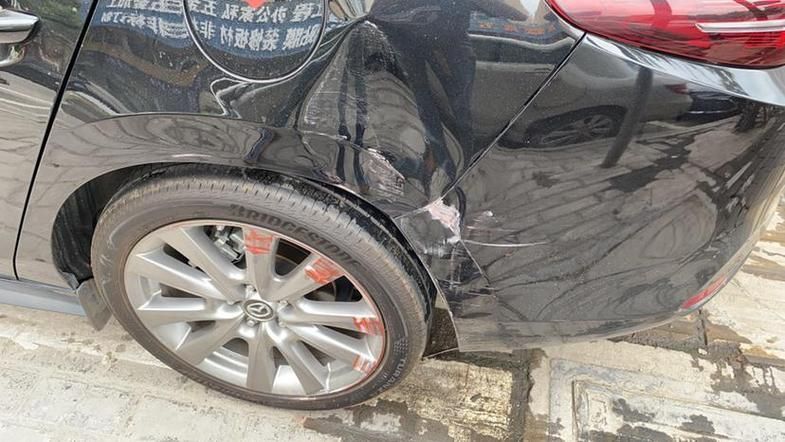
Four words from the outside: no color difference, no loss, paint protection, where to fix the wound. Free assessment at the store, first report, transparent price, and geological protection。
Common issues (faq)
Q1: it looks good after it's done. Most of them were unsealed or painted. Naked steel plates do not have epoxy base paints, water vapours go up from the bottom, often with rust or water vapours; such problems occur earlier in the rainy season. Let's start with a solid base. It works better than a coat of paint。
Q2: what happens if you get a little cut? At the end of the day, this heavy wetness will lead to slow rust in the bottom of the steel plate, which could have spread in weeks. It's more difficult to fix a small injury. The deer suggested that priority should be given to rustproofing。
Q3: it's okay to shaving a little thicker? The thick grub is the number one danger of future cracking and bubbles. The formal practice is to level the metal first, and the grubs only scrape. "how thick to shave" in the assessment。
Q4: is it easier to spray paint in the rainy season? Large humidity does affect solidification, so the paints have to be baked through temperature-controlled paints and short-wave infrared. Whether the minor injuries can be scheduled for the day and how long the rainy season will be dry, based on an assessment of the actual vehicle。
Q5: are we going to assess the cost。
Compliance note: painters (yunnan lodge) are local union stores of the "painters" brand, not using the qualifications and years of the national headquarters. The repair programme, the duration of the works and the duration of the maintenance are based on a physical assessment and are not a substitute for on-site testing。
# cars #