The brands are all in direct camp as soon as they start, and the brands are burned and the brands are still in place; they are simply fed up and of no quality. What are we going to do about itChain operationHow the business model works is what a large number of new consumer brands from 2025 to 2026 had to find out after they had repeatedly tripped and tried。
Joining forces will spread the market quickly
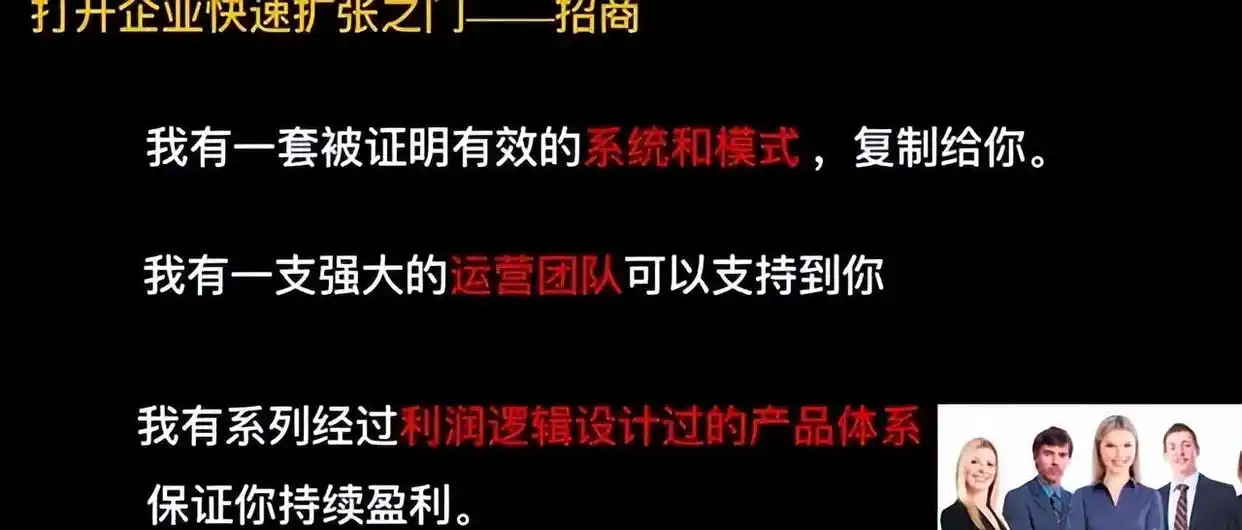
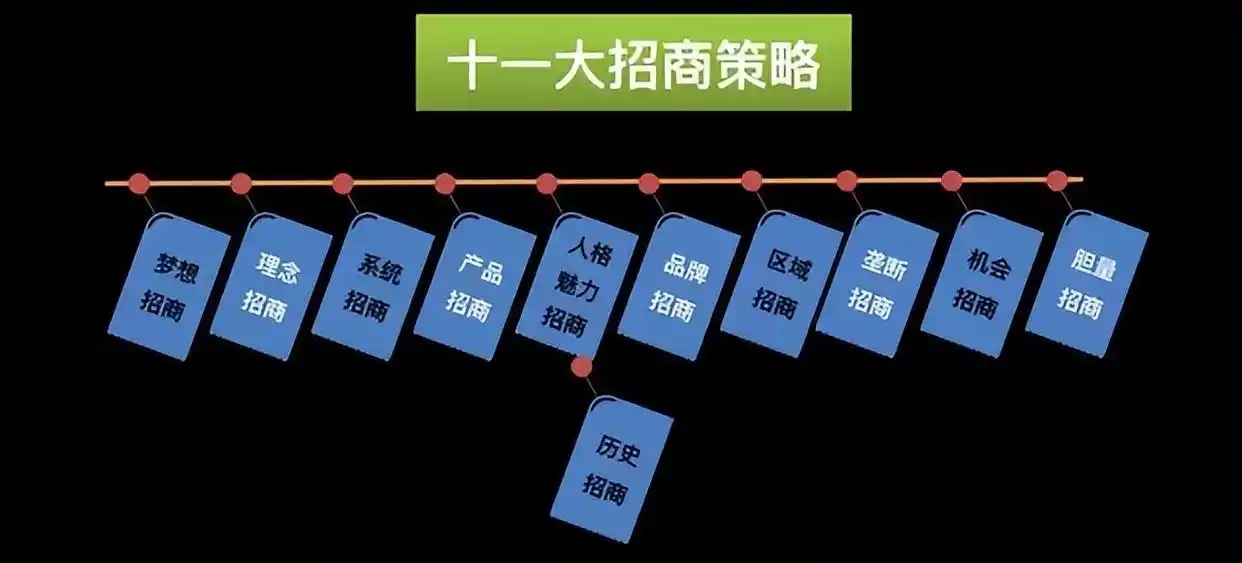
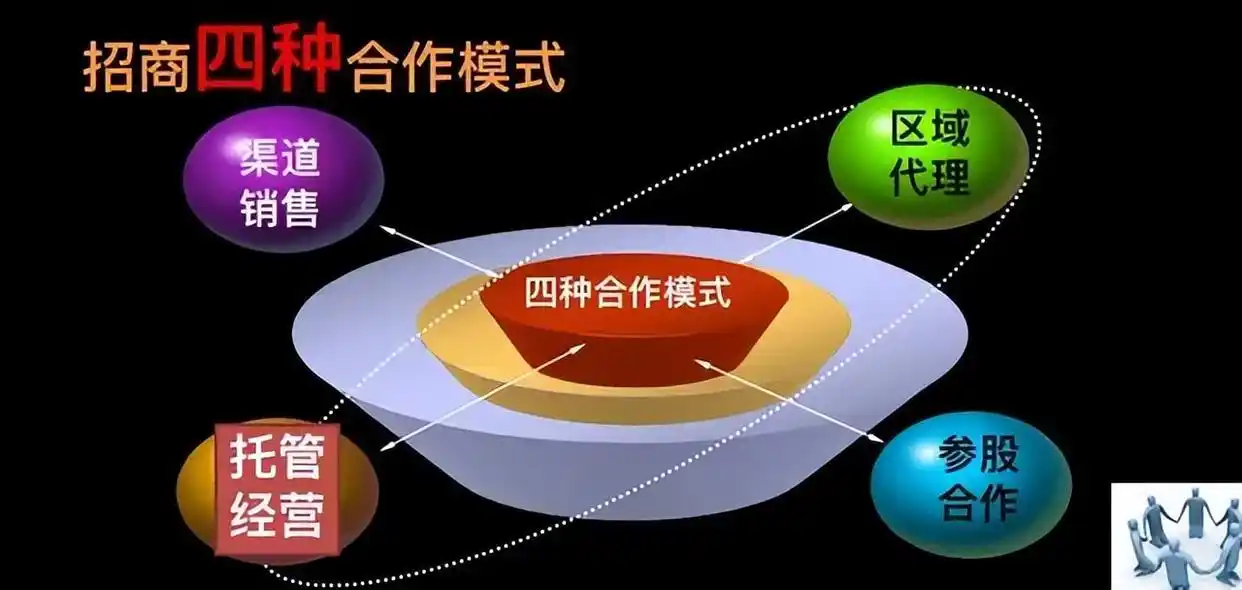
From 2024 to 2026, a large number of new consumer brands chose to join rather than go straight for the direct reason that they brought their own local business community resources and customer networks, and branders did not have to carry them all from site selection and refurbishment to recruitment. A brand would cost between 800,000 and 1 million to open its first direct business in hangzhou, but the total investment could be 400,000 and market penetration would be two to three times as fast through three or five of its allies who would simultaneously land in different cities。
The costs are also evident. The total costs of logistics, storage and channel management are compounded by the circulation of products or services by the associated companies, with the overall cost of circulation being 15 to 25 per cent higher than that of direct battalions. According to a new tea brand data for 2025, the cost of a single cup distribution in a union store is about $1. 2 million more than in a direct business store, and the cost of logistics is over $30 million in more than a year in a national store。
Unionists and branders are in conflict with targets
The association calculates the short-term bill: 200,000 stores have been invested in 18 months, after which it earns between 80,000 and 100,000 net per year. Branders count long-term accounts: brand recognition, buy-back rates, and the accumulation of user assets require continuous investment. In 2025, a chain of baked brands introduced new products in the east china district, and the headquarters requested that the door shop harmonize the new roast series, with 9 of the 12 allies refusing to cooperate on the grounds that the new goods occupied the shelf and affected the delivery of the old ones。
The deeper contradiction lies in the attribution of data. Branders need to collect purchase records, taste preferences and repurchase cycles for product overlays, and promoters are reluctant to share data as their own business. In 2026, a chain of coffee brands was upgraded to membership in the south-west region, with only synchronized trades, refusal to open user images, and the inability of headquarters to accurately push new arrivals, with a conversion rate 40 per cent lower than in the direct camp area。
Direct control of brand quality
Under the direct-run model, branders are in charge of their own business, from research and development, procurement, production and door-to-door services. In 2025, a chain of fast-food brands owned more than 200 direct-camp shops across the country, using the central kitchen for distribution of core sauces, which were only assembled and fed, with a quality fluctuations of less than 3 per cent. Where consumers go, the tastes and rhythms are basically the same, and brand trust is just what comes out of it。
The direct camp also has a hidden advantage: a short feedback loop. The door manager reports sales data, customer complaints and the dynamics of the competition in the vicinity directly on a daily basis, and the ministry can deploy within a week. In 2026, a chain of tea brands measured the new base tea in the direct camp area, received 12,000 consumer scores for two weeks, decisively cut off two formulations and saved the cost of a subsequent roll-out of about 5 million trial errors, one month earlier than the feedback cycle at the union stores。
Light quantitative trends in company operations
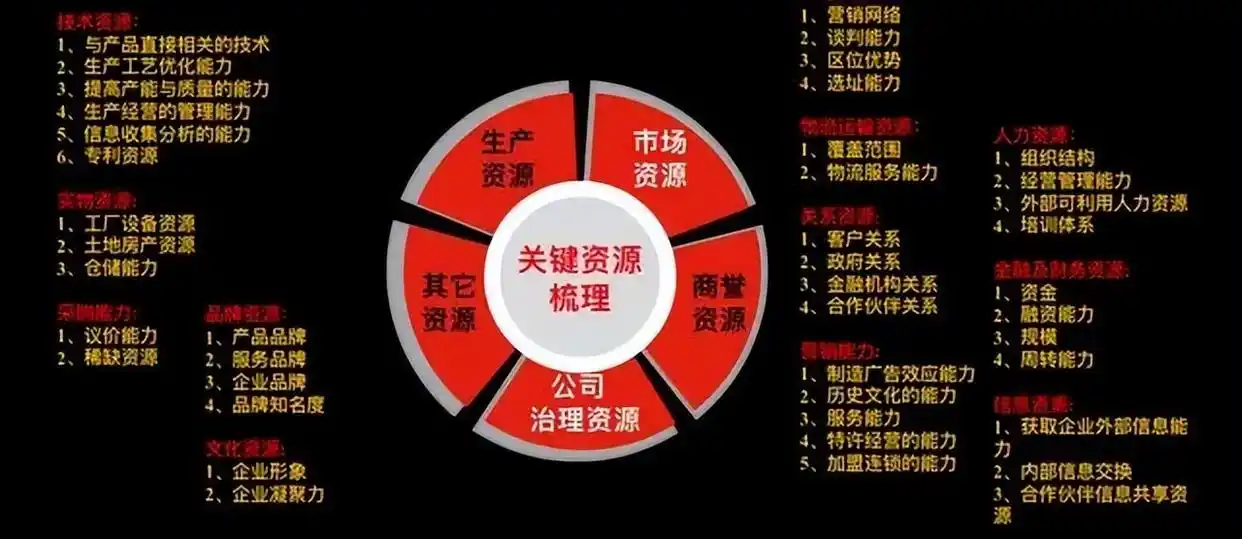
Financial reporting data for 2025 show that the share of fixed assets in the total assets of the catering head chain decreased from 32 per cent in 2020 to 21 per cent, and that the acquisition of equipment and the renovation of doors is increasingly being financed by leasing or outsourcing. Companies are becoming lighter and core assets are no longer plant equipment, but brand ip, supply chain agreements and digital mediums. Light assets reduced trial error costs and expanded at a significantly faster rate, with the average financial occupancy of new businesses in 2026 being nearly half lower than three years ago。
The contractualization of operations is another trend. In 2026, a chain of convenience brands outsourced logistics to third parties, with a saas platform for cash collection, a lined-out manpower company, and headquarters retaining only brand management, product development and supervisory training. This structure allowed it to shut down 60 of its worst performing shops in the first half of 2026, with demobilization and asset disposal costs being half lower than the traditional model and no problems with the financial chain。
Standardised decision to chain the ceiling
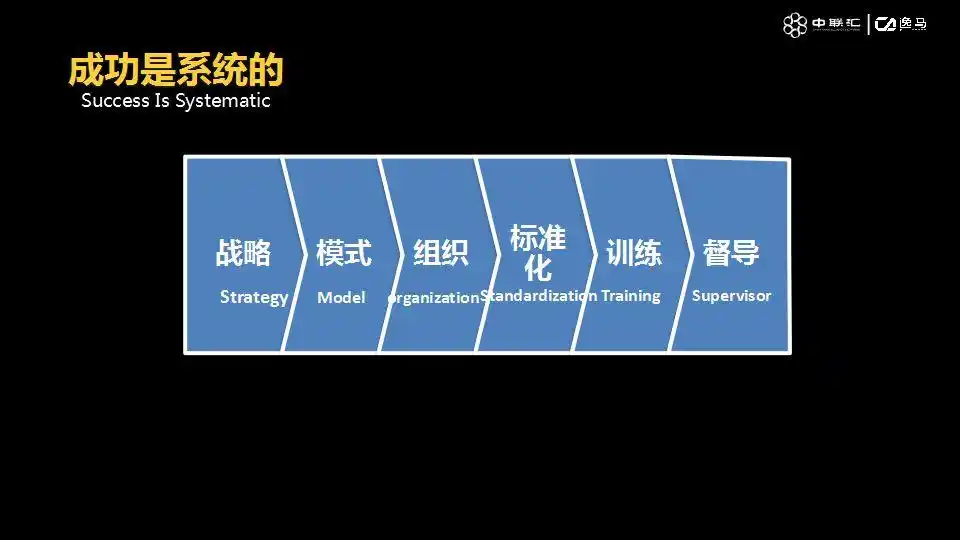
Standardization is the watershed where the chain can run away. In 2025, a chain-to-cooked boiler store had all the bottom recipes, palletization processes, service talk and even background music volume in its operating manual, and the training of new door shop employees had been reduced to five days. The result was an expansion from 80 to 210, and customer satisfaction was maintained at more than 4. 7 points, without a deterioration in quality. Without this standard, the reputation would be scattered to 50, and the brand name would be empty。
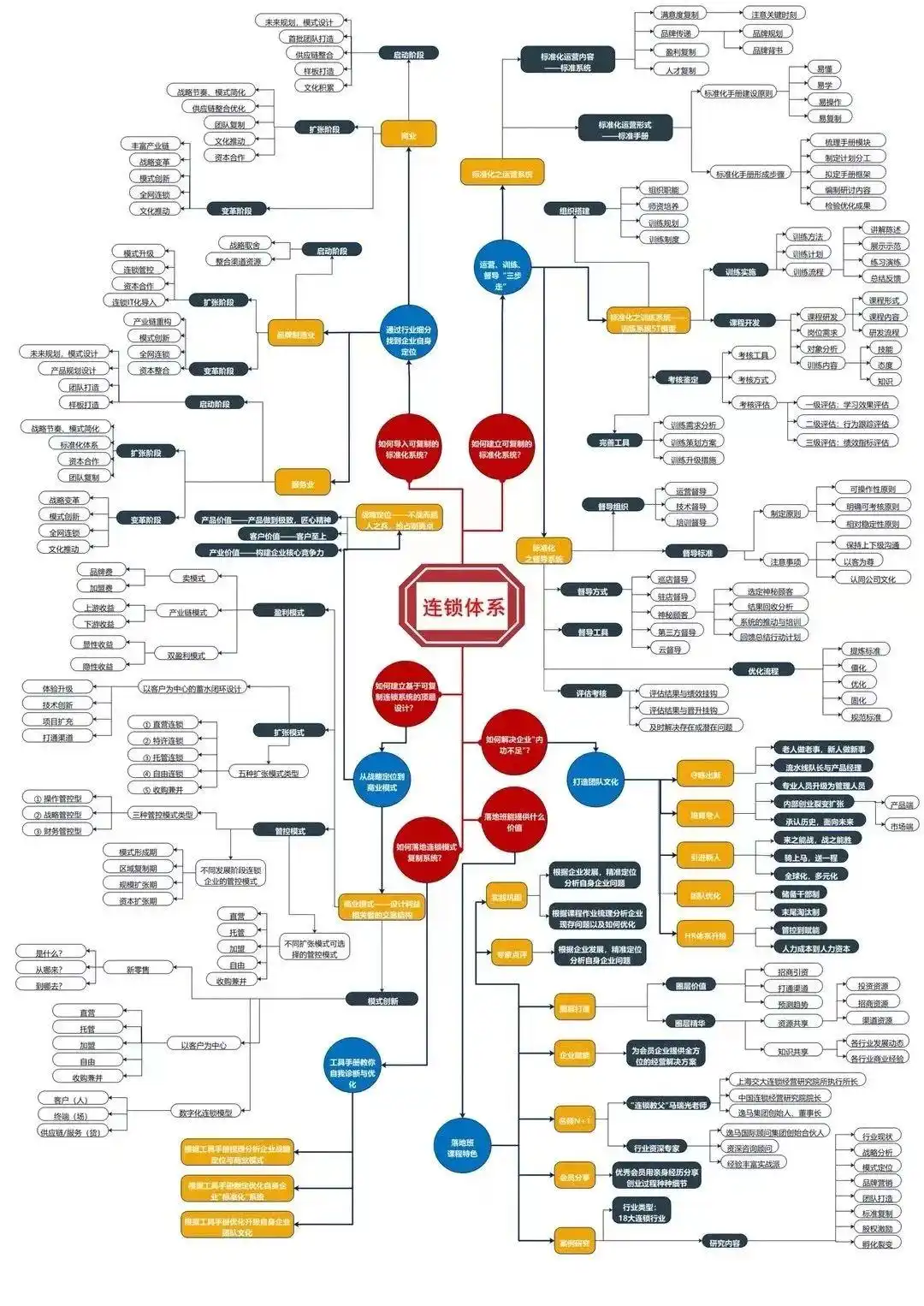
However, standardization is not done by throwing the headquarters manual to the association. In 2026, a chain of baking brands found the same formulation in the south and north-west stores, with an inflation rate of nearly 15 per cent, owing to different humidity. The headquarters subsequently adjusted the fermentation parameters by regional climate in three sets of operating standards. This suggests that standardization needs to be realistic and that a one-size-fits-all approach can only transform implementation, and that brand unity has been broken, with greater resentment。
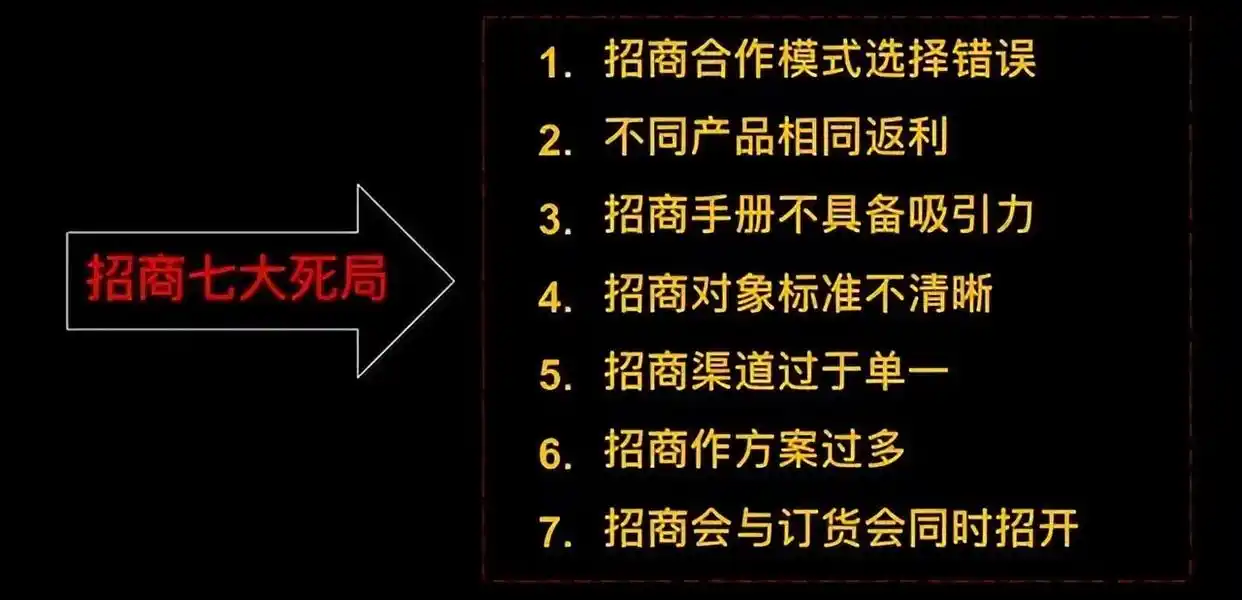
The single-store profit model is a lifeline
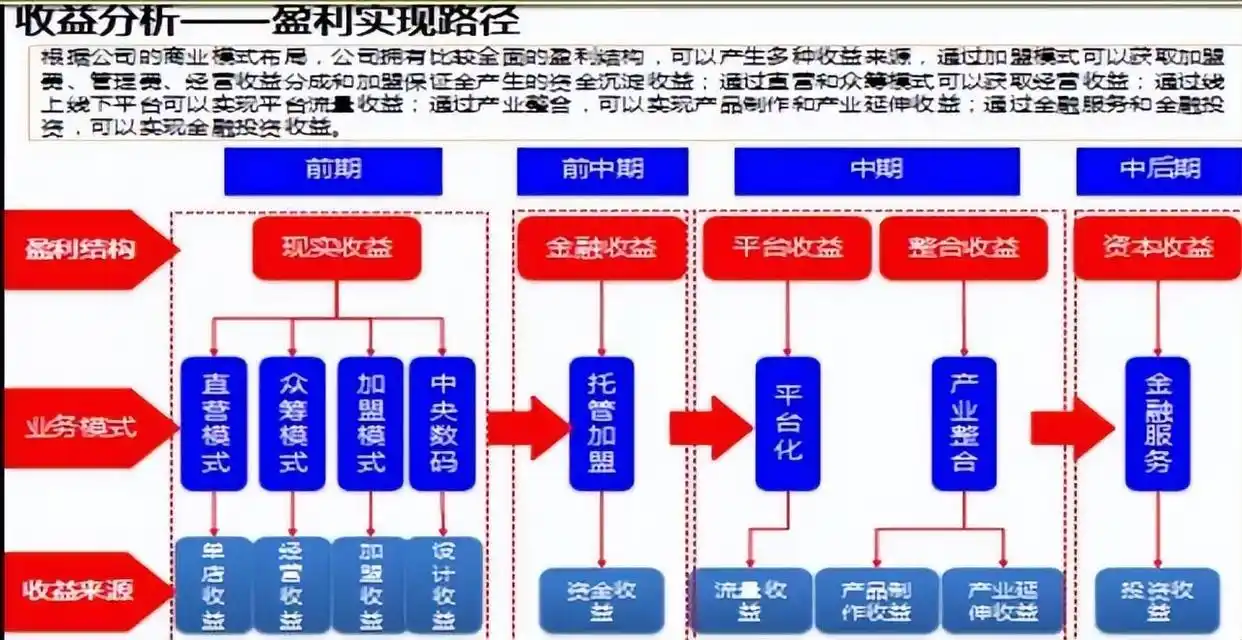
The biggest change in the chain of union industries between 2025 and 2026 was that the unionists no longer read only brand names, but rather model single shops using calculators. The amount of the investment, the monthly rate, the current cycle and the net rate of the māori rate are calculated in each case. A 12-month cash flow forecast for a single store is presented directly in the 2025 solicitation manual for a chain of halogen-flavoured brands, with a 30-per-cent increase in the contracting rate for affiliated firms, while transparency has created trust and a 5-per-cent drop rate。
Model design also requires the use of existing resources in enterprises. In 2026, a chain of fitness brands placed online private education courses running through headquarters directly into the shop without extra development, saving about 150,000 r & d per year. The membership system and headquarters are unified, consumer cross-city consumption data are interoperable and the buy-back rate is 22 per cent higher than that of an independent store. The more resources are gnawed at each other, the more profitable the single store model is, the more persuasive it is, the more steady the pace of expansion。
Is your brand going straight, fortified or mixed? Which one of the more painful aspects of expansion, standardized enforcement and union management? Welcome to the comment section to share your true experience, and if you think it's useful, please compliment the collection and forward it to your friends who are planning the chain。