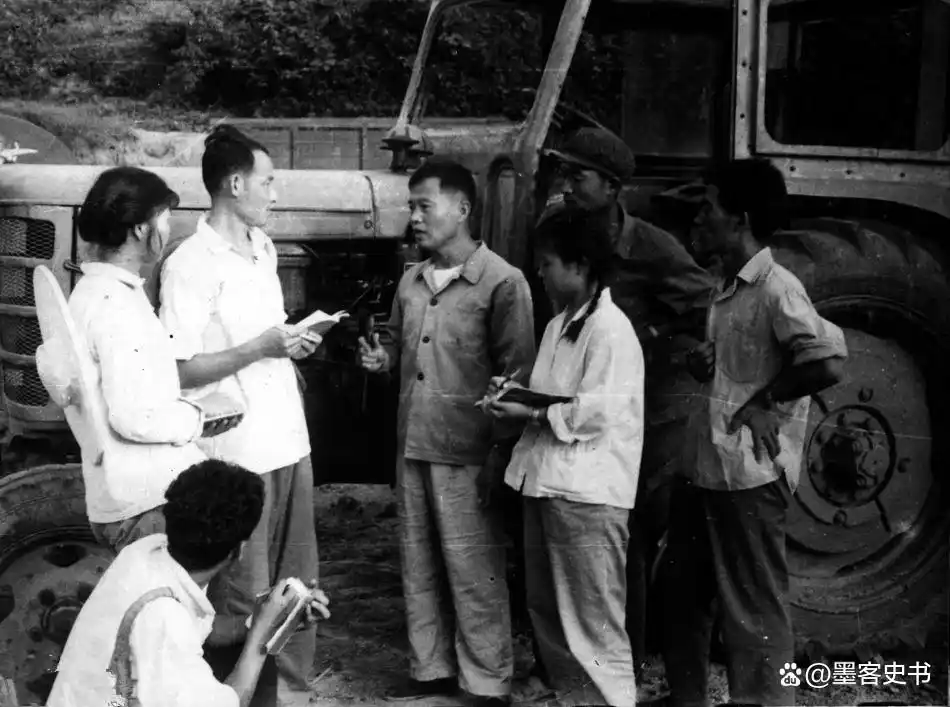
In 1955, 60 beijing youths took a train to the heilong river seedland; in 1978, the country spent more than $30 billion to bring them back to the city. Thirty years of youth in exchange for a large bill, which deserves every chinese figure。
The beginning of 60 people in heilong river
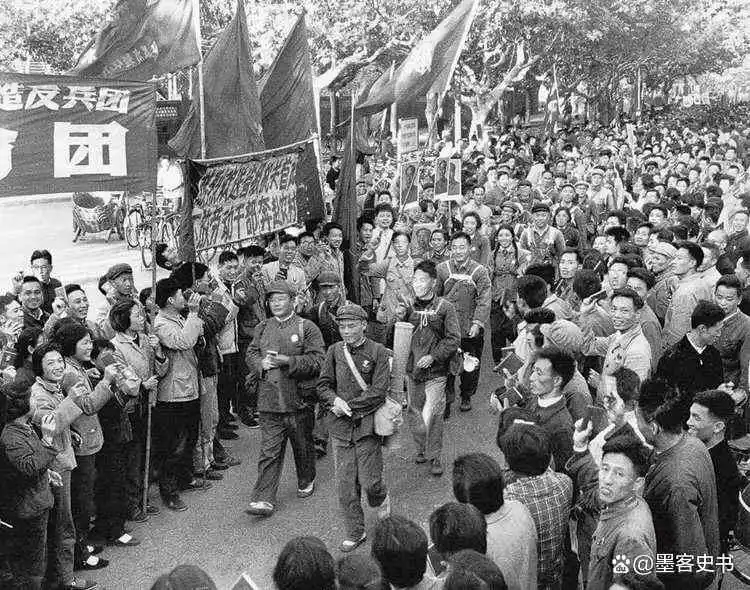
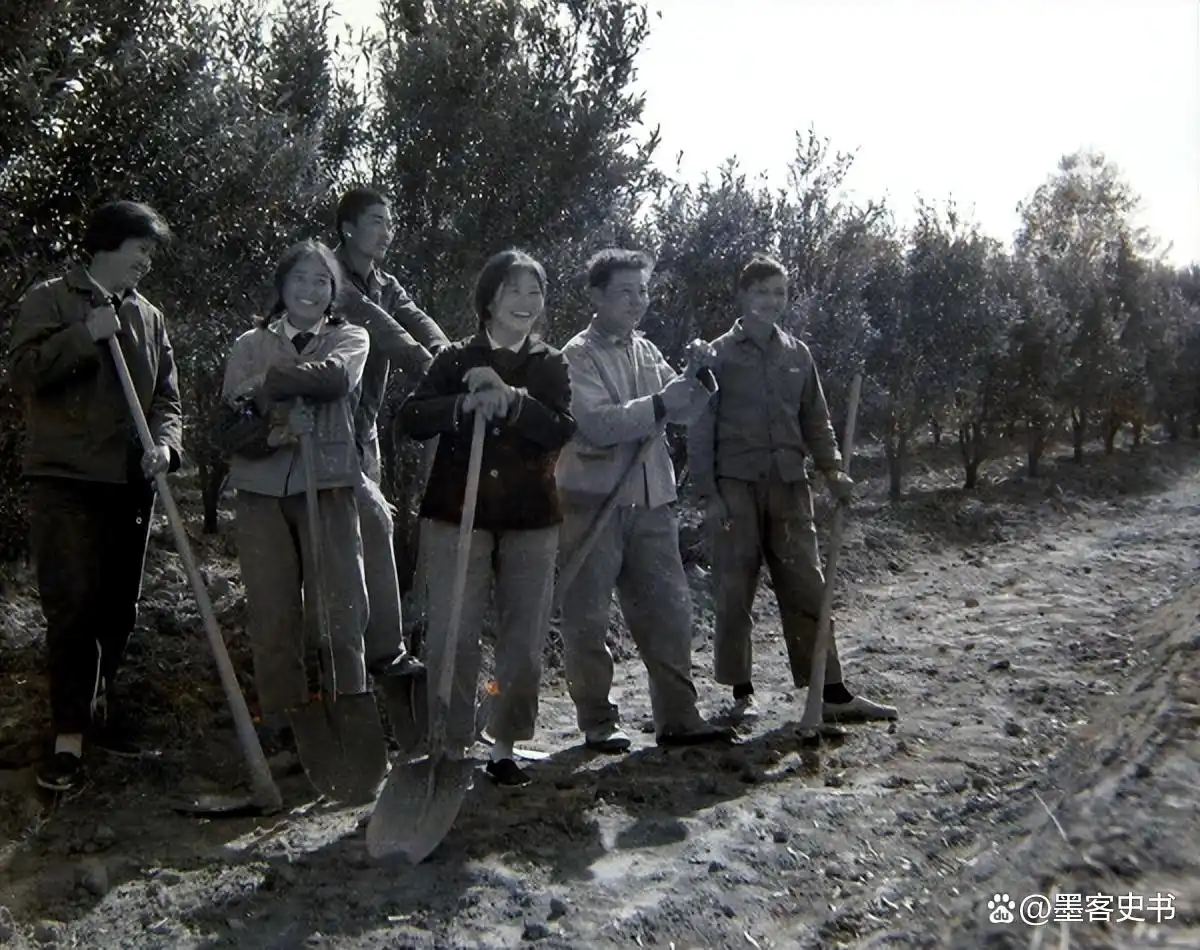
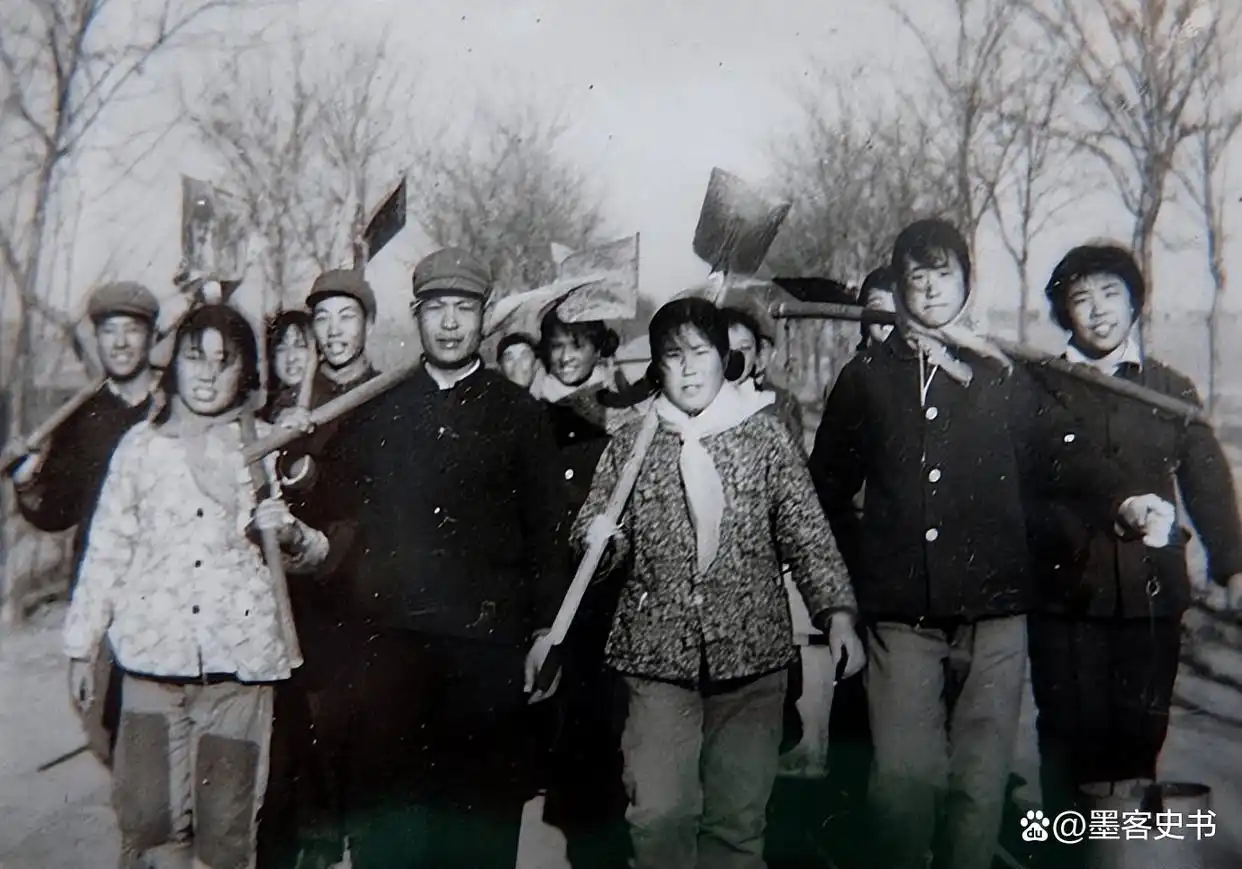
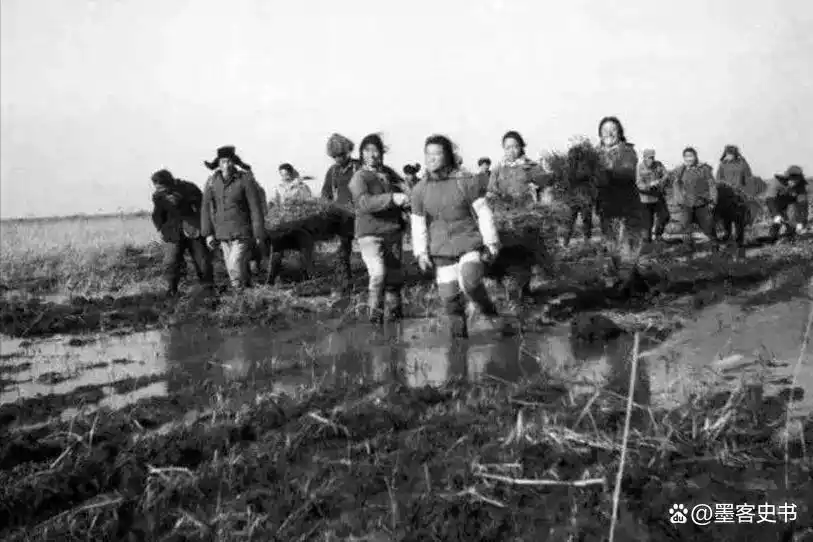
In 1955, 60 in beijingKnowledge youthIn response to a call, a youth volunteer group was formed to travel by train to robei county, heilongjiang, to open up agricultural land on the meadows. This is the new china knowledge youthUphillThe official start of the campaign also opened the way for more than 30 years of the campaign。
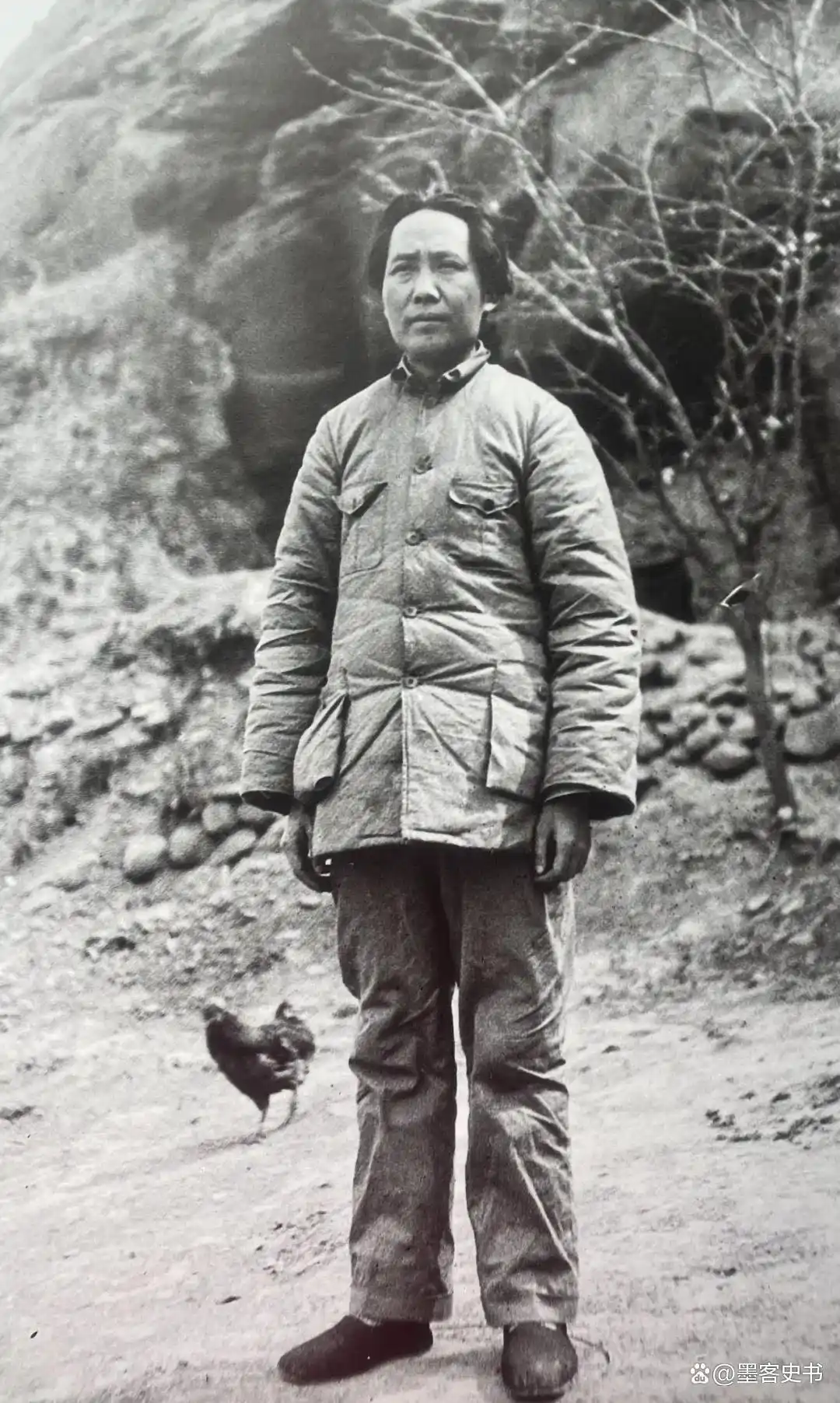
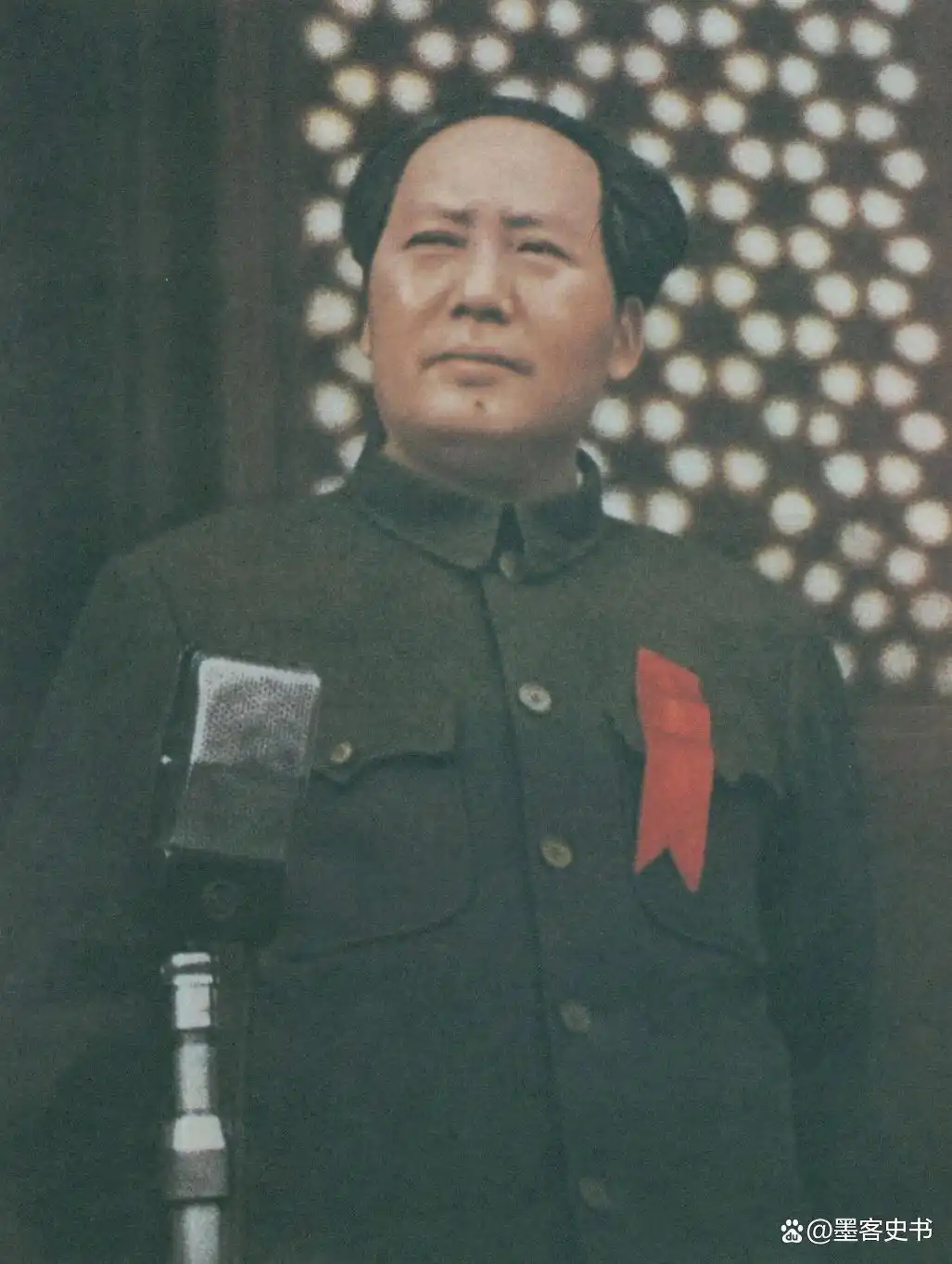
Chairman maoIn the book socialism in rural china, it is stated that rural areas are vast spaces for intellectual youth, where there is much to be done. This sentence has been the soul guide of the movement as a whole, quickly emulated everywhere, knowing that the young countryside has changed from voluntary action by a few to a trend for society as a whole。
From encouragement to promotion of state policy
On 15 february 1953, chairman mao led the team to hebei to inspect the progress of cooperation and to state on the spot that mutual agricultural assistance would be formally undertaken. One year later, liu shuqi was approved by the central committee to issue a document encouraging non-adult students to participate in the labour force, but at that time only rural students were specifically targeted, excluding urban youth。
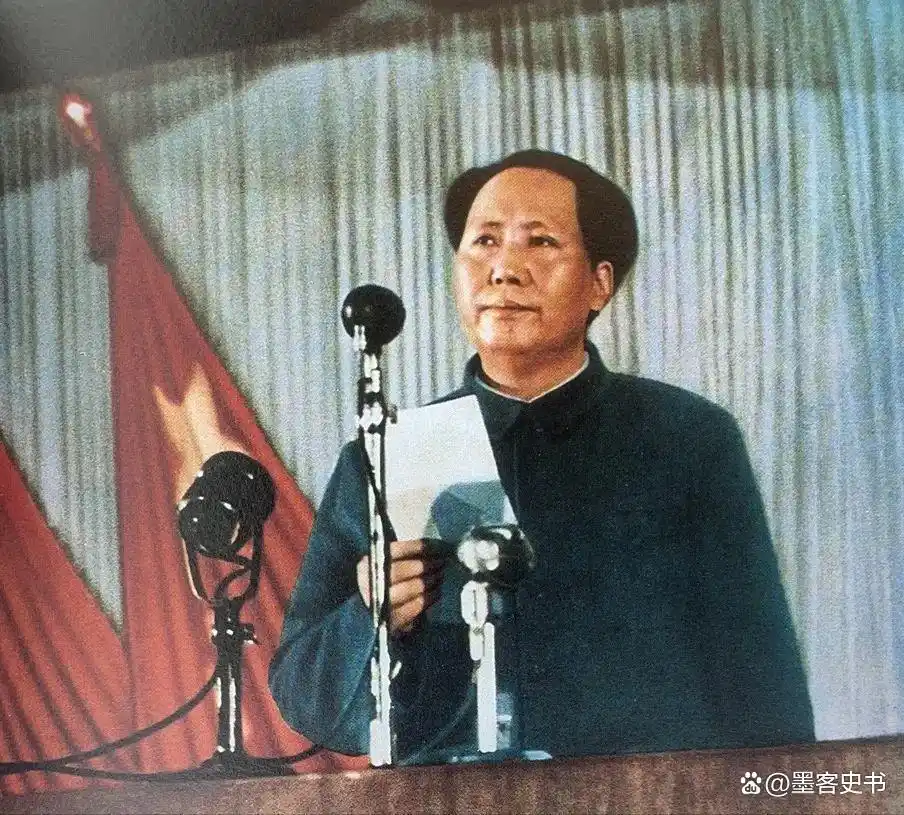
By 1968, employment conflicts had been particularly acute, and a formal central communication had made it a state policy to mobilize young people with knowledge in urban areas. On 22 december of the same year, president mao stressed at the meeting "the need for knowledge youth to go to rural areas and re-educate poor middle-income farmers" and the campaign was launched。
The real situation of the regiment and the squadron
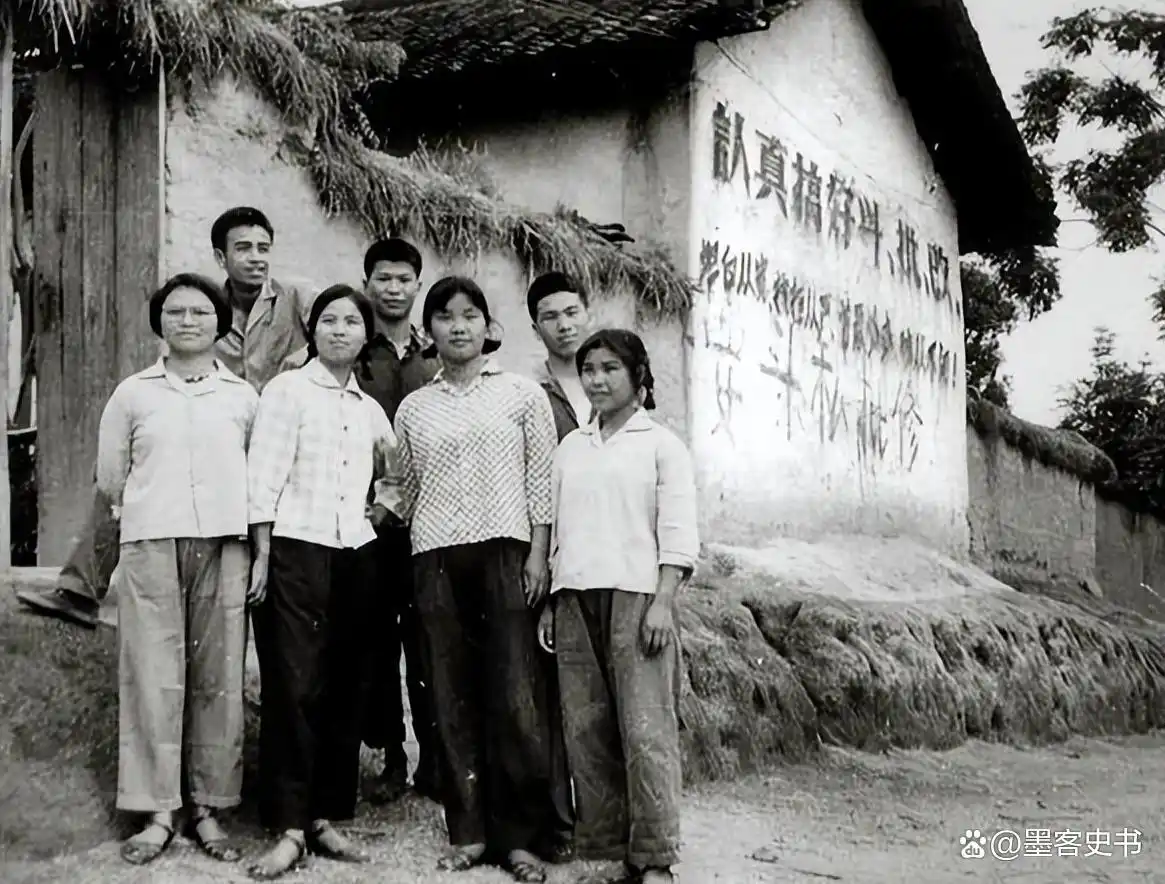
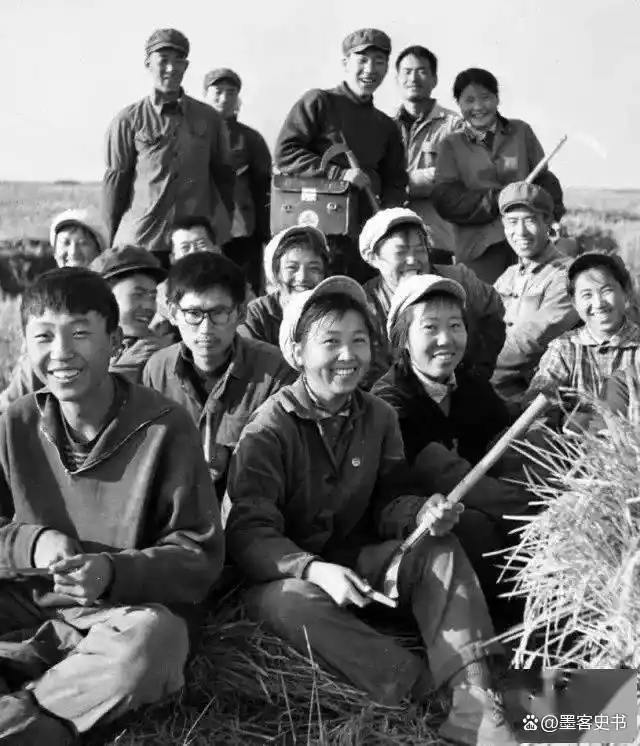
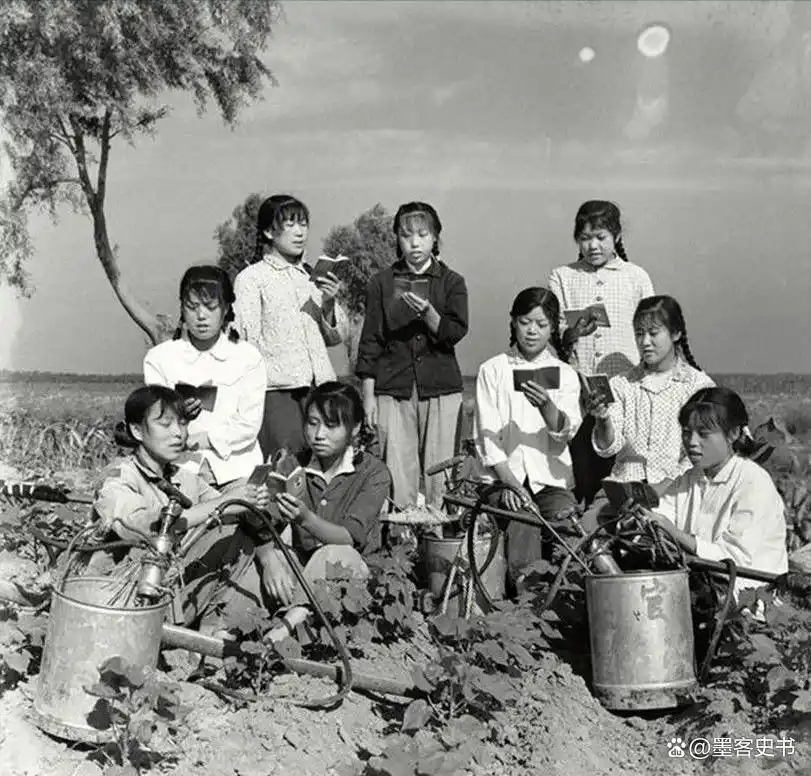
Zhiqing either split up into farming households or went into the central management of the regiment. The regiment has a semi-militarized system, with little freedom of thought and expression. In either form, the vast majority of people are engaged in simple manual work, such as hoes, manure and the like, and the knowledge of books is simply not used and human resources are wasted。
A large number of young people have left the city, there is a vacuum in jobs in the city, and there are severe faults in the professional fields of industry, research and education. By the end of the 1970s, "no one can use" in all walks of life, which became the deepest wound left by the movement and the most pressing bottleneck in the early years of economic recovery。
Lee qingjun's letter to change the situation
Zing li qingxing wrote a long letter to prime minister zhou, in which he honestly listed his plight in the great north desert and revealed irregularities in the work of local cadres. The letter was extremely informative and went directly to the central desk, forcing senior levels to face the issue of knowledge。
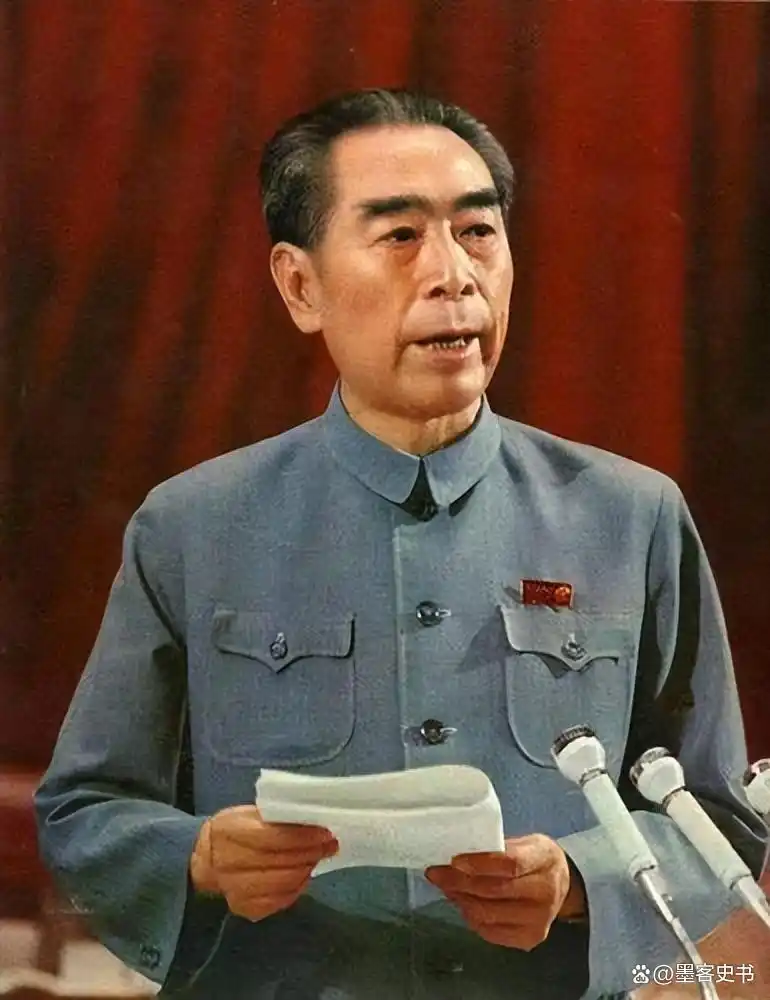
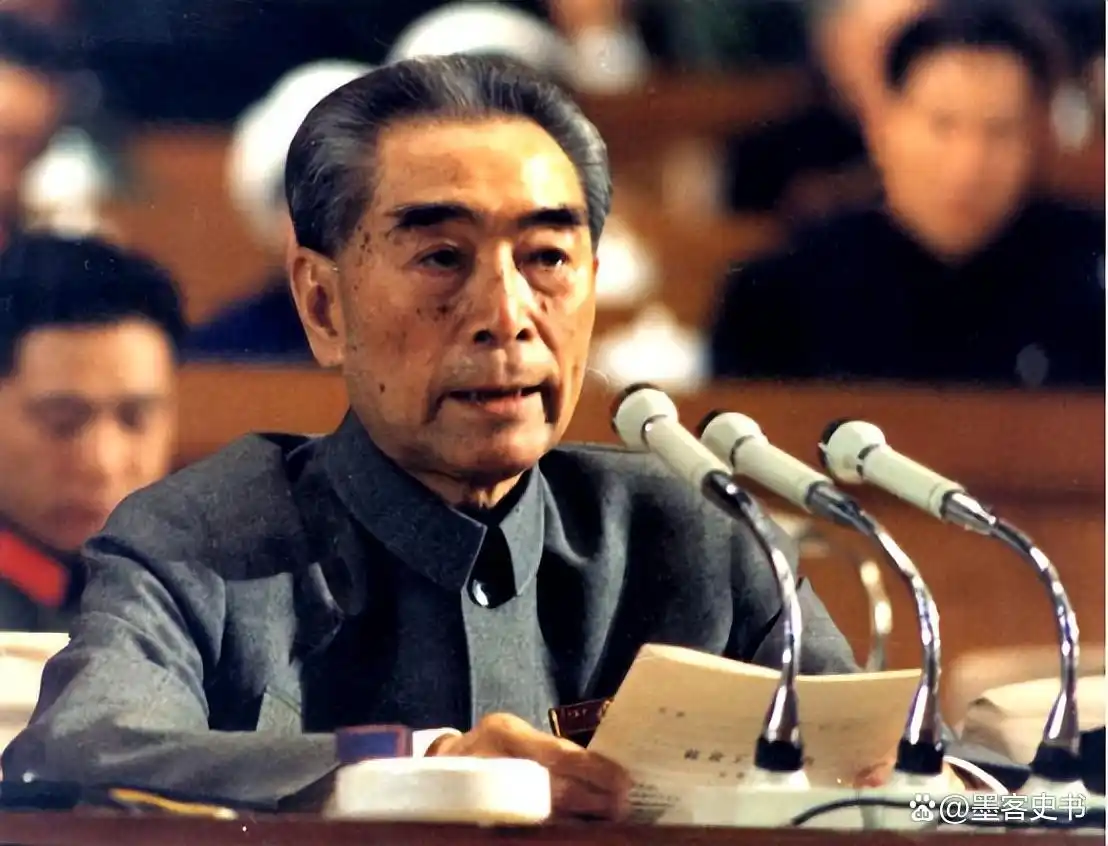
When prime minister zhou saw it, he made a serious statement: "we must put in place the work of intellectual youth to go up and down the hill, and we cannot let chairman mao worry. " on 10 june, the centre issued a document no. 21, which identifies specific solutions to the problem of knowledge, calling for careful communication and implementation at the grass-roots level。
Two thematic sessions set
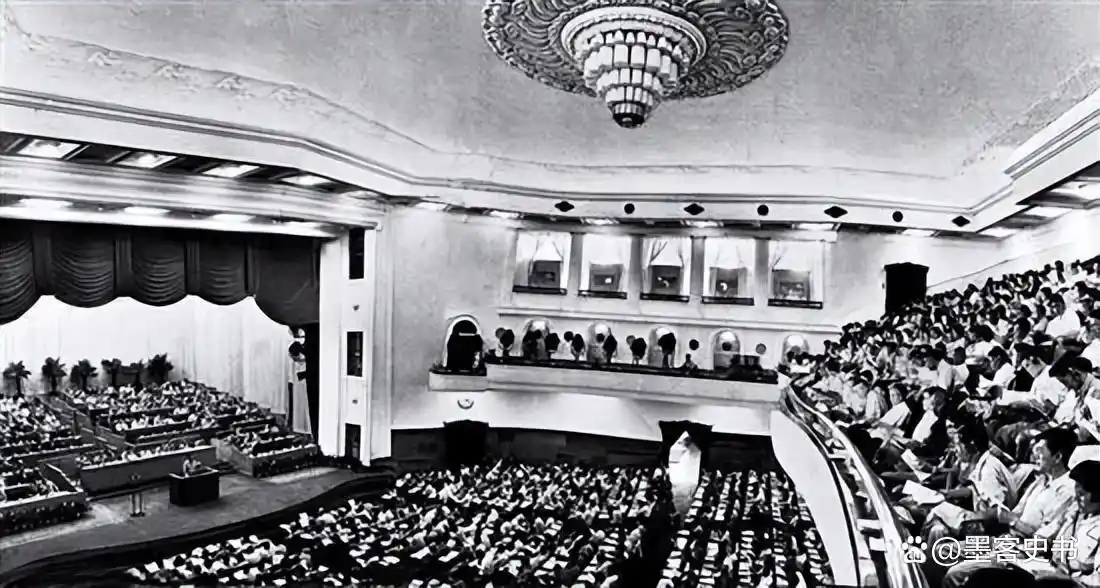
In june and july 1973, the centre held two consecutive national conferences on the subject of knowledge-raising, which resulted in thematic reports. Some of the leaders cited in the report as critical of the lack of attention and implementation, while others used the back door to allow young people to return to the city early, and others even mixed up in the countryside。
At the conference, local authorities were called upon to raise the level of knowledge of the management of youth, and the provincial council leaders themselves were called upon to establish specialized bodies to absorb those with strong responsibilities. The conference had fundamentally shaken the way in which early management was conducted, knowledge of the increased voice of young people in their own development and the significant upgrading of subsequent placement standards。
In 1978, it ended with 30 billion bills
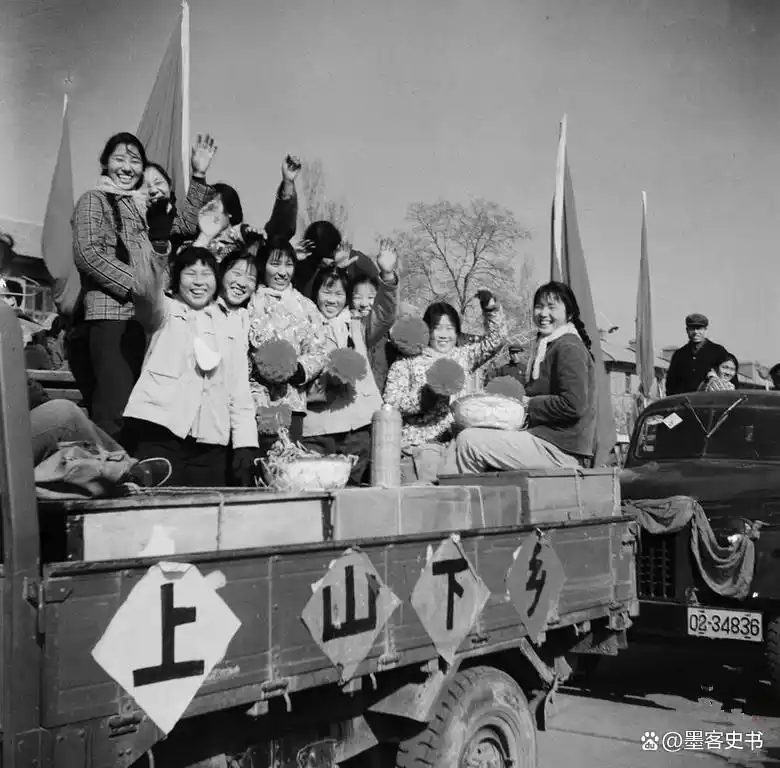
In october 1978, the national conference on qingqing reached a consensus on the proper placement and employment of qingqing in the city. After the conference, a large number of people returned to the city and the movement to go up the hill officially went down. The country spent more than $30 billion on this group of young people, which was almost zero-return investment at the time。
Li qingjun was later in charge of local qingqing and eventually became the standing committee of the national people's congress. There has also been a radical change in the perception of qing: they are no longer perceived as "go-and-go" but are seen as part of a virtuous circle of talent, returning to the city and contributing more to the country。
Do you think the "knowledge youth go to the countryside" is vast or has delayed a generation? The comment section would be welcome to share your views and to share them with a wider audience。