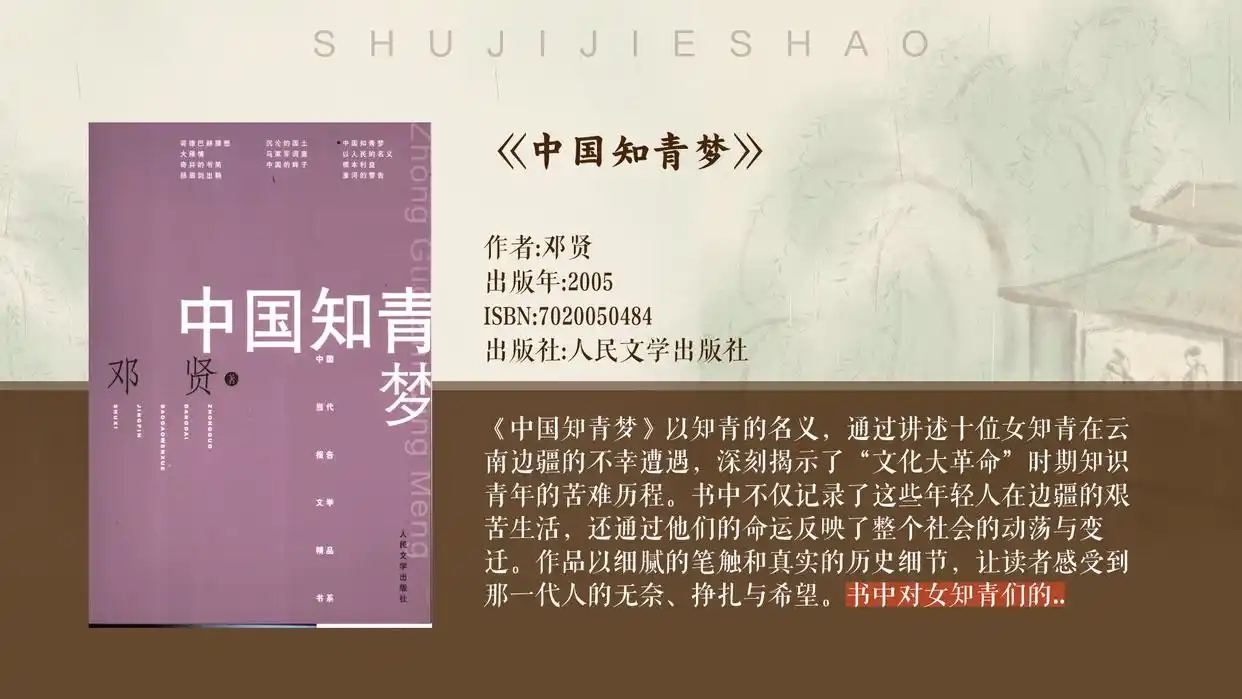
A word."Knowledge youthThe slogan "go to the countryside" is to make millions of young people in cities drop their books and carry their heads. It was felt that it was the hottest choice of youth and that it had been interrupted by a generation, which was still controversial。
The first group of young people to go into the countryside in the 1950s
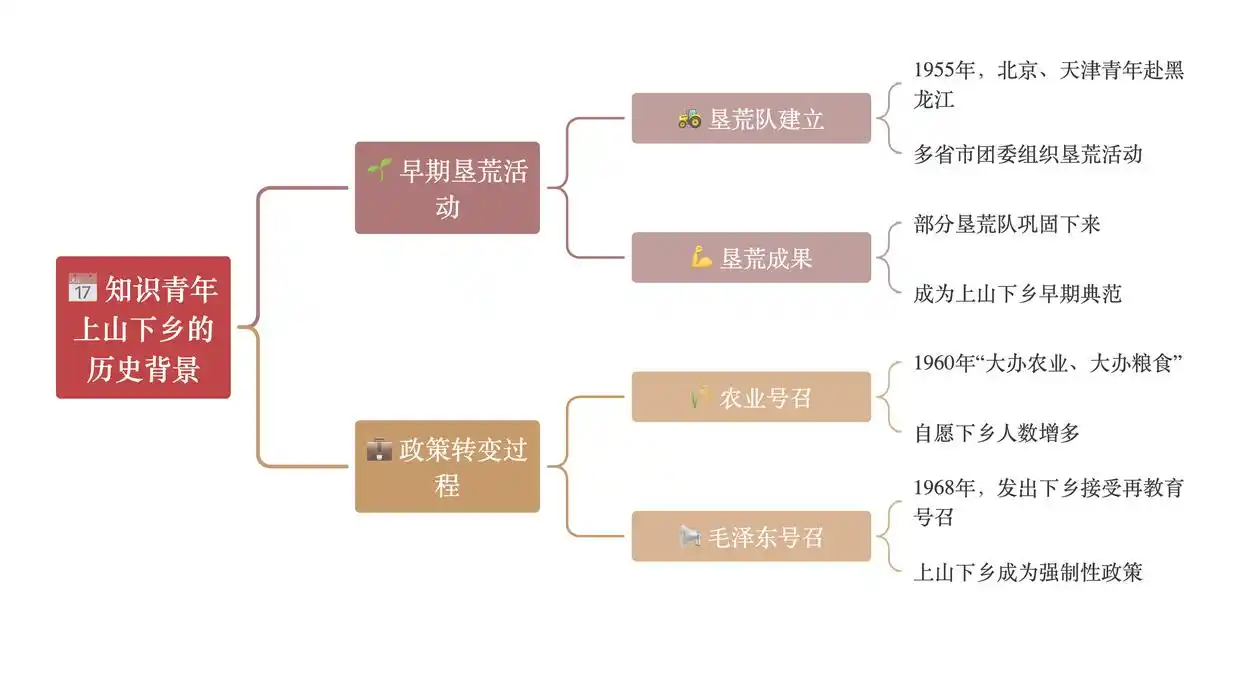
In 1955, the central group organized directly over 300 youths from the cities of beijing and tianjin, who travelled to heilongjiang lobei district to establish youth-reclamation teams. There was no experience at the time and there was a shortage of material, and some of the teams could not continue to be broken up, but a group of people did stay and took root in the northern desert。
In the same year, mao zedong's sentence, "the countryside is a vast place where much can be done", provided theoretical support for the choices of these young people. By the time of 1957, zhao, pujin, cheon-chul river, wang pei-jin and hu qing had taken the initiative to leave the country, and six or seven years later, some of them had actually acquired the status of farmers in the countryside。
From volunteering to having to go
In 1960, the party's centre issued a call for "large-scale agriculture, large-scale food" and the number of people who volunteered to leave the country increased significantly, but in general it remained in the "who wants to go" phase. What really changed the nature was the december 1968 mao's sentence, "re-education by poor farmers, necessary"。
I'm sorryUphillFrom individual choice to state policy, urban youth throughout the country are dispatched in bulk to rural areas and borders. Don't ask if you want to go, but you have to. By the early 1970s, millions of eligible students had been assigned to rural areas in just one year, and many had left with their luggage before they graduated from high school。
How tough were those years
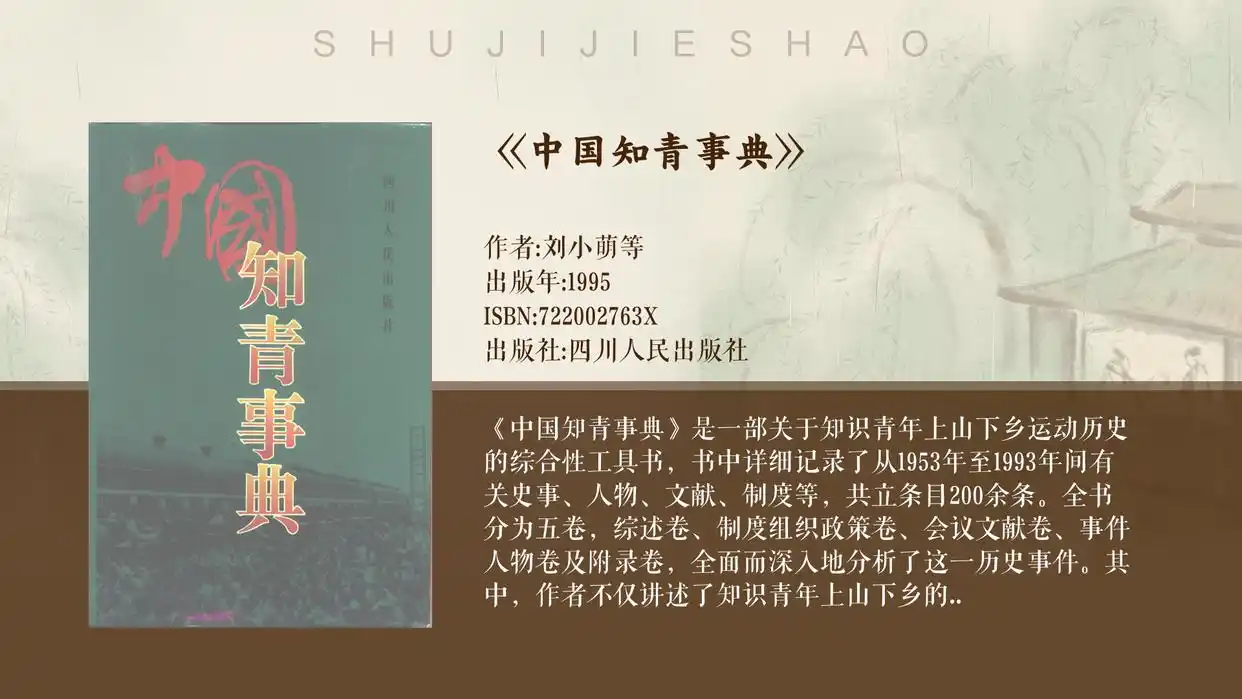
Between 1970 and 1975, the most stringent stage of implementation, the term "no-displaced" became almost sensitive. It is difficult for a young person with no employment relationship in an urban household to find a job in the city without being assigned to the countryside, and he/she is unable to move and wait。
The four provinces of heilongjiang, yunnan, inner mongolia and xinjiang receive the largest amount of knowledge, with production teams pouring into a dozen and twenty cities at a time, and living and working with local farmers. Lack of language and living conditions are extremely poor, and contradictions occur almost daily。
The wind began to change in '79
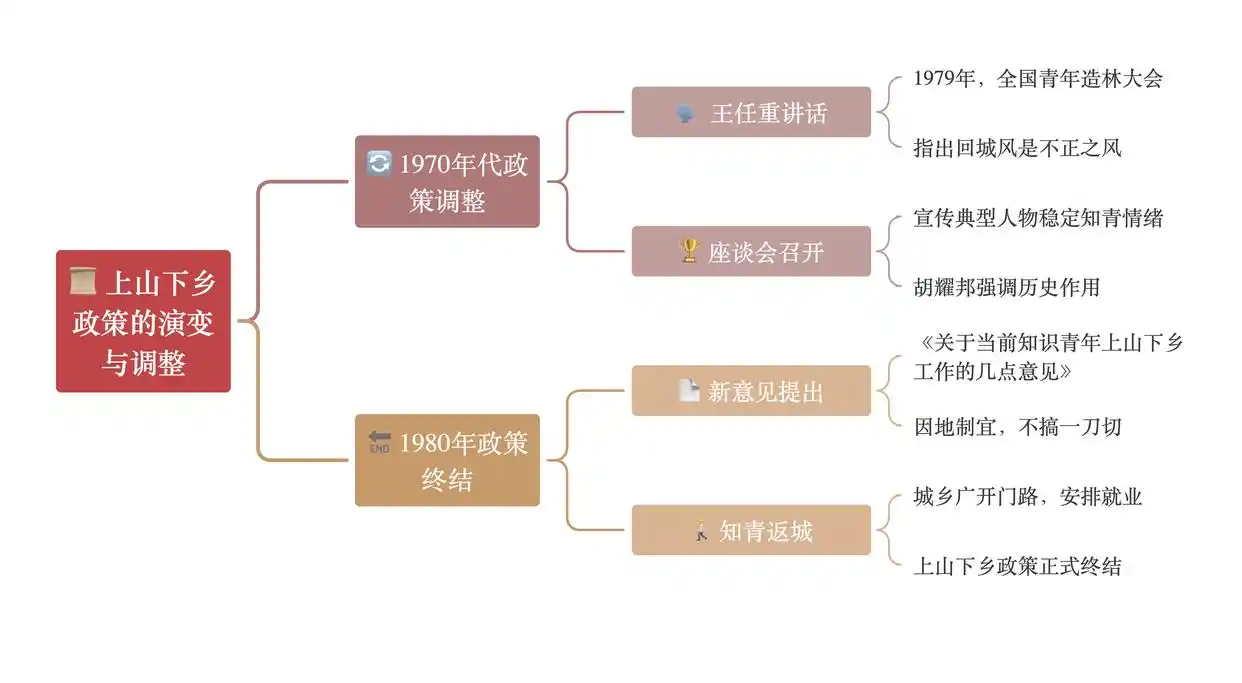
In march 1979, the deputy prime minister of the state council, wang quan, said at a national conference that "back to the city" was a bad wind and called for persuasion from all over the country. But not long ago, the department of state informed qingo of another meeting, at which hu yoon said that he was going to write "a piece in china's history" to try to calm people's hearts with a positive narrative。
By 1980, the department of state had officially issued a document stating that "no one size fits all" and "no one size fits all" and that cities and towns could not afford to open open their doors in both rural and urban areas. As soon as this document comes out, even if it is officially drawn up as a unified policy, the return to the city is never blocked。

What did the countryside have to endure
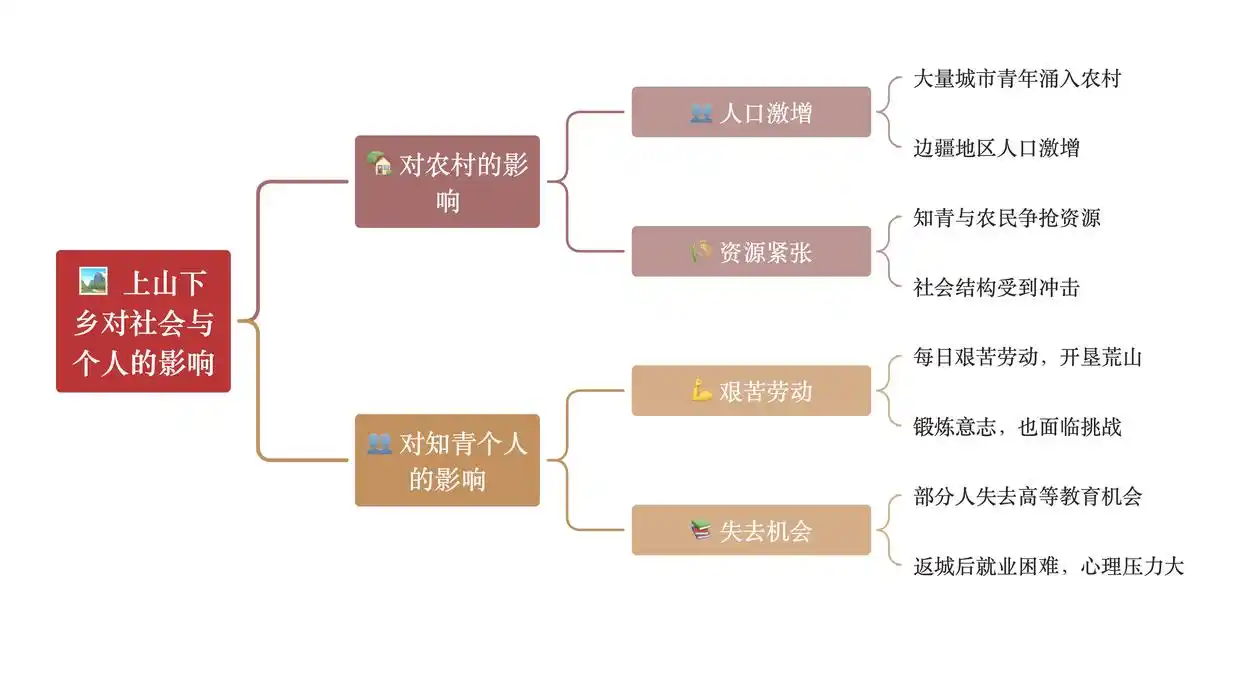
Millions of urban youth have been arriving in rural areas in short periods of time, with the most immediate impact being the diversion of resources. Some production teams in heilongjiang and yunnan have not been unusual to know that qing and farmers are competing for food rations and accommodation bases, and that the food supply, which was already tight, has become more stressful and local finances have been burdened with resettlement。
The problems left behind by shiqing are more problematic: some people had children in the countryside, where they lived, whether they could go back to town or go to school, and there were no available answers. It was not until the 1990s that this part of the "know the younger generation"'s household and school enrolment problems were addressed。
How's it going back to town
The most realistic issue after the return is employment. A 27-year-old with no university diploma and with little experience in urban work, most of the jobs available are at the lowest level of physical work. There is also a huge psychological gap - the same students are technicians in factories and carry sacks at the port。
Some people refer to the countryside as exercise, and others feel that those years have completely delayed the best learning window. From "greatness" to "re-education," the slogan itself pulls the group from the position of the builder to that of a transformed person, and it is very difficult to use it as a talent when you return to town。
If you were 20 years old and your parents told you you had to go to the country for three years, would you go? You are welcome to share your views in the comment area, and do not forget a compliment and forward it to friends who are interested in this history。