


The fall and winter temperatures fell sharply, and the respiratory virus reached a high onset. Experts from the immunisation institute of the municipal centre for disease control have warned that the baby has a small respiratory tract, is less immune and is extremely vulnerable to infection, and that the respiratory syndrome (rsv) requires particular vigilance. In addition to day-to-day protection measures, young babies can also prevent viral attacks by injections of long-acting monoclon antibodies. It is also known that the first imported infant, rsv long-acting prophylaxis, with no weight adjustment and a single fixed dose, is also on the market. Parents can make inoculation appointments through kyoto applet and the capital vaccine service app。
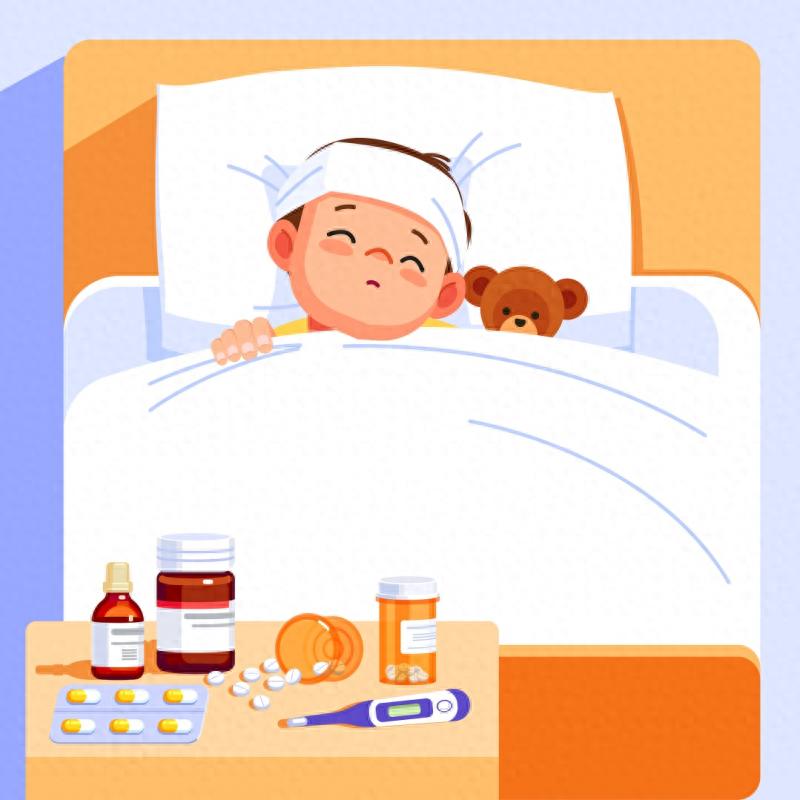
Why is rsv targeting the baby
In response to the high onset of beijing's entry into respiratory virus, the beijing cdc immunisation centre released the six answers for infant and young child respiratory combination virus (rsv), which helps new parents to learn about rsv and protect themselves。
Respiratory hysteria virus (respiratory syncytial virus, rsv) is described as the primary in-patient pathogen for under-respiratory infections in infants and young children, which is repetitive and has a greater impact on the baby。
On the one hand, the baby airway is fragile. The baby's respiratory structure is inherently fragile, the airway is narrow and short, the fiber-creature defence is weak and, once invaded, the rsv is vulnerable to inflammation and congestion. On the other hand, the immune system has not matured. In addition, the neonatal immune system is still developing, and insufficient resistance to the virus is one of the reasons why babies are easily recruited. Early symptoms conceal the early symptoms of the rsv infection, which are similar to the common flu, and do not value the optimal intervention period that can easily be missed。
It's more serious when you're 1 year old
“rsv is one of the most common pathogens of respiratory infections in children under 5 years of age worldwide, and almost all children are infected with rsv before they reach the age of two.” dr. Zhu chunmei, director of respiratory medicine at the centre for children's medicine in the capital, university of medical sciences of the capital, noted that rsv was widely disseminated globally and had a clear seasonal character。
There are many ways in which children may be infected with rsv, as zhu chun-mei describes, first, where air-traffic foam spreads, where the infected person coughs and sneezes, and secondly, where the virus can pass through the baby's respiratory tract; and secondly, where there is close contact with transmission, hugs, kisses, or where the baby touches virus-contaminated dishes, toys, etc., can be infected。
Zhu chun-mei stressed that rsv is the main viral agent leading to the hospitalization of infants under 2 years of age for acute respiratory infections and pneumonia, and that children under 1 year of age are more likely to develop serious illnesses after infection with rsv due to premature development of the immune system and the airway. Severe childhood rsv infections can also lead to damage to lung function, with the risk of repeated asthma and asthma increasing by about three times in the future, which may constitute a long-term health hazard。
"daily protection + injection antibodies" two-pronged approach
At present, rsv infections do not have specific antiviral drugs, and clinically support treatments are focused on disease support, such as deheating during heat, suffocating when breathing, providing oxygen or breathing support when breathing is difficult, etc., to help the baby survive the infection. It is good that most of the children infected with rsv are well prepared, fully recovered and leave no legacy。
With regard to the prevention of rsv, experts from the immunisation institute of the municipal centre for disease control stated that there were no vaccines available in the country and abroad to prevent rsv infection in infants. CurrentPreventive measuresThese include, inter alia, routine protection and preventive long-acting monoclon antibodies。
Measures to prevent rsv infection in the family include: breastfeeding, which promotes breastfeeding for at least six months, and other protections for families who are unable to breastfeed are also protective of the baby; hand-washing: thorough cleaning of hands with soap and running water before contact with the baby; multiple ventilation: morning and evening ventilation, keeping indoor air fresh and reducing indoor viral aerosol concentrations; and low concentration: during the rsv high-prevalence period, every effort is made to avoid taking small-month-old babies to densely populated closed spaces such as malls, playgrounds, etc., and to avoid smoke: avoid exposure to second-hand smoke or domestic smoke, and keep the respiratory mucous membrane healthy。
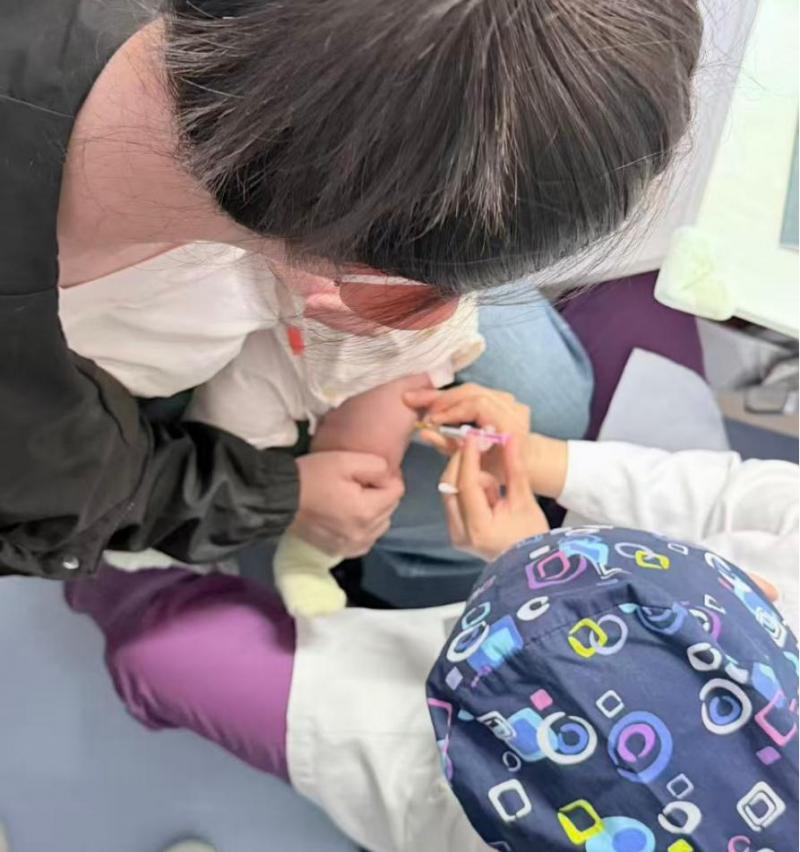
Preventive long-acting monoclon antibodies vaccination: there is currently no vaccine available for the prevention of rsv infections in infants, either at home or abroad. Our country has now approved the preventive long-acting monoclon antibodies of the rsv (later known as the rsv monoclon) to protect the baby through passive immunization. It is possible to prevent the virus from entering human cells, especially lung cells, by identifying and combining the rsv surface f proteins with specific properties, thereby preventing infection. The latest research data show that rsv mono-resistant hospitalizations of children associated with rsv in china have a protective effect of 83. 3 per cent。
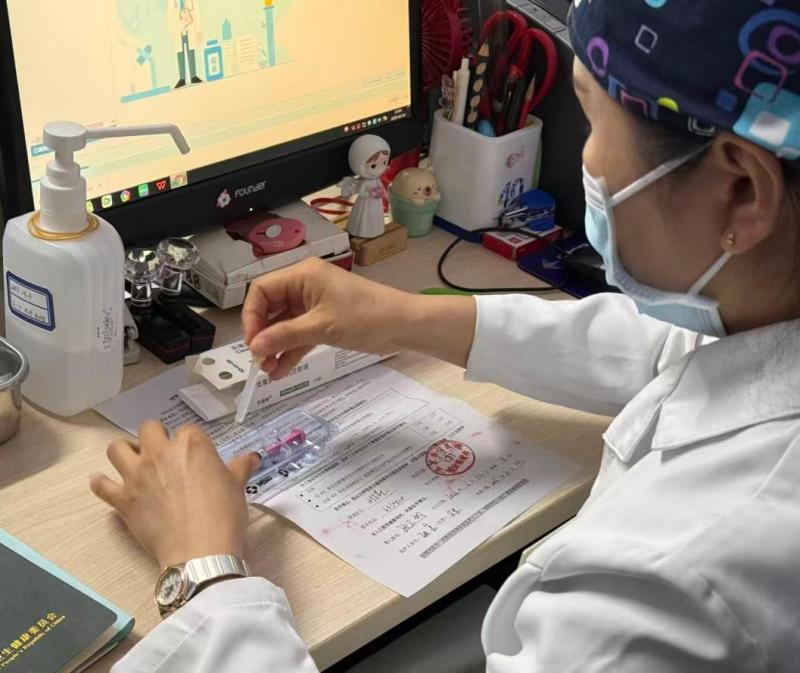
The deputy director of the preventive health section at the 1st hospital of the university of tsinghua, zheng dong-chung, explained that the first long-acting rsv anti-baby had been approved in 2024, with two specifications, which required vaccination according to the weight of the infant. In june of this year, another long-acting rsv was approved in our country, characterized by a single fixed dose, i. E., the same type of injection is used regardless of the weight of the child, without the need to measure weight, operate easily, provide protection for the rsv epidemic season for infants and young children after vaccination and provide an easy new option for rsv prevention in the infant population。
When is the rsv best shot
The world health organization has recommended that a child born in the rsv epidemic season be injected at birth; a child born in the pre-pre-prevalence season, up to the age of one year, is best injected at the beginning of the rsv epidemic season and throughout the epidemic season, with one injection protecting the entire epidemic season。
Zheng dong zheng reminds that the rsv season in the north, usually from october to april of the second year, has now entered the rsv season. Parents can consult on rsv prevention at community health centres or nearby hospitals。
For an appointment for the rsv preventive single injection, an expert from the immunisation centre of the city cdc, there are two preventive single appointments and entry points for the rsv in beijing:
(1) kyouton applet health services vaccination against single dose of respiratory virus (rsv)
(2) the capital vaccine service, app, single inoculation of respiratory contemporary virus (rsv)









