


Madical field
Common infectious diseases in autumn and winter
The prevention guide is here

Dear parents and friends, with the arrival of autumn and winter, there is a need to strengthen protection measures in the light of the wide variations in temperature, the vulnerability to infectious diseases and the low resilience of young children. We need to increase awareness of the prevention and control of infectious diseases and prevent their occurrence. Now, let's get to know about the common infectious diseases and the prevention of health care in autumn and winter
It's a virus
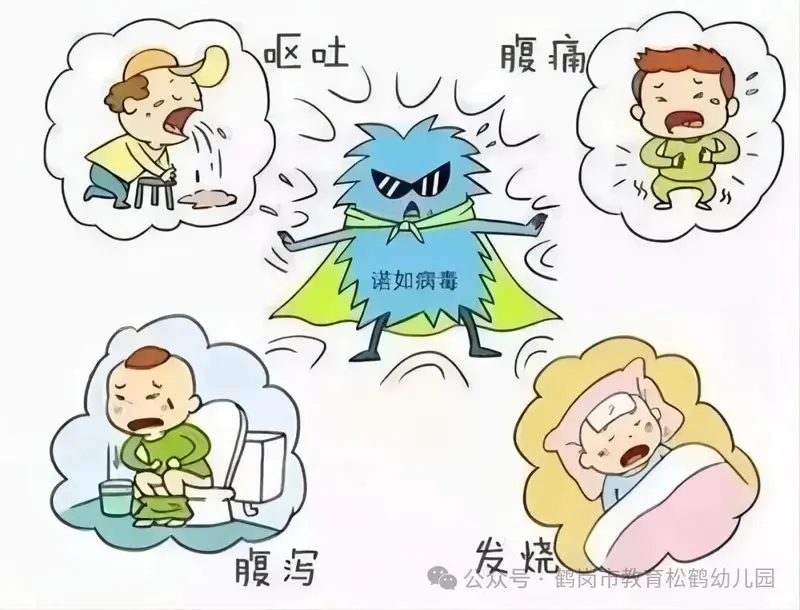
Norovirus-infective diarrhoea is a virus-induced diarrhoea that can be transmitted through food, water, aerosols and exposure, with major symptoms of nausea, vomiting, fever, abdominal pain and diarrhoea。
Main preventive measures:
(1) good growthHealth practices- to wash your hands
(2) development of good eating habits, non-cooked and uncooked foods, special meals, and dietary hygiene
(3) to avoid, as far as possible, going to crowded public places
(iv) indoor heating, ventilation and disinfection。
Herpes-like canyon
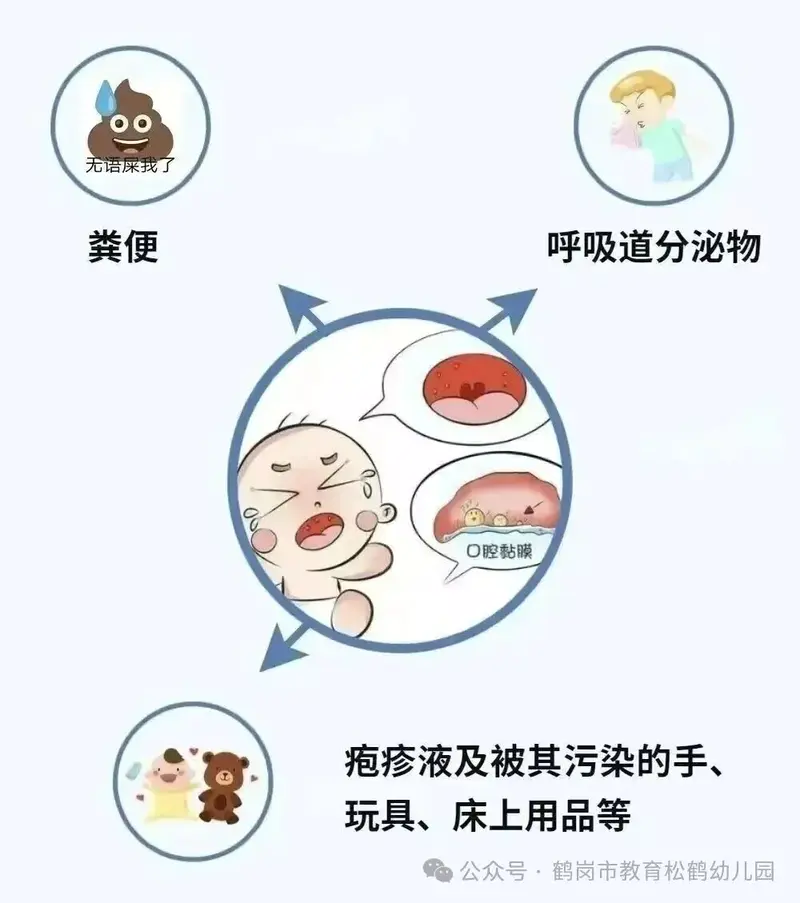
Herpes-based isthropitis isthropitis, caused by intestinal viruses and characterized by acute fever and herpes ulcer in the canyons. The main manifestations are fever, ache, mucous membrane and shallow ulcer, which spread through faeces, mouths, contact, short distance air, which are highly contagious and rapidly spreading, mainly affecting children between 3 and 10 years of age, and can be repeated. Hive for 3 to 10 days。
Main preventive measures:
(1) frequent window ventilation
(2) be careful to combine and prevent cold, if the body is not fit for bed rest
(3) the diet is readily digestible
(4) maintenance of mouth sanitation with salt water daily
(5) call for medical treatment as soon as the corresponding symptoms are detected。
The flu
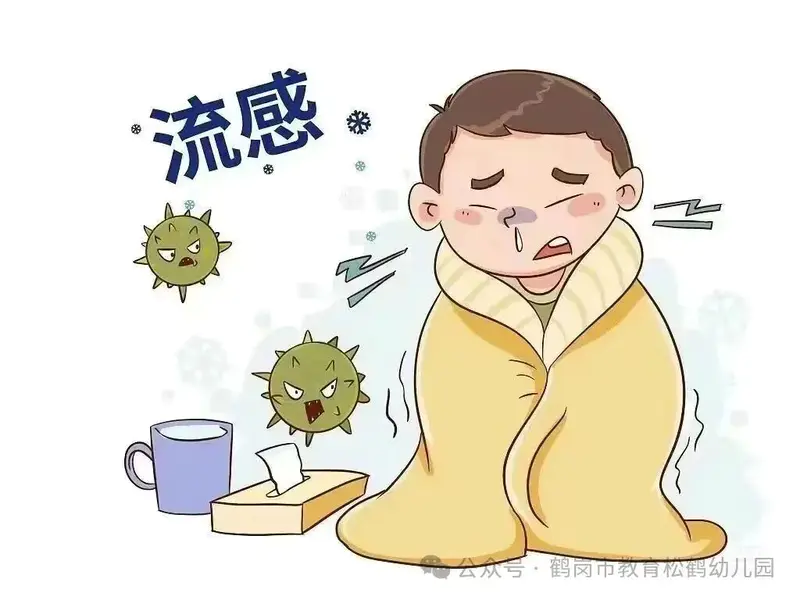
Influenza, commonly referred to as influenza, is an acute respiratory infection caused by influenza virus infections, with major symptoms including high heat, cold, cold, headaches, arthromic acid pains, lack of strength, ablution, etc., accompanied by upper respiratory symptoms such as stomach pains, coughs, nasal slugs, and aldicarb. It is transmitted mainly through the foaming of its respiratory secretions and can also be transmitted directly or indirectly through mucous membranes such as mouth, nasal cavity and eyes。
Main preventive measures:
(1) to maintain good hygiene and to wash their hands, especially when they come back from their homes, when they come into contact with objects and when they go to the toilet
(2) drinking water, balanced diet, adequate exercise, adequate rest
(3) a daily open window with fresh indoor air
(iv) covered during high influenza outbreaks, where crowds and air are not as crowded as possible
(5) inoculation of influenza vaccine may be carried out as necessary。
Pandemic mumps
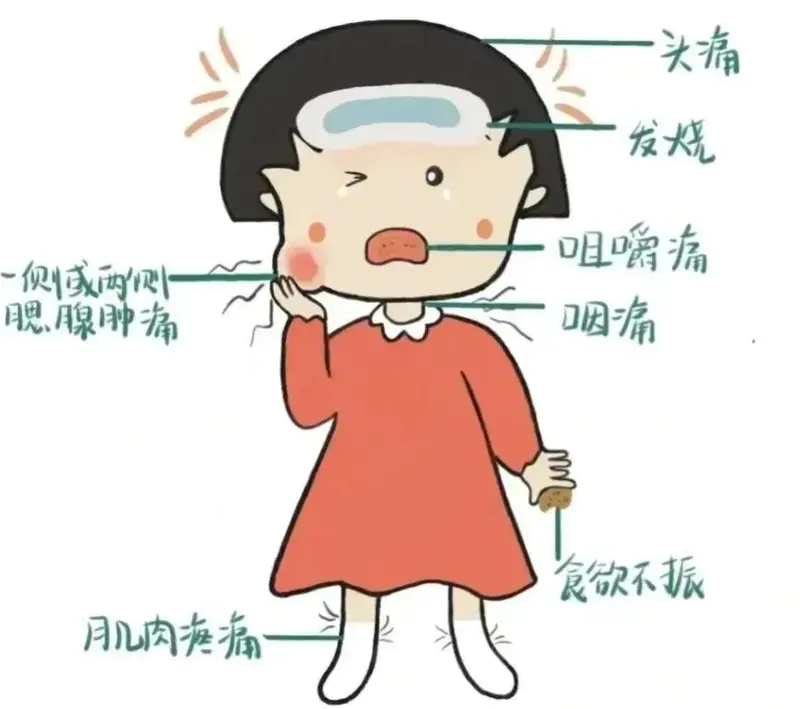
Pandemic mumps are an acute respiratory infection transmitted through foam. Most cases are acute, with symptoms of general discomfort such as fever, cold, headache and ingesting. On one or both sides of the patient's ear, the mumps are swelling and pain is increased when chewing. It can also be transmitted indirectly through objects contaminated with saliva。
Main preventive measures:
(i) vaccination, greater participation in physical exercise and better health
(2) main indoor ventilation and maintenance of air circulation
(3) to develop good hygiene habits and to wash hands
(4) keep a close eye on those who are susceptible to epidemic mumps during the course of infection。
Paragen pneumonia
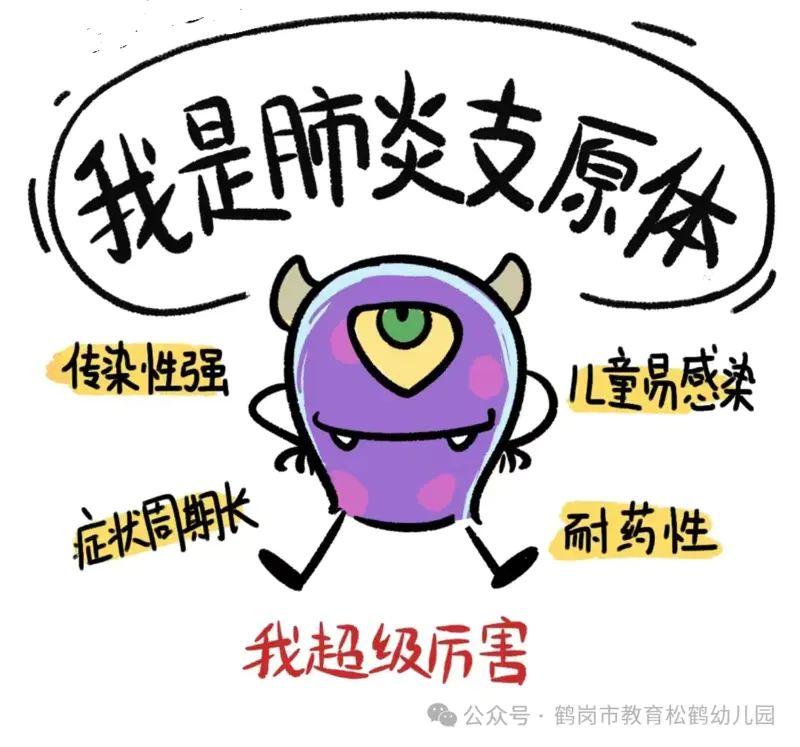
Pneumonia is referred to as pneumonia systolic pneumonia (mpp) and refers to pneumonia caused by pneumonia systolic infections. Pneumonia is the smallest micro-organism capable of living independently between bacteria and viruses and can be eliminated by 75 per cent of alcohol and chlorine-containing disinfectants (e. G. 84 disinfectant)。
Main preventive measures:
(1) maintenance of nutritional balance, increased consumption of vegetables and fruits and water
(ii) maintaining physical fitness and resistance
(3) take care of ventilation and avoid concentrated infections
(4) personal hygiene and hand washing under mobile water with hand washing fluids
(5) avoid long stays in densely populated public places and must be accompanied by masks。
Pox
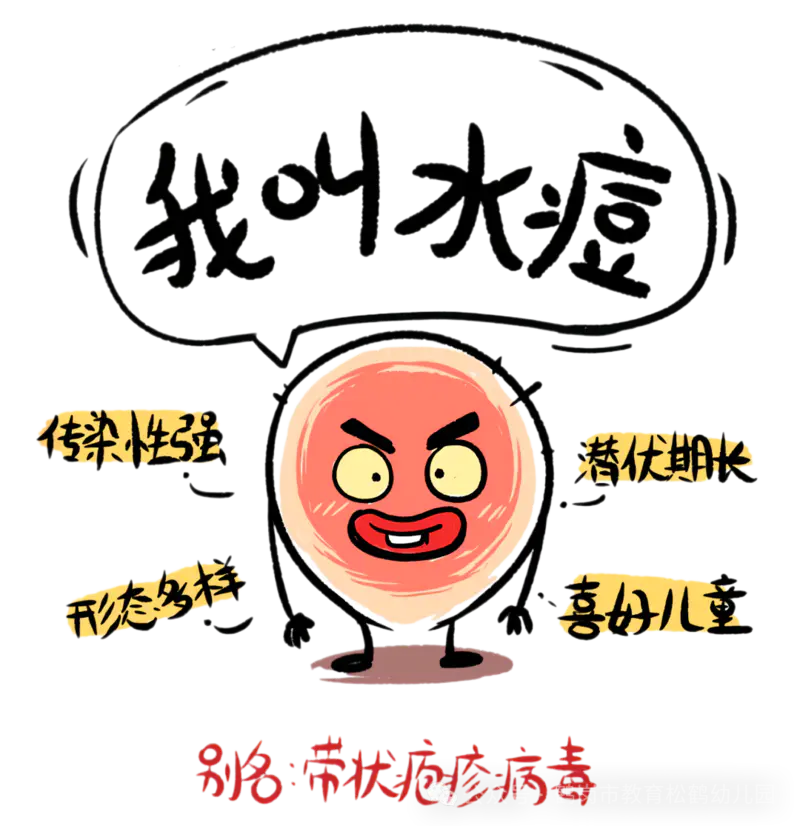
The pox is an acute infectious disease caused by the herpes virus, which is most prevalent and prevalent in kindergartens and primary schools. Although pox is an acute infectious disease, it is generally mild and does not cause serious complications。
Main preventive measures:
(1) vaccination against pox is the most effective and economical preventive measure
(2) it is also important that during the epidemic, children are not allowed to spend time in crowded public places, often with windows open, etc。
Autumn and winter health care
In the autumn and winter, the warmth of the morning and the evening, combined with the dry climate, is prone to cold and poor throats, requiring parents to pay more attention to children's clothing, food, shelter and mobility, while at the same time doing prevention work, helping children to start their own lives, develop good habits and defend themselves against disease。
Sooner or later, a dress should be added to the day. For children who are moving and sweaty, they can be replaced with sweating turbans on their backs or by playing in time, while their shoes are dominated by light sneakers and less leather shoes。
More vitamin-rich foods, especially vitamin a and c-rich foods, help prevent upper respiratory infections. In the autumn winter, garlic, radish, ginger and pickles are all foods that increase resistance. Porridge, which has the effect of quenching the abdominal spleen and co-eating with the food that feeds the pulmonary plume, can effectively improve the autumn symptoms。
The weather is getting colder, and there is still a need to keep the windows open for a certain period of time at home, to keep the indoor air flowing and to keep the covers in the sun。
In autumn and winter, the temperature will be comfortable and children's outdoor activities will increase, reminding parents of the need to exercise their children's activities in terms of physical fitness, motion and vibrancy, sun and body improvement. At the same time, be careful to rest and ensure the time and quality of sleep。
The symptoms should rest at home and be treated early
In the event of a child's fever, cough, etc., he should rest at home. In public places, masks should be worn to avoid transmitting the virus to others. If the symptoms are serious, they should be referred to the hospital as soon as possible and treated effectively and in a timely manner。
Although there are many types of infectious diseases, there is no need to worry that the epidemic and the spread of infectious diseases can be effectively halted as long as kindergartens and families work together and focus on prevention efforts so as to achieve early detection, early isolation, early diagnosis and early treatment. Let our homes build a strong anti-epidemic wall for the fall and winter, guaranteeing the healthy growth of our children









