


The value of intellectual property rights (iprs), such as trademarks, patents, copyrights, etc., are important assets of enterprises and individuals at a time of growing commercial competition. I don't knowIgnoranceThis is also happening. When rights holders discover that their intellectual property rights have been violated, legal avenues may be considered to defend their rights, but many do not know how long the proceedings should be brought. If the right time is missed, there may be no effective guarantee of their rights. This is followed by a detailed answer to the question of the statute of limitations for filing a complaint after the alleged infringement。
I. Institutional violationsStatute of limitationsLegal provisions
According toCivil codeThe statute of limitations for applications to the people's court for protection of civil rights is three years. The right to be informed is a civil matter, and thus, in general, the right to be informed is subject to a three-year statute of limitations. The starting point for these three years is the date on which the right-holder knew or should have known that the right had been violated and the duty-bearer. Company a, for example, found that company b had used its own proprietary technology without permission, calculated from the day that company a discovered the violation, and within three years company a could bring a case to court。
Ii. Special circumstances of the statute of limitations
Although the general statute of limitations is three years, it may vary in certain exceptional circumstances. If the violation continues, the statute of limitations begins to run from the moment the violation ceases. For example, the violation of the long-standing use of the ding trademark by company c for production sales lasted for five years, and ding was not subject to a three-year statute of limitations as long as the violation was found to continue, and ding could bring an action within three years of the cessation of the violation。
Interruption and suspension of the statute of limitations
The statute of limitations may be interrupted or suspended on a number of statutory grounds. Interruption is the recalculation of the statute of limitations during the period of limitation for reasons such as the right-holder's request for performance to the obligor, the obligor's consent to performance, the right-holder's action or the application for arbitration. For example, when a communication was sent to the company to stop the infringement when it discovered the violation, the statute of limitations was interrupted and the period of limitation was recalculated from the moment of interruption. The stay refers to the inability of the right holder to exercise his or her right of petition for reasons such as force majeure during the last six months of the statute of limitations period, the suspension of the limitation period and the continuation of the limitation period until the cause of the stay has been eliminated。
Iv. Operational points for initiating proceedings
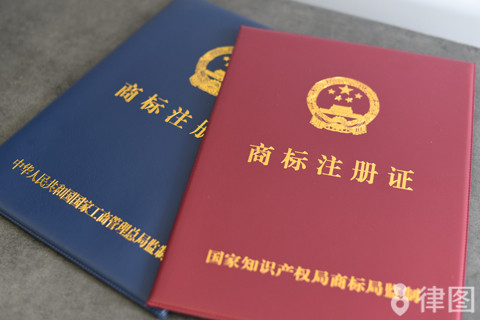
Evidence-gathering is the first step in bringing an infringement of the right to be informed. The evidence includes evidence of ownership of intellectual property rights, such as trademark registration certificates, patent certificates, copyright registration certificates, and evidence of abuse by the other party, such as tort products, sales records, publicity materials, etc. The competent court is then established, generally in the place of the violation or in the place of residence of the accused. Once the indictment and the relevant evidence are ready, an application for the filing of a case can be submitted to the court. In the course of proceedings, the court is to be actively assisted in its proceedings and to attend its proceedings on time。
Following the termination of the infringement proceedings, there may also be problems of enforcement, such as failure by the counterparty to comply with a court decision, failure to cease the violation or failure to compensate for damages. In addition, if the offender does not appeal the judgement, the case will go to second instance. These follow-up issues may be more complex and vulnerable. It's time to consult with local lawyers. Lawyers on the chart platform can test their qualifications through official channels. They don't make false promisesDefenceThe effect of this is to help you clear up the follow-up process, so that you do not go any further on the path of empowerment and better defend your legitimate rights。









