


In many companies, the role of project manager is often misunderstood:
But if you really go through a cross-section, multi-person collaboration, changing demands, you'll understand a simple phrase --
Projects are not dead, but managed。
It is not about controlling others, but about bringing the same delivery result to a group of people with different professional backgrounds, different interests and different perceptions of the future。
In other wordsProject managementThe essence of this is to turn into a determinative outcome of what is full of uncertainty。
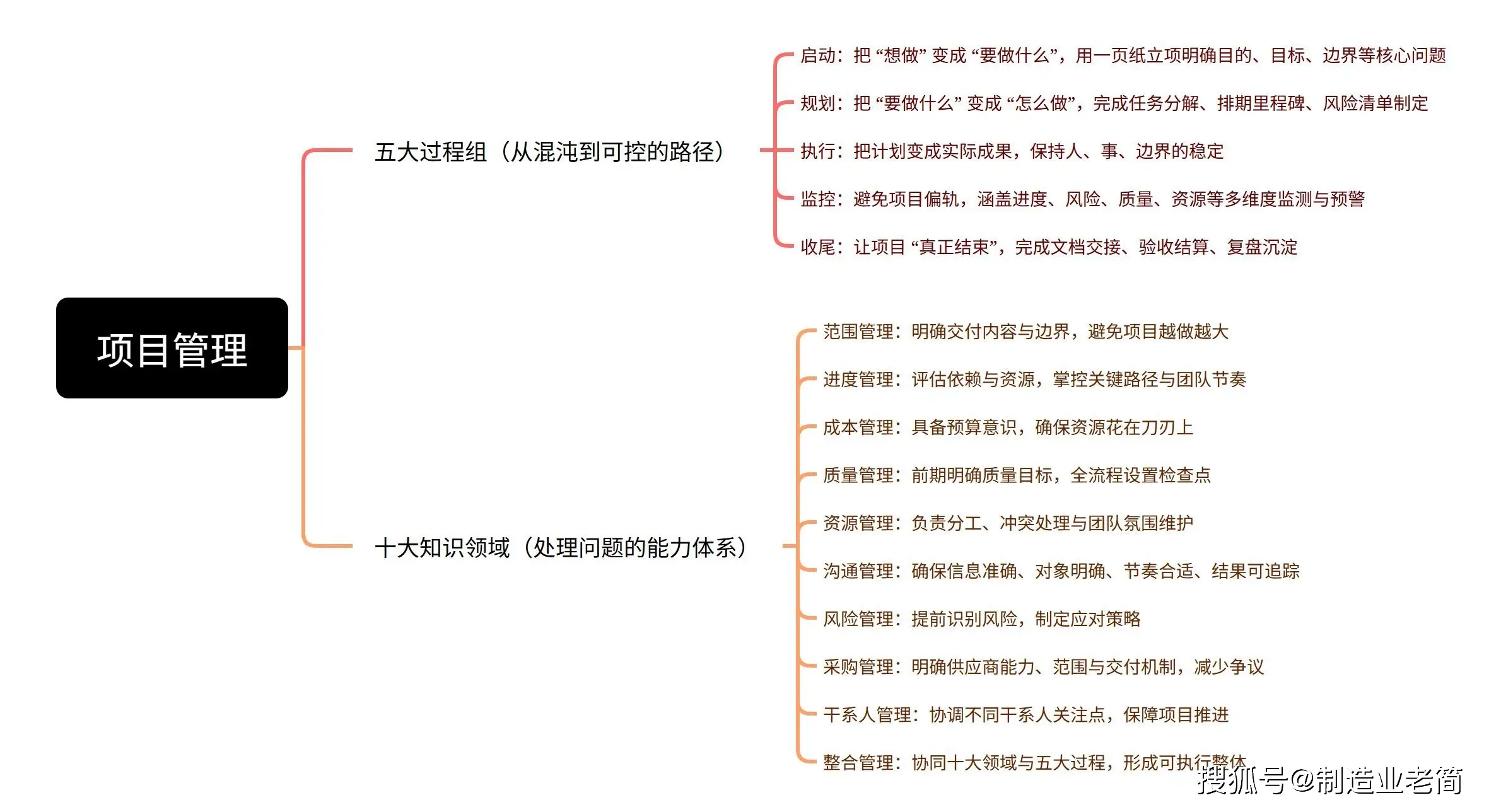
What about this? Today we use five process groups andTen areas of knowledge, explain the underlying logic of project management。
No terms, no bends, just things you can use。
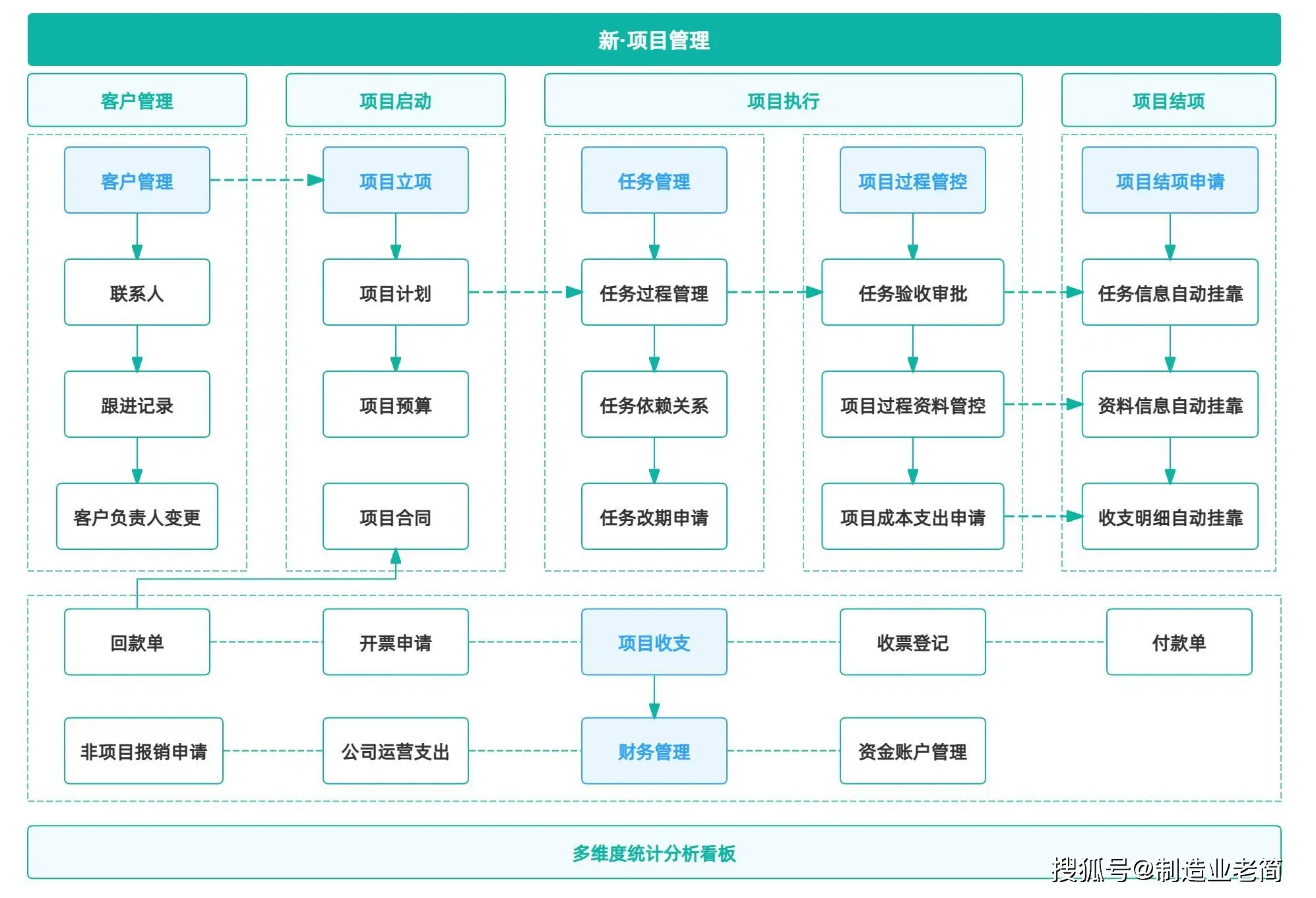
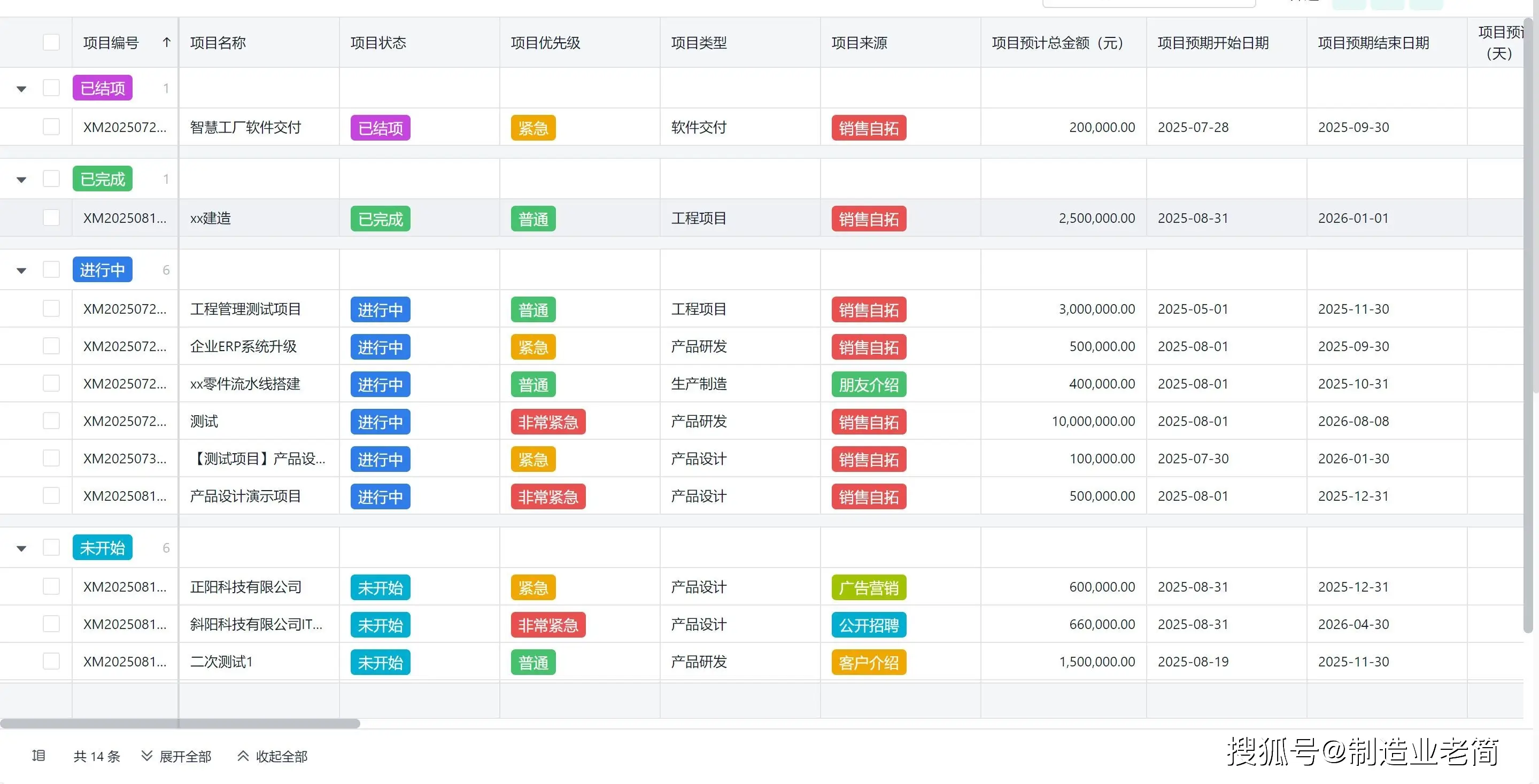
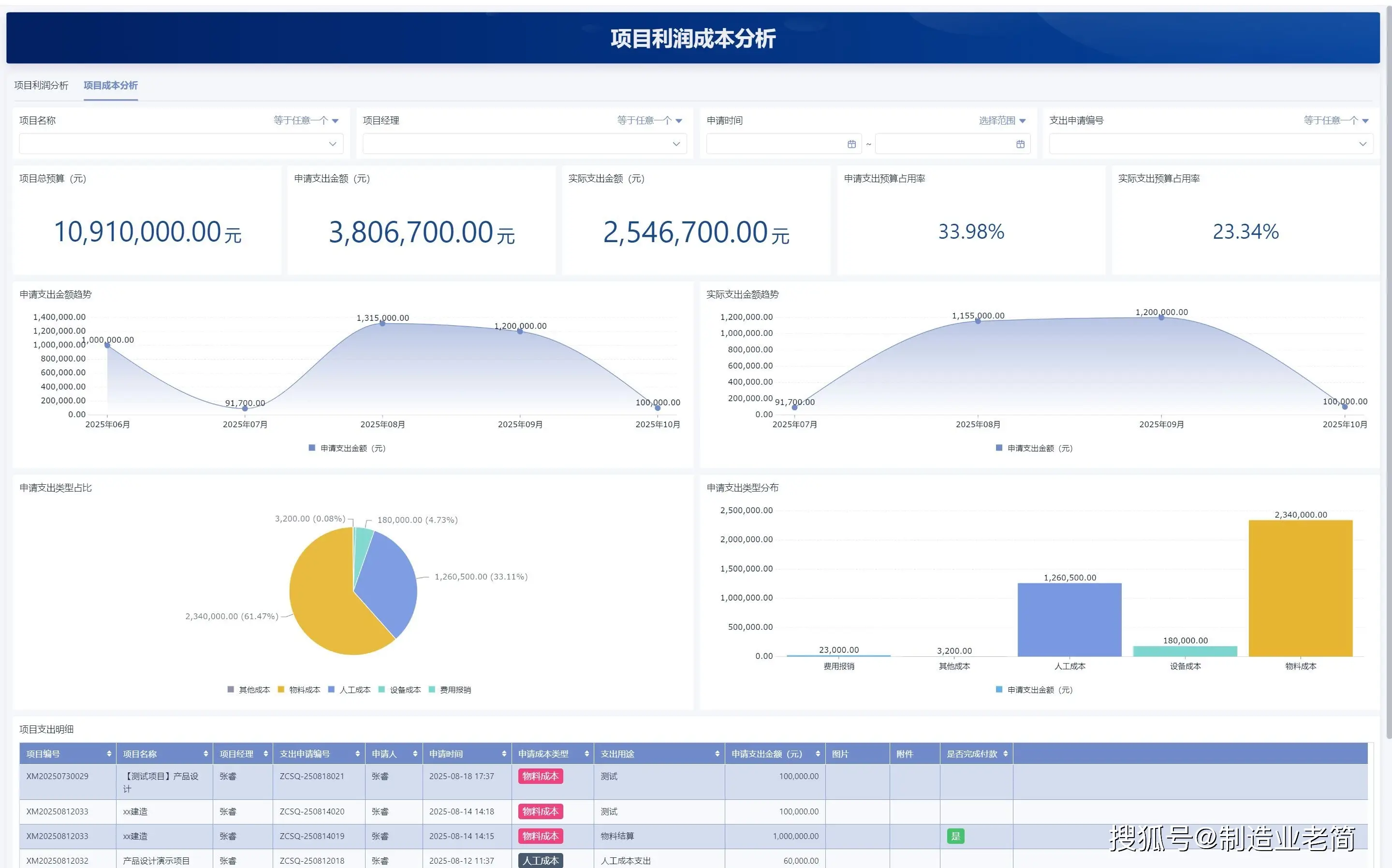
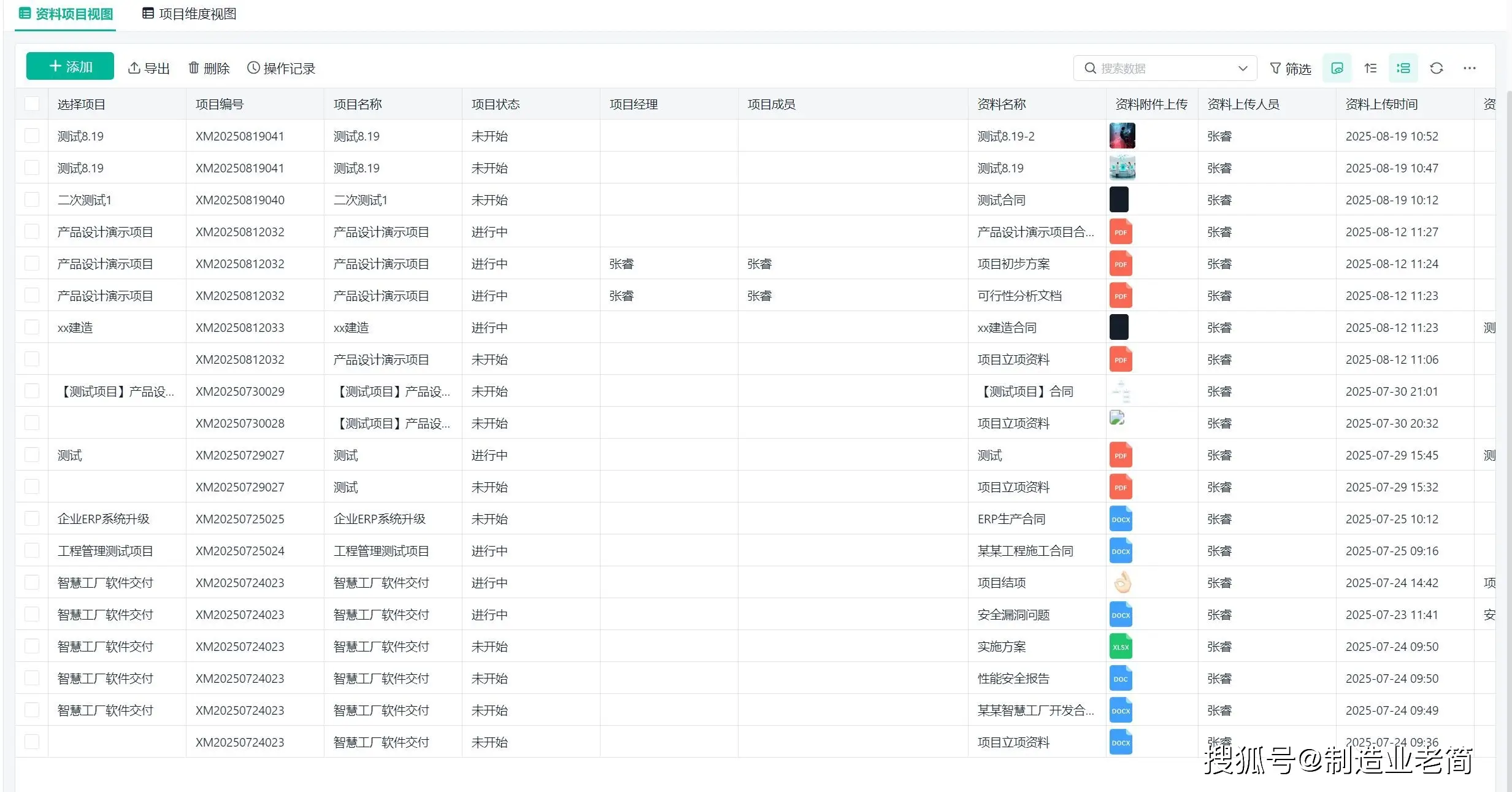
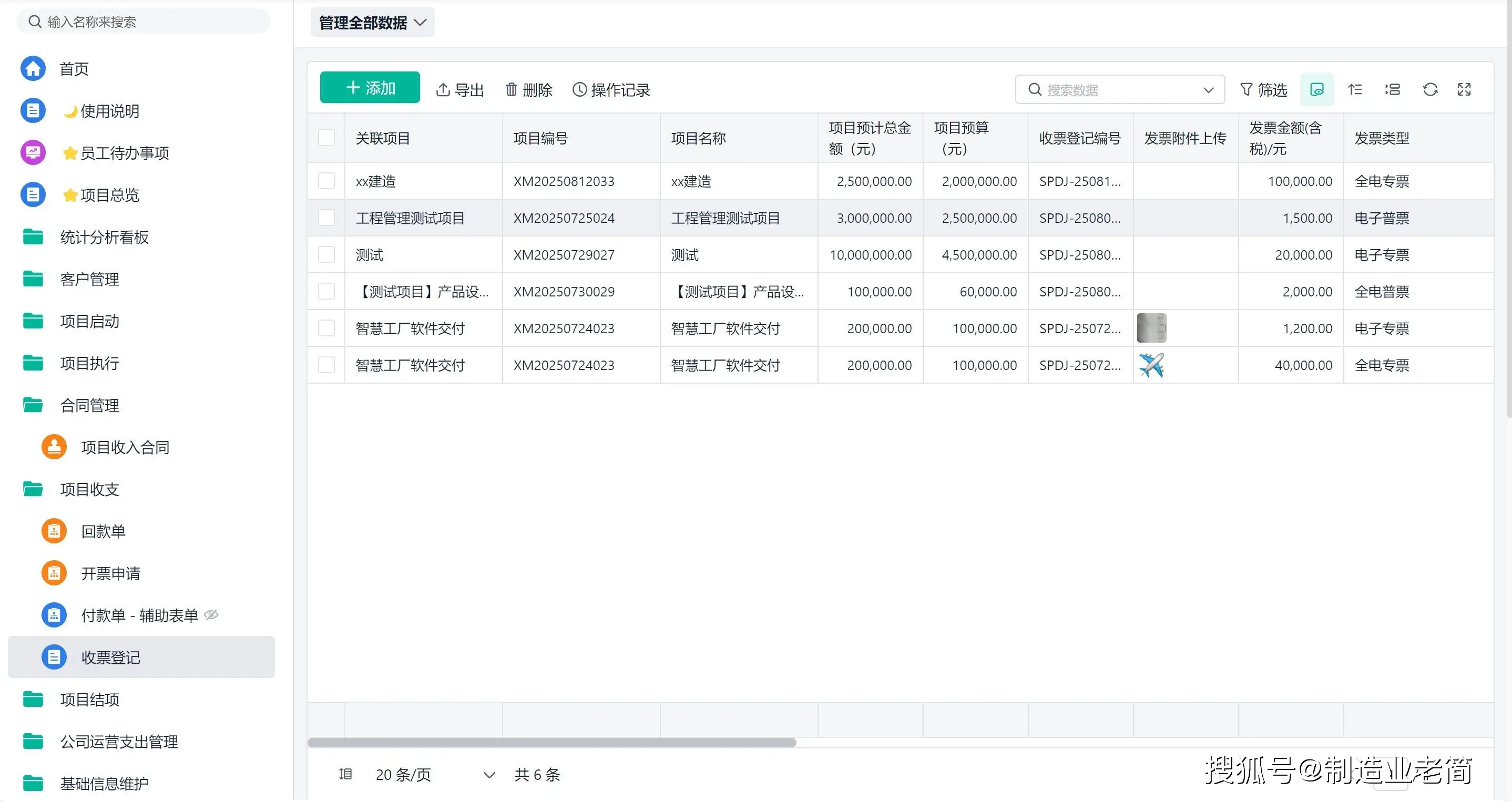
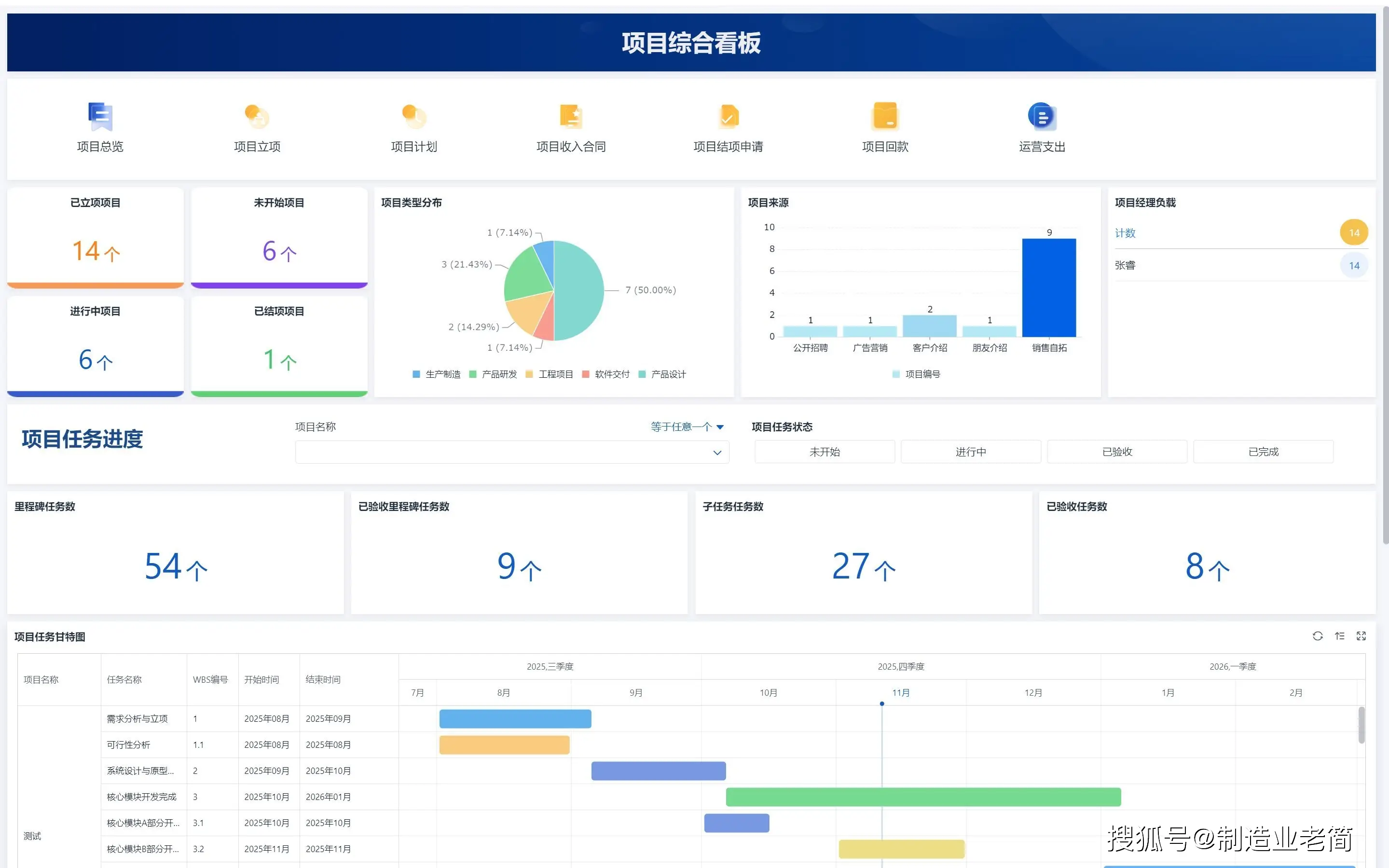
Note: the formula template used for this example: the simple cloud project management system, which provides examples of generic functions and modules that support custom modifications, can be adapted to your needs。
The starting point for project management: clarity of ambiguity
Most of the projects in the enterprise, regardless of their size, have a common feature: they start with a blurry, advance chaos and no one wants to mention them again at the end。
You must have experienced this:
And almost all of this confusion points to one root cause: no one has made it clear in advance and no one is responsible for making it clear。
This is what the project manager means: he is not the most skilled and not the best in business, but he must be the one who knows best to make things happen。
Ii. Five main process groups: the path of the project from chaos to controllability
The five process groups are not theoretical frameworks, but are the five stages through which a project must go from start-up to completion。
They are not one-off, but a circular management rhythm。
A pm that drives the rhythm, usually the project is not bad。
1. Start-up: turning what you want into what you want to do
Many of the project's problems have their origin in the ambiguity of the start-up phase, where visions are discussed but no borders are defined。
At the end of the day, everyone thought they were doing the right thing, but found themselves in a completely different direction。
SoProject initiationThe first task is to make the purpose, objectives and boundaries of the project clear to each participant。
The most practical approach at this stage is to ask questions in a one-page piece:
As long as these questions are answered in their entirety, most of the subsequent conflicts will be digested earlier。
If you put this process into the project management system for implementation, the system can automatically create a foundation item template, require key fields to be filled in and automatically notify relevant practitioners of confirmation after submission。
When everyone understands the project in a single view, there is no need to repeat it。
This sense of “information once in place” is the basis on which the project can be successfully launched。
Planning: translating what to do into what to do
If it's a set course, then planning is a drawing line。
A mature project has never been a matter of thinking, but of digging up potential pits in advance。
The planning stage is not about writing nice documents, but about ensuring three things:
The quality of a project's inputs at the planning stage is often determined by the frequency of overtime that follows。
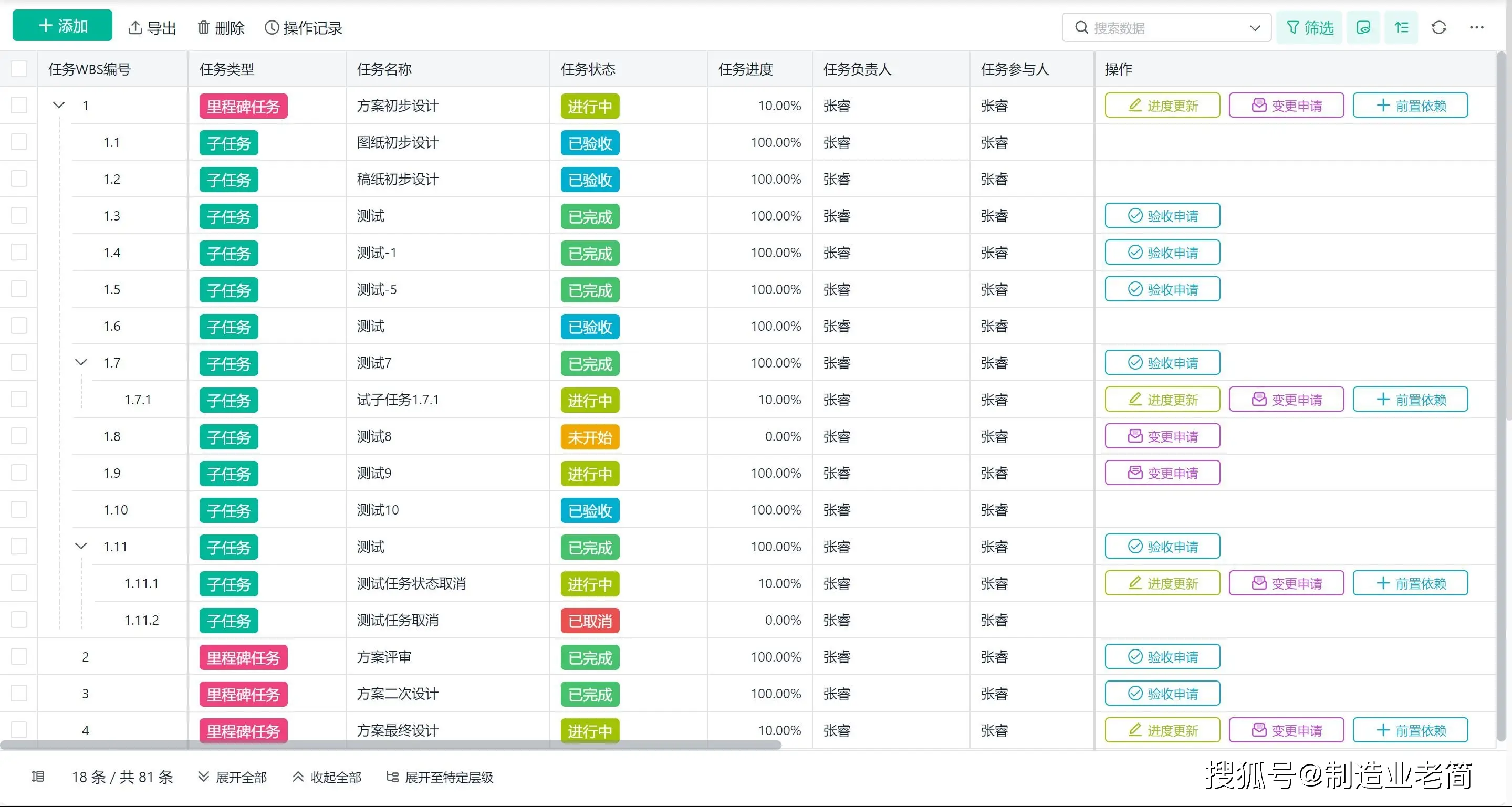
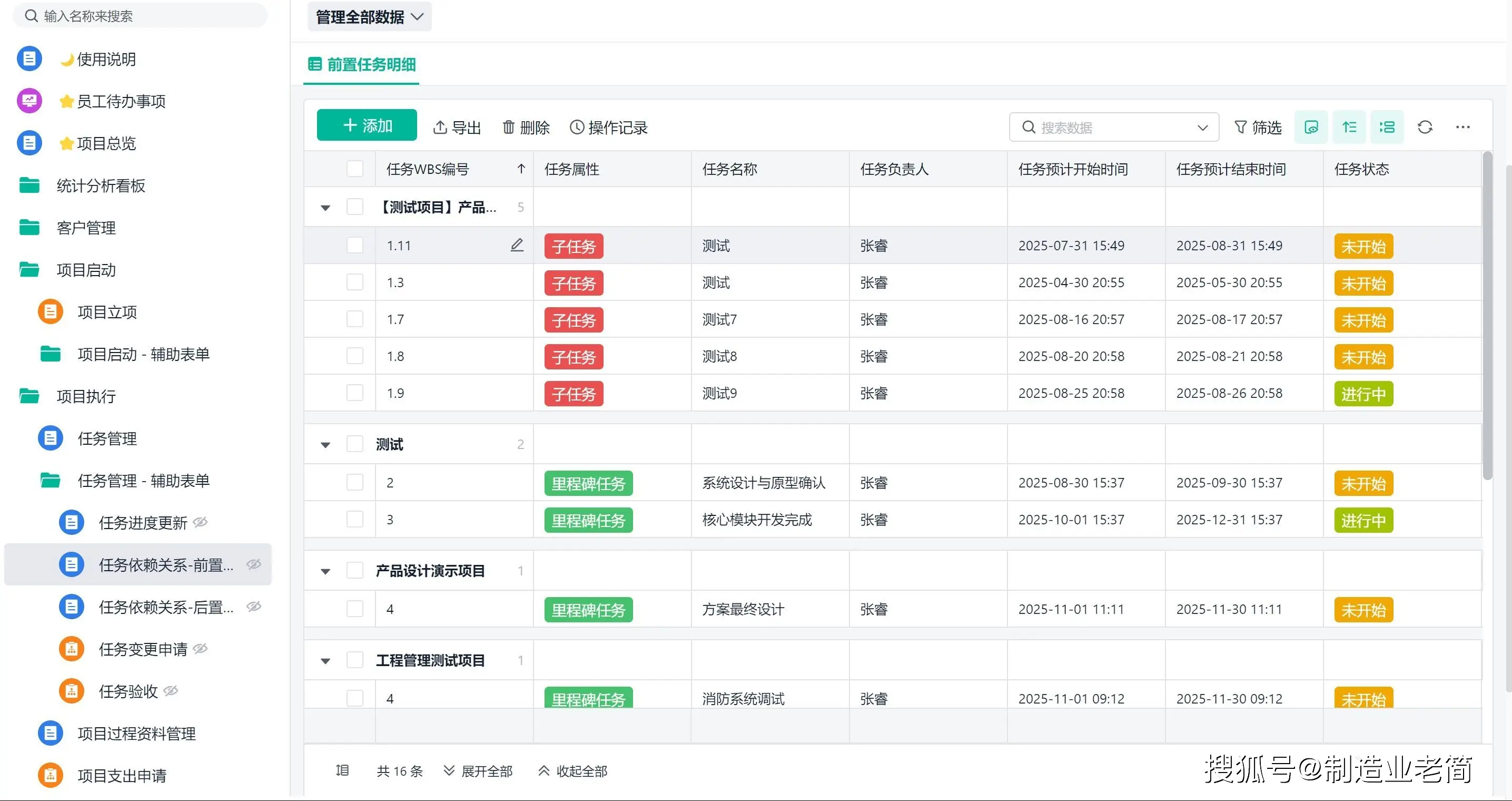
The value of the project management system at this time is obvious, as it automatically calculates critical pathways based on inter-mission reliance, helps you to identify bottlenecks in progress and provides reasonable scheduling advice based on the load。
More importantly, the system allows the plan to be visible in real time and avoids the project manager becoming an information broker. Planning is not a plan sheet, but rather an operational map that can be shared by the team。
In practice, you find: the more well-planned, the more stable it is; the faster it jumps, the harder it is to save it。
Implementation: translating plans into tangible results
The implementation phase is the most realistic part of the project and the most prone to friction。
These events occurred daily during the performance period。
In this environment, the role of the project manager is not to “move the task”, but to maintain stability in three things:
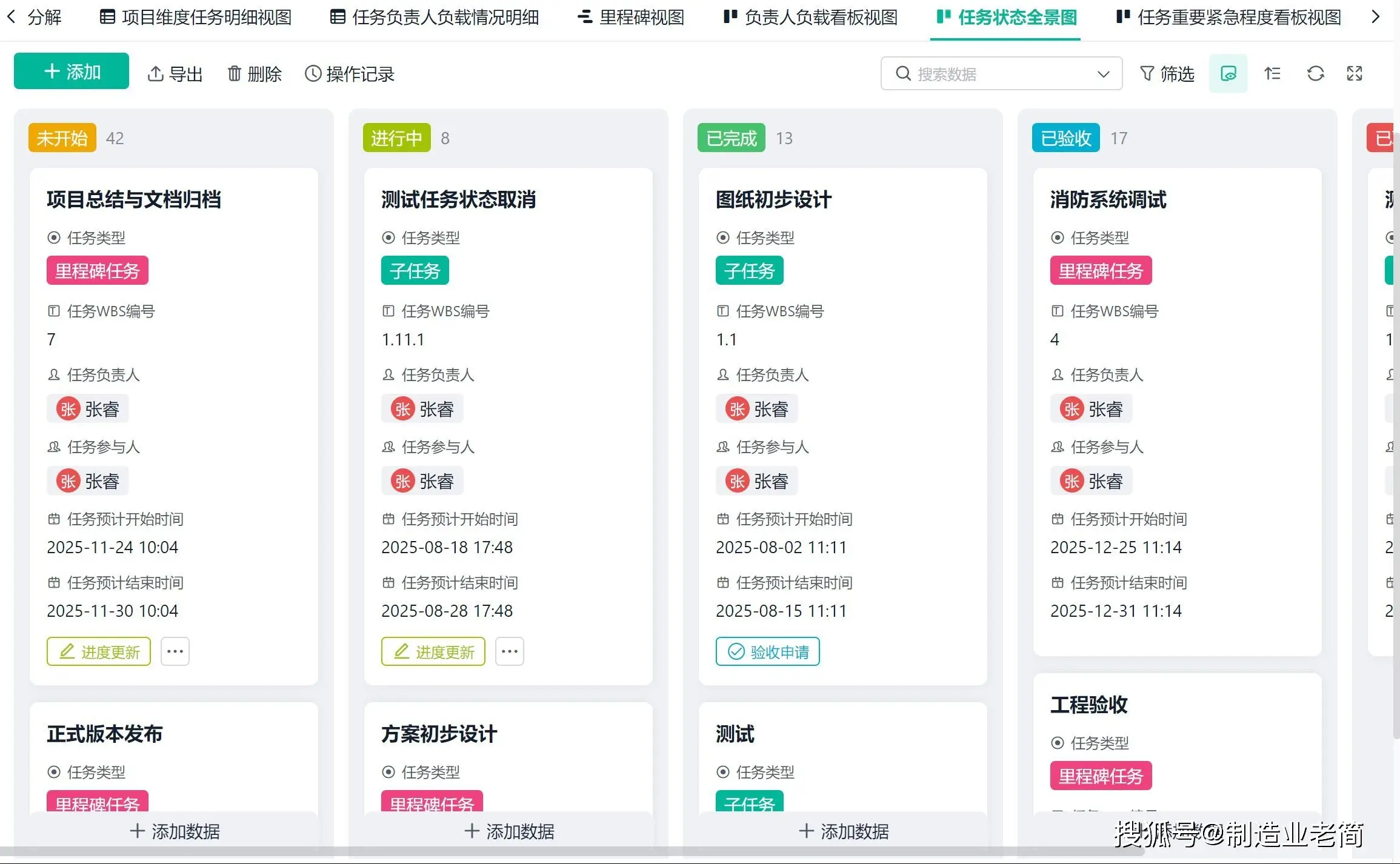
The key to the implementation phase is for the project team to know where it is now, not almost。
Monitoring: keeping the project on track
Surveillance is often understood as tracking progress, which is far more complicated。
It includes early warning of progress, risk monitoring, quality checks, resource consumption and consistency in expectations of projects。
An excellent pm, who does not report after the problem has exploded, is a proactive reminder when the problem has begun:
"as far as information is concerned, if the x module cannot be completed on thursday, our integration test next week will be rolled back as a whole for three days, so i will be preparing to test the resource adjustment this week."
Surveillance does not put pressure on others, but provides the team with predictability。
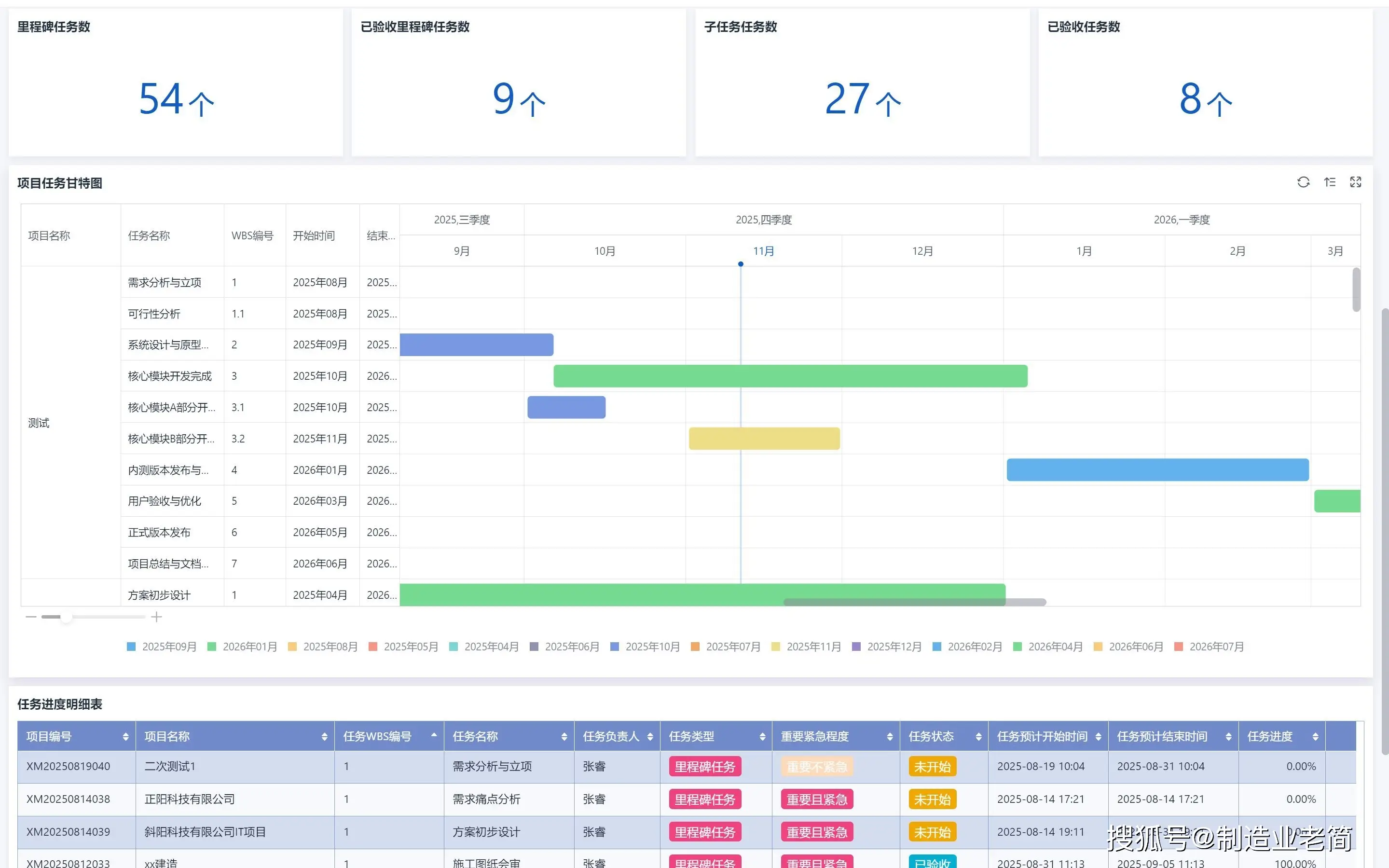
Monitoring is no longer a manual burden if enterprise project systems are able to measure progress, costs, risk data in real time and automatically send a reminder when deviations occur。
The system's digitization capacity, which allows project management to move from sensory judgement to quantitative decision-making, also allows project managers to shift their energies from looking at statements to solving problems。
Closure: “real closure” of the project
Many of the projects are broken not because of the failure of delivery, but because they are not handled in a clean manner:
The documentation was incomplete, configuration was not handed over, the version was not on the receiving and inspection list, the vendor's tailings were stuck in the process, and team experience was not summarized。
The winding-up phase was somewhat like a battleground clean-up, but it had a direct impact on the ability of future projects to avoid duplication。
A mature team would insist on doing a reset
These things settle down。
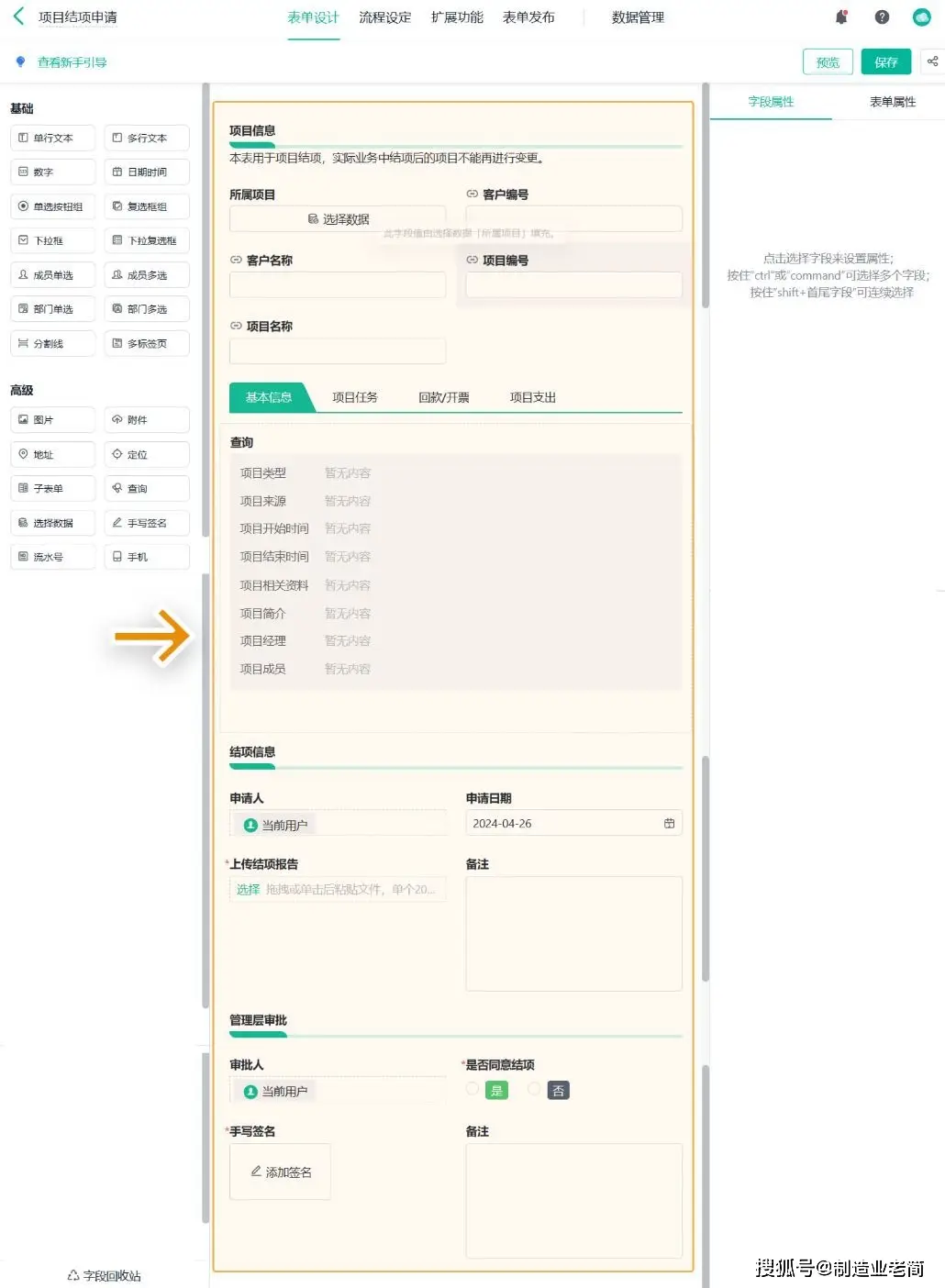
We can also use the digital project management system to manage the end-of-service phase, where all documents, configurations, acceptance records can be centrally deposited and key decision-making processes automatically leave traces. At the next start of a similar project, the team will be able to revert directly to the template and less to the curve。
Closing is not the end, but the beginning of capacity growth。
Iii. Ten areas of knowledge: capacity systems to address issues
If the five major processes are rhythm, the ten areas of knowledge are “capacity systems” for dealing with problems。
They are not additional work, but 10 aspects of the project that you naturally face every day。
I take them apart in the most common way of understanding。
1. Scope management: avoiding a broader picture
Undefined scope is the first source of project confusion。
There are two things that concern range management:
The clearer the scope, the harder it is for the entire team to be dragged down by extra work。
2. Progress management: make time your ally, not your opponent
Progress management is not stuffing tasks into calendars。
It is the ability to assess dependencies, resource availability, and controllability. Good progress management informs the team in advance:
Controlling progress is essentially controlling the team rhythm。
3. Cost management: spending resources on blades let's go
Cost management is not a financial matter, it is a routine pm。
You have to know whether every change, every choice will increase the input。
Even if you do not have budgetary authority, you must have budgetary awareness。
4. Quality management: quality is not a test exercise, it is a project-wide strategy
All right, pm will identify quality objectives at the pre-project stage and set check points at each step。
Quality is not checked on line, but process control from demand to design, from development to testing。
5. Resource management: the most difficult to manage is people
Resource management includes division of labour, competency assessment, conflict management and maintenance of the team culture。
A mature pm sees team fatigue in advance and knows how to adjust the rhythm at key nodes, not just rush。
6. Communication management: pm's core skills
Communication is not an over-message, but ensures that:
Good communication, good projects, bad communication, bad projects。
Risk management: 70 per cent reduction
Risk will never automatically disappear。
All right, the pm will identify the risks ahead of time, put them in the plan, and prepare the team for the strategy。
No one is afraid of risk, not knowing。
8. Procurement management: working with suppliers requires a strategy
Procurement is not just a price discussion, but a recognition of capacity, scope and delivery mechanisms。
The clearer the contract, the less controversial。
9. Managerial management: a genuine determinant of the success or failure of the project
It's not the people who need to work together, it's the people who decide if you can move on。
There are different concerns among the different actors, and the value of the pm is to coordinate these concerns and bring the project in a consistent direction。
10. Integrated management: the ultimate capability of the pm
Integrating management is to bring together 10 areas and smooth five processes。
You need to integrate resources, objectives, progress, risks into an implementable whole, not a bunch of fragmented mandates。
Where is the value of a pm。
Iv. Five processes x ten broad areas: bottom logic of project management
When you look at five processes and ten areas together, you find them not two systems, but a network of stereos。
A truly mature project management system is often a combination of the two。
Enterprises ensure the rhythm through processes, depth through area management, visualization and standardization through system support。
The end result is that the project is no longer dependent on individual experience, but is able to replicate success consistently at the organizational level。
Concluding remarks
Project management is neither a framework nor a form; it is a set of capabilities to help teams maintain direction, consistency and rhythm in complex environments。
When you can combine the two, you are not just a man who performs the task, but a person who can truly bring the project to a conclusion。









