In today's information age, archives, as an important vehicle for historical records and information resources, are of immeasurable value for the development of society in their management and use. In order to ensure the regularization, scientificization and legalization of archives, the state has established a series of archives departmentsLaws and regulationsThis provides solid guarantees for the healthy development of the archives。
Overview of the legal and regulatory framework of the archives industry
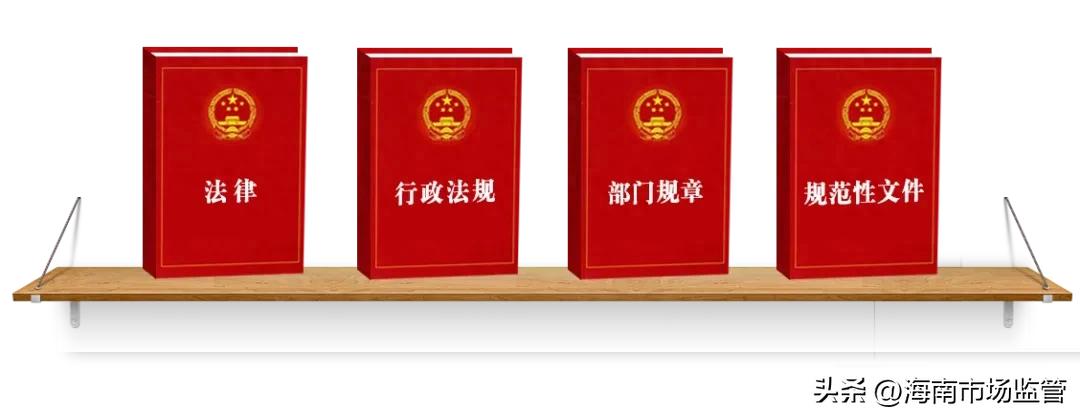
The legal and regulatory system of the archives industry is an organic, multi-layered and multi-dimensional body. At the legal level, these include, inter alia, laws at the national level, administrative regulations, sectoral regulations and local regulations。
National levelArchives actIt is a fundamental law of the archives industry that defines the basic principles of the archives, the institutions of the archives and their functions, the management, use and publication of the archives, and lays the foundation for the entire legal and regulatory system of the archives. The law on archives, for example, establishes the principle of unified leadership and hierarchical management of archives, preserving their integrity and security and facilitating their use by all sectors of society, which cuts across all aspects of the archives。
Administrative regulations, such as the regulations for the application of the law of the people's republic of china on archives, elaborate and supplement the relevant provisions of the law on archives, making its implementation more operational. Specific responsibilities of archives in the regulationsArchives managementThe processes and requirements are detailed and further clarify the rights and obligations of the participants in the archives。
With regard to sectoral regulations, the competent authorities in different sectors and areas have developed their own procedures for the management of archives in accordance with their characteristics and needs. Examples include the national intellectual property agency's archives management scheme, the national statistical office's archives management scheme, which sets out specific requirements for the management of archives in specific industries in terms of their scope of filing, duration of custody, access, etc., and closely integrates archives management with industry operations。
Local regulations are also an important part of the legal system of archives. In accordance with the actual situation in the region, the provincial administrative districts have drawn up regulations for the management of their own archives, such as the liaoning provincial archives regulations and the hebei provincial archives regulations. These local regulations take into account local characteristics and practical needs, in accordance with national laws and regulations, and serve as an important guide and regulatory tool for the development of archives in the region。

Key elements of the law and regulations of the archives industry
(i) archives and personnel management
The laws and regulations clearly define the set-up and functions of the various archives. The national archives authority, which is responsible for national archives, is responsible for the integrated planning and organization and coordination of the development of national archives, the establishment of a unified system and the implementation of oversight and guidance. The local archives authorities at the district level and above are responsible for the archives in their respective administrative regions and supervise and supervise the archives of the institutions, groups, enterprises and other organizations in the region. For example, a county-level archives authority is responsible for conducting regular inspections and operational guidance on the archives of the various schools, hospitals, etc. In the region to ensure that their management complies with the normative requirements。
Agencies, groups, business enterprises and other organizations shall establish that the archives body or archives staff shall be responsible for the management of their own archives and shall supervise and direct the work of their archives. This requires units to focus on archives, staffed by professional archivists and ensuring their smooth functioning. At the same time, the state strengthens the development of personnel and teams of archives workers and improves the quality of their operations. Archives professionals are also encouraged to upgrade their professional skills by evaluating their professional qualifications in accordance with national regulations。
(ii) collection and collation of archives
Institutions, groups, business enterprises and other organizations that are required by national regulations to form archives should establish accountability for their work and develop a sound record management system in accordance with the law. It is clear which materials should be included in the archive, including those reflecting the evolution of institutions, groups and major functional activities, the main research and development, construction, production, operation and service activities of state enterprises, as well as the defence of their rights and interests and workers ' interests, the governance of urban and rural communities and the service activities of grass-roots mass self-government organizations, the activities of state governance, the development of economic science and technology, the social and historical aspects, cultural practices, the ecological environment, and the legal and administrative provisions that should be archived. For example, design drawings, experimental data, technical reports, etc. Generated by an enterprise in the course of product development are all materials that should be archived。
The materials that should be archived shall be transferred periodically to the institution of the institution's archives or to the archives'staff for central management, in accordance with the relevant provisions of the state, and no individual may refuse to file or own them. At the same time, the state requires that no material be archived and prohibits unauthorized filing. Scientific methods and standards, such as the rules on the classification of archives, the general requirements for the composition of scientific and technical archives, and the classification, numbering, cataloguing, etc., should be followed in the preparation of archives to facilitate their preservation and use。
(iii) preservation and security of archives
Archives, as well as archives of institutions, groups, enterprises and other organizations, should establish a scientific management system to facilitate access to archives. The security of the archives is ensured by equipping them with the necessary facilities and equipment in accordance with the relevant national regulations. For example, archives must be equipped with fire, piracy, tidal, insect, light and air conditioners, dehumidifiers, fire extinguishers and surveillance equipment. At the same time, the modernization of archives management through the use of advanced technology, such as digital storage and management of archives, will improve the efficiency and security of archives management。
The units should establish sound archives security mechanisms, strengthen file security risk management and improve the capacity for file security emergency disposal. It is strictly prohibited for any unit or individual to alter, damage or falsify archives and to destroy them without permission. The management and use of archives involving state secrets, changes in levels of secrecy and their declassification shall be regulated by laws and administrative regulations relating to the preservation of state secrets and shall ensure the security of state secrets。
(iv) access to and publication of archives
The archives of archives at the county level and above shall be open to the public for 25 years from the date of their formation. Files in the economic, educational, scientific, cultural and other fields can be opened to society for less than 25 years; archives that are of national security or vital interest, and others that are not suitable for opening, can be opened to society for more than 25 years. The archive should publish regularly, through its website or otherwise, the catalogue of open archives, where the units and individuals hold legal certificates and have access to those already opened. This provision guarantees the right of citizens, legal persons and other organizations to access archives in accordance with the law, taking into account national security and interests。
Open examination of archives is the responsibility of the archives, together with the unit for their formation or transfer. The archives shall, in accordance with their own conditions, provide support and facilitate the development of laws, regulations, policies and research on relevant issues by state organs. The state encourages archives to develop and use their archives, to promote the core values of socialism and to perform their cultural and educational functions in the service of social development by organizing archives exhibitions and publishing archival materials。