


Bibliography of articles:
1.DefenceIntroduction
2. Composition of national defence
3. Types of defence
I'm sorry.HistoryDefence
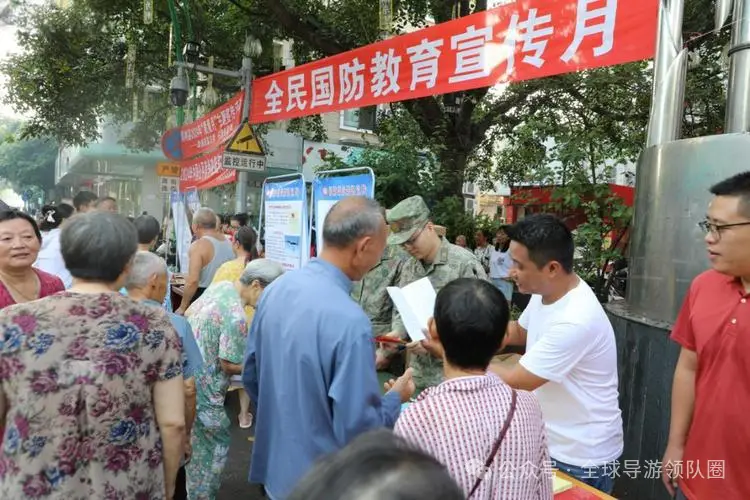
5. Defence of citizensObligations
6. Our armed forces
1. Description of defence
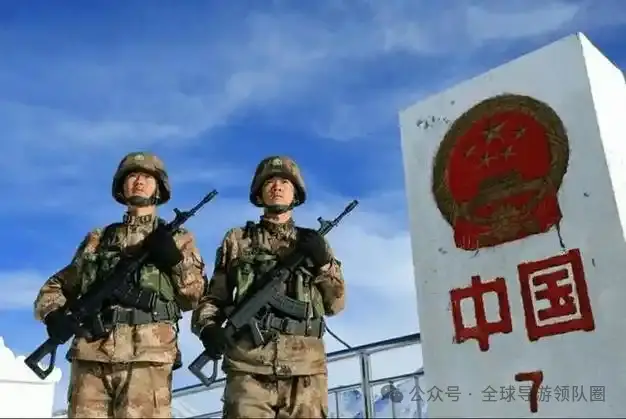
National defence means the defence and defence of the sovereignty of a state against foreign aggressionMilitaryDefence measures。
With the development of the times, national defence is no longer limited to traditional military warfare, but extends to political, economic, scientific, diplomatic and cyber security areas。
At the same time, it also emphasizes the principle of popular participation and requires the government, the army and all sectors of society to work closely together to build a solid national defence system。
2. Composition of national defence
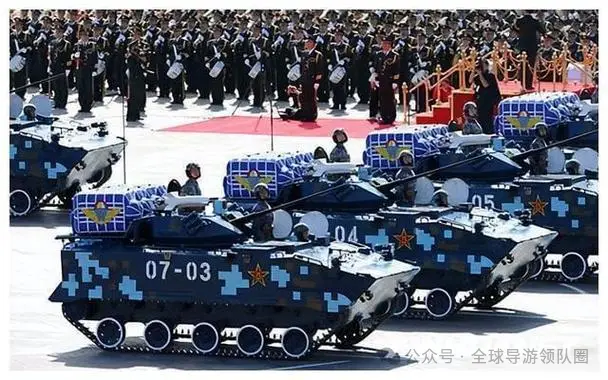
Military aspects, including the army, navy, air force, rocket forces, weapons and equipment, military training, strategic deployments, etc。
Political aspects include the stability of state power, the development of national defence laws, the promotion of national defence education and the promotion of patriotism。
Economic aspects, including investment in defence budgets, development of military-industrial enterprises, reserves of strategic resources such as oil, minerals, food, etc。
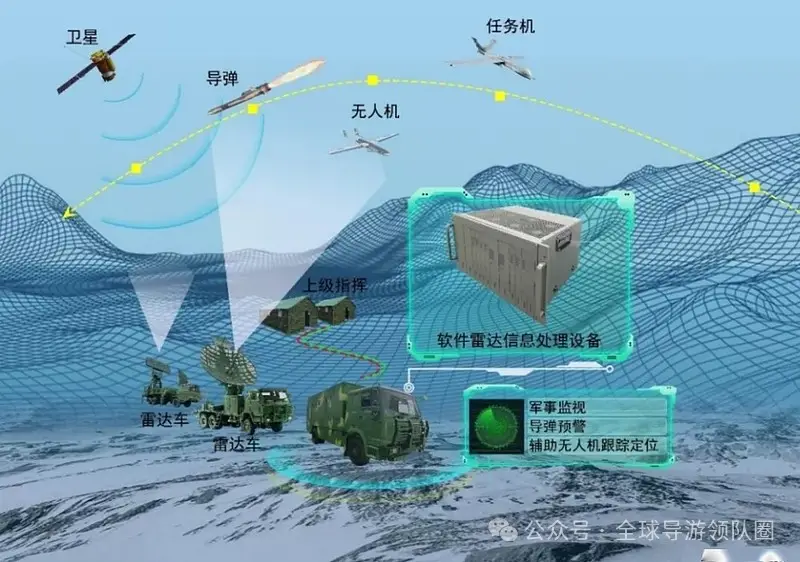
The scientific and technological aspects include high-tech weapons, intelligence detection techniques, artificial intelligence, quantum communications, satellite systems, etc。
Diplomatic aspects include international cooperation, diplomatic negotiations, regional security, border disputes, peacekeeping operations, strategic partnerships, etc。
3. Types of defence
At present, there are four main types of defence worldwide:
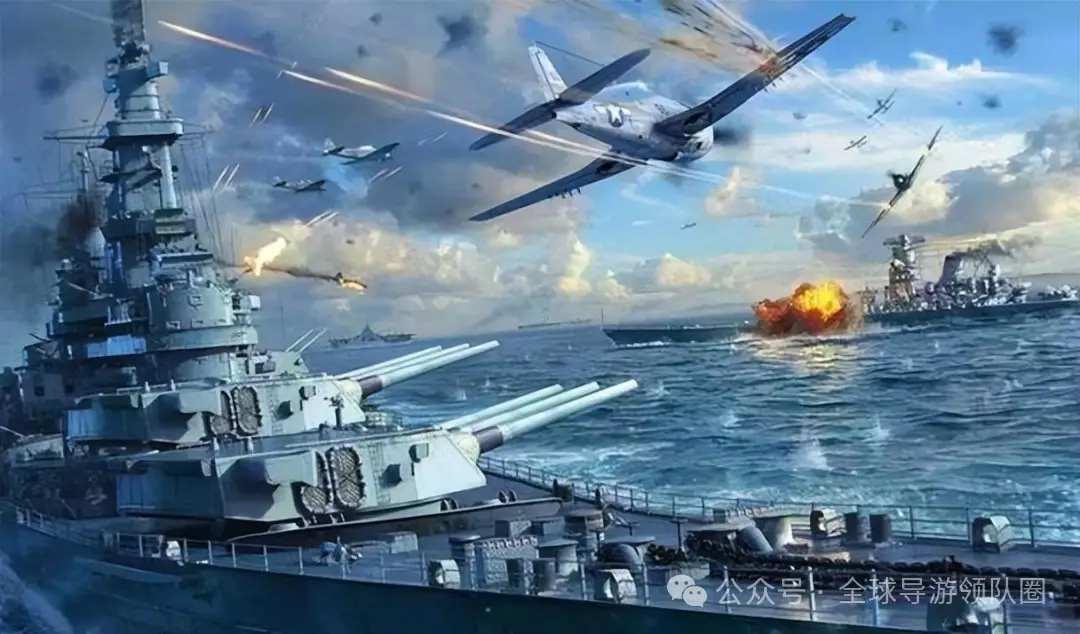
Expansion: through increased military power, proactive external expansion, pursuing expansion in scope and strategic interests, such as the united states, russia, israel。
Self-defence: defence-based, non-provoked war to protect the sovereignty, security and territorial integrity of states, such as china, india and the dprk。
Alliance-type: in the form of alliances, a group of countries, such as japan and south korea, have aligned themselves with the united states to make up for their strengths。
Neutrality: remain neutral in international affairs and do not participate in any military bloc or military conflict, such as switzerland, sweden。
4. Historical defence
During the qinhan period, defence was based on the consolidation of power and resistance to the nomadic peoples of the north, the great wall was built in the qin dynasty in order to prevent hungary and the border counties were established in the han dynasty。
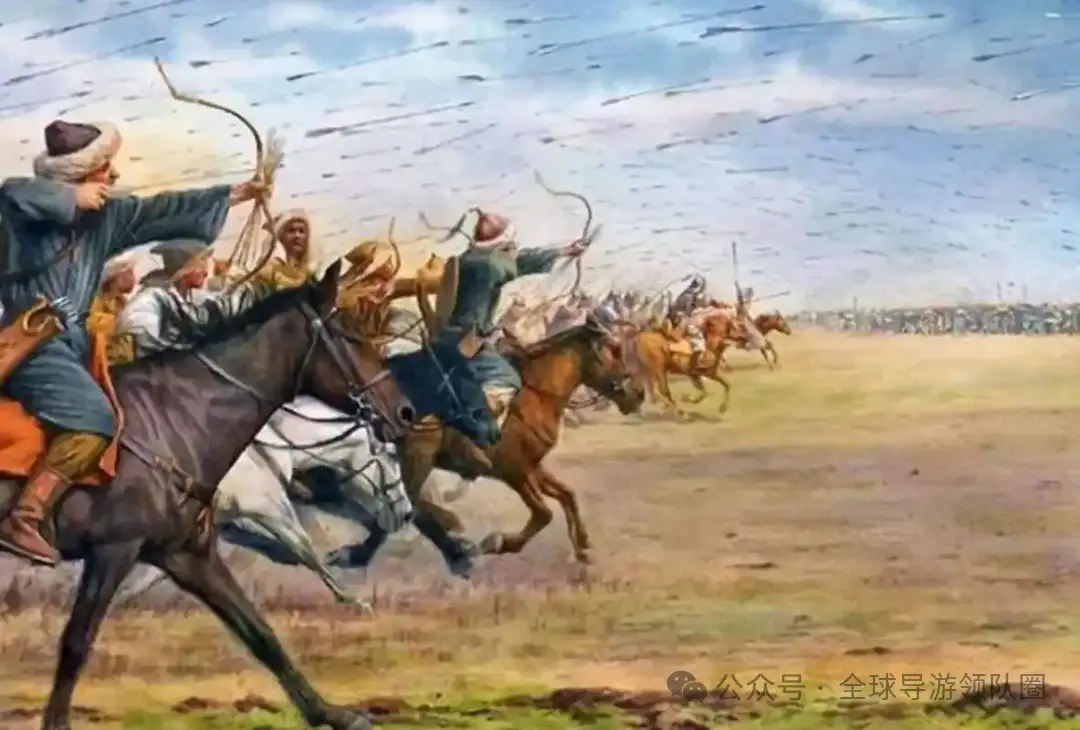
In the song yuan era, the song dynasty has a relatively weak defence force, while the won dynasty has established a large army that relies on cavalry。
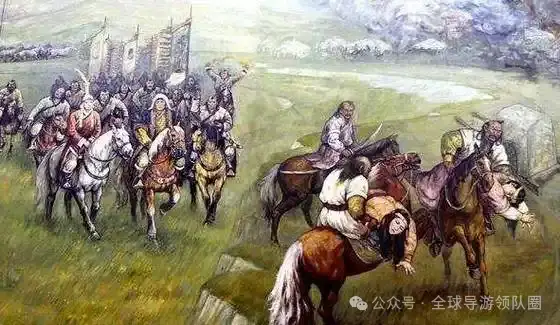
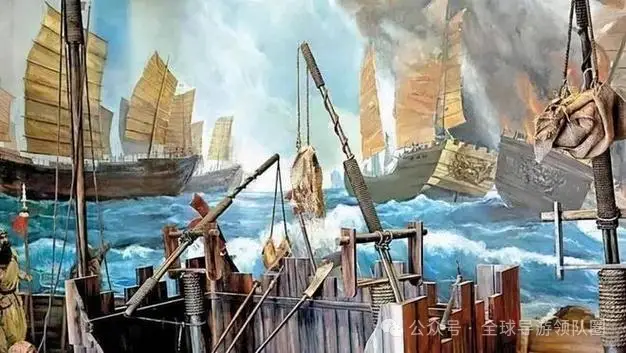
The period of the ming dynasty: measures such as the construction of the great nine side wall and the strengthening of maritime defence have been taken in the face of threats from the remnants of mongolia in the north and the pirates on the south-east coast。
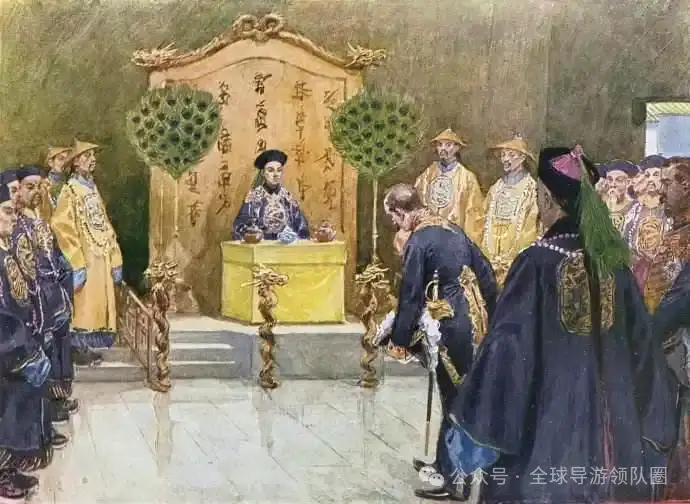
Qing dynasty: the focus of the previous period was on stabilizing borders, suppressing rebellions and external expansion, closing the country in the middle and later stages, with defence falling behind。
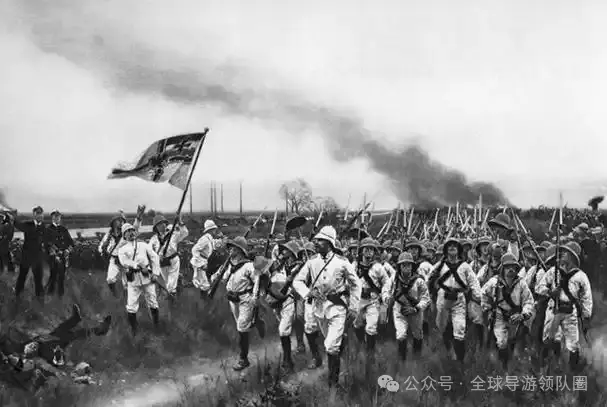
Near-modern: in the face of the invasion of the great powers and the total invasion of china by japan, the period of defence was centred on anti-aggression and sustained resistance。
Since the establishment of the new china, it has moved from passive to active defence, gradually establishing a modern national defence system and promoting precision, informatization and scientific and technological development。
Defence obligations of citizens
6. Our armed forces
The people's liberation army (pla): comprises the army, the navy, the air force, the rocket army, the strategic support force and the united nations guarantee force。
Armed police force: mainly responsible for internal security, counter-terrorism, border patrols, emergency relief and infrastructure protection。
Military technology: high ultrasound weapons, quantum technology, artificial intelligence, satellite navigation, robotics, computerized combat systems, etc。
Militias and reserves: this is an important force for rapid mobilization and support of the regular army in times of war, spread throughout the country。
Nuclear weapons: china has a three-pronged nuclear strike capability consisting of intercontinental ballistic missiles, ballistic missile submarines and strategic bombers。
Military space force: responsible for improving safe access and open access to space, enhancing space crisis management and integrated management。
Cyberspace forces: secure state cyberborder borders, timely detection and resistance to cyberincursions and defence of state cyber sovereignty。









