A number of local manufacturing and processing enterprises in the lake use a variety of pressure machines in their daily production, which can easily disrupt the pace of production and slow down delivery if equipment breaks down. When a lot of operators encounter an anomaly, either they're too busy to find the cause or they're wrongProtectionHaving spent the wrong money in the direction, today we have organized the practical aspects of daily maintenance and trouble management of the stress machine to help clear our minds and reduce unnecessary costs。
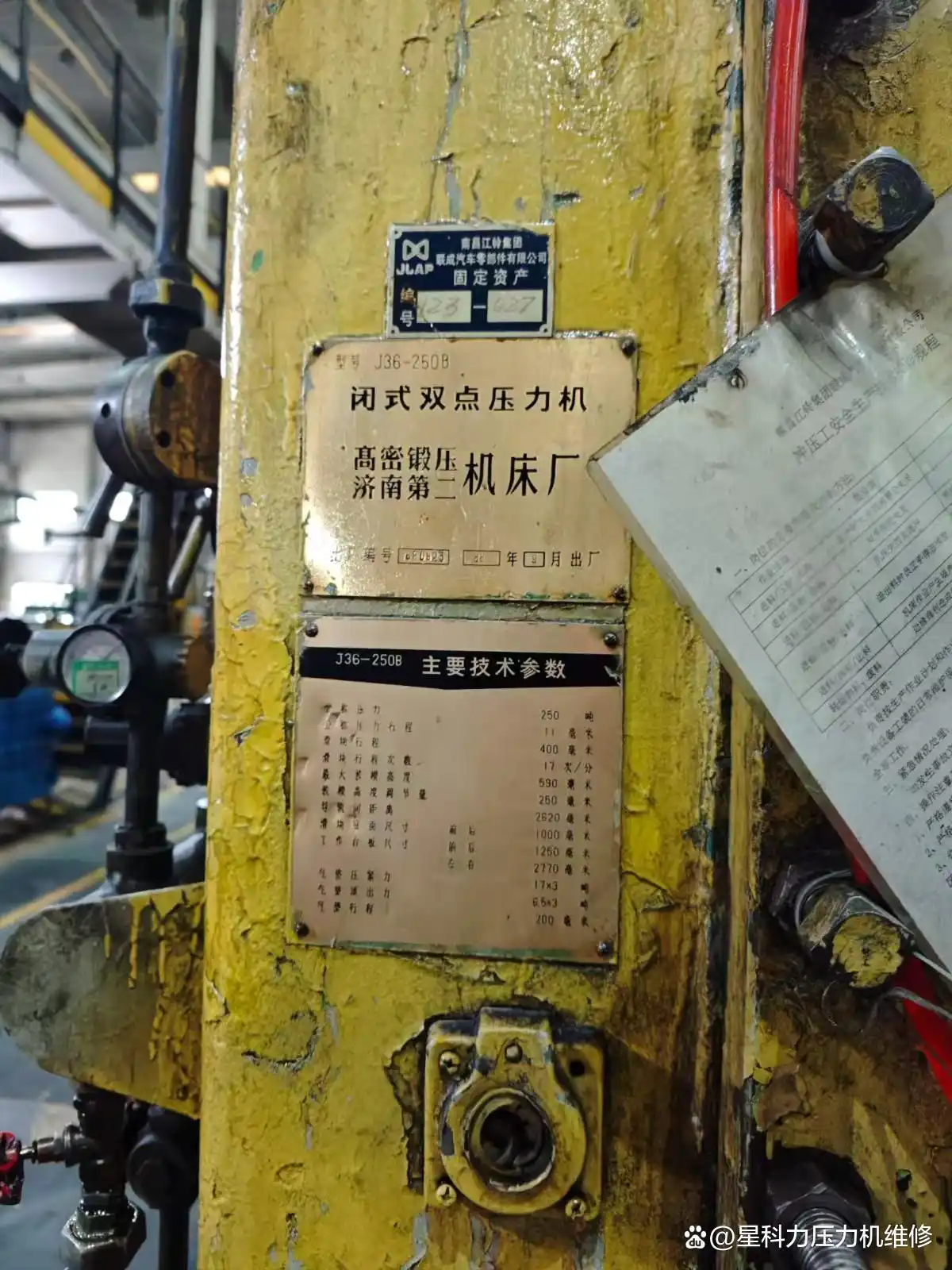
1. Frequent self-surveyable breakdowns of pressure machines
Many minor problems encountered in day-to-day use do not require the presence of a professional maintenance staff who can quickly locate the equipment against its operational state。
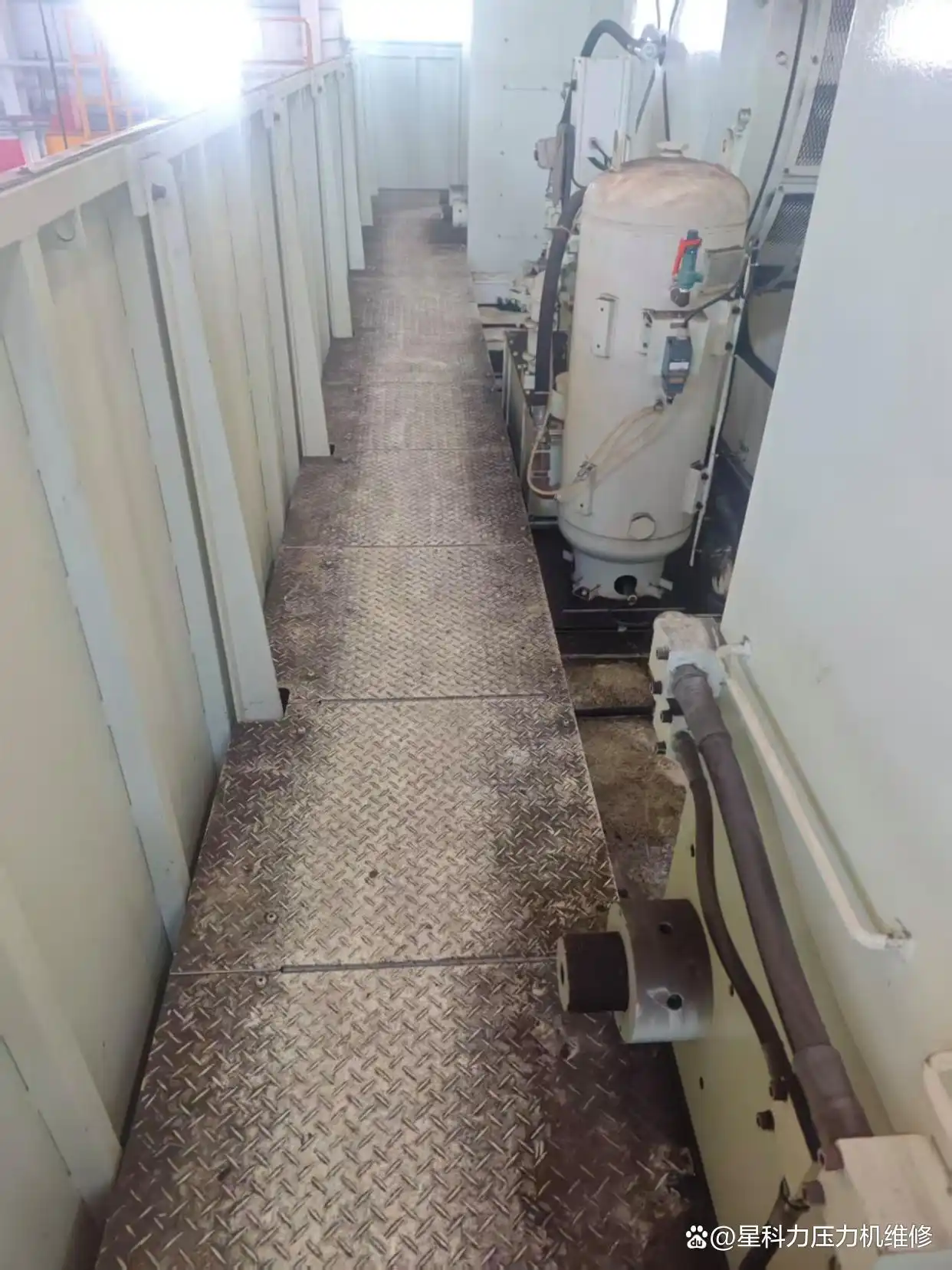
For example, the slider runs cardon after the start-up of the equipment, with the approximate rate being a lack of lubricant or metal shredding at the guidance track, cutting off the power source to clean the surface of the track and adding lubricant to the corresponding labels, most of which will return to normal。
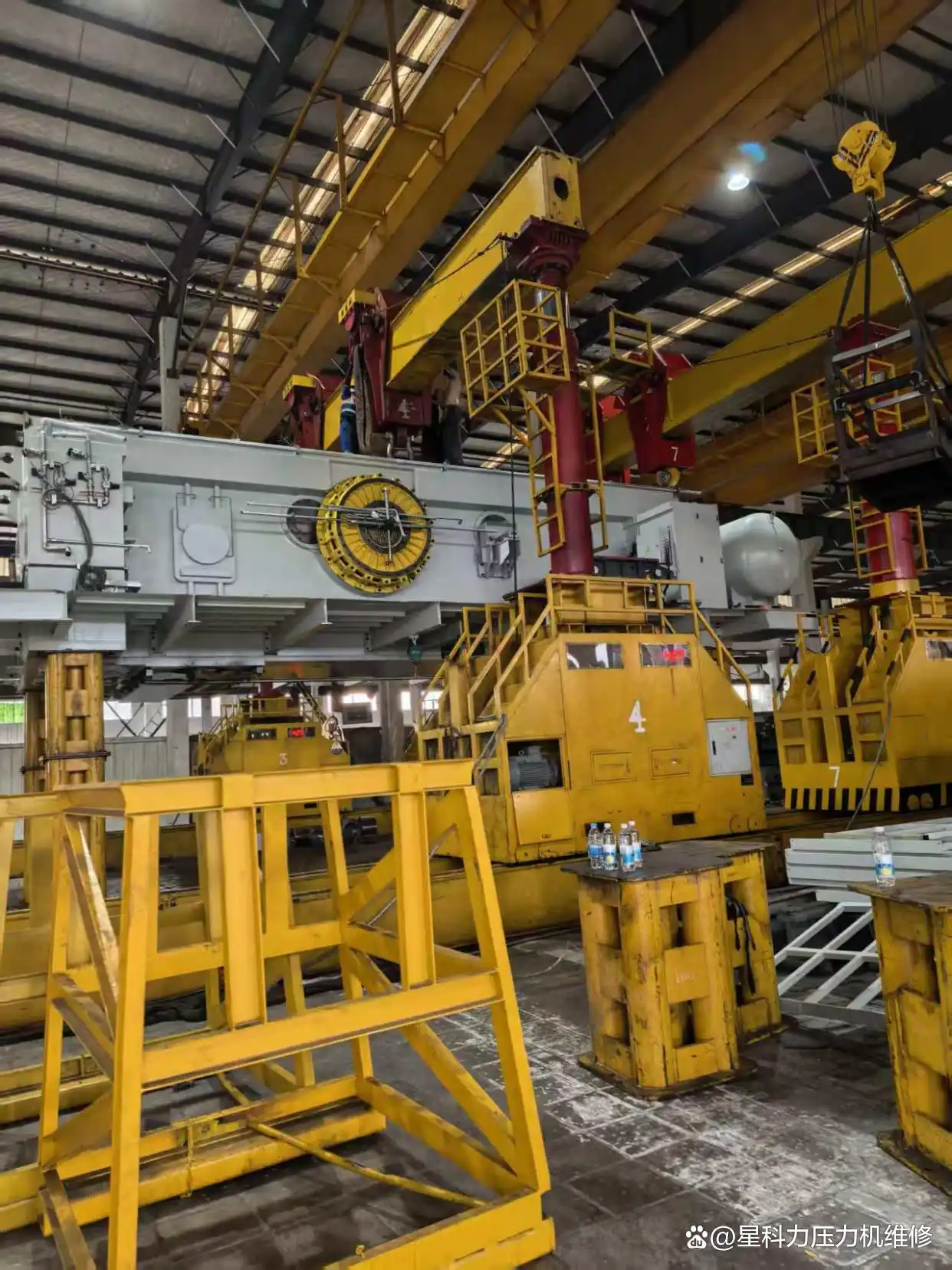
For example, when the pressure value does not reach the established threshold, check whether the pipe is leaking or whether the spring of the spill valve is loose, and do not need to open the fittings blindly. According to research in the local equipment protection industry, nearly 60 per cent of day-to-day problems can be solved by simple checking, without relying on door-to-door services。
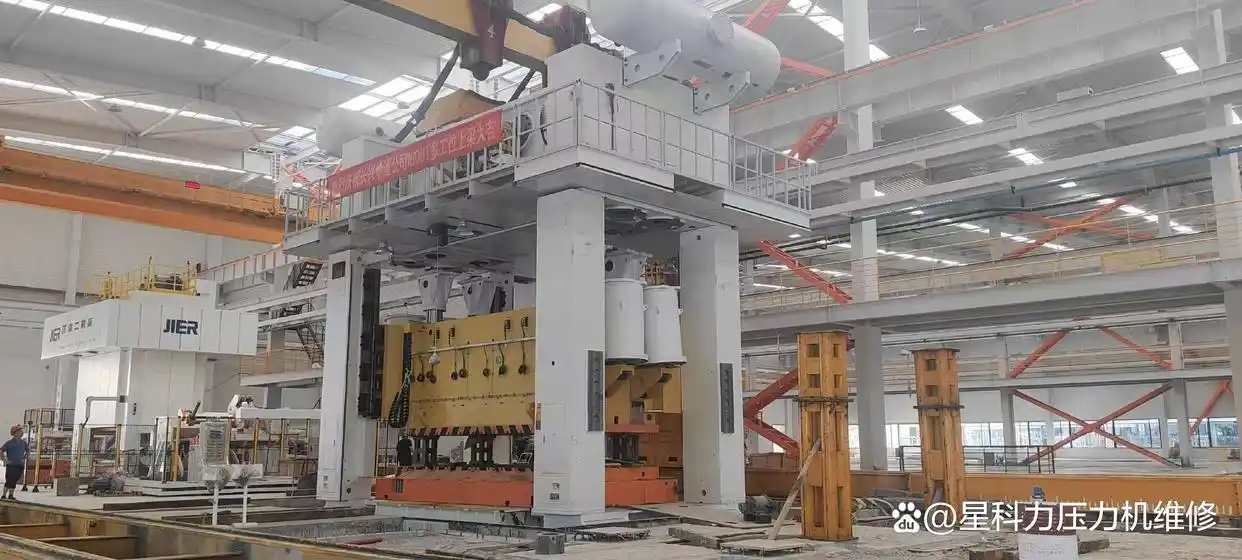
2. Type of failure requiring professional intervention
It's about the core moving partsSafetySystem anomalies must not be self-dismantled to avoid security risks。
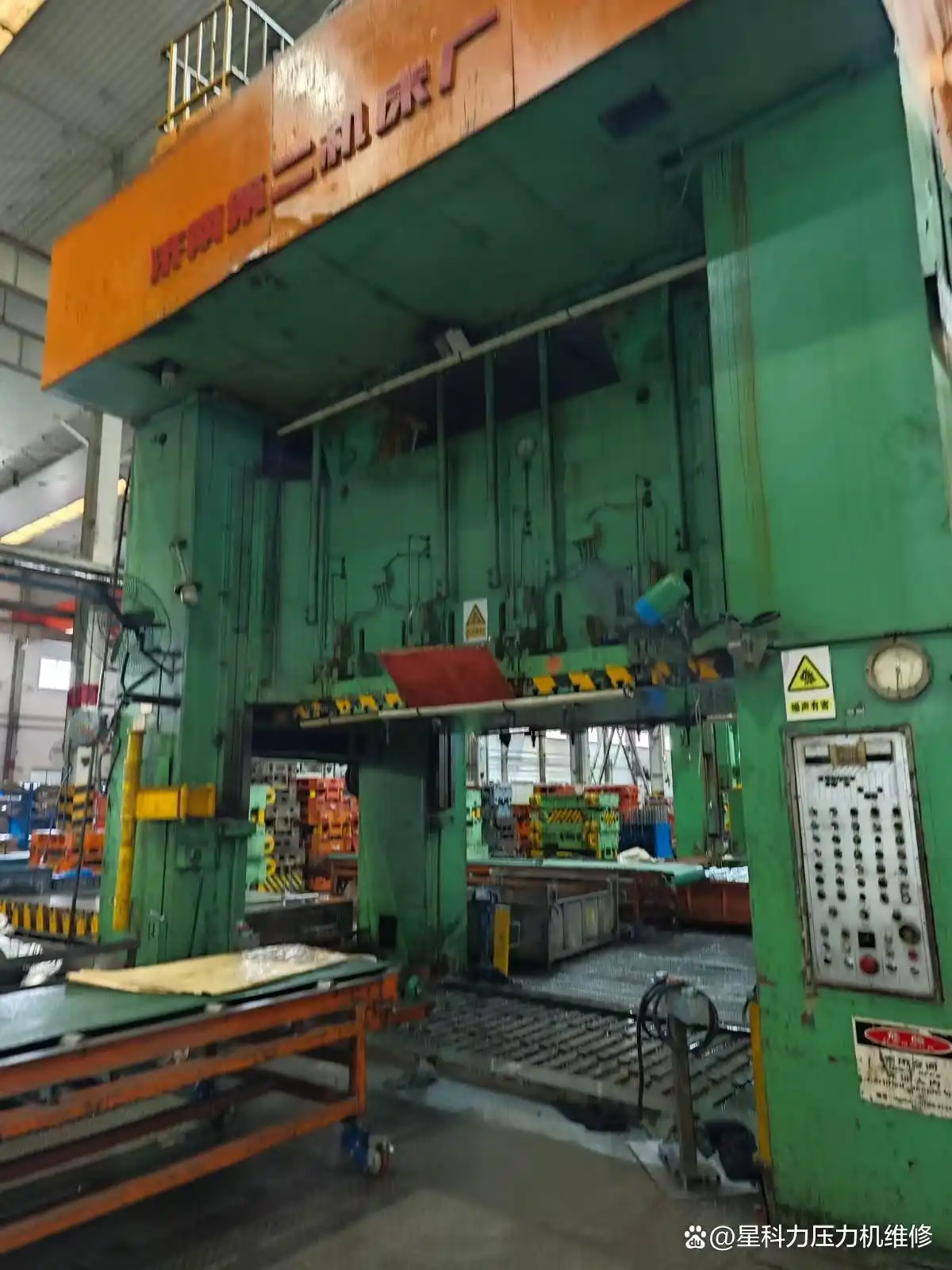
Issues such as abnormal wear and tear in the cortex, failure of the clutch brake, activation of the safety shield, abnormally dysfunctional, relate to the core stress structure of the equipment, disassembly by non-professionals is prone to assembly deviations and subsequent operation may cause equipment accidents。
There are also problems with equipment hydraulic systems, such as continuous oil seepage, frequent jumps from the contact point of the electrical control system, and the need for security personnel with corresponding experience to be tested at the site and not to replace spare parts at will to avoid minor problems being dragged into trouble。
3. Daily preservation habits that reduce the probability of failure
Regular daily maintenance habits reduce the frequency of sudden failure and extend the overall life cycle of the equipment。
For example, before each turn-off, check that the bolts of the various components are loose, clean metal scraps on the working floor of the equipment every day before work hours, recharge lubricating points with lubricant, and perform a weekly functional check of the equipment's safety devices。
It is important not to overload the equipment for long periods of time in order to meet the production schedule and to set pressure and itinerary according to the rated parameters of the equipment, which will protect both the equipment and the operational safety。
Indeed, the core logic associated with the maintenance of the lake pressure machine is not complex. The key is to distinguish the type of failure from the type of failure to be dealt with accordingly. Small issues are quickly sorted out and issues related to core structures and safety are handled by professionals, so that the cost of preserving equipment can be controlled while ensuring production efficiency. Units with long-term transportation needs can also pre-regulate the operating desk accounts of the equipment, record the cause of each failure and spare parts for replacement, and be more efficient in following up on similar issues, reducing the production time delayed pending clearance。