2024
Casebook of sports stadiums
Business moNthly report
Typical case of management of stadium operations
National fitness center, penn city

Basic information
As a fully-funded subsidiary of the penyi city sports center, the two main buildings (with a total area of 30,000 square metres) are operating in an innovative manner using the “state-owned platform + professional operation” light asset model. As the city-wide first state-owned specialized operating platform for sports, it pioneered a three-way system of “resource integration - brand output - service value added”. In 2024, the centre's achievements amounted to 1. 5969 million yuan, and seven provincial and above honours were awarded, with an average of more than 2 million people serving each year。
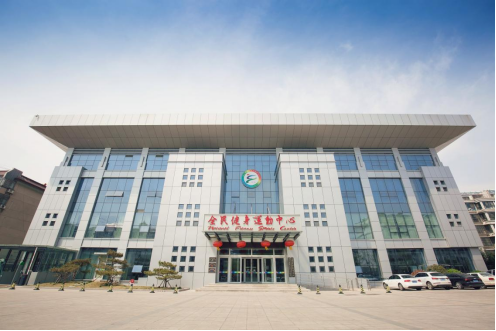
National fitness center, penn city
01
Functional positioning
The centre is a multi-purpose and integrated sports venue for sports events, national fitness services, physical training teaching, sports fairs, cultural performances and so forth, which meet the diverse needs of the population in sports culture。
02
Main approaches
Innovative business management mechanisms to improve management effectiveness
1. Build an intensive management structure to reduce management costs. A three-tier management system, “government regulation + group regulation + professional operations”, with three core sectors established to work together to achieve a closed-ring management model, drawing on the advantages of state-owned ownership. In 2024, management costs such as energy consumption decreased significantly by 18 per cent compared to the previous year。
2. Establish a standardized light assets operating system to achieve light quantification. The production of a white paper dedicated to the standardization of light asset operations, covering six broad categories of service processes, has resulted in the successful implementation of a light quantitative business model of “zero fixed asset input, outsourcing of full process services” and significantly enhanced operational efficiency。
3. Innovative, market-based mechanisms to optimize staffing. Introduction of a two-track personnel management system to build a “core team + professional outsourcing” personnel structure. While the core team is primarily responsible for core functions and is contractually managed on a term basis, the professional outsourced team has the flexibility to adjust the number of staff required to achieve optimal staffing levels in line with the dry season。
4. Enhancing human effectiveness and developing composite talent. A “one job multi-power” training programme has been launched, a diversified pay system has been established, and practical training bases have been established in cooperation with universities. Currently, 100 per cent of full-time staff are accredited and the capacity for integrated staff operations is significantly enhanced。
Deep tilling and training majors to promote sports
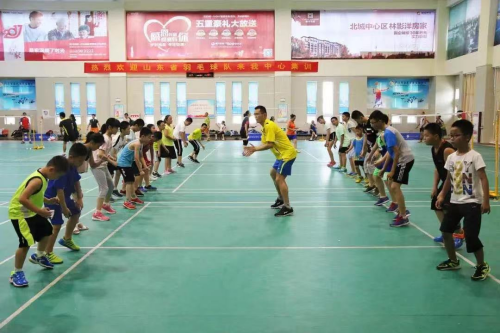
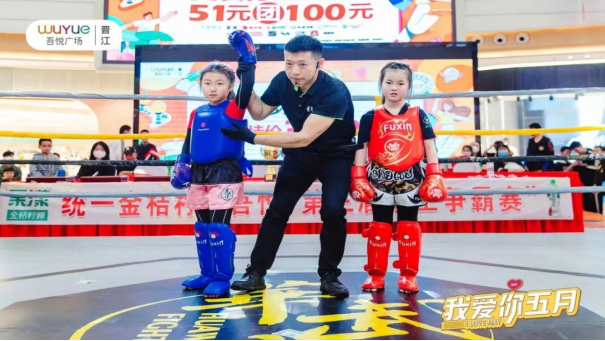
1. Conducting public-interest competitions to promote popular participation. The autonomous development of a geographically specific "nimon national gymnasium series " , which covers six major mass sports programmes, has successfully attracted over 100,000 participants, with an average of 120 events per year. At the same time, the government has been actively involved in the purchase of services, as well as in a variety of major events, which have been effective in raising public awareness of sports activities。
2. Promote branding of sports training and innovative curriculum models. The branding of “cities for sport” was carefully crafted, a rich and diverse curriculum was developed, and an innovative model of pricing was adopted for the “accountability plus public interest” course. In addition, the innovative establishment of the practical training base for veterans, with a course buy-back rate of over 70 per cent, provides ample evidence of the attractiveness and usefulness of the course。
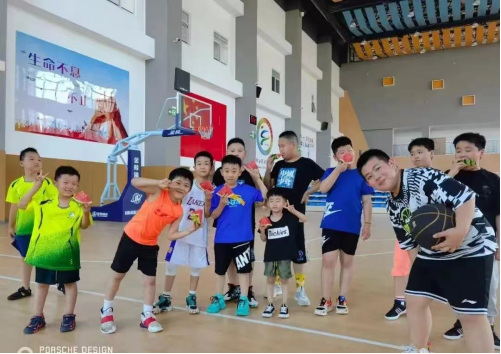
Promote the sharing of resources in the stadium and deepen the “sport + public good”. Actively pursuing the “time lease” model to effectively increase site utilization. At the same time, a wide range of public-interest activities have been carried out to provide exclusive services to high-level talent and to contribute to the implementation of local talent strategies。
4. Innovative teaching and integration practices to promote healthy growth of students. A series of public-interest courses has been developed in conjunction with the department of education and physical education, the sports improvement project. The joint sports bureau launched the “stick to school” initiative, which benefits a large number of students and effectively contributes to their physical well-being。
Strengthened security management and emergency response and secure security lines
1. Development of a closed-ring management model and improvement of the security system. Innovative development of the “four rings one” working model, 14 institutional approaches, a comprehensive system of accountability and rigorous vetting mechanisms to ensure that security issues are improved。
2. To promote the socialization of facilities and ensure the stable operation of equipment. The introduction of specialized property companies and the introduction of a “7 x 24-hour inspection + monthly security assessment” system ensure that equipment failure repair response times do not exceed one hour and provide solid equipment security for the proper operation of the premises。
3. Strengthening standardized control of race activities and ensuring their safety. The development of a matrix of risk assessments for race activities and the establishment of a “one-stop-shop” mechanism, in conjunction with various departments, to effectively guarantee the safety of competition activities and to date maintain zero records of security incidents。
DevelopmentSustainable developmentPlanning, clear direction for development
Upgrade intellectual sports platforms and reduce management costs. It is planned to upgrade the `enjoy' system and to devote all its efforts to the construction of the `pilmous sports cloud' platform, which will integrate multiple functions. By 2026, online service coverage is expected to rise to 90 per cent and management costs are reduced by 15 per cent, leading to intelligent and efficient operations。
2. Declining service networks to enhance brand value. Actively exploring the “centres + community satellite sites” model, which will effectively export management standards and resources. At the same time, it actively declares the relevant honours, elaborates ips, develops specialty studies and promotes brand values across the board。
3. Expansion of competition services to increase the number of competitions generating income. To strengthen cooperation with a wide range of parties in the organization of events and events in an effort to attract provincial and above events, achieve income-generating goals for the performance services and promote the economic development of sports events。
4. Expansion of physical education training to support physical education in schools. Further enrich the types of training programmes, increase the number of participants and increase the level of collection. Actively conducting physical education courses in schools, building competition ladders with schools to gain more honour for school sports development。
5. Expanding niche operations and areas of operation. Specialized hosting sessions have been organized to strengthen cooperation with external institutions, to export mature management models, to add outreach projects and to expand the operational boundaries。
6. The expansion of the sports industry and its expansion. Under the project “integration of physical health”, professional health services are provided to the public, testing services are carried out using state-of-the-art equipment, the sporting goods industry is actively explored and the sports industry is enriched。
7. To promote the health of the population. Free sports services are provided to high-level personnel, the facilities of the premises are open on an ongoing basis, various public fitness events are organized, and the public is actively involved in the exercise, including through the publication of short videos, to improve the general health of the public。
Enhancing risk-resistant capacity-building to guarantee stable operations
1. Optimizing income structures and developing robust models. A robust income model of “group subsidy (30 per cent) + games training and sales cards (55 per cent) + site rental (15 per cent)” has been developed through sound planning and operation, effectively reducing operational risks。
2. To protect against contractual risks and improve contract management. Working with a team of professional legal advisers to elaborate a standardized service contract template that covers 12 major risk areas and effectively controls contractual risk。
3. Responding to public crises and improving response capacity. The establishment of a system of surveillance and rapid response, which will efficiently handle citizens' hotline cases, achieve a 100 per cent rate of satisfaction with the rectification of the ring, and vigorously maintain the image and stability of the centre's operations。
03
Highlight effect
1. Innovative business management mechanisms to achieve efficient management upgrades. A three-tier management system, “government regulation + group direct management + professional operations”, is designed to achieve a significant reduction in management costs through co-ordination between core sectors. The preparation of a white paper will result in light asset operations, innovative staffing and talent development mechanisms, optimize staffing and significantly improve staff effectiveness and overall upgrading of operations management。
2. Deep tilling and training majors to promote diversity in sports. The national gymnasium series, which is built on its own initiative, actively takes over government projects, attracts large numbers of people and creates a good sports climate. The creation of a “city-to-sport” brand, innovative curriculum models, resource-sharing and physical integration, deepening the concept of “sport and public goods” and contributing to the multifaceted development of sport in all its dimensions。
3. Strengthen security management and emergency response, and secure and robust lines of defence. Innovations have been made to create a “one-on-one five-ring” working model and to introduce improved systems of accountability. The introduction of specialized property security equipment for steady operation, the development of risk assessment matrices and joint multisectoral efforts to ensure the safety of competition activities and the establishment of secure lines for the operation of premises。
4. Develop sustainable development plans and define future development paths. It is planned to upgrade the smart sports platform to integrate multiple functions, reduce management costs and significantly increase online service coverage. Explore the “centres + community satellite sites” model, expand core business such as show and training, enrich industry, enhance brand values and identify future sustainable development pathways。
5. Strengthen risk-resistant capacity-building to ensure smooth operations. Optimizing income structures creates robust models that effectively reduce operational risks. Working with legal advisers to create standardized contracts to protect against contractual risks. The establishment of a system of surveillance + rapid response, which efficiently handles citizen hotlines, provides a strong guarantee of smooth and orderly operation。
04
Replicable replicable experiences
1. Innovative operating management mechanisms. A three-tier management system based on national ownership, with core departments set up for closed management and reduced management costs. Development of a standardized white paper to achieve a light asset operating model with zero fixed asset input and full process service outsourcing. Under the two-track personnel management system, the core team is contractually managed on a term basis, and the professional outsourced team adjusts its workload in a flexible manner based on a dry season. (d) the introduction of a “one-size-fits-all” training programme, the establishment of a multi-purpose pay system, the establishment of practical training bases in cooperation with higher education institutions and the upgrading of personnel skills。
2. Deep tilling and training majors. (c) to promote the participation of the population in sports activities through the autonomous development of popular competitions, the active acceptance of government purchase of services. Training branding, using the “gs+p” model, and the establishment of a “basic training base for veterans”. The introduction of “time lease” to increase the use of the site and to carry out public-interest activities to provide exclusive services to high-level talent. (c) the implementation of a physical integration project in cooperation with the department of physical education and sports to promote healthy growth of students。
3. Enhanced security management and emergency response. Innovative security management models, a series of institutional approaches and accountability and appraisal mechanisms. The introduction of specialized property companies and the introduction of a rigorous inspection and evaluation system to ensure the stable operation of equipment. Development of risk assessment matrix and joint multisectoral activity-specific mechanisms to ensure safe and secure operations。
4. Sustainable development planning. Upgrade the smart sports platform to integrate multiple functions, reduce management costs and increase online service coverage. :: explore the “centre campus + community satellite point” model, actively declare honour, plan ip and develop research routes. :: competing with a wide range of partners to organize competitions, develop training programmes, conduct physical education courses in schools, and build competitive ladders. A number of venues have been set up to carry out specialty operations, strengthen cooperative export management models and explore new directions for the sports industry。
5. Strengthening capacity-building for risk prevention. Optimizing the income structure, creating a robust model combining group subsidies, competition training and sales cards, and rental of premises. Working with legal advisers to develop standardized service contract templates to protect against contractual risks. • establishment of a system of surveillance and rapid response, to efficiently handle citizens' hotline cases and maintain operational stability。
The magazine is available in electronic form for members to download free of charge。
Preparations are under way for the next issue of the chinese stadium, which will welcome a large number of contributions from its members to work together on industry research。
Communication for contribution: (010) 67187,500
Scan 2d for download of the conference

Note: the magazine is restricted to members of the chinese association of stadiums, and all commercial acts will be held legally accountable