Chimneys as important facilities in industrial production and civil buildingsStructural securityDirectly related to production safety and the surrounding environment. In recent years, with the ageing of our industrial facilitiesThe chimney is strengthenedThe need for maintenance is becoming more pronounced. This paper will focus on the need to strengthen the chimneys, common questionsMaintenance technologyThese are discussed in detail as well as future trends。
The chimneys are exposed to severe conditions for long periods of time and are subject to multiple tests, such as high temperatures, corrosion and wind loads. According to the survey data, about 30 per cent of the existing industrial chimneys in the country have different degrees of cracking, tilting or corrosion. If they are not addressed in a timely manner, they affect emission efficiency and may lead to collapses. In 2023, a power plant in hebei suffered significant economic losses as a result of the partial collapse of the chimneys. These cases fully illustrate the importance of regular testing and timely reinforcement。
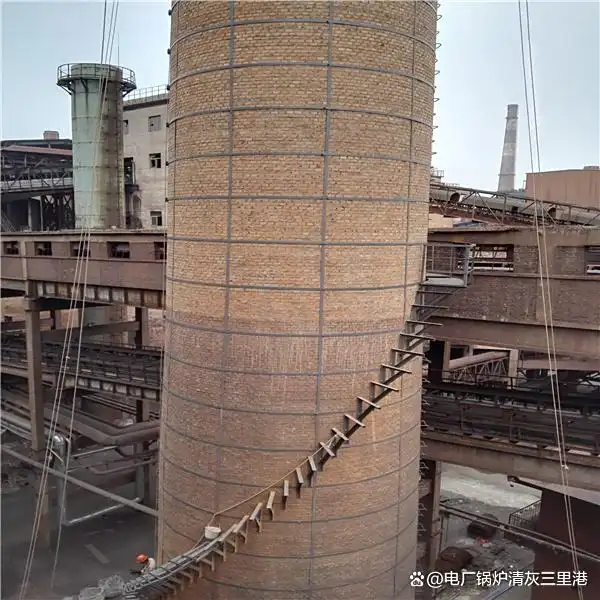
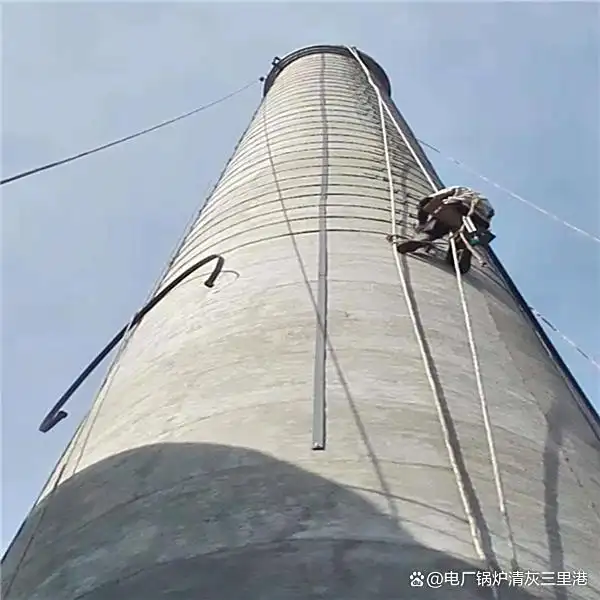
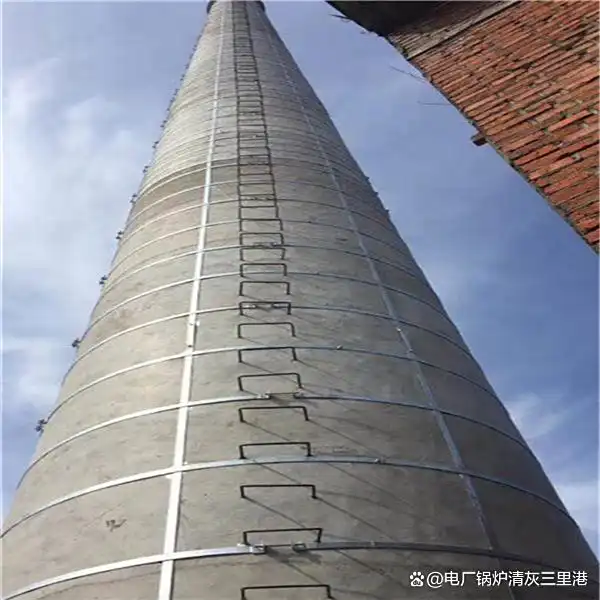
Common problems with chimney structure are concentrated in several areas. The first is the issue of the carbonation of concrete, which can lead to the erosion of the steel and swelling of the steel, which in turn triggers the stripping of the protective layer. The second is the temperature stress cracks, especially in areas with high temperature differentials, where thermal swelling and cooling effects result in a loop or vertical crack in the chimney. Moreover, the underlying deposition problem, which can result in an imbalance of chimneys, could seriously jeopardize overall stability. Finally, the decay of the preservative layer, in particular the treatment of sulfur-containing chimneys, may be occurring at a much faster rate than expected. These problems need to be accurately diagnosed through specialized tests such as ultrasound detection, tilt observations, etc。
In terms of technology enhancement, the following mature programmes are currently used in the industry. Carbon fibre consolidation is a more advanced technology that improves the tensile performance of cartridges by adhesing high-intensity carbon fibre sheets, with the advantage of construction speed and not increasing the weight of the original structure. The application of this method to a 180-metre high chimney in a cement plant has resulted in an increase in carrying capacity of over 40 per cent. Outsourcing steel reinforcement applies in the case of severe breakage, with load sharing through the placement of steel cylinders on the perimeter of the chimney. Stabilization of steel wire cement is a traditional method of economic practicality that is particularly suitable for surface cracks and local break-ups. For foundational issues, a broadening of the base or a shift in the base is common. It is worth mentioning that the intelligent monitoring system that has emerged in recent years has achieved structurally healthy real-time monitoring through the installation of sensors in key parts of the chimney。
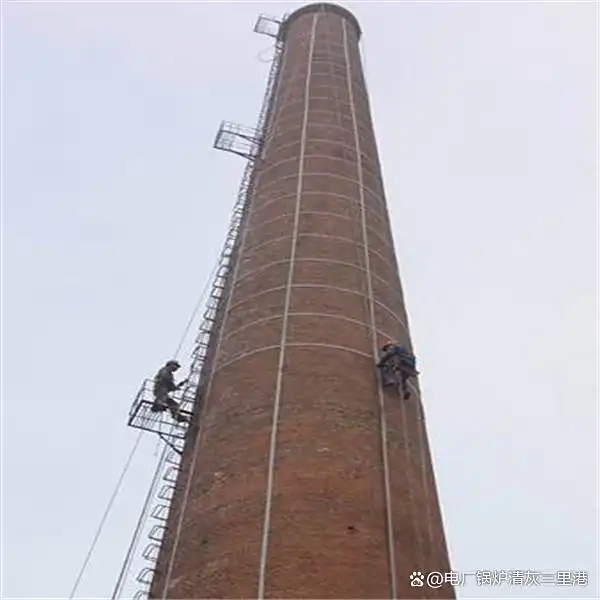
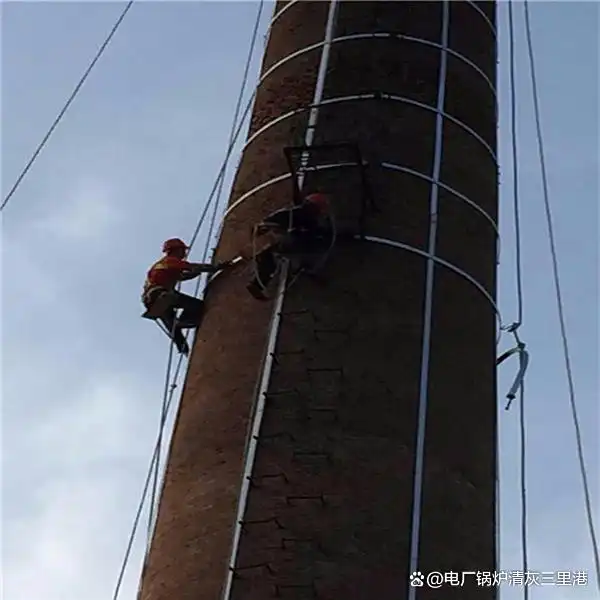
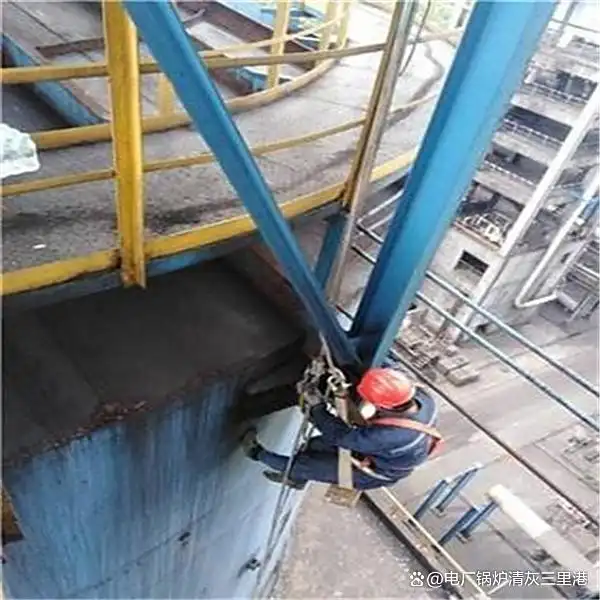
Maintenance and construction require special attention to several key elements. Safety protection must be at the forefront, and high-altitude operations must have well-equipped safety nets and crash prevention systems. One project case showed that the use of drone-assisted testing could reduce the high-altitude operational risk by 60 per cent. Material selection is also essential, and high-temperature adhesives, anti-corrosive coatings, etc. Are consistent with flue gas composition characteristics. The construction season has also been intensive and the northern region needs to avoid severe cold seasons in order not to affect the solidification of materials. With regard to quality control, a phased acceptance system, particularly for hidden works, must be strictly enforced。
Preservative treatment is the main focus of chimney maintenance. For different flue-gas characteristics, the preservation programmes vary widely. For normal flue gases, acid-resistant bricks may be used to line up with potassium water glass sludge. For the treatment of low-temperature flue gases following devulcanization in a wet manner, advanced materials such as glass steel or titanium steel composite plates are required. The practice of a chemical plant has shown that the introduction of new nanopreservative coatings can extend the maintenance cycle to more than eight years. Preserve construction should pay particular attention to the strengthening of weaknesses such as suture treatment and cyanide angles。
In terms of maintenance cost control, short-term inputs and long-term benefits need to be considered together. While preventive maintenance requires regular investment, it saves more than 60 per cent compared to major repairs after an accident. Comparative data from one of the thermal power plants show that the chimneys under which a five-year regular maintenance programme is implemented have a total maintenance cost of 45 per cent lower than the pattern of "bad before repair" over a 20-year life cycle. A maintenance programme simulation using bim technology can also effectively optimize resource allocation and reduce unnecessary expenditure。
With technological advances, the chimney maintenance industry is opening up new opportunities for development. The application of robotic detection techniques has made high-altitude operations more safe and efficient, and over 95 per cent of surface automatic detection has been achieved by a particular type of climbing robot. New materials, such as graphite-enhanced composites, have been piloted and are more than three times more resistant to corrosion than traditional materials. The roll-out of digital management systems has made it possible to manage chimneys throughout their life cycle. In the future, as the "two carbon" strategy moves forward, chimney maintenance will be further integrated with the adaptation of abatement technologies。
At the policy level, the implementation of the new version of the industrial chimney reliability standards places greater demands on the safety management of chimneys. Enterprises need to have complete chimney health files, including design information, successive test reports, maintenance records, etc. The role of third-party testing agencies has also become increasingly prominent, and their reports will form an important basis for security assessments。
The maintenance of chimneys is a system engineering exercise that needs to be complemented by a wide range of specialized forces, such as design, construction and testing. In carrying out their work, enterprises must select teams with professional qualifications and adopt proven technology programmes. At the same time, the concept of prevention must be adopted, and the risks must be eliminated through regular testing. This is the only way to ensure the safe and stable operation of chimneys in the long term and provide reliable guarantees for industrial production. As technology progresses and levels of management rise, our chimney maintenance is bound to move in a more intelligent and efficient direction。