For years as oneManagement consultingCounselor, after this course, i found that what is more important than the course itself is not the amount of knowledge that is given, but whether it really drives the business, starts thinking about its management and finds solutions。
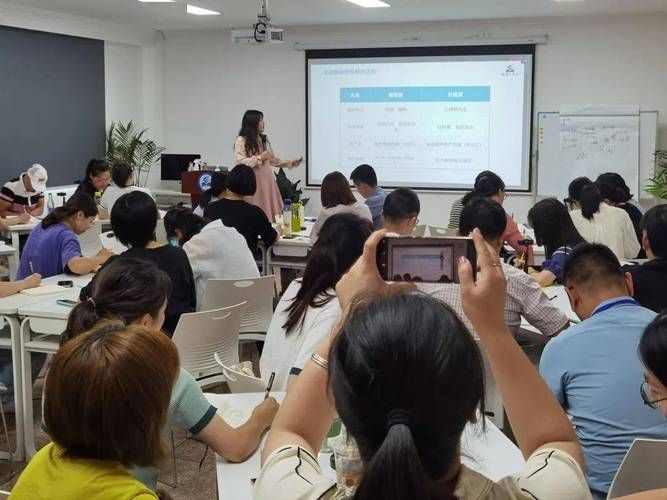
Last friday, saturday, 10-11 july, we successfully concluded the break from the second edition of our “observant operation” guangzhou station。
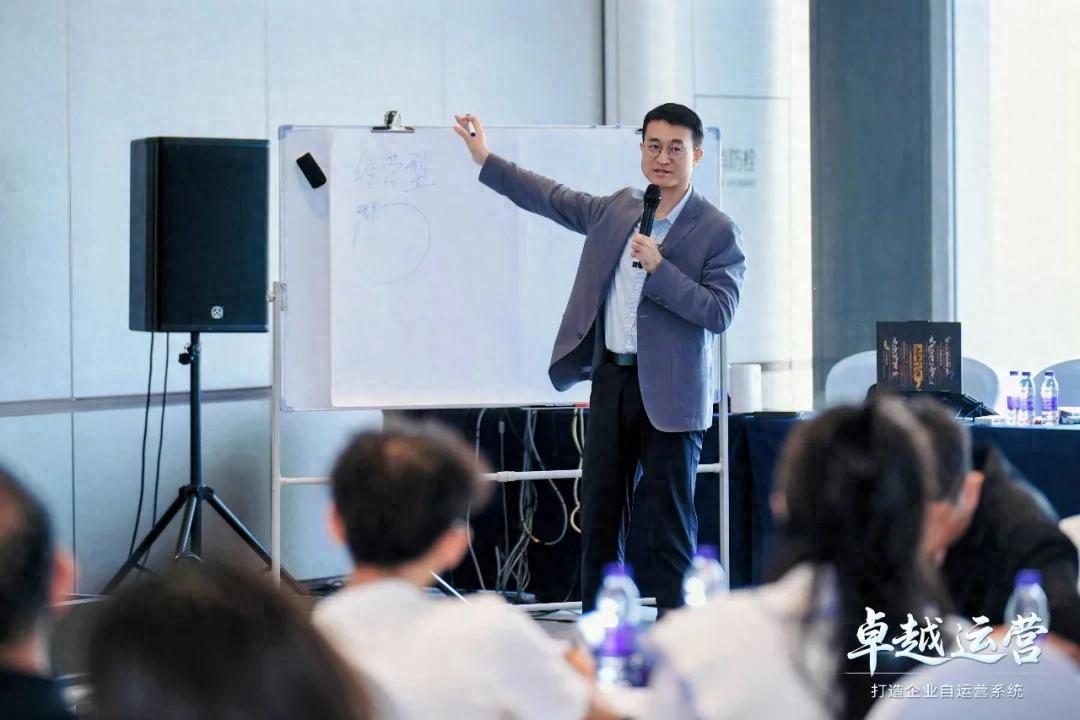
The greatest feeling of this time, compared to the first, is not that the curriculum is more proficient, but rather that changes take place in the classroom, which is greater than i had anticipated。
In the first, we limited 30 seats; in this period, the number of participants increased to 42, 40 per cent more than in the previous period. The number has increased and there has been a marked increase in interaction。
There are many issues, ranging from classroom discussions to classroom sessions; many exchanges, from two days of courses to the end of private correspondence; and two enterprises, until the end of the last phase, have kept me up to discuss practical issues in the enterprise。
As a consultant who has been in management consulting for many years, after this course i found that what matters more than the course itself is never much knowledge, but whether it really drives the business, starts thinking about its management and finds solutions。

Visible change, not numbers, but industries
There was also a very marked change in this period compared to the first, namely, the trade in which the trainees were working。
The first issue came more from manufacturing, but also from retail and cross-border industries. In the second phase, in addition to the manufacturing and software industries, the fast-forwards industry is much more important, and their main business is in new media platforms, such as tremors and little red books。
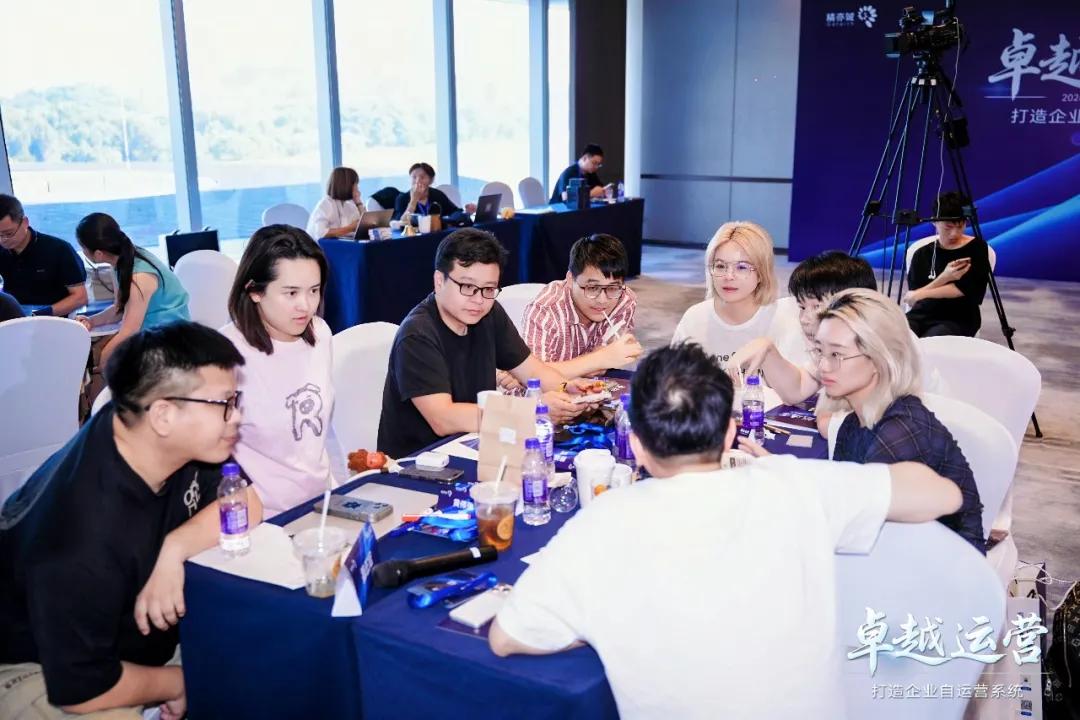
These enterprises share a common feature — very fast growth. Some enterprises grew by 60 per cent or 70 per cent a year, while others continued to grow at a high rate for several consecutive years. At a time when many traditional industries are discussing "inner rolls", they still maintain strong momentum。
But it is also because they grow too fast that they begin to experience another problem: the organization cannot keep up with business, the cadres cannot keep up with the organization and the talent cannot keep up with development。
In the past dozens of people, the boss could have solved the problem in a single word; hundreds and thousands more and more have been unable to scream。
They used to be concerned about how to do business, but now they're thinking about what mechanisms to do when they do business. With what organization
Therefore, the problems in this classroom are broader and more detailed: from strategy to operation; from career to organization; from institutions to cadres; from online operation to management; and even from business culture, talent development, and managementOrganizational capacityConstruction is the subject of discussion。
It appears that the problem is becoming more and more diffuse, and behind it is the same problem — from high-speed business to efficient operation; from seizing external opportunities to building internal mechanisms。

It's the same management problem in different industries
In two days, i had a special feeling: different industries, different products, different business models. However, management issues are becoming increasingly similar。
Manufacturing enterprises encounter problems of sectoral synergy, fast-tracking enterprises encounter problems of organizational failure to keep pace with growth, software enterprises encounter problems of staff development and cross-border enterprises encounter problems of targeted management。
A lot of businesses start out thinking, "we're a little special," but talking about it shows that really special is business, not management。
Because when all businesses are of a certain size, there are a few things that they can't do: how does a strategy land? How does the organization support it? How does the mechanism be built? How did the cadre grow? How does the operation form a closed ring
These problems will not disappear as industries differ, but will only become more prominent as enterprises grow faster。
And that's why i've always thought that much of america's management experience is worth learning, not because it's a manufacturing enterprise, but because it solves itCorporate growthThe most common problem in the process。
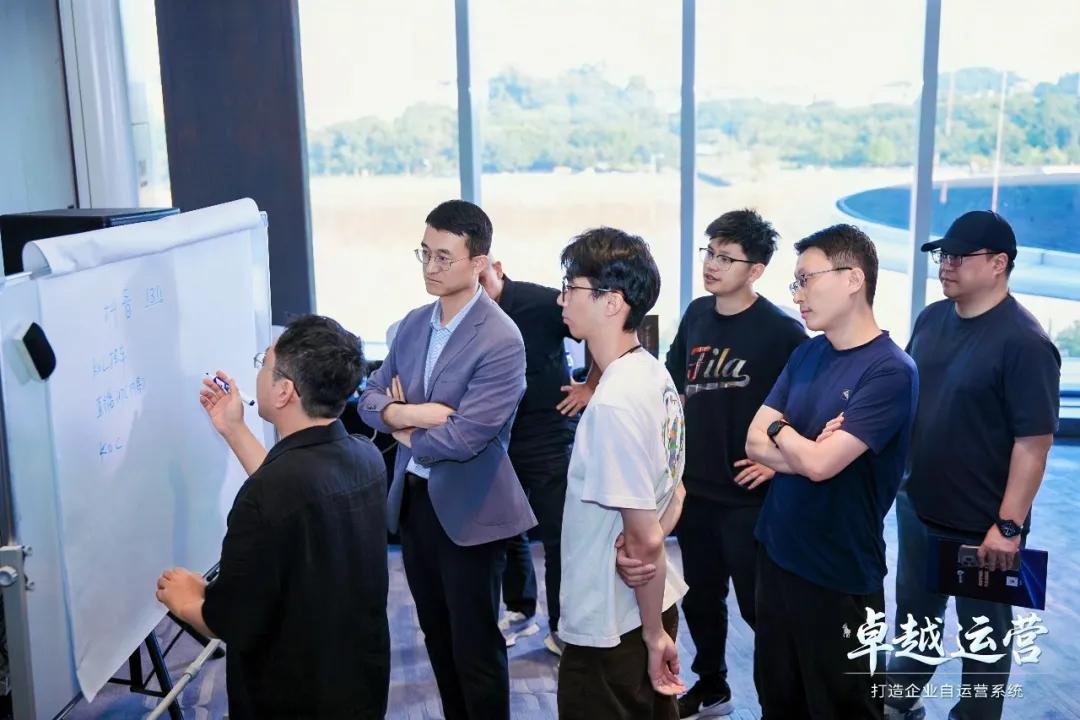
It is not a question of manufacturing, but of growth。
It is not a matter of industry, but of regulation。

A truly valuable course
Not to increase knowledge, but to see things ahead
After this course, a number of participants sent me feedback。
One of the bosses said, “the greatest gain in these two days is not the knowledge of many ways, but rather the early sight of the problems that businesses may encounter in the coming years”
I agree with that in particular。
Why are companies always fighting fires
It was not because it was unmanageable, but because problems had already occurred, that remedial work had begun。
It's a mess. It's a mess. It's not working. We're losing cadres. The mechanisms have been readjusted after losing their vitality。
Actually, it's very important to do it in the front. As company number one, it must also be one step, one step, one step more than others, and sometimes not enough。
The most important value of corporate governance is not only to solve problems that have occurred, but also to avoid problems ahead of time, that is to say, what we usually call “lower pits”。
In many cases, the biggest cost was not wrong, but late。
So i've spent a lot of time in class, not talking about how beautiful is now, but about how to make a mirror with a beautiful management logic to see what you're going to find in advance。
It is hoped that you will see not just today, but the next three to five years of institutional and organizational evolution。
Because management is essentially a future-oriented job。

Why did the discussion go beyond the course
As mentioned earlier, much of the discussion has gone beyond the course itself。
Classrooms are run, people talk about organization. Speaking of organizations, we talked about mechanisms. The mechanism extends to culture. Cultural and back to the cadre. Finally, all management actions are interrelated。
And that's what i've always emphasized: business management is never a module, a really good business, not a tool, but a complete operating system。
The strategy determines the direction, organizational continuity strategy, institutionally driven organization, cadre-led team, and operational connectivity。
All actions are closed, so that businesses can truly operate。
So there are a lot of questions in the classroom, and i'm going to answer them one by one, and i'm going to help you see the relationship between the whole system。

It is important to address a problem, and it is more important to understand why it arises。

It's the best thing i've ever done
A lot of people ask me if i'm tired for two days in a row
Of course。
But every time i finish, i find it particularly worthwhile。
Because every course, i'm dealing with, could be a new industry, a new enterprise, a new scene。
As a consultant, my greatest advantage is not to know a standard answer, but to have seen enough different business paths and pits on enough different business management。
The questions that have been raised by different firms have also been constantly prompting me to rethink why the same question is so different in different enterprises. Why is the same management tool, some effective and others ineffective? Why does the faster the growth of some enterprises, the more stable the growth of others
These new thinking will enrich the curriculum and improve my understanding of corporate governance。
So, each course is actually a long one。
The participants came with questions, took the programme, and i took a fresh thought and embarked on the next journey。
We're all growing up。

If i were to sum up the break from the second issue of “observation of excellence”, i felt that the biggest change was not the increase in numbers, the spread of the industry, or the discussion。
Rather, i can better help more companies to see whether real decisions about an enterprise’s future can sustain business, not just as a product, not just as a market, not as a growth rate, but as a bottom line of management logic, operating systems, business mechanisms, organizational capacity。
Many of today's corporate growth is based on opportunities and real growth in the future must depend on strategy and organization。
The course on “observation of excellence” was never intended to be just a few tools, sets of templates, cases, but rather a long-established business logic, an operating system in which an enterprise could operate on a sustainable basis, and a management thinking in the face of enterprise growth。
Come with problems, come with ideas。
This, probably, is the most important part of offline classes。
Thanks to the input, reflection and collision of the 42 participants from eight companies, it is expected that every thought, every touch, every discussion and every inspiration in the classroom will be brought back to the business and become part of the organizational growth。
Class ii is over, but true excellence has only just begun。
I'll see you next time。