


Click on blue to focus on dynamics and peace


Disaster prevention and mitigationDisaster relief response --EarthquakeTitle
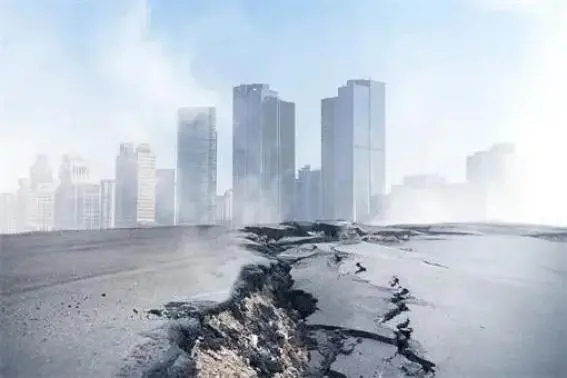
Earthquakes, which are the result of a sudden break-up within the earth, cause ground vibrations within a given range. Earthquake activity has a certain periodicity in time. This is reflected in the frequency and intensity of seismic activity, known as seismic activity, over a period of time, while the relative frequency and intensity of seismic activity, known as seismic calm, is relatively low. The geographical distribution of earthquakes is controlled by certain geological conditions and has a regularity。
01
How did you hide inside when the earthquake happened
1. Hide immediately to the roots of the wall, to the corner of the wall or to the doorway inside the window。
2. The body should be attached to the wall's roots, the corner of the wall and the head as close as possible to the wall。
3. Some bedding and pillows may be taken from hand, covering their heads。
02
What if you're crushed by something?
1. Identify the object under pressure and do not move it or the body easily。
2. Check for injuries and, if there are no injuries, drag the body out slowly, depending on the circumstances。
3 if serious trauma has been sustained, every effort should be made to wrap the wound with clothing, etc。
4. If a fracture occurs, do not move easily and wait for rescue。
03
How can life be sustained in ruins?
1. Build a firm belief in survival。
2. Do not cry, but keep your strength。
Try to rest and keep your eyes closed。
4. Search for food and water to sustain life: in case of injury, try to bandage and rest。
04
How can people in public spaces protect themselves?
1. Follow the direction of the staff and operate in an orderly manner。
2. In case of crowds, hands should be crossed to the chest to protect themselves。
3. Take pressure from their shoulders and back。
4. When crowds cannot escape, do not run in the opposite direction, and follow the crowd forward and be careful not to fall。
05
How to prevent the suffocation of those buried?
1. Relief should be carried out as soon as possible by opening up the closed space in which the buried person lives and allowing air to flow。
2. The buried person shall first be exposed to the head and the dust shall be removed from his mouth and his nose so that he may breathe。
3. When the dust is too large, water shall be released so as not to asphyxiate the person under pressure。
Disaster prevention, mitigation and response --HailTitle
Hail, a solid precipitation. Cyclops or cone-shaped ice, consisting of a mix of transparent and non-transparent layers, are most common in summer or spring and summer. Hails often destroy crops and threaten the safety of people and animals, a serious natural disaster。

Emergency response
1. Close the doors and windows and place properly outdoor items vulnerable to hail。
2. Do not go out at will to ensure that elderly children remain at home。
3. Suspended outdoor activities, such as outside, not under the roof of high buildings and avoiding hail from chimneys, utility poles or trees。
4. The protection against hail should be accompanied by preparation for lightning。
Disaster prevention, mitigation and response --Heavy rainsTitle
Heavy rains, especially large-scale heavy rains or particularly heavy rains, often cause flooding in cities in very short periods of time, causing loss of life and property of the population and having a significant impact on transport。

Emergency response
1. Prevention of internal flooding in residential housing, where appropriate, may be used to place water boards or earthcans in front of the home。
2. When outdoor water spills into the room, the power supply shall be cut immediately in order to prevent electrical damage to the water catchment。
3. When walking in outdoor water, be careful to observe, walk close to the building and prevent falling into pits, sand wells, etc。
4. Drive through the deep water zone and make every effort to bypass。
Disaster prevention, mitigation and responsePower safeTitle
I'm sorry
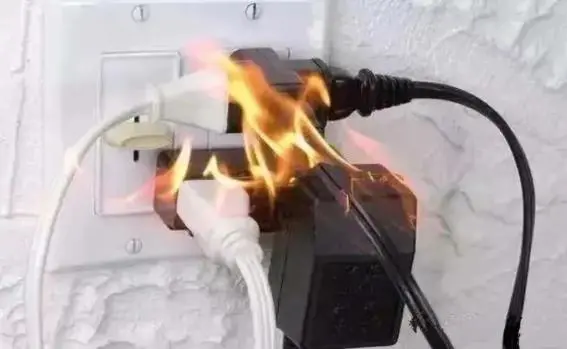
1. Intake power lines avoid overloading, and old and old power lines should be replaced in a timely manner to avoid accidents。
It is strictly forbidden to connect to a public line。
3. Line links shall ensure good access and reliable connectivity。
4. In case of a domestic electrical fire, the power supply shall be cut before the fire is extinguished。
Domestic appliances must be wired correctly。
6. Household electricity should be fitted with qualified debugging leak protections with voltage protection to ensure the safety of the use of household appliances。
7. The use of electrical appliances is not touched by wet hands, the use of wet cloths cannot be wiped, and the power supply must be shut down。
8. When damage to household appliances is found, professionals should be required to repair them and not remove them themselves in order to prevent electric shocks from occurring。
9. People are found to be electrocuted, unable to have direct contact with the electrocutor, and the power lines are to be removed from the power source using wooden rods or other insulation。
10. Power plugs, which should be placed in places where young children cannot be reached, are often taught to older people and children at home about safe use of electricity at home, enhancing their ability to protect themselves。
Source/security knowledge encyclopedia









