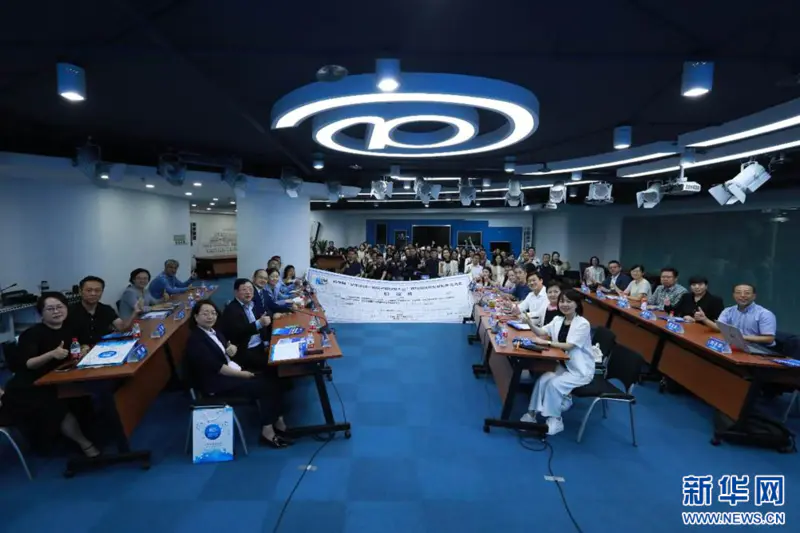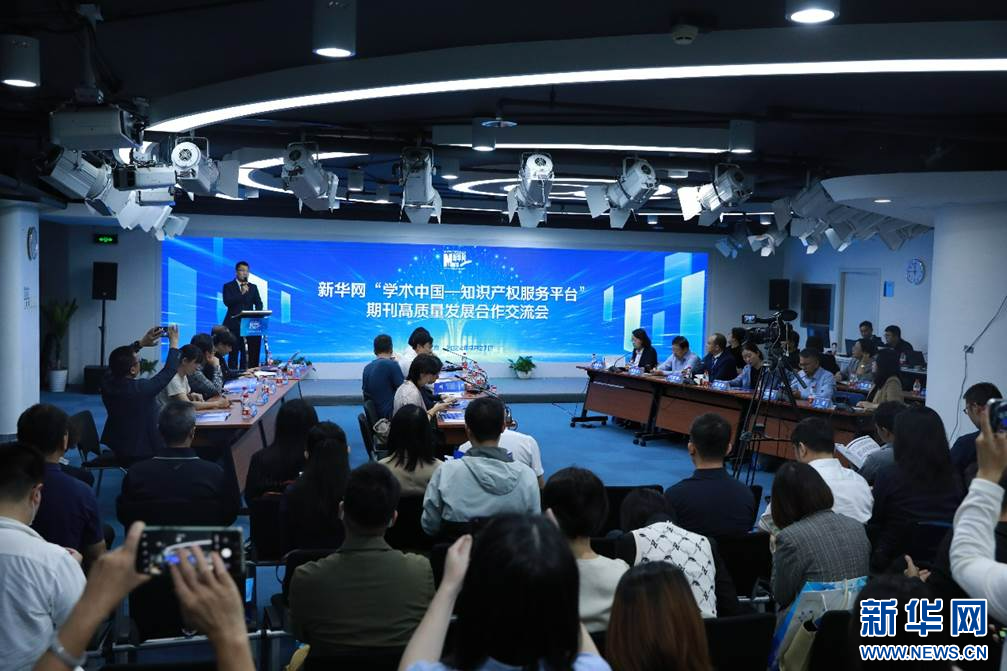
Xinhua network “academic china -Intellectual property servicesPlatform journalQuality developmentThe meeting was held in beijing. Xinhua net, chen yonte
On the morning of september 27, 28th, xinhua network beijing, an exchange of high-quality development cooperation was held in beijing. The session focused on the theme “quality development and innovation in periodicals in the context of new quality productivity”, focusing on clustering, internationalization, industrial synergy development, decentrization and artificial intelligence. A joint exploration of future innovation directions for clustering and reform of journals. The exchange was attended by nearly 100 participants from various professional journals, publishers and academics。
It is understood that the xinhua network “academic china-intellectual property services platform” (hereinafter referred to as “academic china”) aims to create specialized, high-profile and authoritative platforms for communication through occasional thematic activities in the relevant fields of expertise, and to promote open thinking, complementarity and broad cooperation in publishing, periodicals, scientific research and higher education. The first seminar on related journals, held in july, was widely recognized and participated in the industry. To date, the platform has continued to work with over 2,000 publishers and periodicals to obtain the mandate to operate copyright services and to provide partners with the xinhua ai service programme for academic scrutiny, aig testing, documentation interpretation, etc。
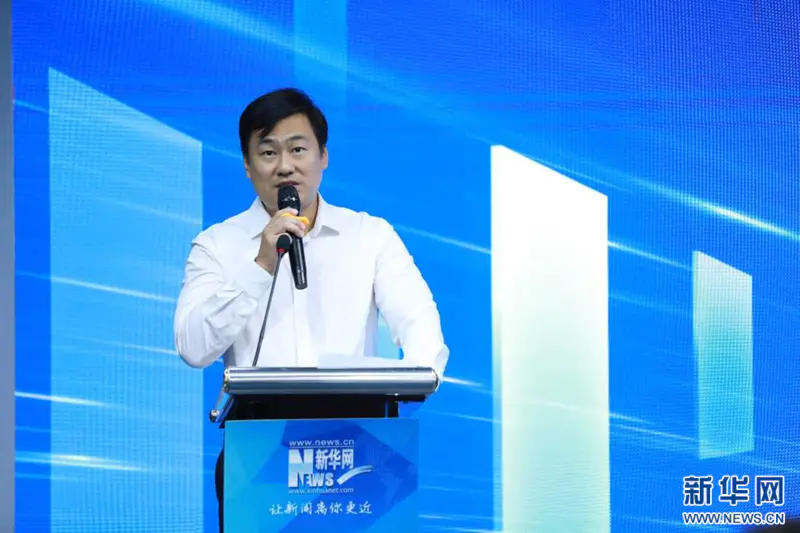
Zhao xinwoo, center for digital economics, xinhua network, delivered a message. Xinhua net, chen yonte
Xinhua network center for digital economics zhao xinwoo mentioned that since its eighteenth anniversary, the party centre has placed intellectual property protection more prominently and has introduced a series of policy deployments. The central committee of the communist party and the state council, in their publication of the programme for the construction of a power of intellectual property (2021-2035), set out the requirements for sound copyright, intellectual property protection and services, enhanced protection of original creations and patents throughout the chain, enhanced registration and certification of original creations, and support for asset assessment of intellectual property rights. The establishment of standards and norms for the periodical industry and the promotion of world-class scientific and technological journals provide a strong underpinning for the strategy of building a strong science and technology nation。
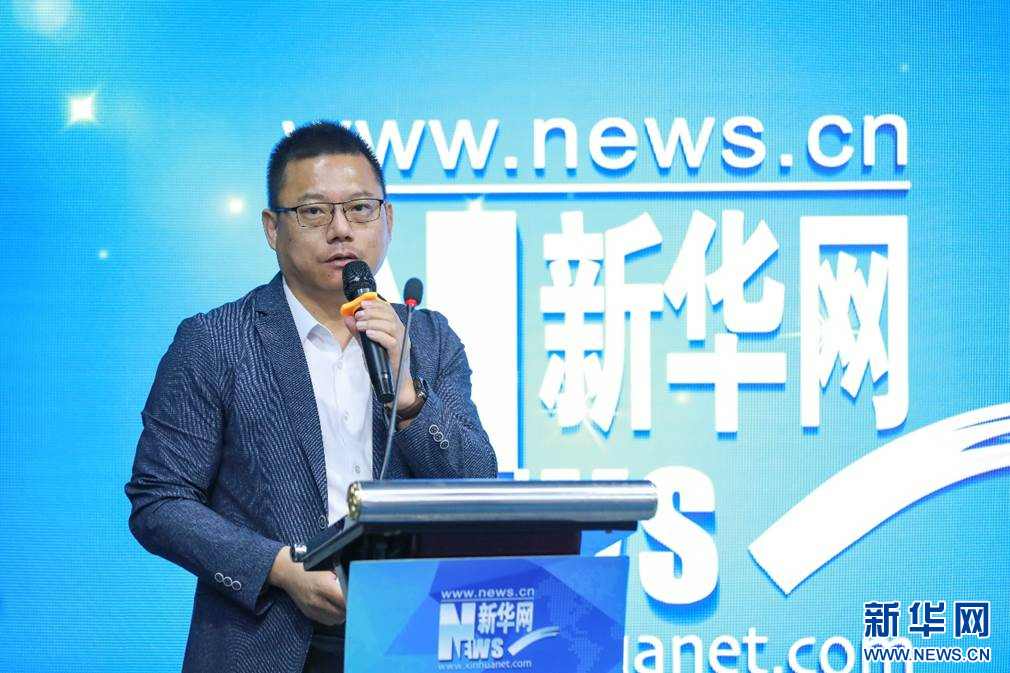
The head of the xinhua network academic china business centre, zhou ying, introduced the academic china. Xinhua net, chen yonte
“increased quality of content, market competitionDigital transformation, groupization and professionalization ... Has become a common development issue for the periodical industry.” zhou ying, head of xinhua network academic china business centre, added a presentation. He indicated that, according to previous exchange guests, the low degree of integration of new technologies, the weak capacity for content creation, the low level of outreach and the limited scope of scientific work had also become common issues that constrained the quality development of journals。
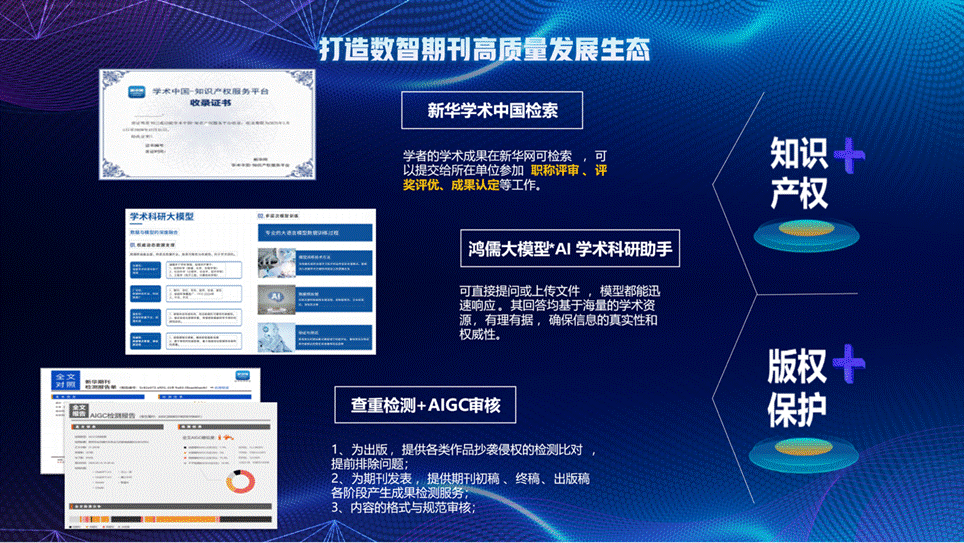
In response, xinhua network's “academic china” “academies and scientific assistants of xinhua's ai” (the original assistant) will become “intellectual assistants” and “second brain” for academic creators and researchers, helping with multi-academic scientific scenes such as literature interpretation, documentation management, literature review, aig detection and generation. At the same time, academic china provides users with one-stop, efficient service experiences such as patent assessments, copyright operations, original distribution, and multi-dimensional, full-chain development systems for platform-enabled periodicals。
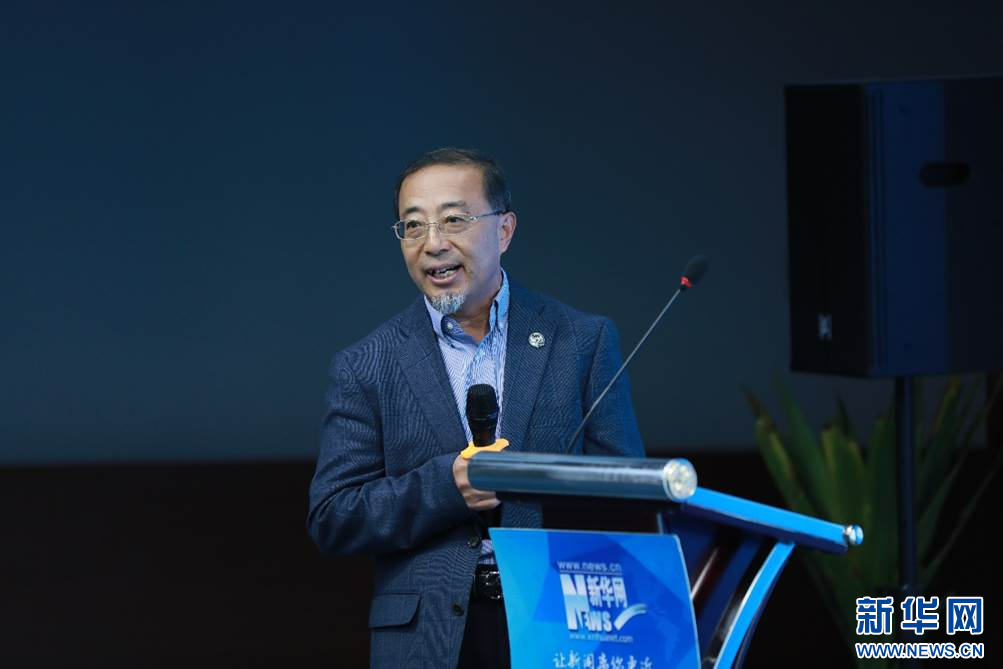
The vice-chief editor of the chinese agricultural university journal and director of the editorial board of the chinese agricultural journal network shared the results of its collaboration with xinhua network, academic china. Xinhua net, chen yonte
At the meeting, yuan liang, deputy editor-in-chief of the chinese agricultural university journal and member of the editorial board of the chinese agricultural journal network, stated that, in response to the national rural renewal strategy, which promotes the efficient dissemination and transformation of agricultural science and technology results, china's agricultural periodicals network, in partnership with xinhua's “academic china”, would make full use of their respective strengths, accelerate the transformation and application of scientific and technological results and provide intellectual support for rural revitalization strategies. Agricultural development with scientific and technological empowerment to explore new models of “internet + agriculture”, to share and exploit data from agricultural research, and to achieve a virtuous agro-academic ecological development。
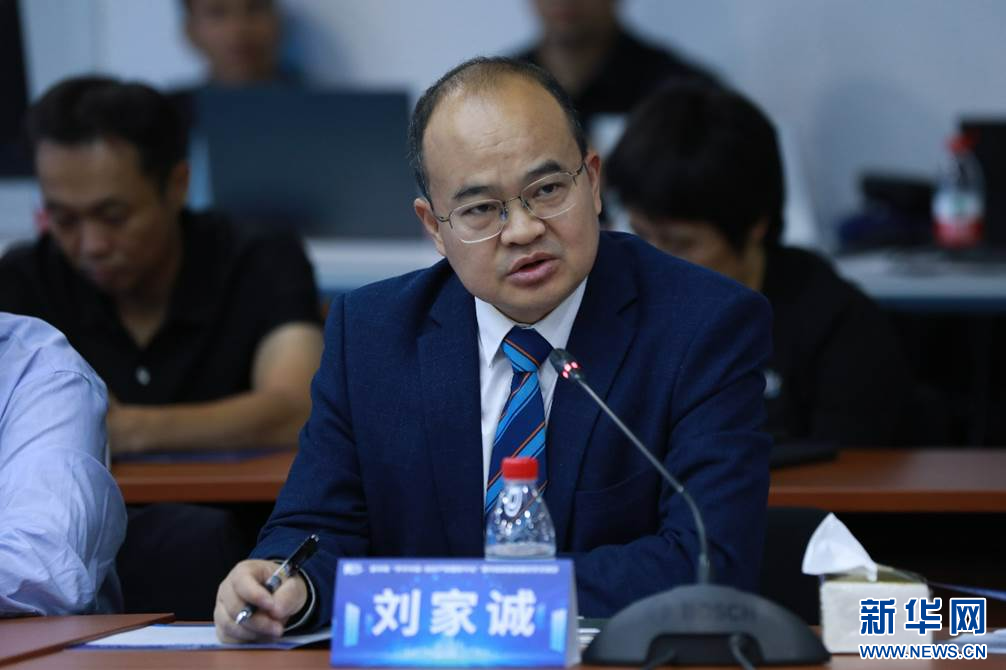
An interactive presentation was made by liu jia-sheng, president of the henan province journal association. Xinhua net, chen yonte
With regard to the development of clustering of periodicals, liu jia-cheng, president of the henan province association of journals, stated that the country's periodical industry was currently facing problems of integration, insufficient content and low internationalization, and that it should actively establish a clustering platform for periodicals and share resources. At the same time, the construction of the hainan free trade port offers an opportunity to develop a system of talent development for the clustering of periodicals and the development of nationalized human resources through the use of classification and structured management initiatives tailored to local conditions。
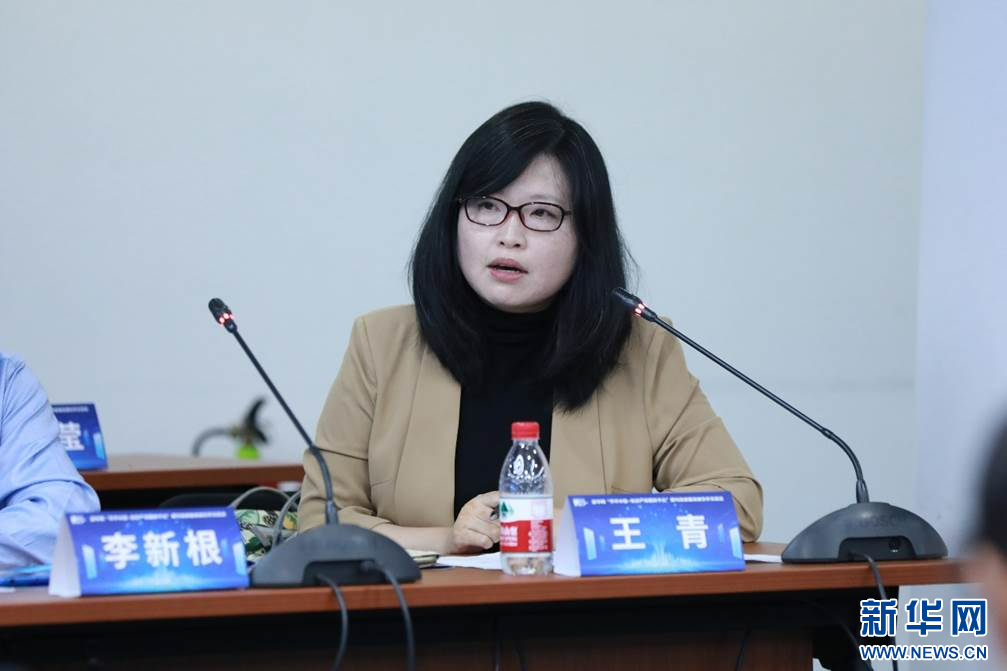
An exchange address by wang qing, deputy director, centre for journals, tianjin university. Xinhua net, chen yonte
Wang qing, deputy director of the centre for journals at tianjin university, stated that the periodical industry should vigorously promote digital technology and intellectual means, integrate with the journal cluster, strengthen branding and promotion, and continuously improve the academic and social impact of the journal cluster. At the same time, it focuses on the international front-line academic needs, expanding the pool of intelligent manufacturing and construction-types and building the industry's front-line periodicals。
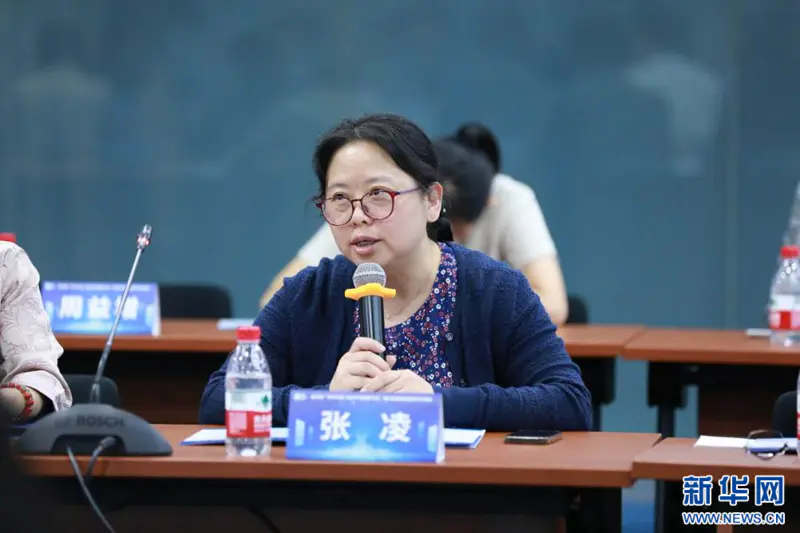
Zhang ling, managing director and editor-in-chief, chinese university press ltd. Xinhua net, chen yonte
At the same time, on the subject of the high-quality development of periodicals and the path of synergetic development of the platform industry, zhang ling, managing director and editor-in-chief of china's university press, inc., believes that the clustering of periodicals has become the prevailing trend and direction, using platform-building as a tool to take full advantage of the leading role of high-quality periodicals, helping to transform advanced scientific research and intellectual property products into new qualitative productivity and promoting their high-quality development。
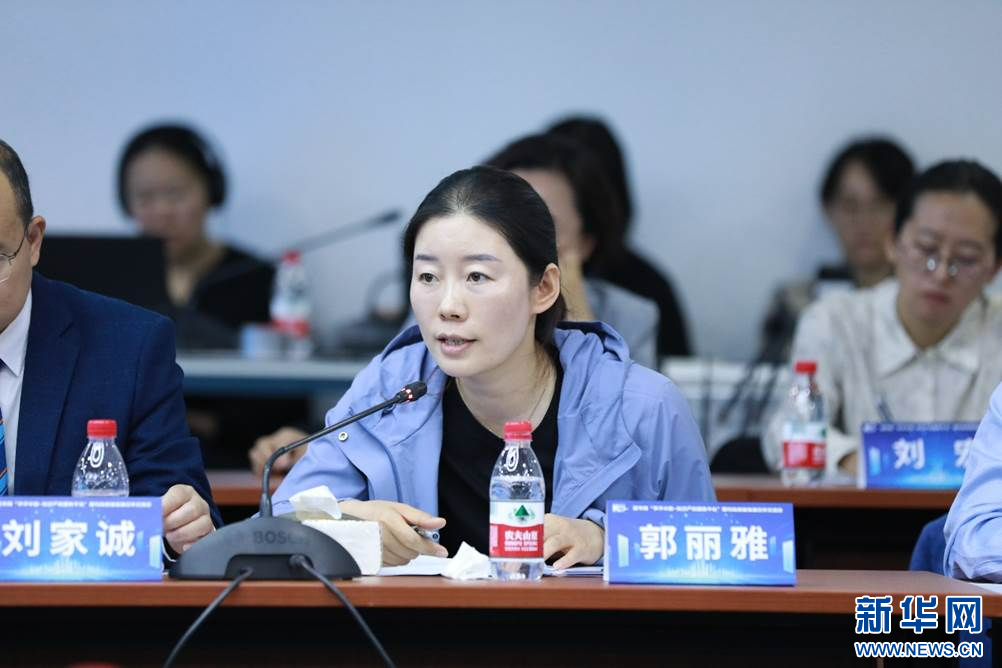
Guo lia, deputy director of the office of the china institute of mechanical sciences, stated that the chinese institute of mechanical sciences was continuously exploring new avenues for innovative publications and was building a clustering of periodicals through cross-issues and integration of periodicals, and that it had now achieved the sharing of papers, conferences, experts and books through the integration of publishing functions, while also constantly exploring cross-platforms and cross-border cooperation to enhance the dissemination and impact of periodicals。
Zhang jian, director of the editorial department of the journal of the university of studies and research of the air force engineering, believed that the development of periodicals should be carried out with a clear vision, clear objectives and location, and objective and reasonable treatment of evaluation indicators. Cooperation with the platform and industry throughout the life cycle should be actively sought, with the use of advanced technological means to improve the efficiency, dissemination and quality of its services。
In the context of the digital age, how can periodical unions go to centre on innovation and innovation? According to pan lipin, deputy editor-in-chief, shanxi education, inc., the current de-centre reform of the periodical industry is a necessity. The journal union helps to break resource constraints, achieve complementarities and enhance the overall impact of the industry, while de-centre reform helps to break down information barriers and improve operational efficiency. She suggested that the integration of traditional paper media with new media should be encouraged through a range of pathways, such as the construction of an intelligent service platform, enhanced sharing of and cooperation in periodical resources and enhanced copyright protection。
The director of the journal distribution department of the university of economics and trade in the capital city, gao hong, stated that he called on the periodical community to seize the opportunity to actively engage in a quantitative transformation, reform the periodical publishing process, expand dissemination coverage, enhance the viability and impact of the journal at the international level and truly decentrate the publication. In her view, block-chain technology would facilitate the decentrization of journals and enhance the credibility and dissemination efficiency of original content。
With regard to the issue of the enhanced efficiency of artificial intelligence service platforms in leading scientific journals, the director of the editorial department of the humanities and society section of the university of tsinghua press centre stated that periodicals were essentially records and choices. Through the publication of ai-enabled periodicals, the functions of intelligent layout, revision and precision delivery can be achieved, but there is considerable room for improvement in the comprehensiveness of their interpretation. Sharing the experience of using the academic chinese “hongju ai”, she said that the advantages of the academic chinese ai technology model, with its large volume of periodicals and its vast academic resources, were clear, leading the same platform product。
According to hu weiwu, director of the editorial department of geo-preventives of the chinese university of geology, ai's embedded periodicals can empower periodicals, effectively reduce artificial pressure and achieve efficiency gains, while reducing the publication cycle and significantly increasing the speed of dissemination。
The deputy editor-in-chief of the north-east university journal (social sciences edition), li shingen, believes that the integration of artificial intelligence with the whole social sphere is a major move, and that journal practitioners need to be proactive in changing attitudes, taking on board the tide of times and embracing the development of new technologies, while also actively addressing the risks and challenges posed by technology and upholding academic norms and scientific integrity。