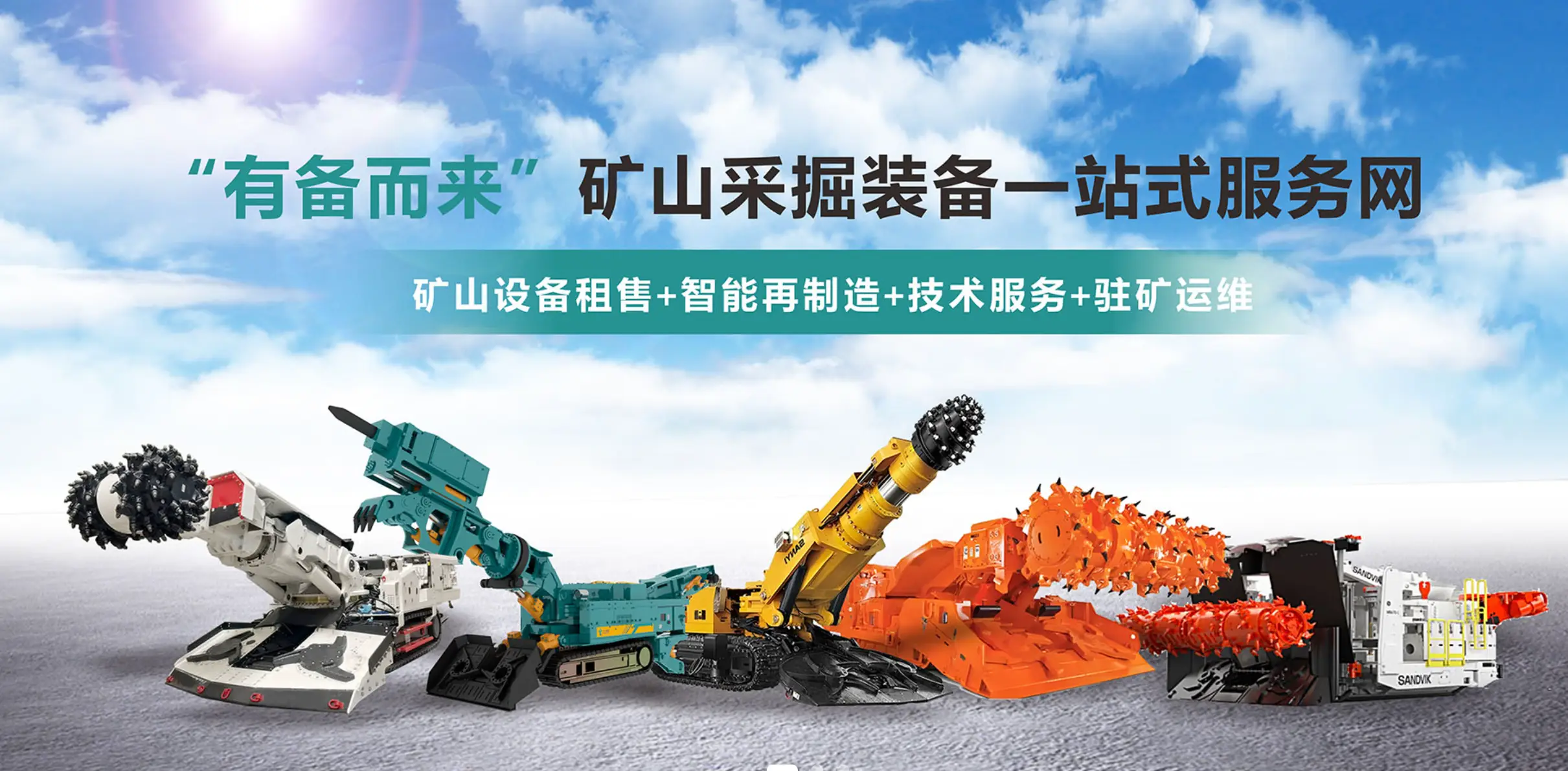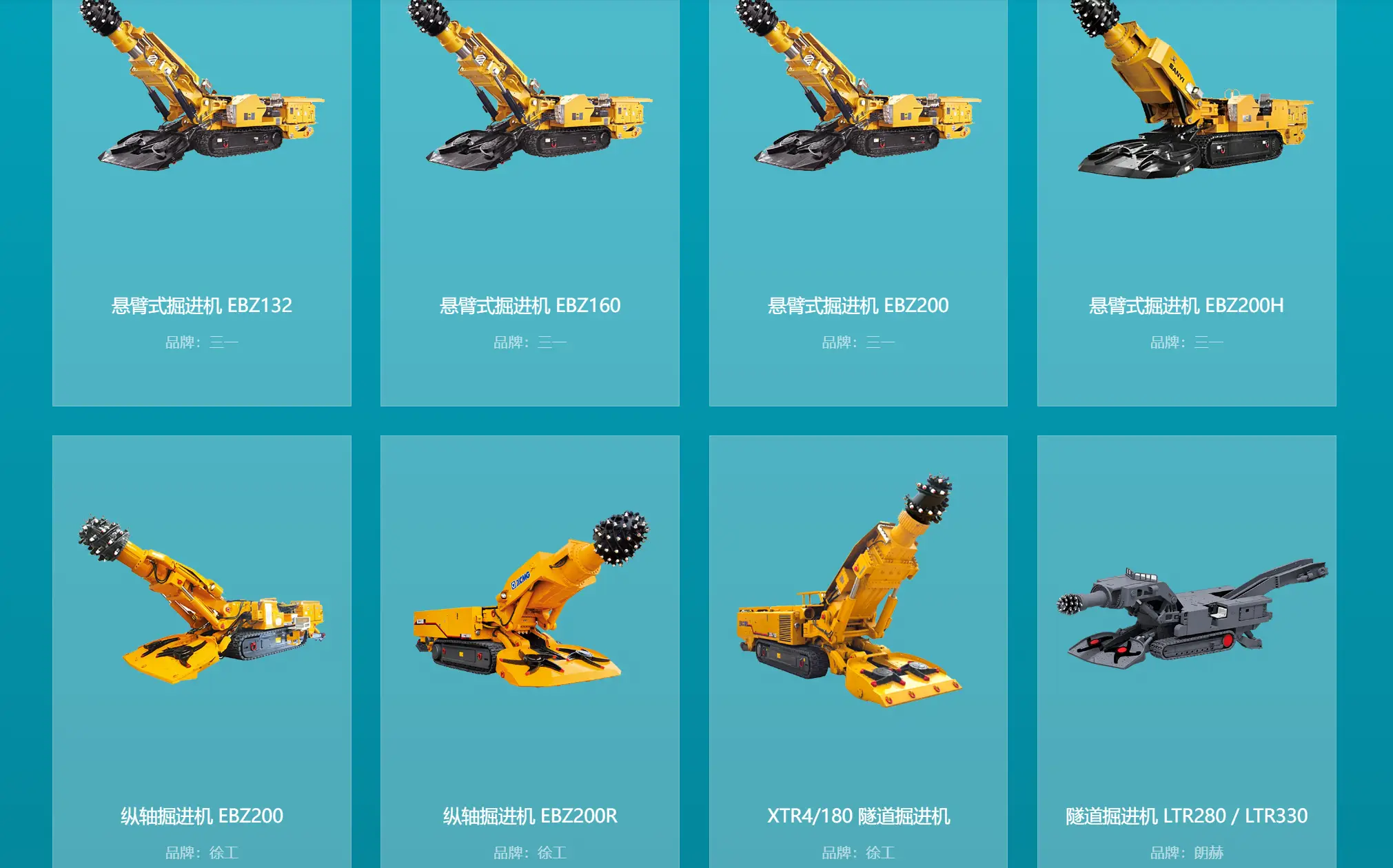
At mining sites, dig-in machines are one of the core production equipment. Its state directly determines efficiency, construction safety and project costs. In reality, however, many mining areas are facing difficulties: high procurement costs and financial pressures for new equipment; frequent failures of old equipment; lack of transparency in maintenance; and continuous deterioration of performance. As a result, there is a widespread phenomenon — the more expensive the equipment is, the more unstable it is, the more it is, the more it is, the more it is, the more it is, the more it is done, the more it is done, the more it is done, the more it is done, the more it is done, the more it is done, the more it is done, the more it is done, the more it is done, the more it is done, the more it is done, the more it is done, the more it is done, the more it is done, the more it is done, the more it is done, the more it is done, the more it is done, the more it is done, the more it is done, the more it is done, the more it is done, the more it is done, the more it is done, the more it is done, the more it is done, the more it is done, the more it is done, the more it is done, the more it is done, and the more it is done, the more it is done, and the more it is done, the more it is done, and the last。
The astronomical technology is ready to come to the mining equipment service network to propose a more practical path: high standard maintenance and re-manufacturing. It is not simply a replacement of vulnerable items, nor is it a mere “skin change” for the equipment, but rather a complete closure around the reliability of the retrieving machine, from detection, disassembly, repair, re-manufacturing to receiving and inspection, transport, so that the equipment remains stable throughout its life cycle。
Why must the dig-in maintenance go to “high standards”
Digging is complex and long-term in high load, high dust, high vibration. Critical components such as cutters, speed-reducing machines, hydraulic systems, electrical systems, walkers, etc. Are subject to wear and tear, fatigue, leakage and ageing. If the maintenance is confined to “breached, blocked and stopped”, it tends to address only surface failures and make it difficult to restore integrity。
Common problems with low standard maintenance include:
These problems lead the mine into a cycle of “one stop and one go”. The meaning of high standards of maintenance is to break the passivity and change maintenance from “fire-fighting” to “restoration”。
It's not about renovation, it's about re-reliability
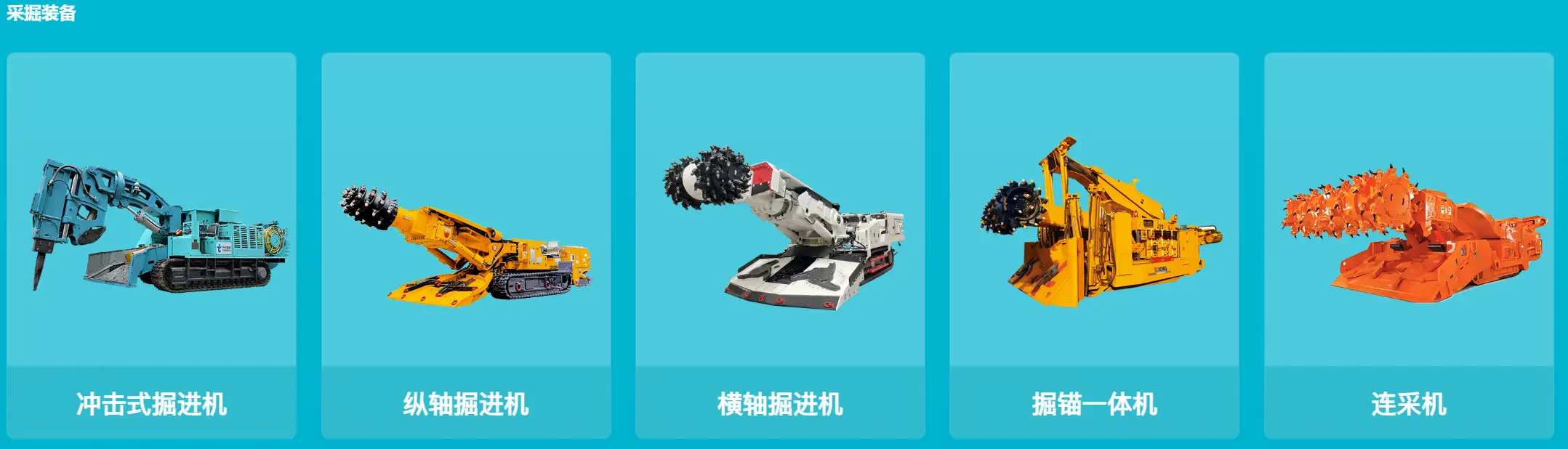
Re-manufacturing is fundamentally different from refurbishment. Refurbishment tends to focus on appearance processing, such as paint spraying, welding, replacement of pads to make the equipment look new, while re-engineering emphasizes the re-establishment of the core function of the whole machine, with the aim of restoring the equipment to near new levels on key performance indicators。
The process of re-manufacturing a charade intelligence typically includes the following key elements:
As a result of this process, the re-engineering of re-entry machines is no longer an old “feasible” equipment, but rather a production equipment with a clear technical state, trackable maintenance record and a stable operating capability。
High standard maintenance to address the pain of the site's “failure to repair, fix, fix”
High standards of maintenance are equally important for those still in service. Many mining parties do not necessarily need to re-manufacturing, but hope that critical malfunctions will be completely resolved and repeated stoppages avoided。
High-standard maintenance services for astronomical intelligence, focusing on three types of issues:
This type of maintenance is particularly appropriate for miners who wish to extend the life of existing equipment and control procurement costs without sacrificing production stability。
Re-engineering equipment provided for the projectHigh value for moneySelection
For mining parties with new projects, short-term projects, high financial pressures or the need for rapid replenishment of production capacity, re-engineering is a high-value option. Reproduction equipment has a lower procurement cost and a shorter delivery cycle than brand-new equipment; it also has a clearer technical state and reliability assurance than an ordinary second cell phone。
In the delivery of re-manufacturing equipment, the charade does not give only one general “repaired” conclusion, but rather informs the mine about the current state of the equipment through detection records, replacement lists, test results and delivery instructions. The miners may choose the whole machine re-manufacturing equipment in accordance with the needs of the project, and may also direct re-manufacturing of their own equipment。
This approach avoids the waste of assets caused by the direct liquidation of old equipment and reduces the pressure on new projects for one-time inputs to make equipment assets truly mobile。
The service was not terminated after maintenance and re-manufacturing
The fact that the equipment has been repaired or reconstructed does not mean that the service has ended. Continued safeguards are still required after drilling into off-board wells. Intelligence connects maintenance, re-manufacturing and follow-up services into closed loops:
Thus, maintenance and re-engineering are no longer isolated one-time services, but are part of the life cycle management of equipment。
Concluding remarks: give every dig-in a stable and reliable “second life cycle”
Once mining enters a sophisticated operation, equipment management cannot be based solely on “buying or buying new machines” but more on “making available equipment of continuous value”. High standards of maintenance address current failures and operational stability, followed by complete performance restoration and high value for money substitution, which together constitute the full life cycle service capability of the dig-in machine。
Through standardized testing, deep dismantling, repair of core components, system cleaning, plant testing and post-delivery tracking, the astronomical technology is ready to come to the mining equipment service so that the old equipment can no longer be simply “workable” but can again become a viable productive force. For miners, this means lower combined costs, shorter equipment recovery cycles, more manageable production rhythms, and a longer effective life cycle for each dig-in。