Today, the safe production library provides you with a very practical version of fire safety education for school students in kindergartens。
This ppt focusFire safety on campusIt is comprehensive and practical and provides strong support for fire education in schools and helps teachers and students to build safe lines。
I. Overview of the training presentations
(i) core orientation of course packages
It is designed specifically for the school scene, and is designed to improve the overall fire prevention capacity of the school by providing systematic information on fire safety, focusing on the cognitive characteristics of pupils and kindergarten children。
(ii) areas of application and population groups
(c) areas of application: education, which covers schools at the primary and kindergarten levels. Applicable population: mainly for primary school children, kindergarten children, but also for fire safety training for teachers and school administrators。
(iii) presentation of the curriculum
Combining text, case studies, pictures and mouths, content is vividly understandable and corresponds to the learning habits of younger students, facilitating knowledge absorption and memory。
Ii. Specific content of the training course
(i) school fire hazard lectures
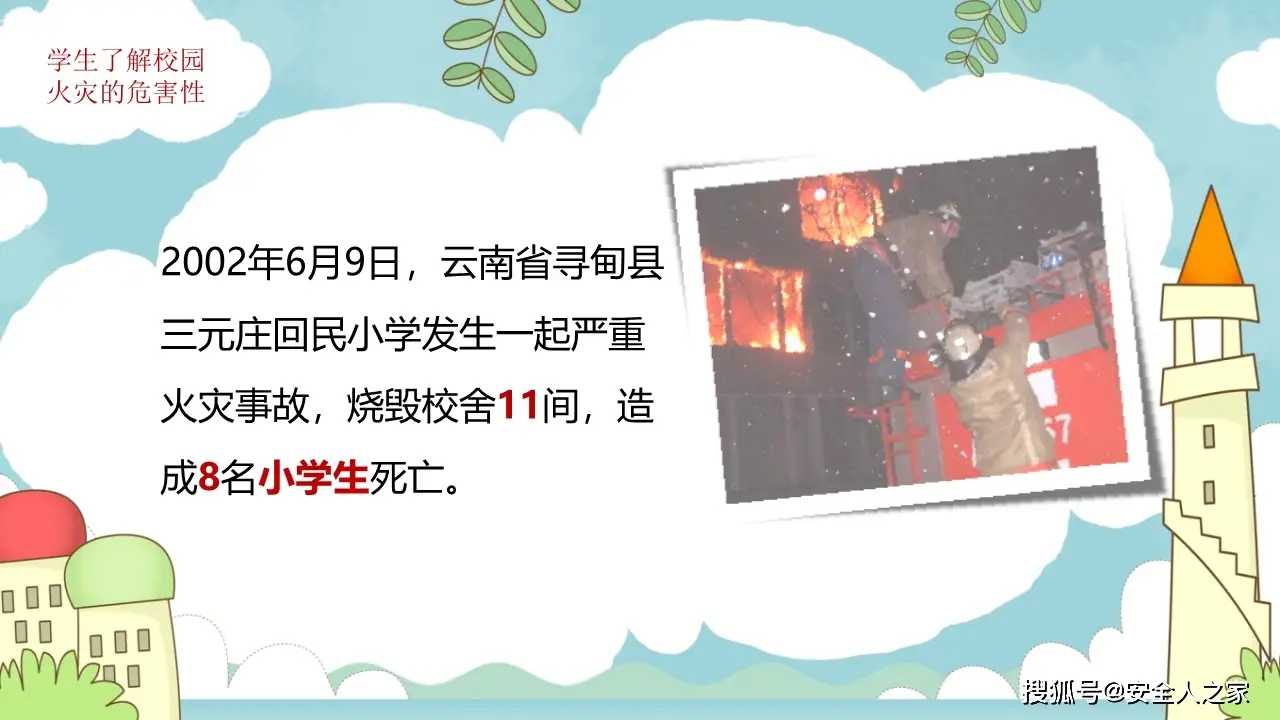
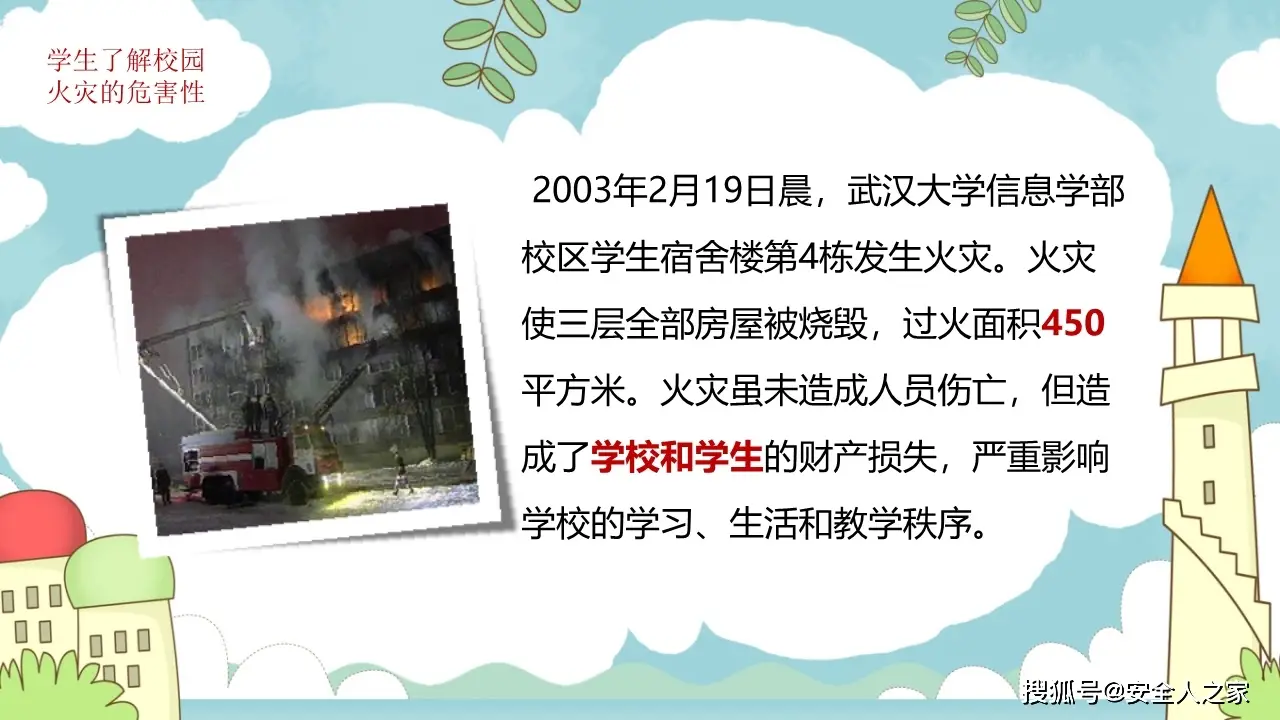
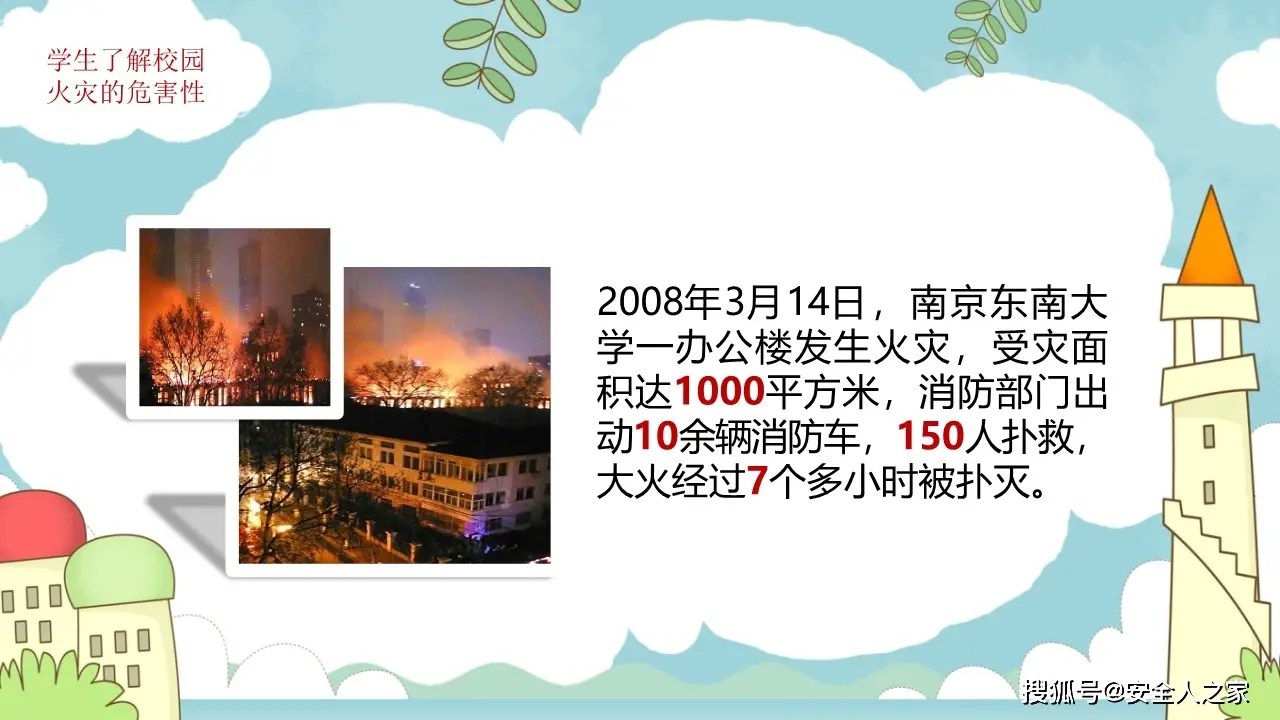
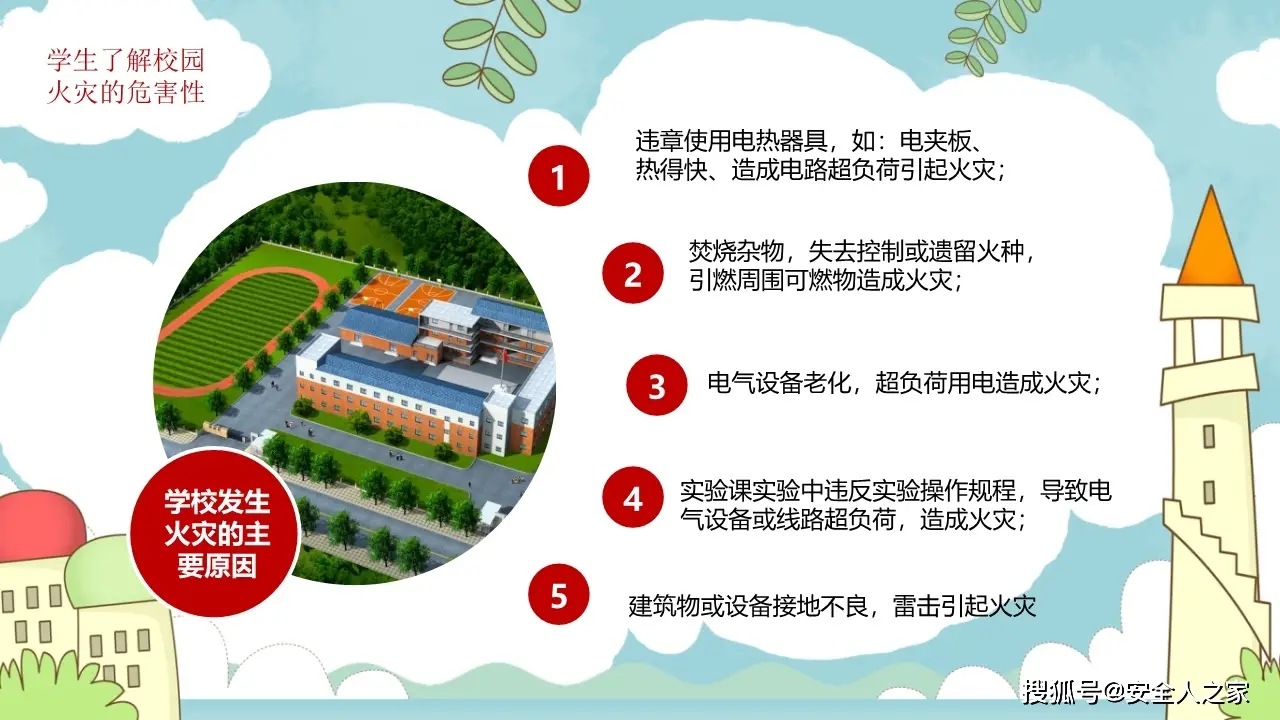
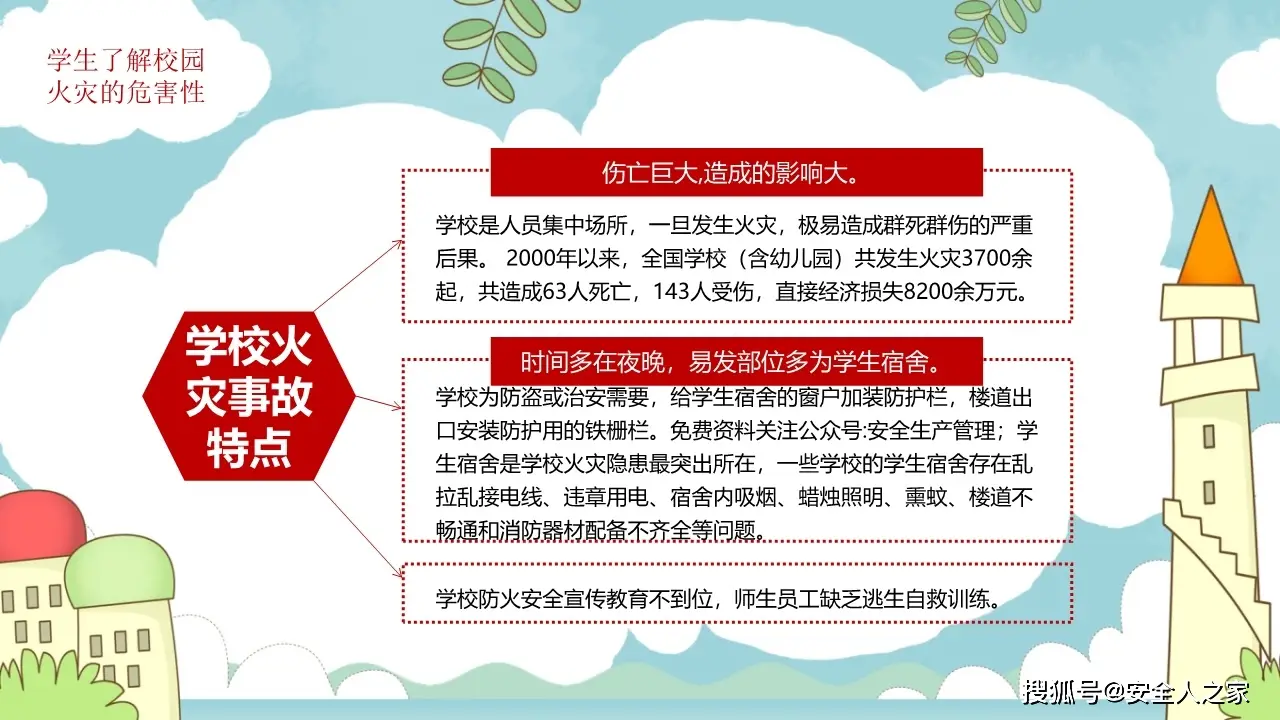
Examples of typical campuses and related site fires, such as the 1994 fire at the kramai friendship palace in xinjiang (325 people died and 130 people burned), and the 2002 fire at the primary school in sundian county, yunnan province (8 children died). Main causes of fire: analysis of common causes of fire on campus, including the illegal use of electro-thermal devices, burning of miscellaneous fire species, overloading of electrical equipment, laboratory operation irregularities, and poor impact on buildings. (b) characteristics of fire incidents: it is noted that there have been a large number of deaths and injuries in schools and that since 2000 there have been 63 deaths and 143 injuries from school fires throughout the country; that there have been many nights, mainly in student dormitories; and that there have been problems of inadequate fire prevention campaigns and inadequate self-help for teachers and students。
(ii) general awareness of fire prevention and suppression in schools
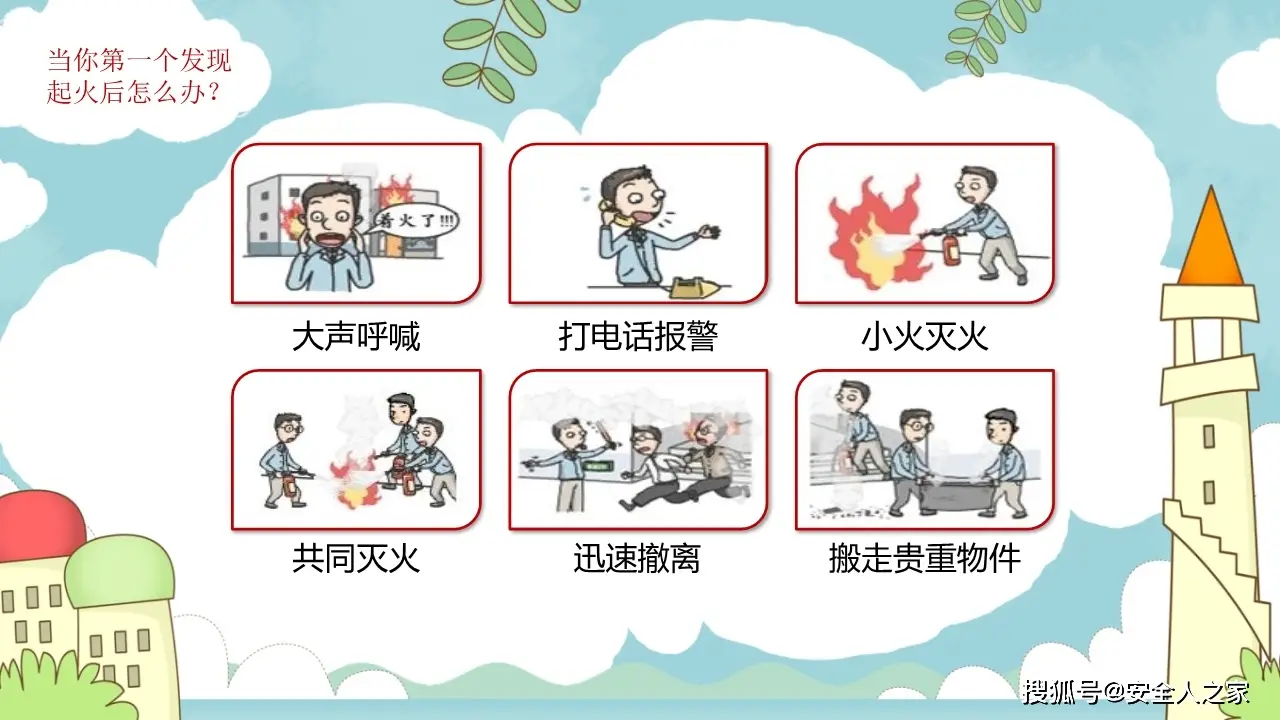
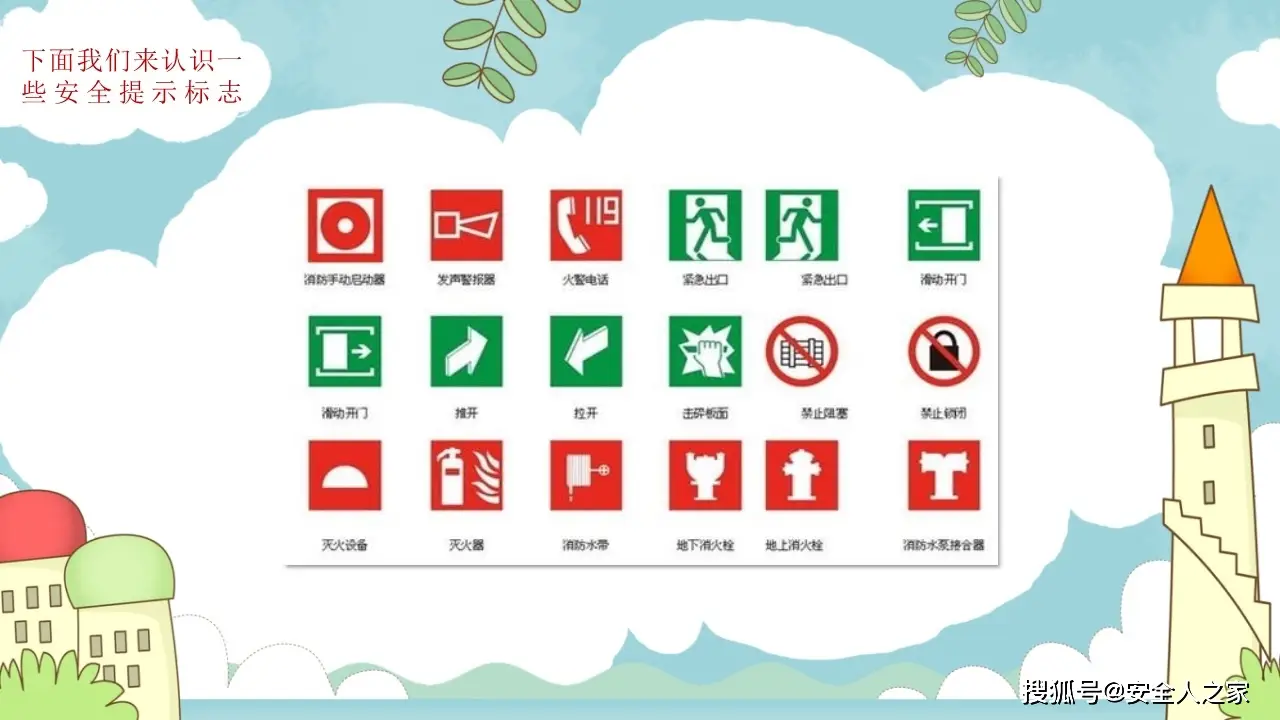
Initial fire response: the correct approach after the fire has been clearly identified, including shouting, calling the police, putting out small fires, rapid evacuation, etc., to exclude the removal of valuable items. Safety signs awareness: introduction of common fire signs, such as 119 fire calls, emergency exits, fire extinguishers, water belts, etc., to help identify safety guidelines. The fire police act: emphasis is placed on making an immediate call of 119, indicating the address of the fire, the fire, the fire, the caller and the telephone, with the supporting memory of " the story of the alert " . Use of fire extinguishers: details of the steps for the use of dry powder extinguishers (primation of insurance, fire root, pressure), scope of application (flammable liquid, gas, electrical fire) and maintenance elements。
(iii) teaching of fire escape techniques
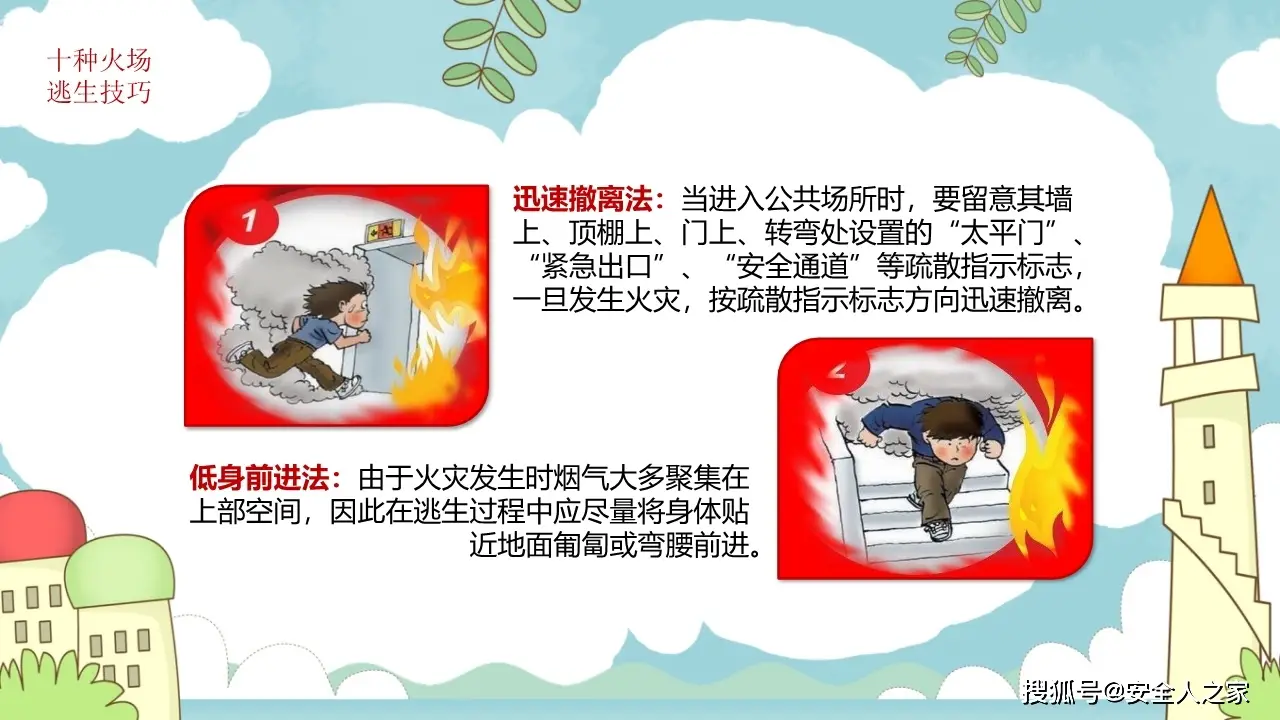
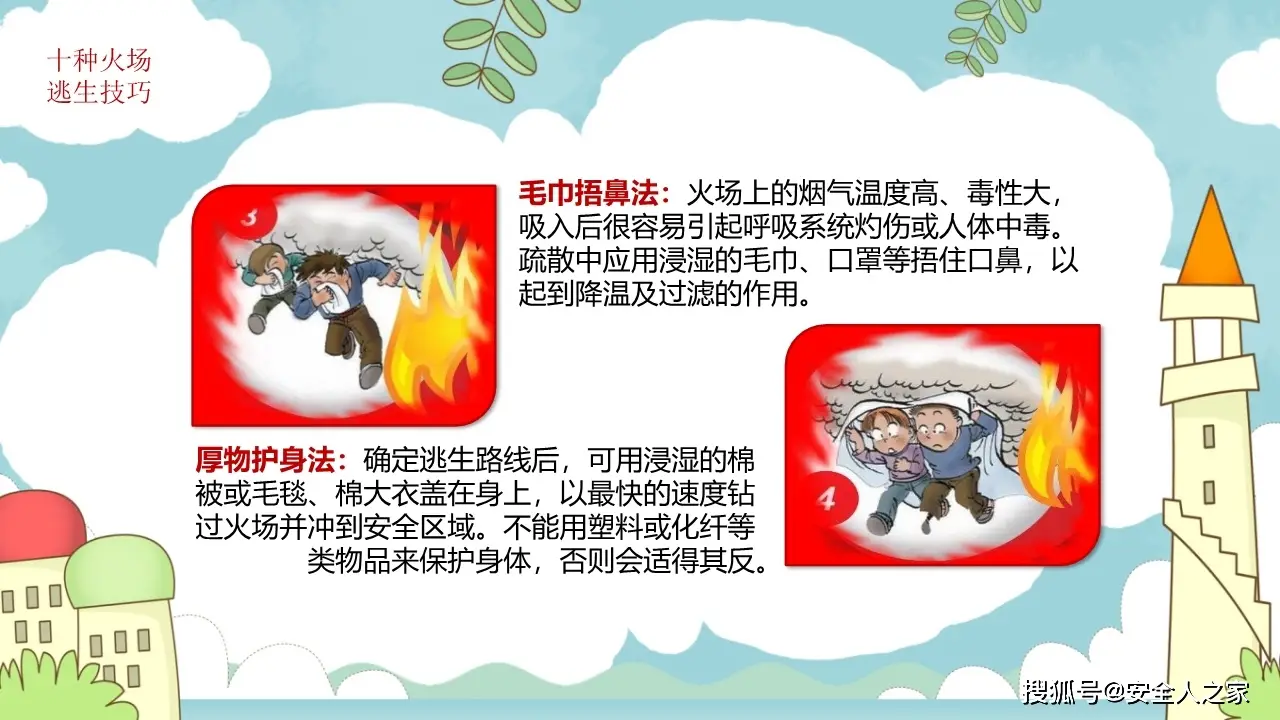
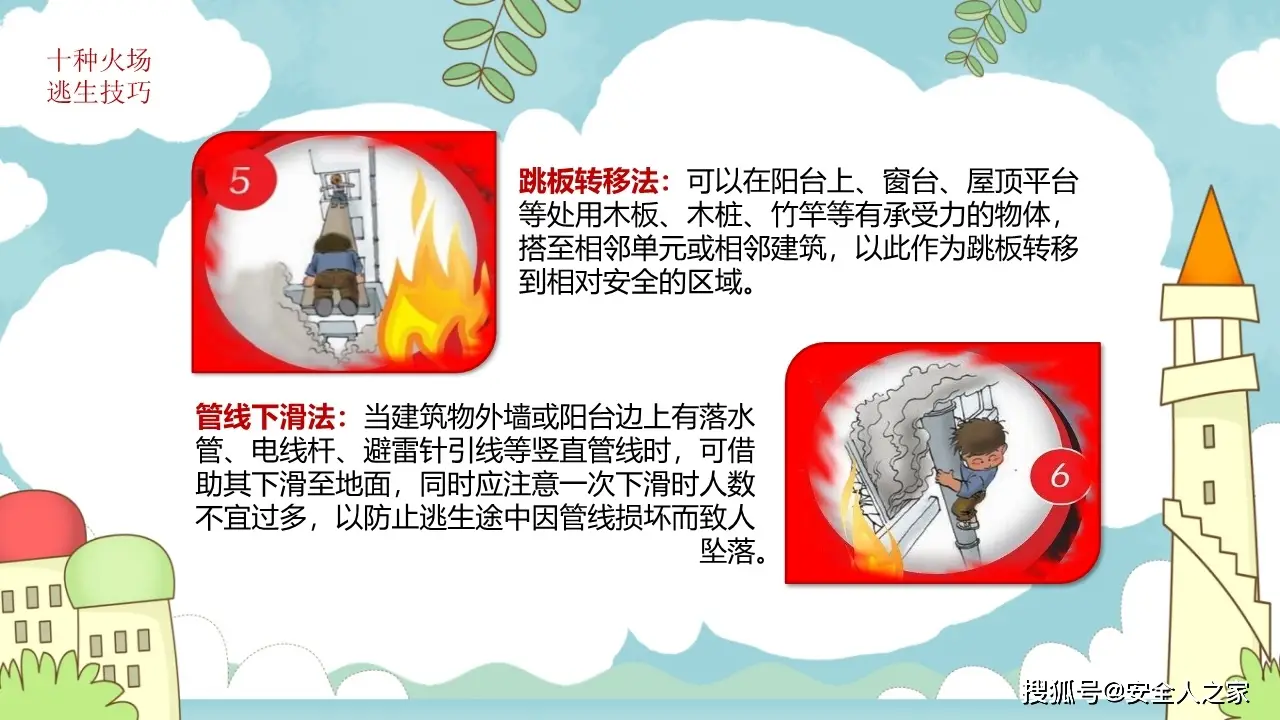
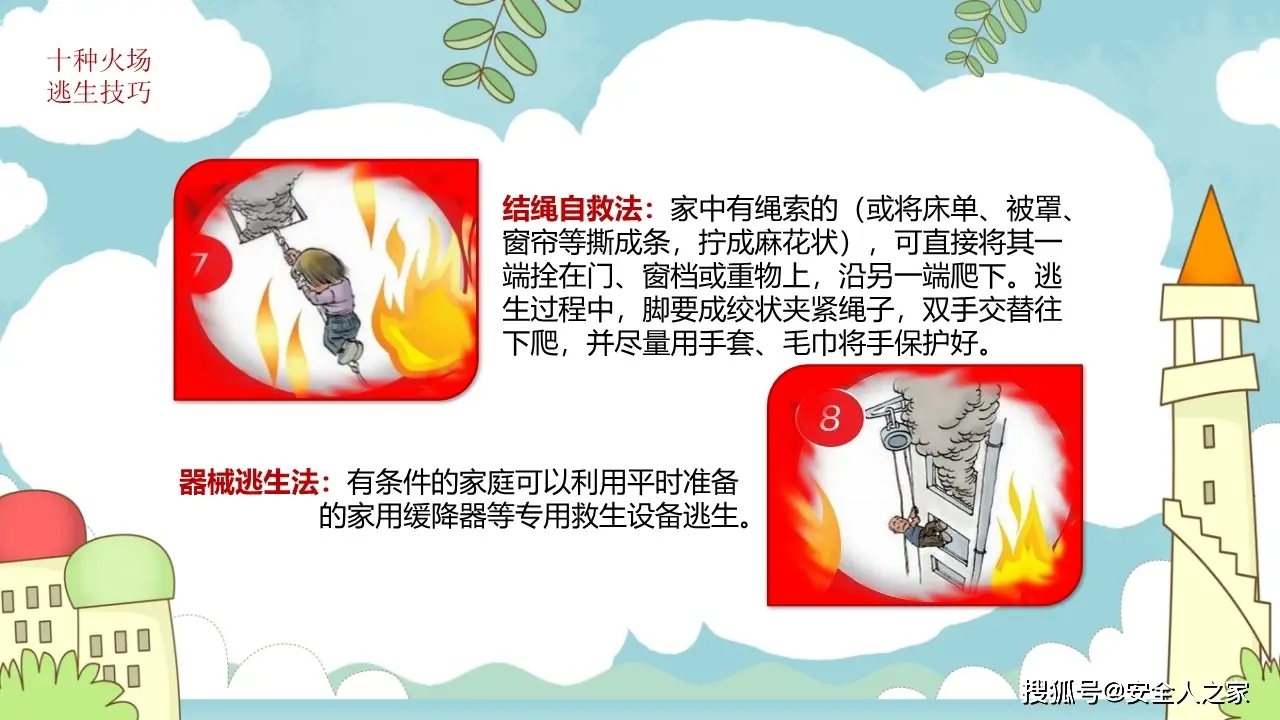
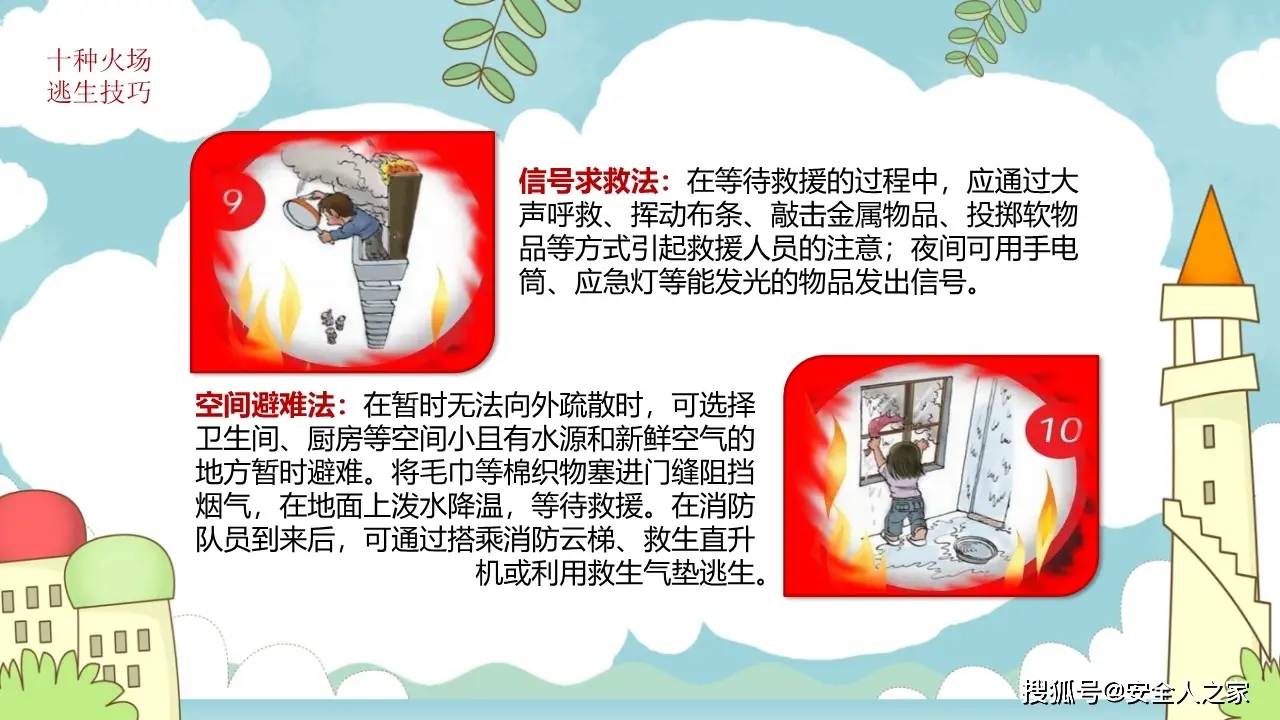
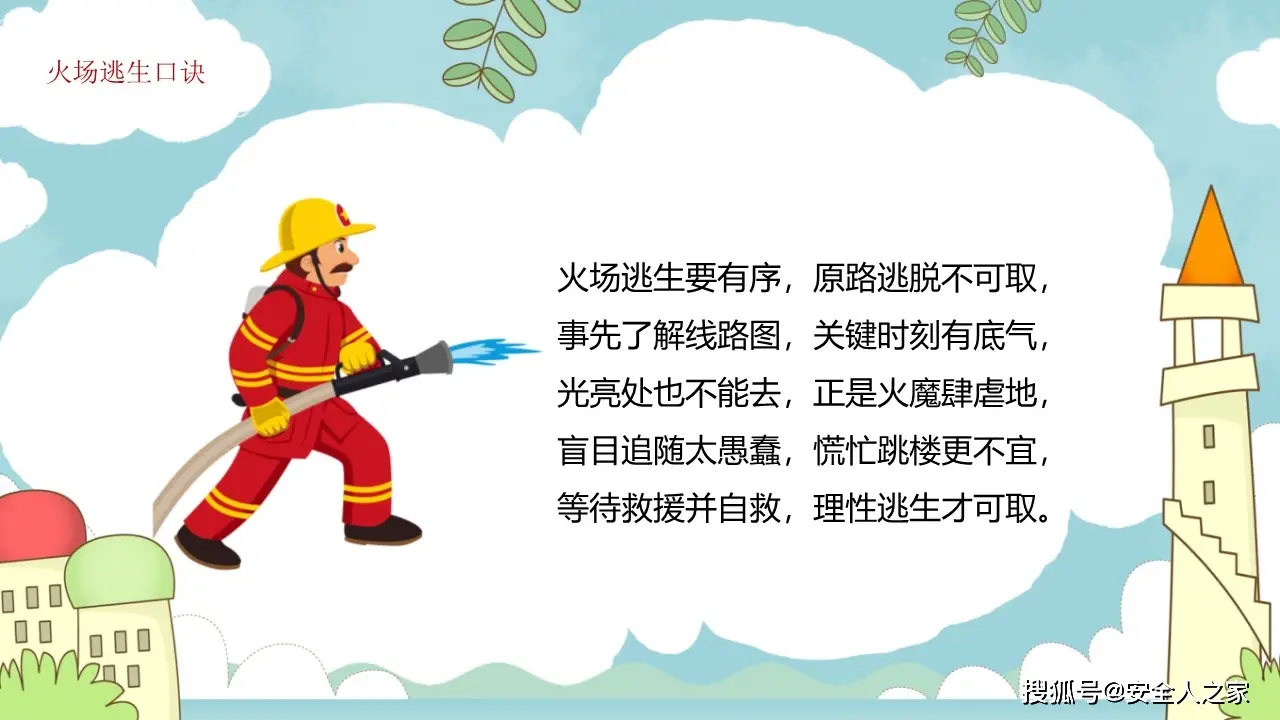
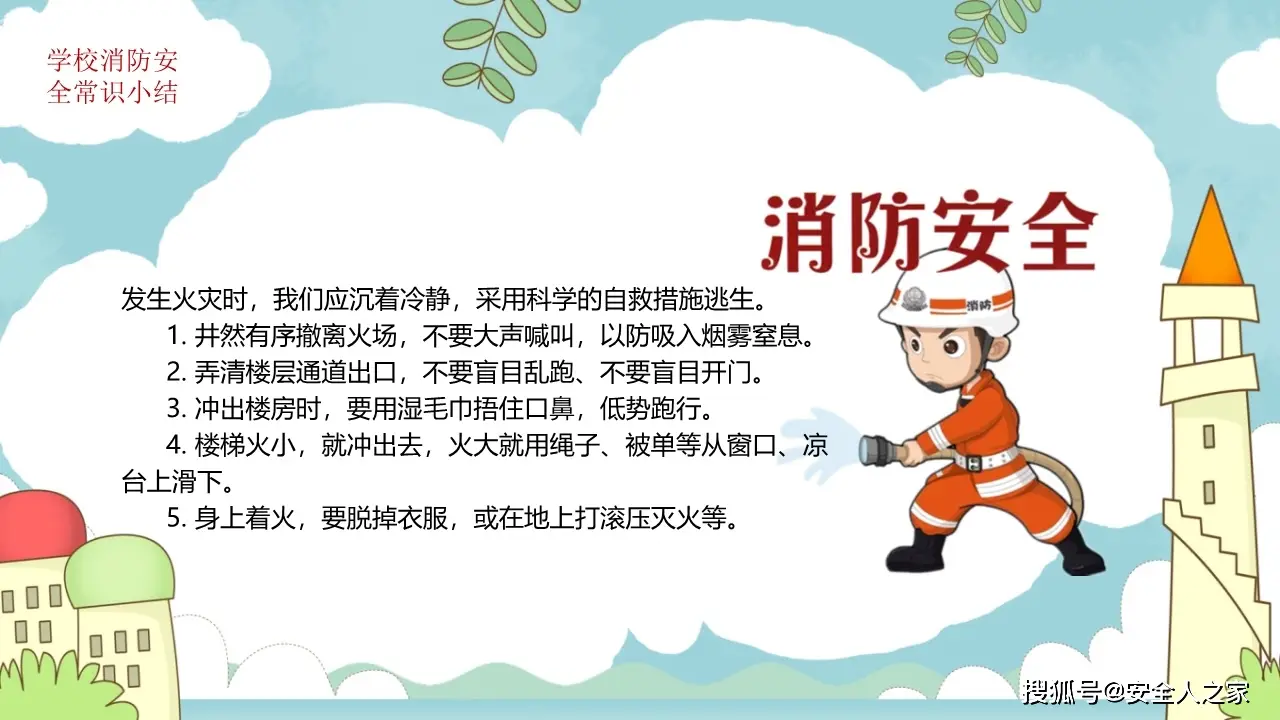
Ten methods of escape: 10 practical techniques for rapid evacuation, low walking, towel covering, thick body protection, etc., covering different escape scenarios. In summary, the escape strategy is designed to reinforce the escape point by extracting the following: “the fire escape must be orderly and the path to escape is not desirable”. Safety synopsis: summarize key measures such as evacuation, route identification, protection, escape mode selection, fire disposal。
(iv) fire law awareness development
Referring to the date of amendment of the new law of the people's republic of china on fire protection (28 october 2008) and the date of its implementation (1 may 2009), supplementing the knowledge of fire protection at the legal level。
Expected learning results
(i) cognitive effects
Students are fully aware of the hazards of fire in schools, of fire cases, of the causes and of the characteristics of accidents, and of the fear of fire safety. Students have common knowledge of fire protection and fire suppression on campus, identifying fire signs, correctly reporting fire alarms and using dry powder extinguishers。
(ii) skills-level effects
Students are skilled in 10 fire escape techniques and are able to use the right methods to save themselves in fire scenes, such as low movement, towels, etc. Students learn to deal with initial fires, know the correct course of operation after the fire is discovered and avoid panic and error。
(iii) behavioural and awareness-level effects
Teachers and students promote fire safety awareness, reduce dangerous behaviour such as electricity violations and the burning of miscellaneous items on campus, and prevent fires from the source. There is a good fire safety climate on the campus, where teachers and students are calm in the face of fire, where self-help and evacuation are carried out in an orderly manner and fire casualties and losses are reduced。