Many people go to the mall and find a very intuitive phenomenon: once they were occupying the gold floor of the mall, there was a hard-to-reach mother-and-child zone, and it was quietly polarizing. In some cases, chains of brands continue to expand and spread in communities and businesses, and there are many mother-and-child shops and large children's parks that have been operating for many years, leaving a backlog of stocks, uncancelled value orders, and a collection of hard to clear and rents。
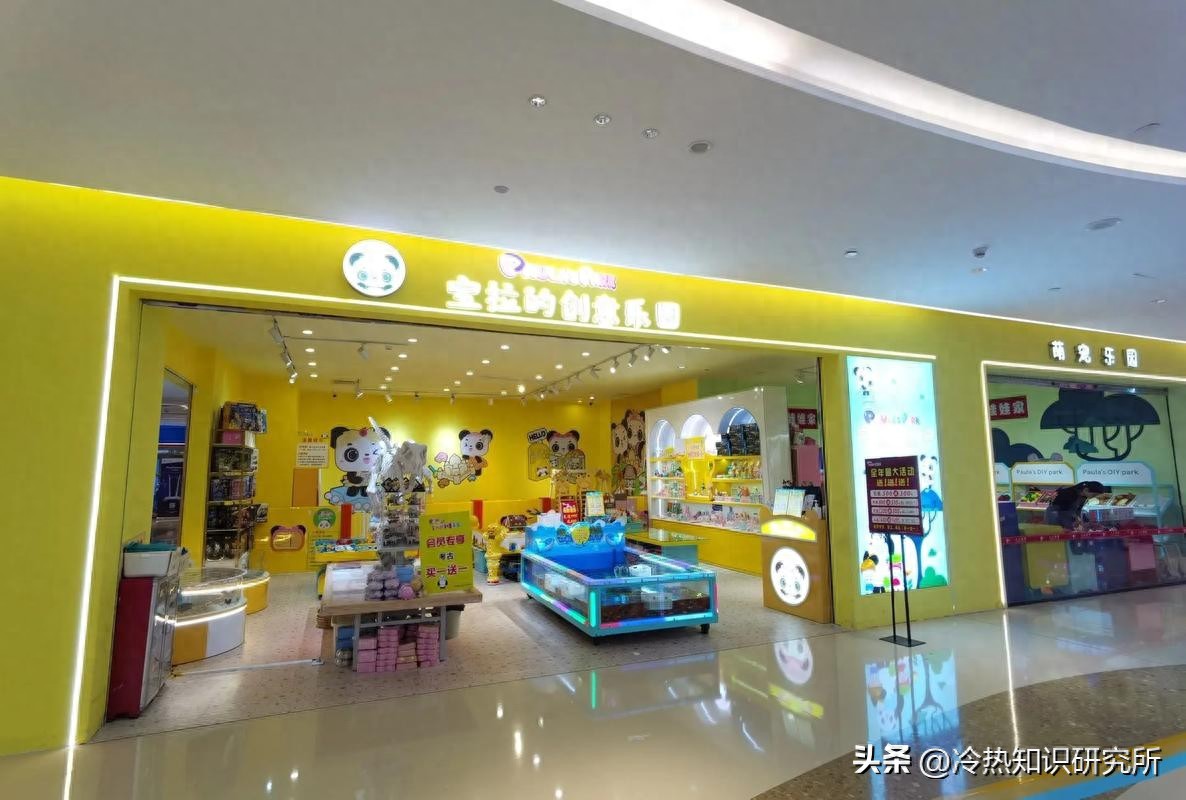
The current state of affairs in a group of industries that can easily be contrasted: on the one hand, the general context in which the total number of newborns continues to decline is well known, and many people agree that there is no chance for a mother-to-child track; on the other hand, the structural demand in the market for mother-to-child consumption has not disappeared, and the breakdown of the tracks, high-quality services, and refined demand for childcare still supports a large consumption plate. Also in the mother-child, child-dressing, baby-go-go-go-go-go-go-go business, why do some shops grow bigger and some do not last for two to three years? By 2027, what are the three types of physical practices that take root in communities and malls, namely, mother and child shops, and children's parks
I. The underlying logic of children's business has changed
Twenty years back, the logic of domestic mother-child consumption was very simple。
During the period of relatively closed child-rearing information and insufficient supply of commodities, new parents have limited access to milk powder, paper diapers, supplementary food and infant products, and the sub-line mother and child shop is the most important procurement entry point. At that time, the core value of mother and child shops was "selling." the demand of parents is concentrated on basic commodities: powdered milk, wet urine, bottles of milk, infant clothing, and the availability of home stores as long as the supply is stable and well-defined. The children's shop is dependent on this dividend, with the main price for money and a lot of money, and the children's park is a “flowor” for the mall, which can attract large numbers of families with children, depending on single tickets and secondary cards。
However, in just over a decade, the soil for childcare consumption has changed completely。
The first is the restructuring of commodity channels. The rapid maturity of electricians, live broadcasters, cross-border platforms, standardized commodities such as powdered milk, paper diapers, basic child clothing, transparent online prices, high promotions and direct distribution of logistics. Data on consumption by the national statistical office show that the rate of penetration on the standardized fast-forwards for mothers and children has continued to rise, prices for basic specimens are highly transparent, and the time when lower-line shops rely on information differentials has passed。
This is followed by a change in the concept of home-care. In the past, preference had been given to child-rearing as a matter of value and priority had been given to food and heating; parents, especially new parents, attached greater importance to science-based child-rearing, quality safety, and health careProfessional servicesI don't know. The same is true for the purchase of child clothes, which are no longer expensive to wear only, and concern about fabric a standards, boneless crafts and the safety of dyes; to take children to play, no longer satisfying simple running and play, with greater emphasis on hygiene, teacher guidance, early learning attributes; and to buy mother-to-child products, with voluntary access to ingredients, trace reports, brand qualifications。
Another variable that cannot be ignored is the demographic structure. The long-term decline in the number of newborns has resulted in a direct compression of the total number of cakes on the market. The cake is no longer large, which means that the stock competition will increase. The track moved from the “era of the incremental dividend” to the age of stock games, where pressure was felt first and foremost by a store that was a store for goods。
Many old stores have not kept up with this turn, still following the pattern of 10 years ago: the shelf is full of milk powdered diapers, the child's dresser is slowly updated year after year, and children's parks rely only on equipment to attract children. As low-priced diversions on the line are now in demand and the surroundings continue to pile up, the drop in passenger flows is the inevitable result。
Of course, aggregate contraction does not mean that markets disappear. The annual reports on the mother-child industry of iri, estudio and others all mention that while the overall market size has slowed, the consumption structure is rising and families are willing to pay for safety, services, experience, and fine parenting. This can explain why shops can be steadily expanded while information continues to spread about them, and on the other hand, the doors that focus on child-care services, high-end child-dressing and parenting experiences. Consumers are not unwilling to pay for their children, but are no longer willing to simply pay for the price difference。
Ii. The pains of heavy asset shops: high fixed costs are slowing down many operators
Among the three types of business: mother and child, child dress, and children's parks, most of the most at-risk and closed-down cases are in the core business circles, in large areas and in heavy front-loading. In particular, large integrated parent gardens, one-stop mother-and-child living houses, cost structures and large soup spring shops in previous cases are very similar。
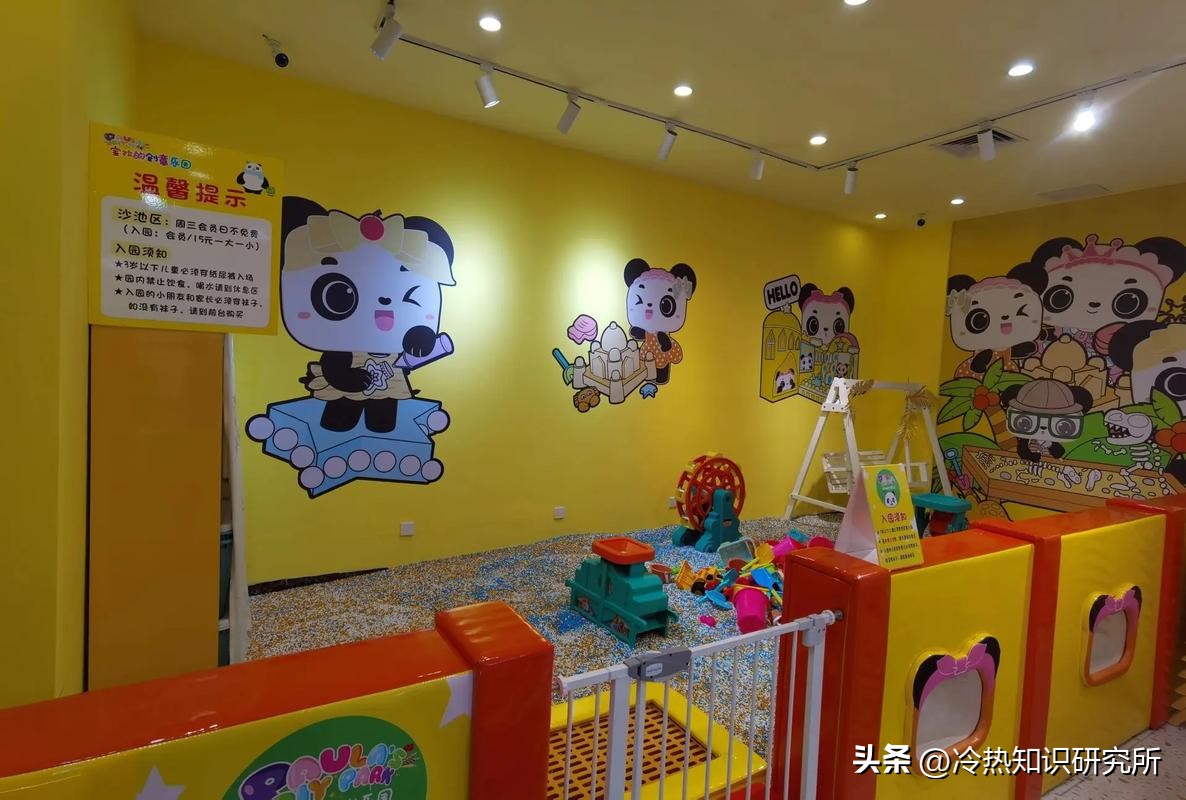
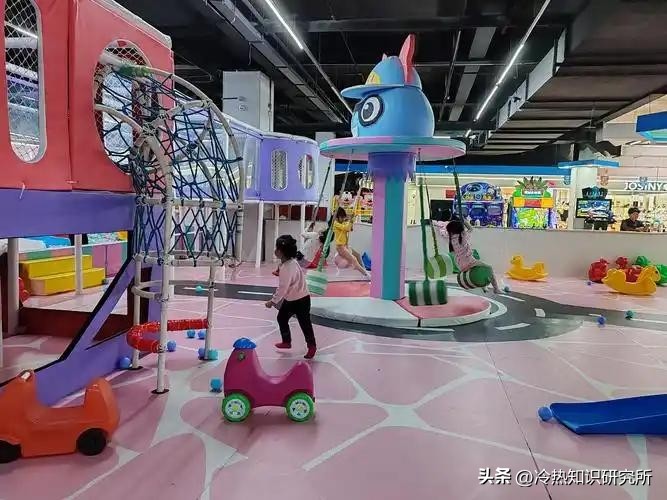
Look at the children's park first. A medium-sized children's park with an area of approximately 800 square metres in a mall, with upfront hardware inputs being a significant expense: the purchase of recreational equipment, soft-pack protection, surface glue, surveillance, new wind disinfection systems, with up to hundreds of thousands or even millions of prior inputs. Following sustained rigidity, the market rent is generally charged on a flat scale and the core floor rental unit is higher; daily security, front office, cleaning and human costs are stable; recreational facilities are regularly overhauled, fuel materials are replaced, daily consumption materials are eliminated, air conditioning and a new windstorm begins throughout the year, and energy and maintenance costs are not reduced in proportion to reduced passenger flows。
A simplified measure can be made: an 800m2 mall for children's parks, with a monthly rent of $80,000, a total of $120,000 for labour, extinction, equipment protection, water, electricity and materials, and a total of $200,000 per month for rigid costs, and close to $6,700 per day for the maintenance of the camp, based on 30 days of operation per month. If a single ticket is priced at $60, the average cost per passenger is $70, which requires at least 96 groups per day to reach the store to cover rigid expenditures. This has not yet been factored into the depreciation of equipment, marketing promotion, taxes and fees, and reserves for refunds to members. In the event of an off-season, start-up season, new competition around it and a drop in the flow of passengers, the door shop is vulnerable to rapid loss. Many gardens return to the cash flow on the basis of the value of the reserve, which appears to be well-funded in the short term, but the value of the reserve is essentially pre-collected, corresponding to future ongoing service obligations. In the event that the flow of passengers falls short of expectations for a long time, the cash flow breaks down, and disputes over the closure of stores and the uncancellable value of the cards can easily arise。
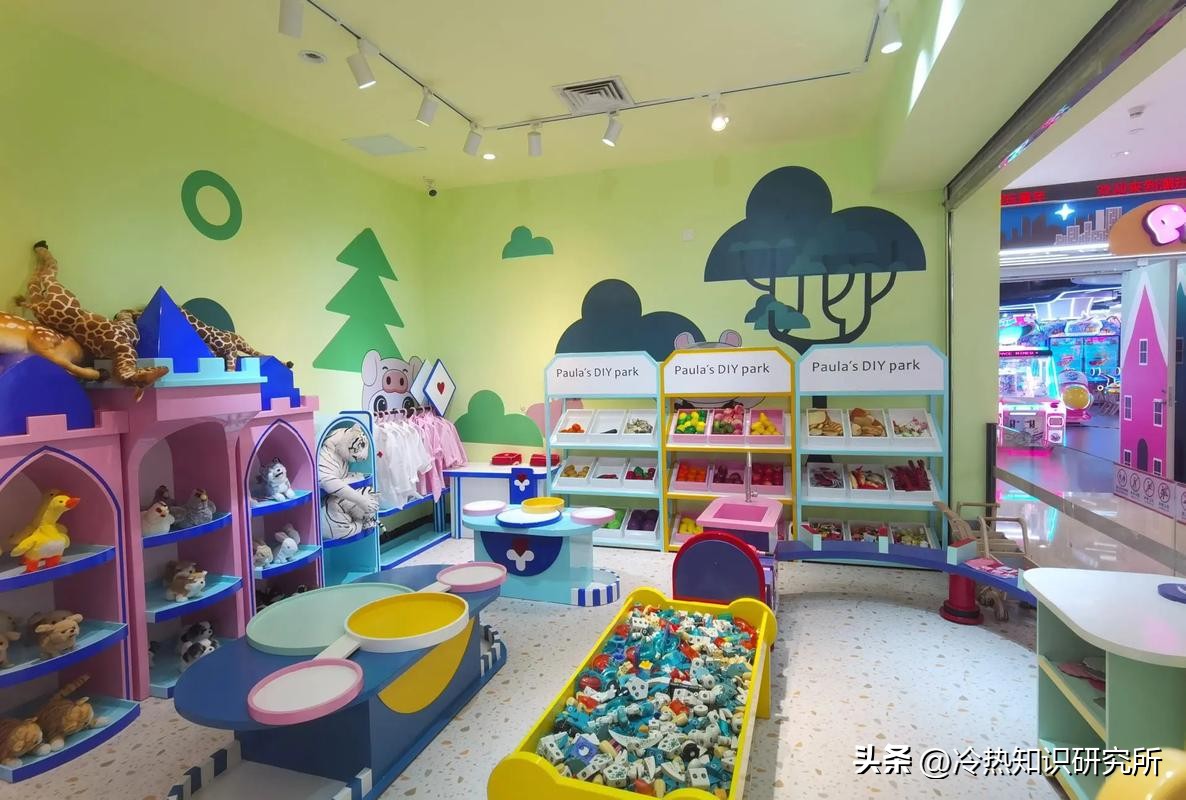
The same pressure is felt in the mother-child complex. Many one-stop mother-and-child shops, in addition to shelf goods, include services such as swimming pools, baby caressing, post-natal rehabilitation, and baby push. Refurbishment, pool equipment, water cycling systems, and heating systems are heavily invested. Commodity stocks are more of the money in hand: powdered milk, food supplements have a guaranteed period, children's clothing, child shoes have clear seasonal attributes and size limits, and stocks are accumulated in alternate seasons, which can easily be depreciated and devalued. With the accumulation of funds, rents, and salaries of technicians combined, there is little room for error in the premises。
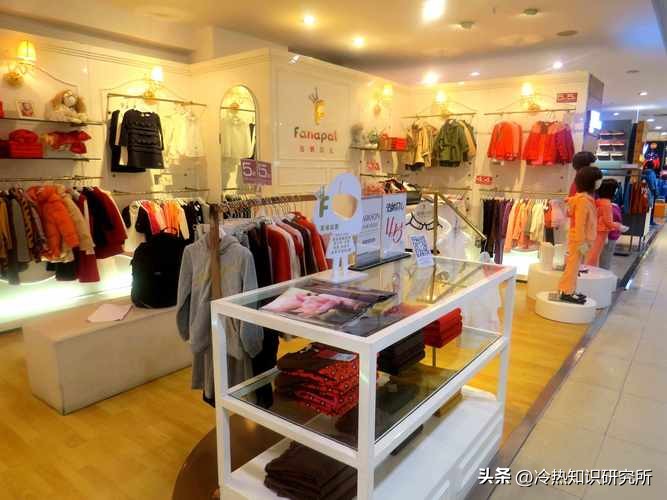
The pressure on children's shops is concentrated in stockpiles. The size of the child is large, the style is fast and seasonally strong. Springs, summers, autumns, winters, which are new several times a year, can easily be overloaded by miscalculation of sales volumes. The new paragraph would keep up with the trend, and the old paragraph would have to be closed, and once the discount was too low, the profit would be eaten directly. A number of children's shops on the street looked like they had a deal every day, and by the end of the year, most of the profits turned into unsettled oversea clothes in warehouses。
In contrast, the small community shop model is much less costly. Dozens of square metres of community-based mother-and-child shops, streamlining of sku, reducing heavy asset blocks such as large swimming pools and playgrounds; small-scale child-dressing shop owners in small batches for new and fast-changing goods; light-hosting small playrooms with controlled areas, simplified equipment and significantly reduced fixed expenditure. However, small shops are not always profitable: community traffic is fixed, repurchases depend on reputations, and if the quality of the product is unstable and the services cannot be kept up to date, the client is lost。
Market data also confirm this division. The domestic market for mothers and children as a whole is still large, the market for children's clothing is maintained at a scale of hundreds of millions of years, and the demand for filiation is stable. But the size of the market does not mean that businesses can make money. In stock competition, losses can continue to occur when peer piles, online diversions, high costs, triple pressure added。
By 2027, the industry will have evolved in these clear directions
First of all, it is necessary to clarify the premise that without authoritative data, there will be an industry-wide mass closure in 2027. However, in recent years, the trends of excellence in door-to-door operations, changes in consumption and regulatory policy have shown that several directions for change have become clear, and that all practitioners and consumers deserve attention。
First, the fragmentation of business and the blind expansion of heavy assets will be abandoned。
For some time now, many operators have been thinking of “big and full”: mothers' and children's shops are best served with milk powder, children's clothes, swimming, post-natal and pick-ups, and children's parks have sought large areas, large equipment and rich projects that attract eyeballs by size. This model is feasible in the context of the incremental era and is highly risky in stock markets. The future market is polarized: one is a small community shop with light quantification and verticalization, with a focus on a single demand for services, such as baby and child swimming, high-priced child-care, low-age parenting, area control, fixed-cost compression, deep-drive, three kilometres of familiarity; another is a high-experiment, high-specialty, not low-priced diversion, and building barriers based on professional competence, such as assessment of child development, guidance on scientific parenting, high-end customized child-care, subject-oriented parenting activities. Simple stacking of equipment, stacking of shelves and large stores without core advantages accelerates clearance。
Second, the sale of goods gives way to service capacity and professionalism becomes a central barrier。
The advantages of standardized mother and child products, common child clothing and online channels are difficult to reverse. In order to survive, the underground store cannot continue to treat sales as core income. The core competitiveness must be something that cannot be given online: baby-swaming care, parenting counselling, baby growth monitoring, parent-child escort, child-dressing trials, layouts and face-to-face experience。
The same is true for the sale of children's clothing, which is the sole responsibility of ordinary shops; competitive door shops, which provide layout screening, size guidance, fabric decomposition, after-sale transfer, and build up stable old customers; and also for mothers and children, which sell only milk powder, which can be easily replaced online, which can continuously export scientific parental knowledge, help parents solve problems of feeding, sleeping and supporting food, and make it easier to retain customers. To put it simply: goods are just carriers, services and trust, the real moat at the bottom of the line。
Thirdly, pre-paid consumption regulations continue to tighten and stock patterns are being standardized。
The relevant judicial interpretations of prepaid cards and local regulations are on the rise, and mothers and children's parks are areas in which prepaid consumer disputes are high. Previously, a large number of stores had been able to rely on large-value, preferential and fast-return funds, supported by new customers with the full value of the money, which was typical of cash-flow games, which, once the flow had fallen, the financial chain had broken immediately and there had been numerous disputes over the rights of depositors。
Follow-up monitoring will continue to be added: in many regions, pre-paid funds are required to be kept in charge, large-value limits are restricted, rules for refunds are clarified, and information on the subject is made public. For merchants, it is becoming more and more difficult to follow the old path of high-discount large reserves and must rely on sustained and stable earnings rather than on advance payments. For consumers, greater caution is needed in view of the need to give priority to identifying the owner of the store, the terms of refund, the description of financial supervision, and not to be attracted by over-exaggeration of the premium, with a one-time deposit of high-value funds。
Fourthly, safety, health and compliance thresholds continue to rise。
Mothers, mothers and children are in business and are served by less immune minors, and the compliance line is much higher than the normal retail trade. Software protection at children's parks, annual equipment inspections, daily killing records; mother and child swimming pools, water cycling, disinfection processes; and child clothing security, labelling and standards for category a infants and young children are among the regulatory priorities。
In recent years, there have been a number of reports from the market regulatory authorities regarding inadequate child clothing, poor hygiene at mother and child sites, and safety hazards at recreational facilities. In the future, the mandatory requirements of health desk accounts, safety inspections, product quality reports, and qualifications of practitioners will continue to be stringent. It attracts eyeballs only through luxurious renovations, but the door shop that steals less work in safety and hygiene is constantly being evicted. Compliance is no longer a sub-item, but a basic threshold for survival。
Fifth, the breakdown of the population is clearer and homogenization is rejected。
Consumption demand is tiered. One group of households prioritizes high value for money, needs commodities and basic pleasures, and the other is willing to pay for high-quality, low-sensitivity, organic and professional companionship. In order to find a living space, the shop needs to identify its own target group. The supply chain and cost control are done when the main store is just as low as it is needed; the main store where the high-end precision service is handled is the professional skills that match the value of the service. There are no features to imitation, products and services, and a doorshop that falls into a low price, profits continue to be reduced。
Businesses and consumers, what each should see
In the case of operators, the old perception that “child money is good for money” is the first step. The mother-child track is no longer a dividend track but a professional track with increasingly high thresholds. Before opening a shop, one cannot simply look at the imagination of the crowd, but carefully calculates the rigid costs of rent, manpower, inventory, depreciation and assesses whether it is capable of differentiation. Priority is given to avoiding blindly heavy asset inputs; attention is paid to familiar maintenance and reputations; careful reliance is placed on the cash flow of the value of the reserve, placing profits on real single service and commodity profits rather than on a constant new filling. The chain of brands is also subject to greater control over the union stores, many of which are subject to disputes that end up undermining the brand reputation。
For ordinary parents, consumer awareness is also updated. The choice of a store should not be based on the fact that the renovation is good and the discount is not very strong. Children are given the option to buy child clothing, giving priority to safety categories, labelling information, swimming pools, parent-child gardens, active attention to extinction processes, safety protection, and, in the face of high value, priority to small experience, rational determination of the stability of the operation of a door shop, without any one-time investment. The value of online purchases of standardized goods is higher, and the value of lower-line stores lies in experience, service, instantaneous and professional guidance。

At the end
From mother and child groceries scattered on the early days of the street, wholesale market children's stubbles, simple inflatable recreational facilities, to one-stop mother-and-child living halls, large parent-child gardens, and mother-and-child industries in the country, too many shifts have taken place。
The big change that will take place in 2027 is not the disappearance of the industry, but a brutal screening. When the aggregate dividend fades, inefficient, homogenous, high-cost, pre-collected and survival-based outlets slowly exit the market, while those that look for niches, value professions, hold safety thresholds and trust in deep-tilled communities remain stable。
The underlying logic of all entity mother-child, child-dressing and parent-child play businesses has never changed: parents are willing to pay for the safety, comfort and healthy growth of their children. Regardless of how the industry evolves, products that depend on the formula, stable services, transparent prices and solid professional competencies will always be the bottom line of the cycle. The cake is smaller, and it's bigger than who works and who really keeps trust. I'm the headline winner