I. Mother and child retail outletsBusiness analysisThe data are scattered and difficult to form a business landscape watch
Many of the marketing data of mother-and-child shops, member consumption records and stock flow are scattered across multiple systems and even paper billings. The manager of the store is looking at the daily newspaper to manually aggregate the flow of the pos, the manager of operations analyses the repurchases of members and produces multiple excel matches, and it is more difficult for branders to keep track of regional sales. This fragmentation of data tends to keep door-to-door business analysis at a “think-and-see” level, which makes it difficult to support precision decision-making。
1. 2 empirical judgement, lack of data support
The quality characteristics of the mother-child industry determine the high cyclical pace of its operations - the relatively stable consumption of milk powder, the effects of the promotion of diapers, and the reliance on recommended food supplements and new products. However, many stores still rely on the personal experience of shopkeepers and lack forecasting models based on historical sales data. When doors expand or people move, business capacity fluctuates and it is difficult to develop replicable standardized management。
1. 3 inadequate deposit of member assets and lack of catchers in repurchases
The decision-making chain for mother-to-child consumption is long, the repurchase window is clear and theoretically very well suited to membership. In reality, however, the management of membership in many outlets is limited to the registration of cards, and there is a lack of systematic follow-up of members ' purchases, product preferences, life cycle stages (early pregnancy, newborns, early childhood). This has led to either one-size-fits-all marketing or a sense of delivery, which has naturally not worked as well。
Ii. Stapping ways in the analysis of the operations of sustainable society station
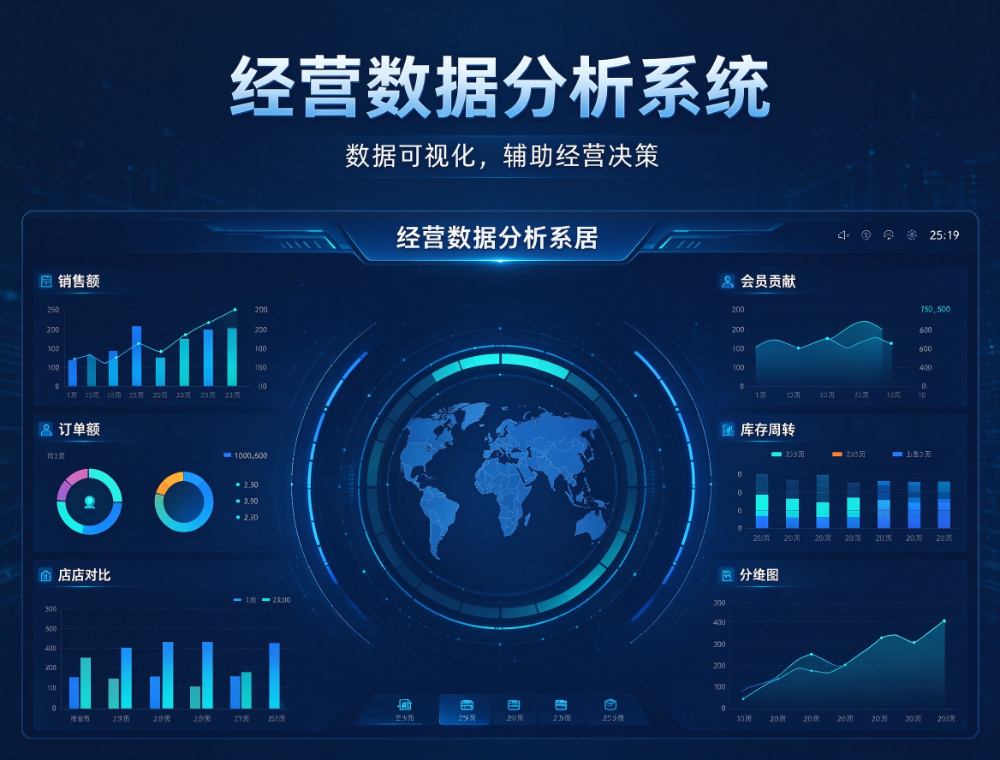
In order to address the problem of data fragmentation, the first priority is to establish a unified system of data aggregation. The front-end pos flow, membership files, promotional records can be consolidated into structured data and multi-dimensional business statements generated through the sales data analysis module. In this way, core indicators, such as daily sales, unit prices, associated ratios, class ratios, membership contributions, etc., can be presented in real time on one interface and decision makers need not switch over systems。
2. 2 precise operation around membership life cycle
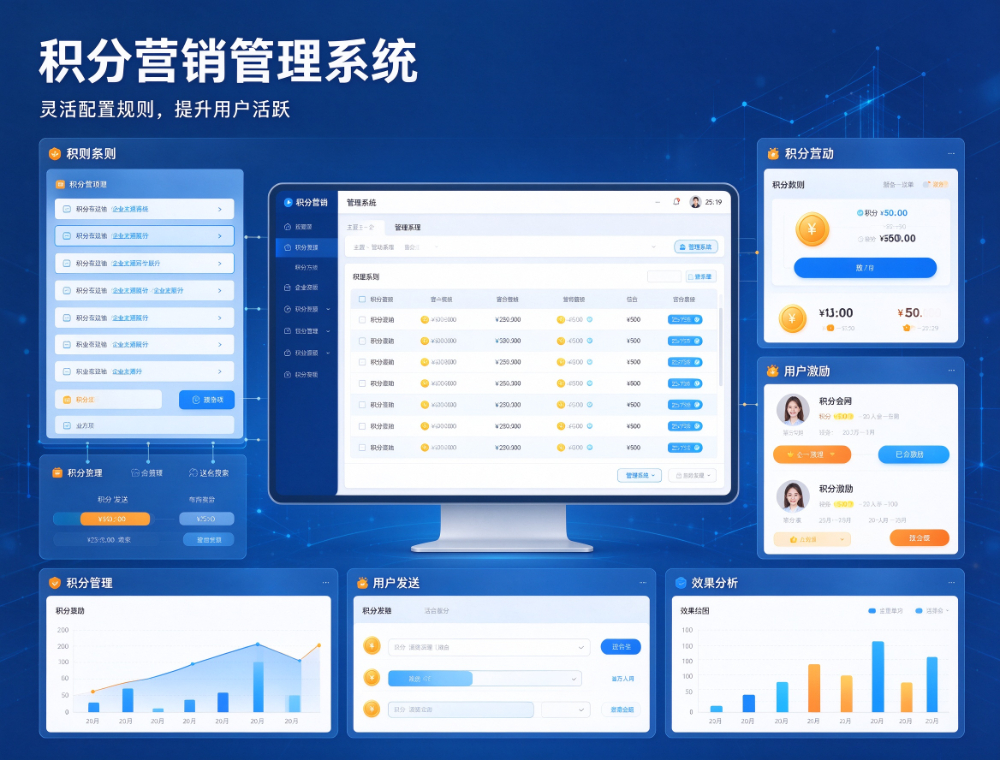
The life cycle characteristics of mother and child consumers are very clear, with significant variations in demand categories and frequency of consumption from pregnancy preparedness, pregnancy and waiting periods to 0-3 years. Through a user image system, the door shop can stratification its members in stages and match differentiated marketing strategies. For example, in the case of late-pregnancy members who wait for a delivery package and newborn supplies, in the case of june-year-old babies, supplementary feeding and feeding devices are provided. Combining the internal-code credit system and credit marketing also creates immediate incentives after each purchase to effectively increase buy-back rates and client loyalty。
2. 3 data against decision-making in nursing shops
The value of business analysis ultimately falls to the decision-making level. Through the door shop business analysis module, managers are able to clearly identify which sku has contributed to the main profits, which product categories are at risk of backlog, which vendors are less effective and which promotion activities roi is not ideal. A combination of the recommendations of the smart distribution system would also optimize the replenishment rhythm of the various stores and reduce the use of funds. This shift from “the perception” to “the data” is a central sign of mother-to-child retailing。
Iii. Practical application of the operational analysis 3. 1 millennium power categories: procurement and through through control
Milk powder is a product of mother-and-child shops, and it is difficult to control channels. A single-college trace system allows the full chaining of batches, logistics routes and outlets for each can of milk powder, and allows rapid location of the source in the event of a cross-regional move or misprice. This back-to-back management capacity protects the branding system and creates a level playing field for the shop。
3. 2 membership marketing: from single deals to long-term relationships
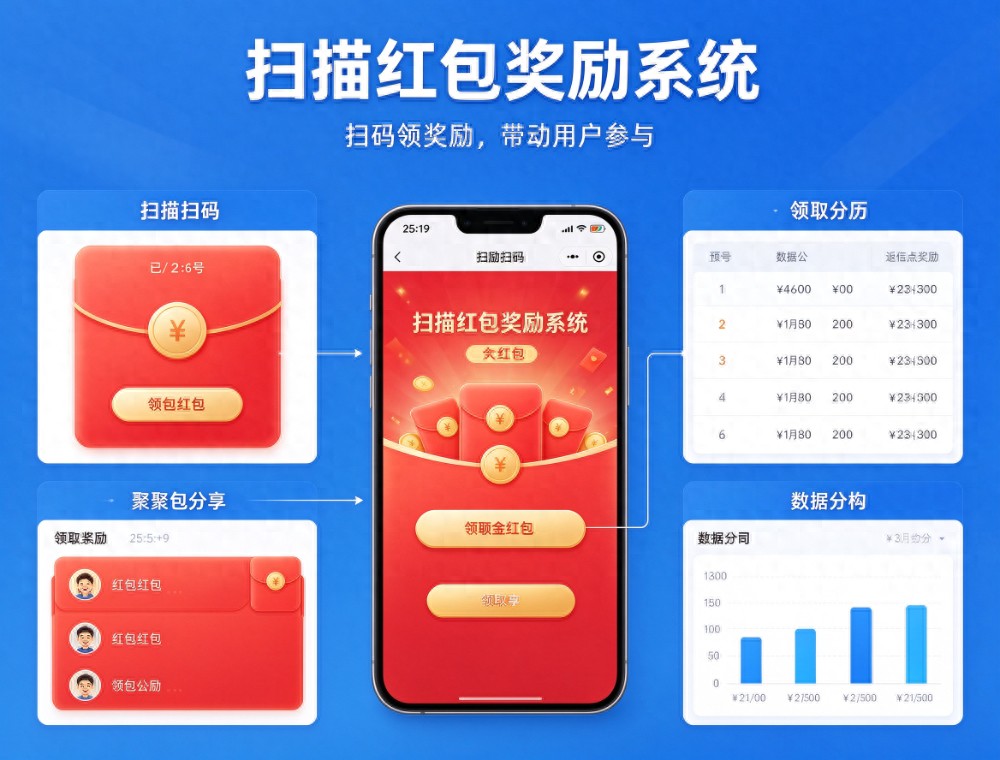
Simple discount promotions make it difficult to create user adhesiveness, while the build-up and run-up of malls provides a sustainable form of membership incentives. By signing up for a combination of lottery marketing, membership credit system, and points incentive programmes, the shop can transform one-time purchasing behaviour into long-term interaction. More importantly, each credit issue and write-off can be recorded to generate member behaviour data that can be analysed。
3. 3 area control: electronic fencing and price order maintenance
For multi-regional chains, regional marketing controls directly affect the health of outlets. The electronic fence system is capable of limiting the distribution area of the product, and of effectively curbing cross-area disruptions such as a surrogate, “basket” in conjunction with the milk-coloured system and the gadget management system. When there is a secure channel order, the margin of profit for dealers and stores can be stabilized, and the indicators of business analysis can be useful。
Iv. Why is it important to focus now on the business analysis 4. 1 mother-to-child retailing has shifted from increased competition to deep-stock farming
The change in the number of newborns is evident, and the era of growth based solely on natural flows is over. In the stock market environment, how to raise the value of single-clients, extend the life cycle of clients and increase the repurchase rate is a central proposition for door-to-door operations. These indicators need to be tracked and optimized through systematic business analysis。
4. 2 increase in the complexity of channel management and lack of sustainability of the crude pattern
The flow of mother-to-child products is becoming more diversified as integration on-line and off-line accelerates. A new channel, such as a surrogate, community group purchase, live delivery, etc., has increased the risk of goods being sold and prices being volatile. Branders need more sophisticated channel-based price controls and travel-proof solutions to ensure balance of interests across channels. This is not simply a management issue, but a system engineering effort supported by digital tools。
4. 3 data capacity as a watershed for mother and child enterprises
The existence of a unified membership management system, a real-time analysis of sales data and a retroactivity-proofing system determine the ability of enterprises to respond to market fluctuations. Digital transformation is not a question of choice but of survival. A finely run mother-to-child brand can be achieved with systematic tools to remain competitive during the shuffle。
V. Value extension of the door shop business analysis and recommendation 5. 1, from business analysis to full chain digitization
The door-to-door business analysis should not be an isolated module, but should be linked to the prevention of fraudulent traceability, points marketing, membership operations, etc. The core system of guangdong kaol information technology ltd., deep-farming mother and child retailing, covering the door shop crm, milk powder-resistant stringing, electronic fencing, internal code score management, etc., has resulted in an integrated digital transport programme from channel control to member operation. For mother-and-child brands that wish to systematically upgrade their business capacity, selecting partners with full-chain service capability is more of a long-term value than the piecemeal procurement of a single tool。
5. 2 professional mobility is a guarantee of system effectiveness
System-building is just the starting point, and continuity is the key. Guangdong kale provides a full-process service for programme planning, system set-up, day-to-day operations, data support and post-sales response, ensuring that systems are functioning steadily and that operations continue online. For mother-and-child enterprises that lack a dedicated it team, this one-stop model can significantly lower the threshold for system use and allow operators to concentrate on the business itself。
5. 3 choice of services that match their own stage of development business
The depth of demand for the analysis of door-to-door operations varies among mothers and children of different sizes. Regional chains may be more concerned with member stratification and buy-back increases, while national brands are more focused on milk powder channel control and road-control governance. It is recommended that enterprises, when selecting models, give priority to examining the actual service experience and system stability of service providers in the mother and child sector to ensure that the programmes fit their business tempo and development stages。