In addition to this, we can check the car speculation micro-programs or public numbers: vehicle accident risk records, risk insurance, business risk insurance, vehicle status, mortgage status, kilometres, license plates, car plate numbers, number of vehicles under name, etc
Ii. Assistance4s shop search
In general, 4s will have complete vehicle files for each owner, which will include details of maintenance records, maintenance time and replacement spare parts. You can find the vehicle's maintenance records only if you provide information on the vehicle to the 4s store, such as the frame number, license plate number, etc. But now many of the drivers will choose to use the "true vision" micro-intelligence or public domain, which is easier to search for

Iii. LookingPassAndMaintenance manual
The permit and maintenance manual, which is an important document and information for vehicles, usually records vehicle protection. By looking at these two documents, you can find information about the duration of maintenance of the vehicle, the maintenance mileage, etc. It should be noted, however, that this information may not be exhaustive enough to give you a full picture of the protection status of the vehicle。
Three questions and answers about auto protection
1. How long does the vehicle have to be replaced with oil?
Answer: the vehicle manual is usually used for every 5000-10000 km replacement。
Analysis: the oil replacement cycle is subject to driving habits, oil types (mineral oil/semi-synthesis/total synthesis) and driving environmental impacts. For example, under frequent short-distance or extreme weather conditions, oil decay is faster and replacement cycles need to be shortened. Full synthetic oil could be extended to 10,000 kilometres, subject to the recommendations of the manual。
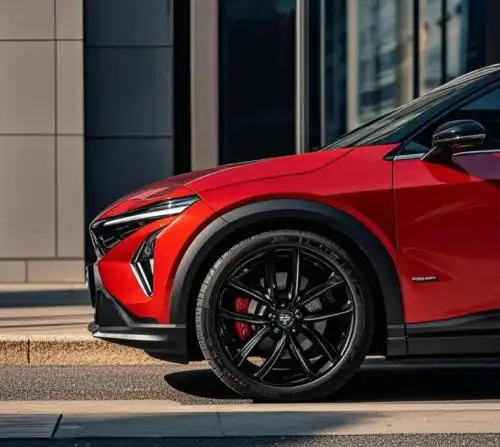
2. How is it judged whether the brakes need to be replaced?
Answer: it is judged by thickness, acoustic or instrumental hints。
Analyzing: brake blades are worn to the limit (usually 2-3 mm) with a sharp sound or the dashboard flashes a warning light. Some of the models are equipped with electronic sensors that directly indicate replacement. Periodic inspections avoid the risk of brake failure and recommend inspections every 20,000 km。
3. How often are cooling fluids replaced?
Answer: the normal vehicle pattern is replaced every 2 years or 40,000 kilometres, with a long-acting model of 10 years or 200,000 kilometres。
Analysis: refrigerated liquids contain preservative additives that are ineffective for long-term use and cause erosion in water tanks. Honda, modern vehicle types use long-lived organic acid-type cooling fluids for longer replacement cycles. The replacement requires the complete discharge of the old liquid and the avoidance of mixing of different brands of cooling fluid。